













Oct 17,2025
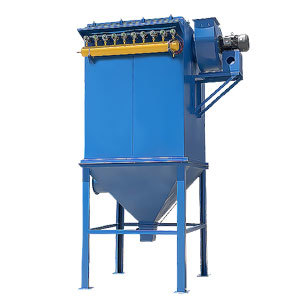
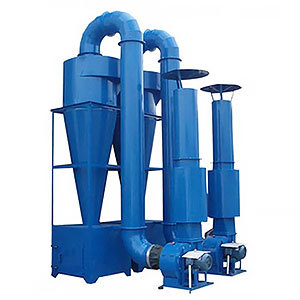
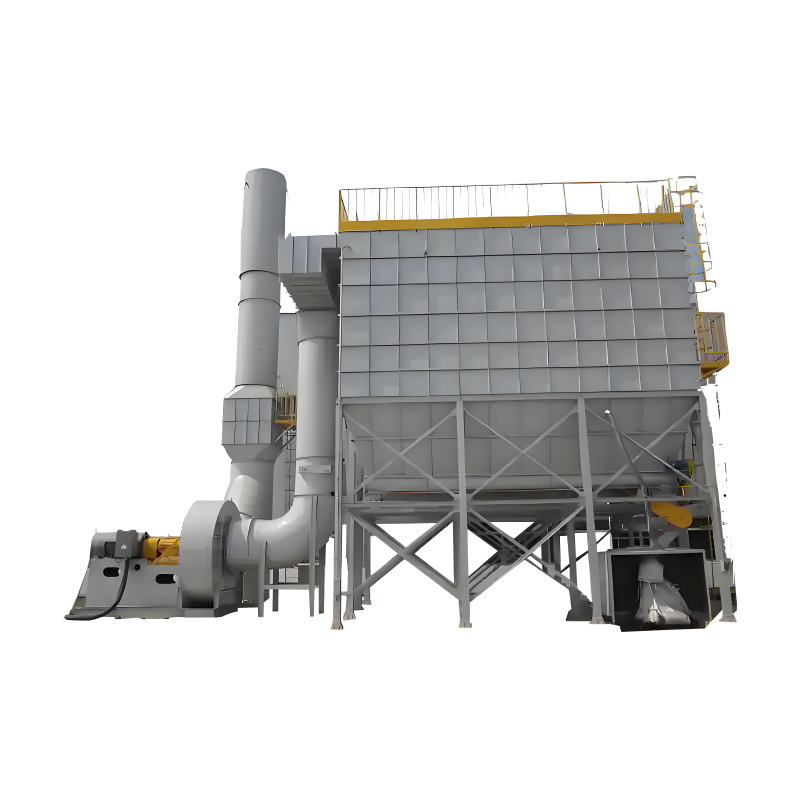
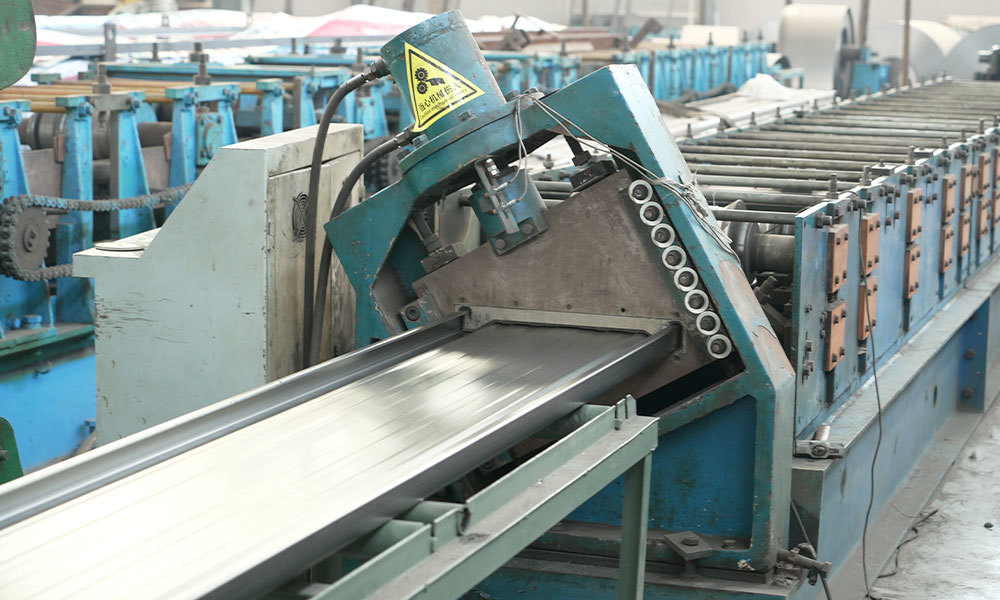
The biggest concern for dust treatment in building materials factories (cement, sand and gravel, ceramic tile workshops) is that "a single device cannot handle it" - traditional cyclone dust collectors have limited single tube processing capacity. When multiple production lines are running simultaneously, either the dust cannot be fully absorbed and accumulates in the workshop, or the emissions exceed the standard and face overseas environmental fines.
Oct 16,2025
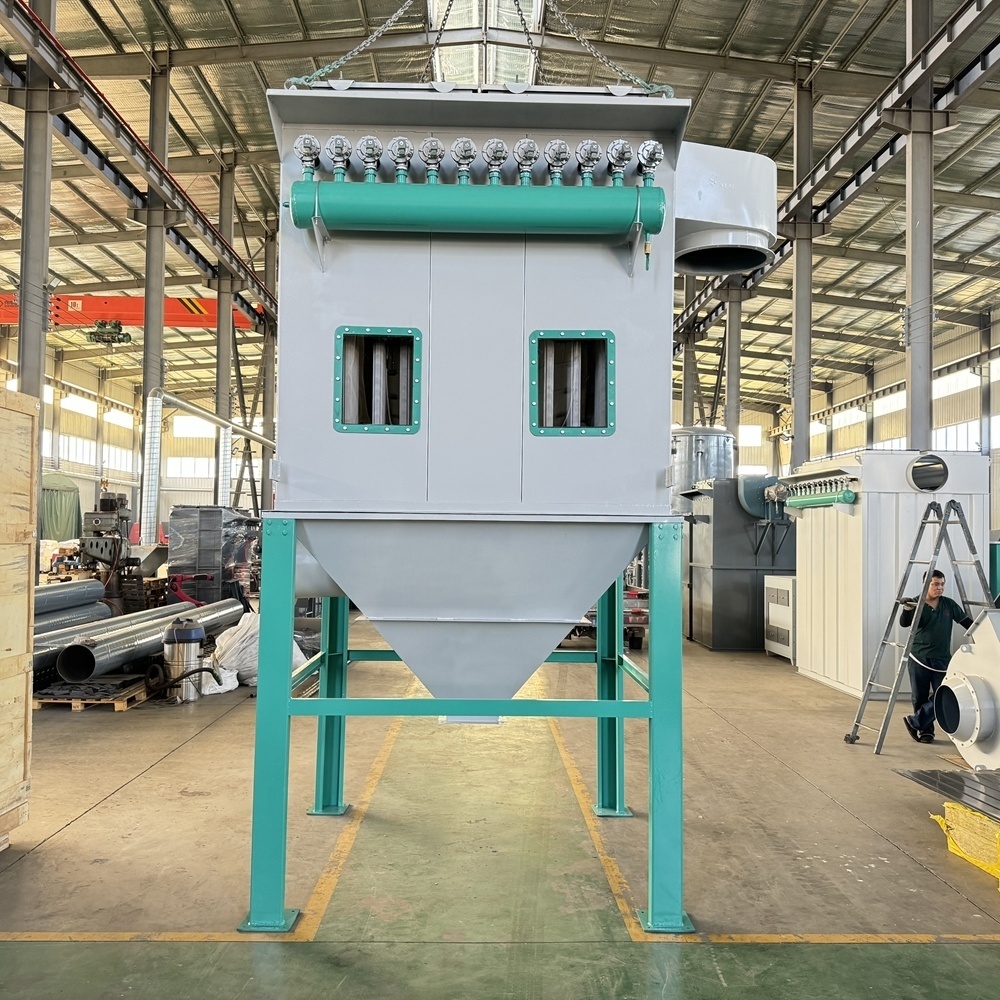
The electrostatic precipitator used in overseas high-temperature factories is often plagued by "high temperature deformation of the electrode plate". Traditional carbon steel electrode plates are prone to softening and bending above 200 ℃, while ordinary stainless steel electrode plates have a temperature resistance of less than 300 ℃ and need to be replaced in just 1-2 years. This not only results in significant downtime losses, but also leads to a sudden drop in dust removal efficiency and excessive emissions.
Oct 15,2025
Industrial dust removal system design: from equipment selection to pipeline layout guide
The design of industrial dust removal systems in overseas factories often results in low overall efficiency and non compliant emissions due to "incorrect equipment selection" and "blocked air in pipelines", and the cost of later renovation exceeds the initial investment.

Oct 14,2025
Overseas factories often make the mistake of "following the wind to select equipment" and "ignoring local standards" when setting industrial dust removal plans - they use ordinary bag equipment for high humidity dust, which meets domestic standards but cannot pass EU testing, and end up reworking and wasting money.

Oct 13,2025
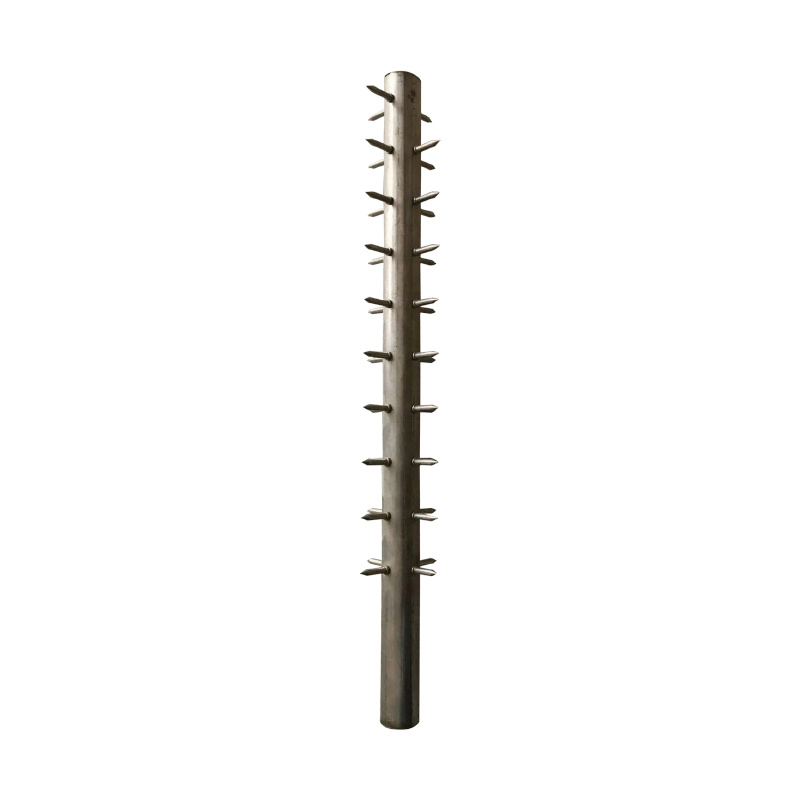
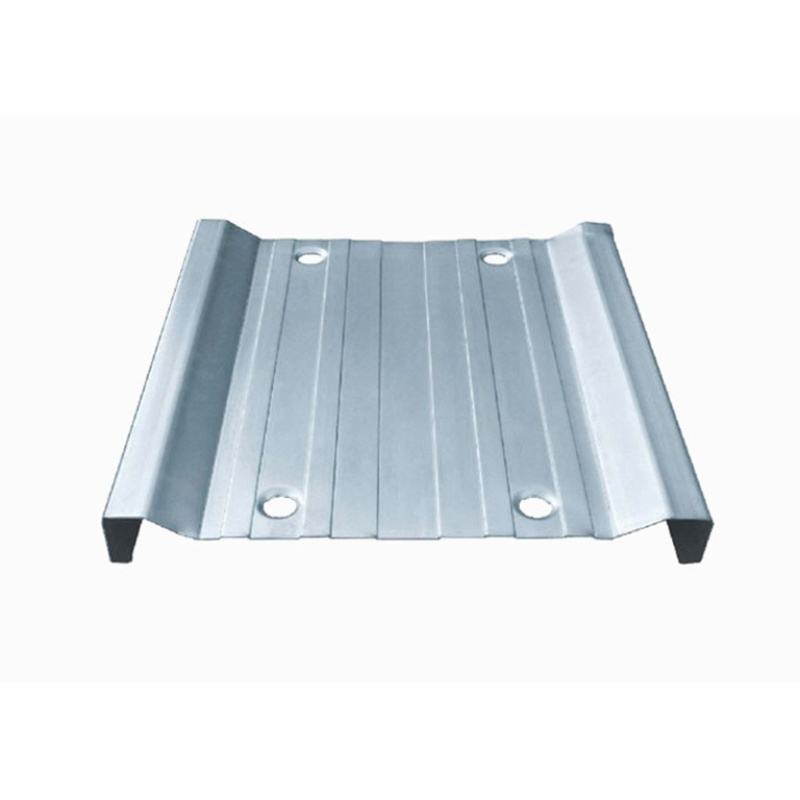
The core of an electrostatic precipitator is to "adsorb dust by static electricity", and whether it can stably generate strong static electricity and form an effective electric field depends on three key parts: the corona electrode, the dust collection electrode, and the high-voltage power supply system.

Oct 11,2025
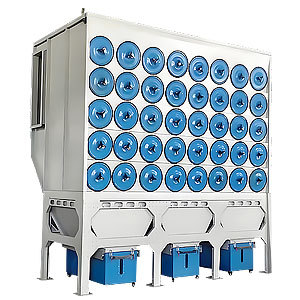
Overseas factories often struggle with how often to replace filter cartridges when using filter cartridges for dust collectors. Early replacement wastes costs, while late replacement leads to decreased suction and excessive emissions.

Oct 10,2025
Selection of filter cartridge dust collector? Airflow and filter material are key factors
Overseas factories often choose filter cartridges for dust collectors due to inaccurate air volume estimation and incorrect selection of filter materials, resulting in low dust removal efficiency and frequent replacement of filter cartridges, which not only wastes costs but also makes it difficult to meet standards.

Oct 09,2025
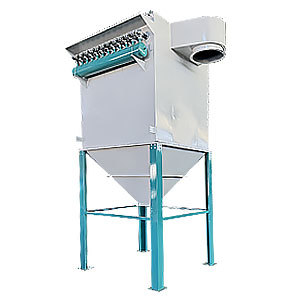
The pulse cyclone dust collector relies on "centrifugal separation+pulse cleaning", which is particularly suitable for coarse dust scenes such as mining, building materials, and chemical industries. If not selected correctly, overseas factories often encounter problems such as "insufficient air volume for suction" and "materials that are not resistant to working conditions and are prone to damage".

Oct 08,2025
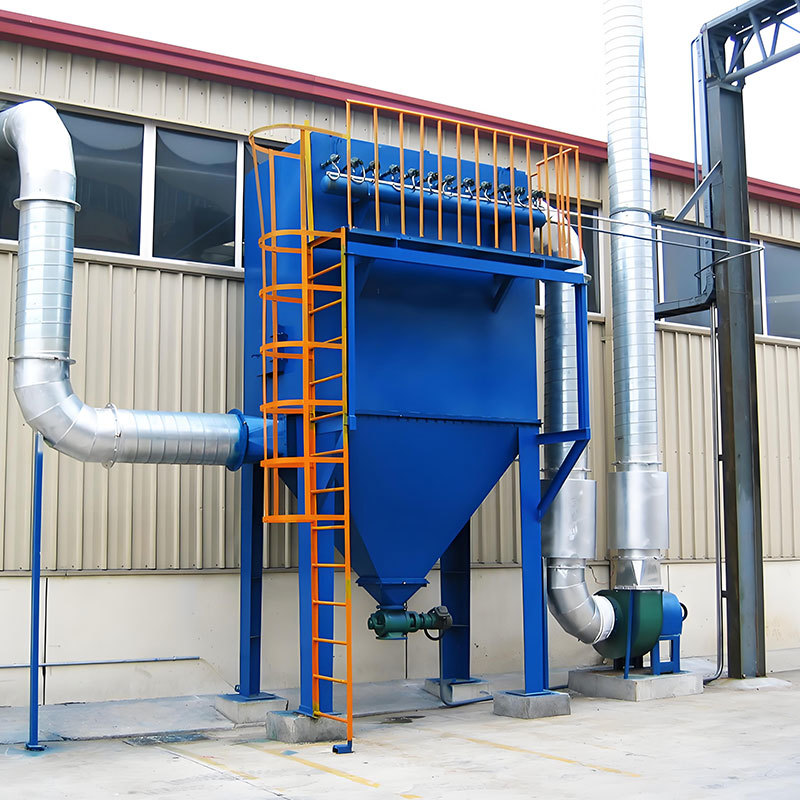
The old dust removal equipment in overseas factories often falls into the dilemma of "blind renovation" - either the parts have been replaced but still do not meet the standards, or the whole machine cost has been spent but the core problem has not been solved.
Oct 07,2025
High humidity and high corrosion workshops are the "hard bones" of industrial dust removal. Ordinary equipment will fail due to rust and blockage after 3-6 months, and not only will it face overseas environmental fines for exceeding dust standards, but it will also have to be replaced frequently.
Contact Us
Tel:
WeChat:
WhatsApp:
E-mail:
Address:
338 National Road South, Longfengdian Village, Botou City, Hebei Province, China


JiuznTomine is expertly delivering technically complicated projects in markets & provides custom solutions for their customized need.


CONTACT INFO
Tel: +86 18531710311
WeChat: +86-18531710311
338 National Road South, Longfengdian Village, Botou City, Hebei Province, China