











Dust removal equipment upgrade: Understanding the principles and transforming, making it easy to meet emission standards
Oct 08,2025

The old dust removal equipment in overseas factories often falls into the dilemma of "blind renovation" - either the parts have been replaced but still do not meet the standards, or the whole machine cost has been spent but the core problem has not been solved. In fact, the key to upgrading dust removal equipment is to "understand the principles first, and then change the core": the dust removal principles of different equipment are different, and the direction of transformation is also different. Focusing on the principle pain points for upgrading can not only save costs, but also easily meet emission standards such as EU CE and US EPA, and adapt to the foreign trade needs of multiple industries such as chemical, metallurgical, and food.
1、 First, understand the principles of three mainstream devices and find the right target for modification
The "core dust removal logic" of different dust removal equipment is different. Before upgrading, it is necessary to clarify the principle in order to avoid "correcting the wrong place":
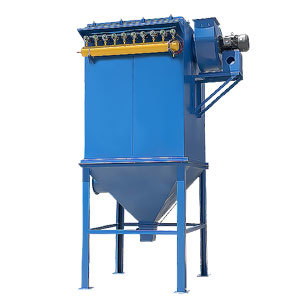
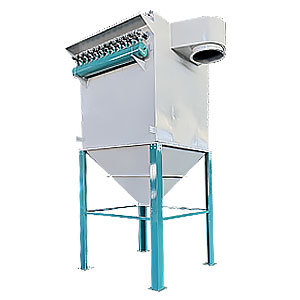
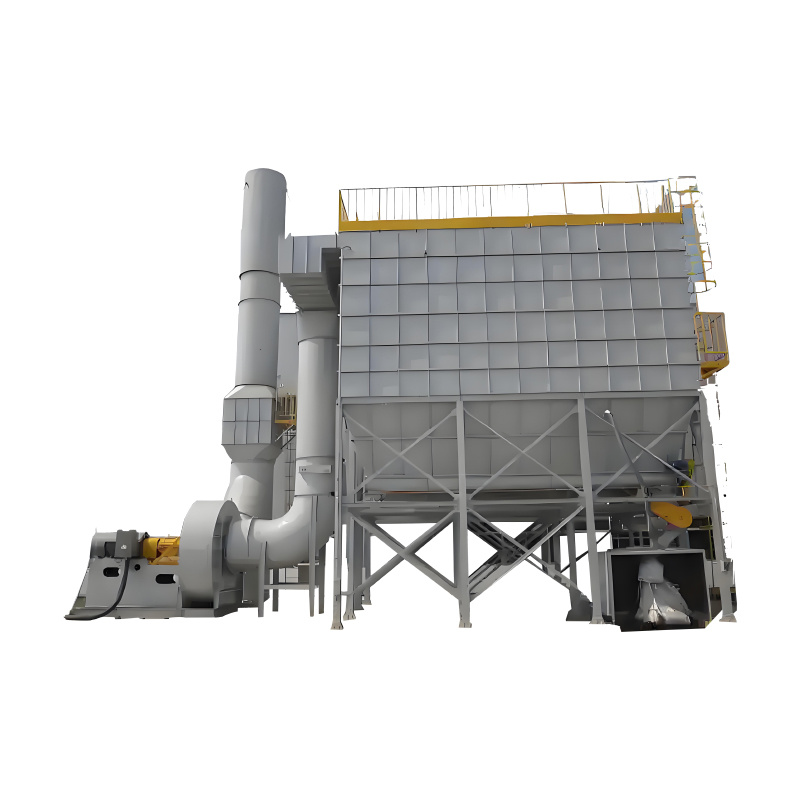
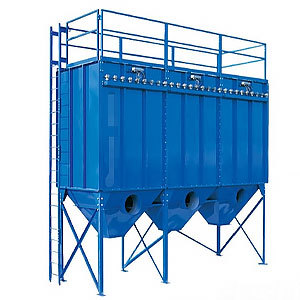
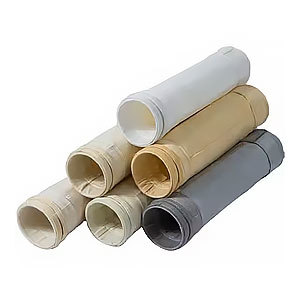
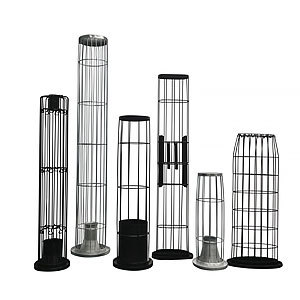
Bag type dust collector: relies on the physical interception of dust by the filter bag, with the pain point of "filter bag blockage and poor dust cleaning". Upgrades focus on the "filter bag+dust cleaning system";
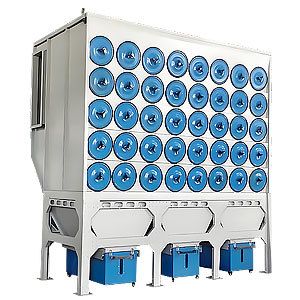
Filter cartridge dust collector: intercepts fine powder with a membrane filter cartridge, with the pain point of "sealing air leakage and fine powder adhesion". Upgraded focus on "filter material+sealing structure";
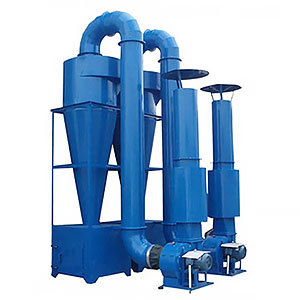
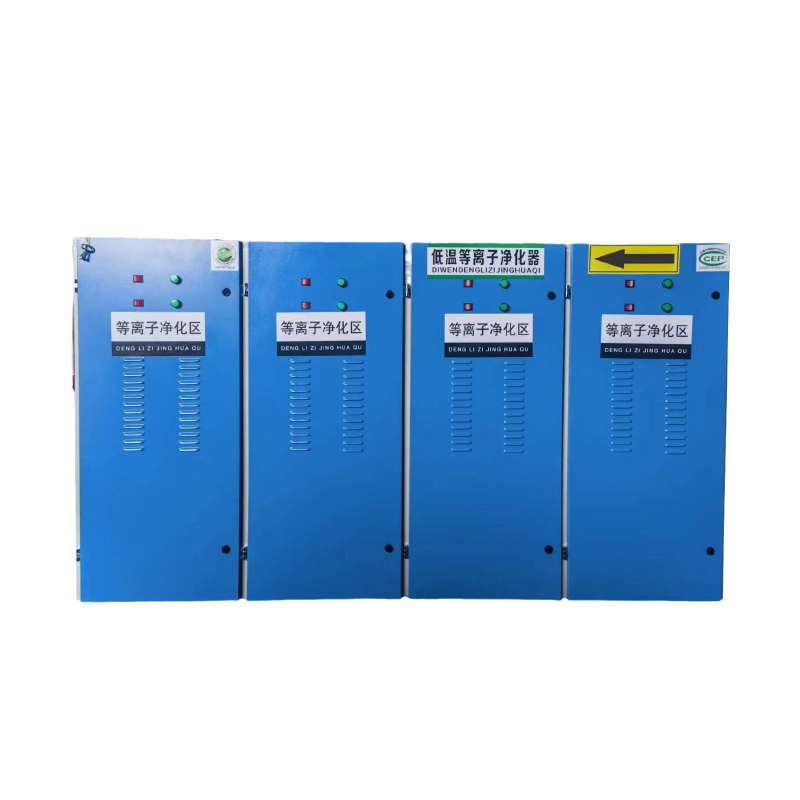
Electrostatic precipitator: It relies on an electric field to adsorb dust. The pain points of the principle are "electrode condensation and unstable electric field". The upgrade is targeted at the "electrode+power supply system".
2、 Develop a renovation plan based on principles, achieve precise standards without waste
1. Bag filter: Upgraded from "interception efficiency" to solve bag blockage and excessive discharge
Principle anchor point: Blockage of filter bags can lead to increased resistance, dust penetration, and excessive emissions.
Three points of core renovation:
Replace the "laminated filter bag": replace the ordinary polyester bag with PTFE laminated bag, increase the fine powder interception rate from 95% to 99.9%, and the dust does not stick to the bag, suitable for fine powder scenes in food and pharmaceutical factories;
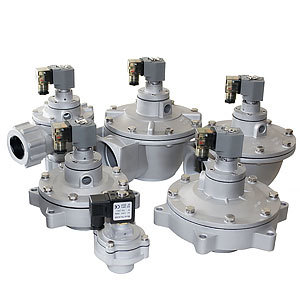
Change to "Intelligent Dust Cleaning": Replace manual dust cleaning with a "Low Voltage Pulse Time Sharing System", automatically adjust the spraying frequency according to the resistance of the filter bag, improve dust cleaning efficiency by 40%, and avoid excessive dust cleaning that may damage the filter bag;
Add an "anti condensation layer": In high humidity areas, insulation cotton should be placed on the shell, and a heating sleeve should be installed on the ash hopper to prevent dust agglomeration and bag blockage caused by water vapor condensation.
2. Filter cartridge dust collector: upgraded from "sealing+fine powder capture" to eliminate air leakage
Principle anchor point: Sealed air leakage will allow unfiltered dust to be directly discharged, and fine powder adhesion will reduce the lifespan of the filter cartridge.
Core transformation 2 points:
Add "double sealing": add food grade silicone rubber pads at the contact between the filter cartridge and the flower plate, and make circular arc seals at the flange, reducing the air leakage rate from 5% to 0.5%, in compliance with FDA standards;
Replace the "anti sticking filter cartridge": Use a "hydrophobic membrane filter cartridge" for high humidity and high viscosity scenarios, which reduces dust adhesion by 60% and quickly reduces resistance after dust cleaning, suitable for high humidity workshops in the Middle East and South America.
3. Electrostatic precipitator: Upgraded from "electric field stability" to solve adsorption failure
Principle anchor point: Electrode condensation and unstable electric field voltage can lead to a decrease in dust adsorption force and excessive emissions.
Core transformation 2 points:
Upgrade "electrode material": replace ordinary carbon steel electrodes with 316L stainless steel+PTFE coating, which is resistant to acid and alkali corrosion, and not easy to condense, suitable for high corrosion scenarios in chemical and metallurgical industries;
Add "intelligent power supply": Replace the fixed voltage power supply with a "wideband pulse power supply", increase the voltage from 60kV to 80kV, increase the electric field strength by 30%, and can stably adsorb even with high dust concentration, with emissions ≤ 10mg/m ³.
3、 Foreign trade adaptation: adapted to global compliance and working conditions after transformation
1. Compliance upgrade: No obstacles to passing the review
European and American markets: After renovation, install an "online dust concentration monitor", which can synchronize data to EPA and CE audit platforms to meet real-time traceability requirements;
Explosion proof scenario: During the renovation of chemical and oil and gas plants, anti-static coatings are applied to the electrodes, and the power supply is ATEX certified, in compliance with EU explosion-proof standards.
2. Regional adaptation: The renovation is not "incompatible with the local environment"
High temperature zone (Middle East): Bag/filter cartridge dust collector with "insulation layer" to avoid high temperature aging of filter materials;
Low temperature zone (Northern Europe): The electrode of the electrostatic precipitator is equipped with a "heat tracing device" to prevent low-temperature condensation and short circuit.
4、 Transformation benefit: Save 60% compared to replacing the whole machine, and recoup the cost in one year
1. Cost saving: The cost of renovating a single device is about 20000 to 50000 US dollars, which is 60% cheaper than replacing the entire machine (100000 to 150000 US dollars);
2. Stable compliance: After renovation, the emission concentration is ≤ 5mg/m ³, easily meeting the global mainstream environmental standards;
3. Extended lifespan: The overall lifespan of the equipment has been extended from 3 years to 5 years, reducing maintenance costs by 30% and saving over $12000 in annual electricity bills.
For overseas factories, upgrading dust removal equipment is not about "dismantling and replacing", but about "grasping the core according to principles" - understanding the "interception logic" of cloth bags to change to filter bag dust removal, and understanding the "adsorption logic" of static electricity to change to electrode power supply. Precise transformation not only saves costs, but also enables old equipment to "rejuvenate and meet standards", perfectly adapting to the dual needs of "compliance+cost reduction" in foreign trade production.
Hot Tags:


Contact Us
Tel:
WeChat:
WhatsApp:
E-mail:
Address:
338 National Road South, Longfengdian Village, Botou City, Hebei Province, China
JiuznTomine is expertly delivering technically complicated projects in markets & provides custom solutions for their customized need.


CONTACT INFO
Tel: +86 18531710311
WeChat: +86-18531710311
338 National Road South, Longfengdian Village, Botou City, Hebei Province, China