

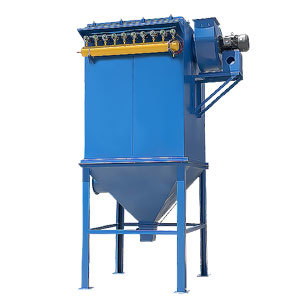
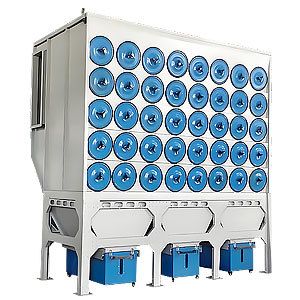
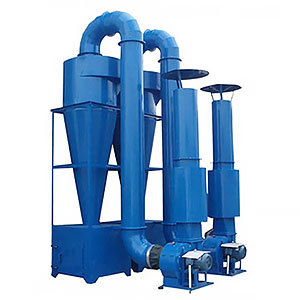

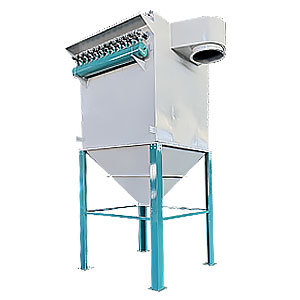
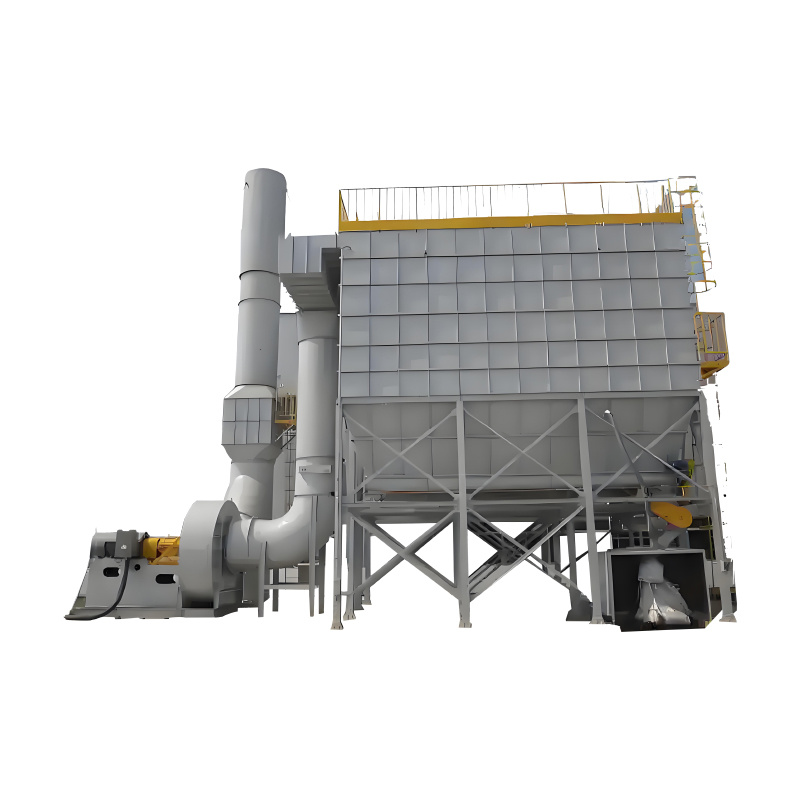
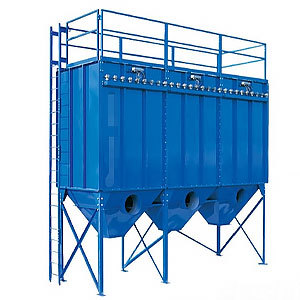
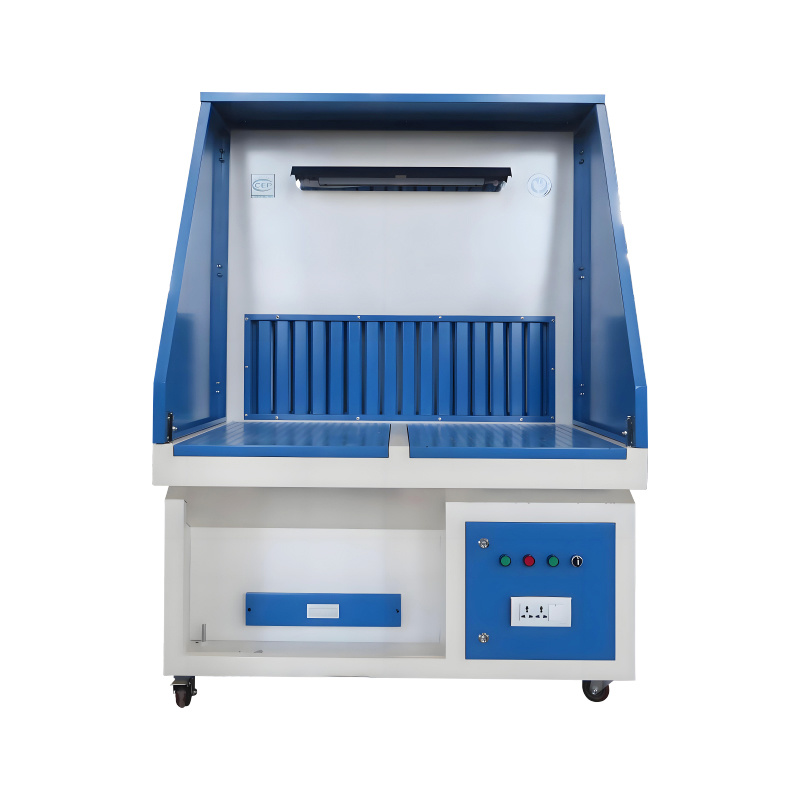
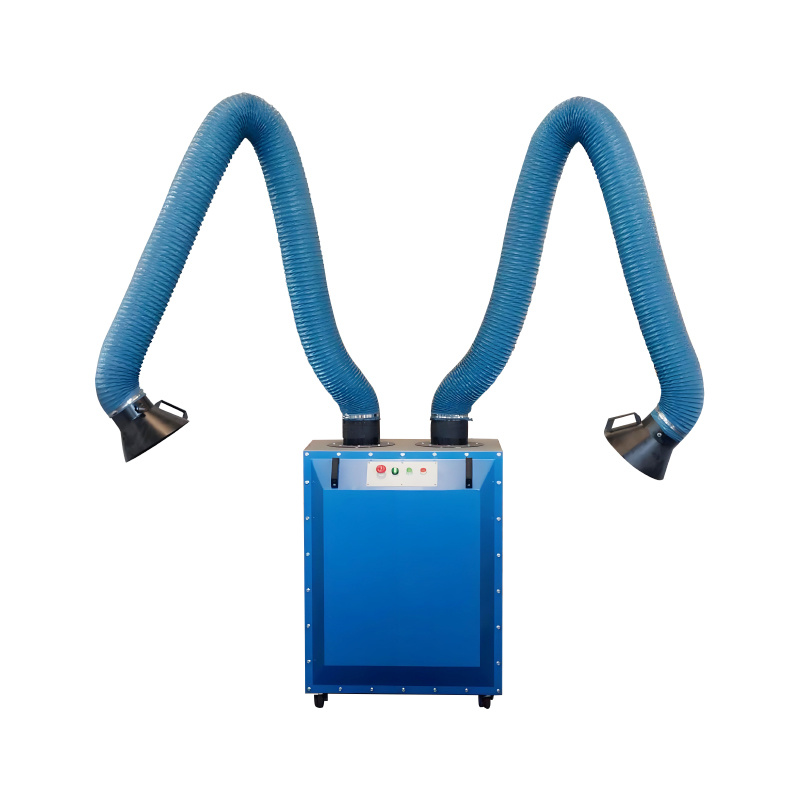









Selection of filter cartridge dust collector? Airflow and filter material are key factors
Oct 10,2025

Overseas factories often choose filter cartridges for dust collectors due to inaccurate air volume estimation and incorrect selection of filter materials, resulting in low dust removal efficiency and frequent replacement of filter cartridges, which not only wastes costs but also makes it difficult to meet standards. In fact, the core of selection lies in two points: matching the air volume with actual needs and adapting the filter material to the working conditions. By grasping these two factors, it can easily adapt to electronic, food, chemical and other scenarios, and meet the EU CE and US EPA standards.
1、 Airflow selection: accurately calculate demand, avoid waste and low efficiency
The air volume is the "power core" of the filter cartridge dust collector. Choosing a small amount cannot absorb dust, while choosing a large amount increases energy consumption. It can be calculated accurately in 3 steps:
1. Calculate the "actual required air volume"
According to the dust generation scenario, there are two types of calculations, with a 10% -20% margin reserved for overload prevention:
Single unit dust point (such as electronic factory welding table): calculated according to "dust point area x wind speed (0.5-1m/s) x 3600", for example: 1 ㎡ welding table selects 1800-3600m ³/h air volume;
High dust production workshop (such as food factory assembly line): Calculated according to "workshop volume x air exchange rate (4-6 times/hour)", for example: a 1000 ㎡, 5m high workshop with an air volume of 20000-3000m ³/h.
2. Avoid "selection errors"
Do not blindly choose 'large': if the air volume exceeds the actual demand by more than 30%, the power consumption of the fan will increase by 25%, and it will also cause turbulence in the air flow of the filter cartridge and shorten its lifespan;
Don't ignore "negative pressure": High altitude areas (such as South American mining workshops) need to choose high negative pressure models to avoid a 15% -20% decrease in air volume caused by low air pressure.
3. Examples of overseas scene adaptation
Southeast Asian small electronics factories: choose compact models with a capacity of 3000-5000m ³/h, which save space and are easy to install;
Large food factories in Europe: choose 15000-25000m ³/h high air volume models, equipped with multiple filter cartridge modules, to meet multi line production needs.
2、 Filter material: Suitable for working conditions, durable and up to standard
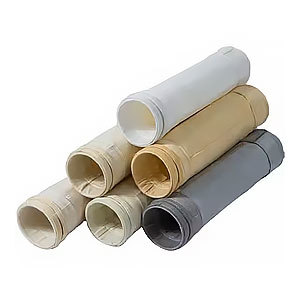
The filter material determines the dust removal efficiency and filter cartridge life. Choose the right material according to "temperature, humidity, and dust characteristics" to avoid replacing the filter cartridge after 3-6 months:
1. Normal temperature drying condition (≤ 80 ℃, humidity<40%)
Scenario: Plastic dust from electronic factories, sawdust from furniture factories;
Filter material: Polyester (PET) film filter material, dust capture rate of 99.5%, low cost, suitable for normal temperature workshops in North America and Europe, in compliance with RoHS standards.
2. Medium to high temperature conditions (80-150 ℃)
Scenario: Middle Eastern plastic granulation plant, Indian chemical reactor;
Filter material: Polypropylene (PP) high-temperature resistant filter material, temperature stable and non softening, with a filter cartridge life extended to 8-12 months, meeting the high temperature requirements of EU EN 13285.
3. High humidity and high viscosity working conditions (humidity>60%)
Scenario: Southeast Asian rubber factories, Nordic paper mills;
Filter material: PTFE coated hydrophobic filter material, with a 70% decrease in dust adhesion, does not clump and is easy to clean, avoiding filter cartridge blockage and failure due to moisture.
4. Corrosion/hygiene grade working conditions
Scenario: Chemical containing acid and alkali dust, food factory flour;
Filter media: 316L stainless steel mesh+PTFE coating (corrosion scenario), food grade PET filter media (food scenario). The former is resistant to pH 2-12 corrosion, while the latter meets FDA standards and has no harmful substance migration.
3、 Foreign trade selection bonus: Adapting to global demand
1. Compliance certification: Select models with CE and UL certification in the European and American markets, provide SGS testing reports for filter media, and have unobstructed customs clearance;
2. Regional customization: High humidity areas with built-in dehumidification modules, and low-temperature areas (such as Northern Europe) with insulation cotton on the shell to prevent condensation on the filter cartridge;
3. Installation and adaptation: Provide a detachable filter cartridge module and a multilingual installation manual. Overseas technicians can replace the filter cartridge in 1 hour, reducing maintenance costs.
For overseas factories, the selection of filter cartridges and dust collectors does not require complex calculations. By focusing on the core of "air volume matching scenario+filter material fitting working condition", the waste of "buying the wrong one and reworking" can be avoided, making the equipment efficient in dust removal, durable and cost-effective, and perfectly adapting to the "compliance+cost reduction" needs of foreign trade production.
Hot Tags:


Contact Us
Tel:
WeChat:
WhatsApp:
E-mail:
Address:
338 National Road South, Longfengdian Village, Botou City, Hebei Province, China
JiuznTomine is expertly delivering technically complicated projects in markets & provides custom solutions for their customized need.


CONTACT INFO
Tel: +86 18531710311
WeChat: +86-18531710311
338 National Road South, Longfengdian Village, Botou City, Hebei Province, China