












How to choose suitable industrial dust removal equipment for different dust conditions
Jun 10,2026

There is no universal model of industrial dust removal equipment that can adapt to all working conditions. The differences in dust temperature, humidity, viscosity, particle size, corrosiveness, and flammable and explosive properties are the core criteria for determining equipment selection. Incorrect selection can easily lead to equipment blockage, high energy consumption, rapid consumption of consumables, and non compliant emissions. This article objectively summarizes the selection logic of corresponding dust removal equipment based on common industrial dust conditions, providing standardized references for factory renovation, project matching, and foreign trade procurement.
1、 Normal temperature, dry, and ordinary dust working conditions
Working condition characteristics: Dry dust, non sticky, non corrosive, temperature below 130 ℃, mainly composed of medium and fine particle dust, commonly used in mechanical polishing, stone crushing, building materials processing, grain processing and other scenarios.
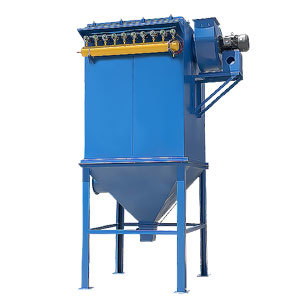
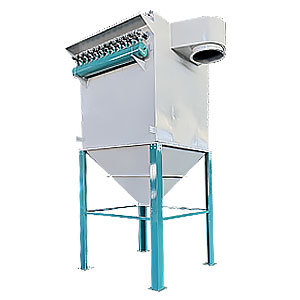
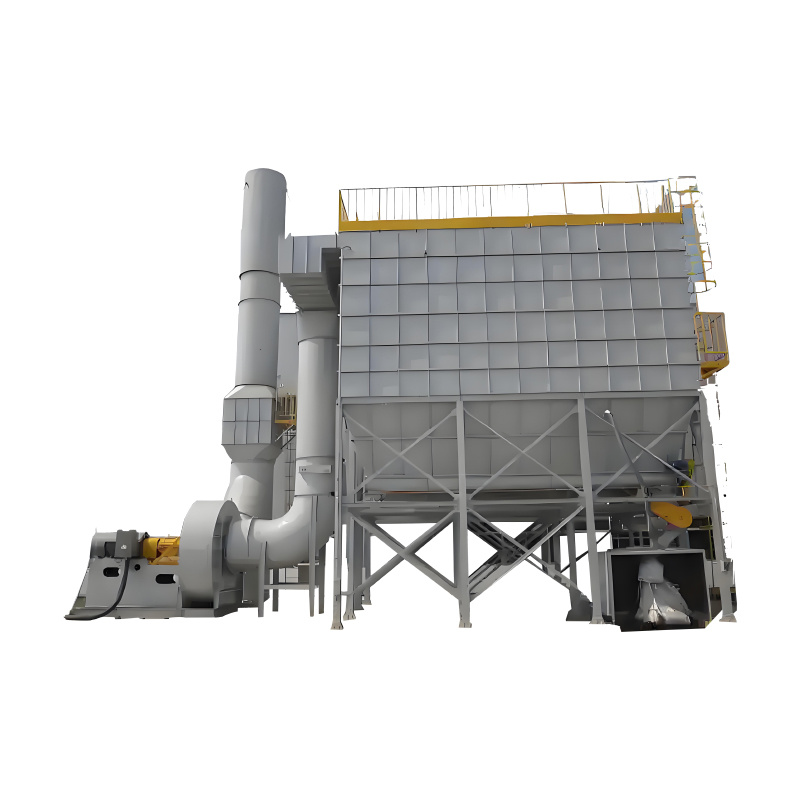
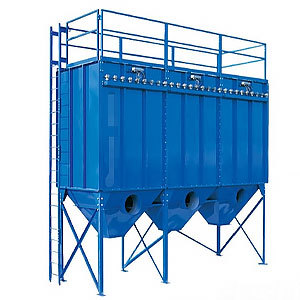
Adaptation equipment: Pulse bag dust collector
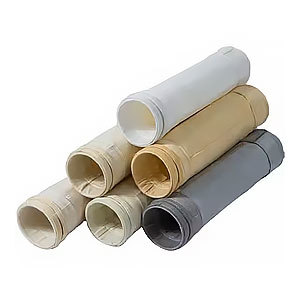
This equipment is suitable for the vast majority of conventional dry dust, with a stable dust removal efficiency of over 99.5%. It can operate continuously for a long time and has low maintenance costs. It is the most versatile and widely used industrial dust removal equipment in the market. By replacing different filter media, it can adapt to most ordinary standard emission requirements.

2、 Workshop fine dust and point based dust production conditions
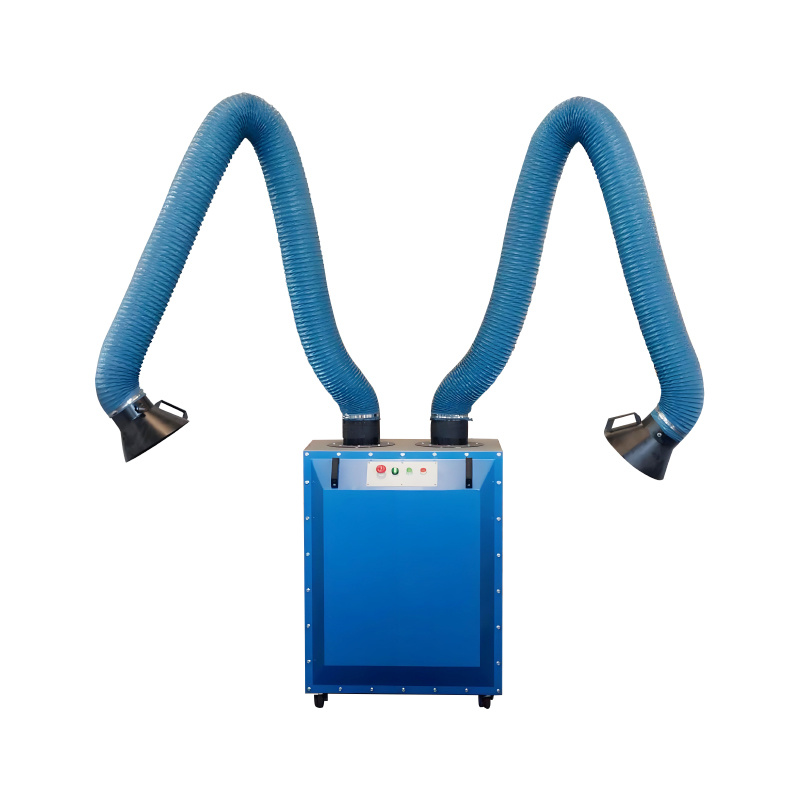
Working condition characteristics: scattered dust generation points, low air volume, fine dust, no high temperature or high humidity, limited workshop space, such as welding fumes, small polishing, and powder feeding processing.
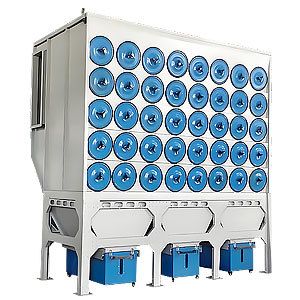
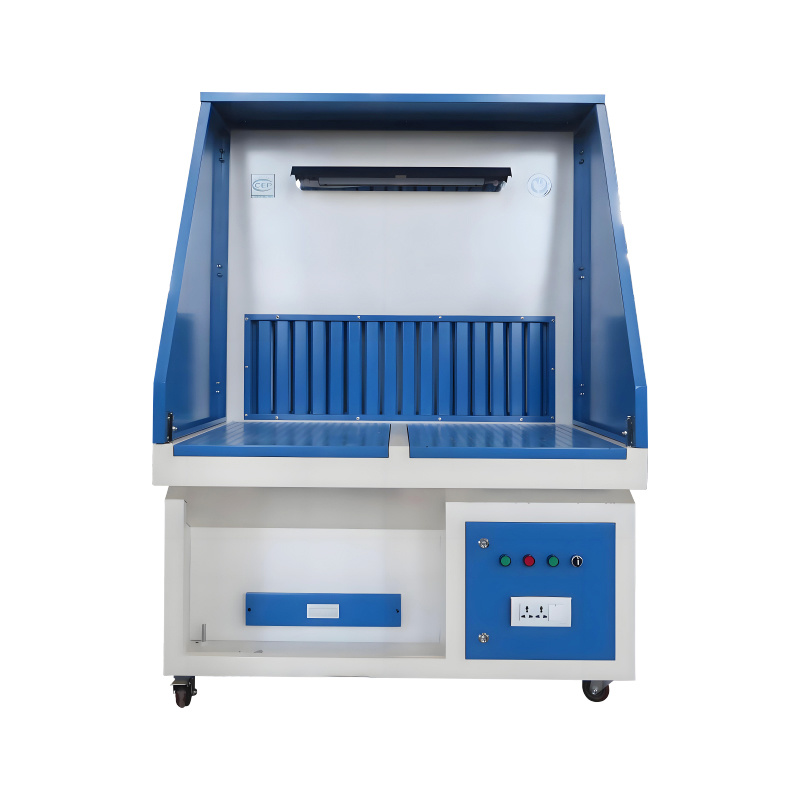
Adaptation equipment: filter cartridge dust collector
The equipment has a compact structure, small footprint, and flexible installation. The pleated filter cartridge has a large filtration area and excellent interception effect on fine dust. Modular design supports adding or removing processing units as needed, suitable for local dust removal and treatment of scattered pollution sources in workshops.
3、 High temperature and high air volume kiln flue gas dust working conditions
Working condition characteristics: high flue gas temperature, large air volume, complex dust composition, high requirements for continuous and stable operation, commonly seen in heavy industries such as cement kilns, metallurgical sintering, thermal power, and waste incineration.
Suitable equipment: High temperature bag filter/electrostatic precipitator
The high-temperature bag filter, combined with PPS, PTFE, and fiberglass heat-resistant filter materials, can stably treat high-temperature flue gas ranging from 200 ℃ to 280 ℃, meeting ultra-low emission requirements; Electrostatic precipitators are suitable for high air flow conditions, with low operating resistance and no filter consumables, making them suitable for long-term use in large heavy industry production lines.
4、 Working conditions with high humidity, viscosity, and oily dust
Characteristics of working conditions: Dust has strong moisture absorption, high viscosity, and contains oil fume and water mist. Dry dust removal is prone to problems such as bag blockage and sticking of filter materials. It is commonly used in industries such as heat treatment, asphalt processing, spraying, and food drying.
Suitable equipment: wet dust collector/wet electrostatic precipitator
Using the principle of water washing and coagulation to capture dust, there is no problem of filter material blockage, and it can simultaneously process dust, oil mist, and water vapor aerosols. It is suitable for various dry wet mixed waste gas treatment scenarios, with stable operation and strong adaptability.
5、 Working conditions of flue gas containing acidic and alkaline corrosive dust
Working condition characteristics: The flue gas contains acidic and alkaline media, and the dust is corrosive. Ordinary carbon steel equipment and conventional filter media are prone to aging and failure, which are commonly seen in chemical, electroplating, pharmaceutical, and desulfurization tail gas treatment.
Suitable equipment: anti-corrosion bag filter, wet electrostatic precipitator
The equipment adopts stainless steel shell or overall anti-corrosion treatment, combined with acid and alkali resistant special filter material, which can withstand corrosive flue gas for a long time, synchronously remove fine dust and acid mist, and adapt to strict chemical exhaust emission standards.

6、 Flammable and explosive dust working conditions
Characteristics of working conditions: Aluminum powder, magnesium powder, starch, wood chips, plastic powder, etc. When the dust concentration reaches a critical value, it is prone to explosion risk and requires extremely high requirements for the explosion-proof structure of the equipment.
Suitable equipment: Explosion proof bag/filter cartridge dust collector
The equipment is equipped with anti-static filter materials, explosion-proof pressure relief devices, explosion-proof structures, and spark detection systems as standard, which structurally avoid dust explosion hazards and balance dust removal efficiency with safety production standards.
7、 Pre working condition of high concentration coarse dust
Characteristics of working conditions: high dust concentration, high proportion of large particles, direct entry into precision dust removal equipment will accelerate the wear of consumables, commonly seen in mining crushing, sand and gravel aggregates, and material transportation.
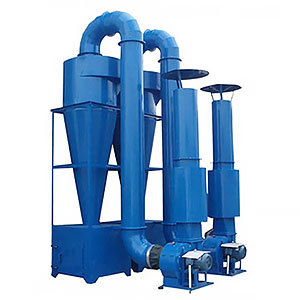
Adaptation equipment: Cyclone dust collector (pre treated)
Mainly used for front-end coarse dust separation, removing most large particle dust, reducing the operating load of back-end bag and electrostatic precipitator equipment, effectively reducing consumable losses, and improving the stability of the entire system.
The core principle for selecting industrial dust removal equipment is "prioritizing working conditions and matching parameters". For ordinary dry dust, bag dust removal is preferred; Workshop fine dust and limited site use filter cartridges for dust removal; High temperature and high air volume heavy industry flue gas should be treated with high-temperature cloth bags or electrostatic precipitators; For special working conditions such as humidity, viscosity, corrosion, and explosion, wet, anti-corrosion, and explosion-proof specialized equipment should be used accordingly; High concentration coarse dust requires a cyclone pretreatment system. Accurate matching of operating conditions is necessary to ensure long-term compliance, low consumption, and stable operation of equipment.
Hot Tags:

Contact Us
Tel:
WeChat:
WhatsApp:
E-mail:
Address:
338 National Road South, Longfengdian Village, Botou City, Hebei Province, China
JiuznTomine is expertly delivering technically complicated projects in markets & provides custom solutions for their customized need.


CONTACT INFO
Tel: +86 18531710311
WeChat: +86-18531710311
338 National Road South, Longfengdian Village, Botou City, Hebei Province, China