











Electrostatic precipitator: The three key parts that generate static electricity determine the dust removal efficiency
Oct 13,2025

The core of an electrostatic precipitator is to "adsorb dust by static electricity", and whether it can stably generate strong static electricity and form an effective electric field depends on three key parts: the corona electrode, the dust collection electrode, and the high-voltage power supply system. For overseas factories, understanding the functions and adaptation points of these three major parts can not only avoid excessive emissions caused by component failure, but also provide targeted maintenance to extend equipment life and easily adapt to compliance requirements such as EU CE and US EPA.
1、 Corona electrode (cathode): the "source" of static electricity generation, responsible for releasing charges
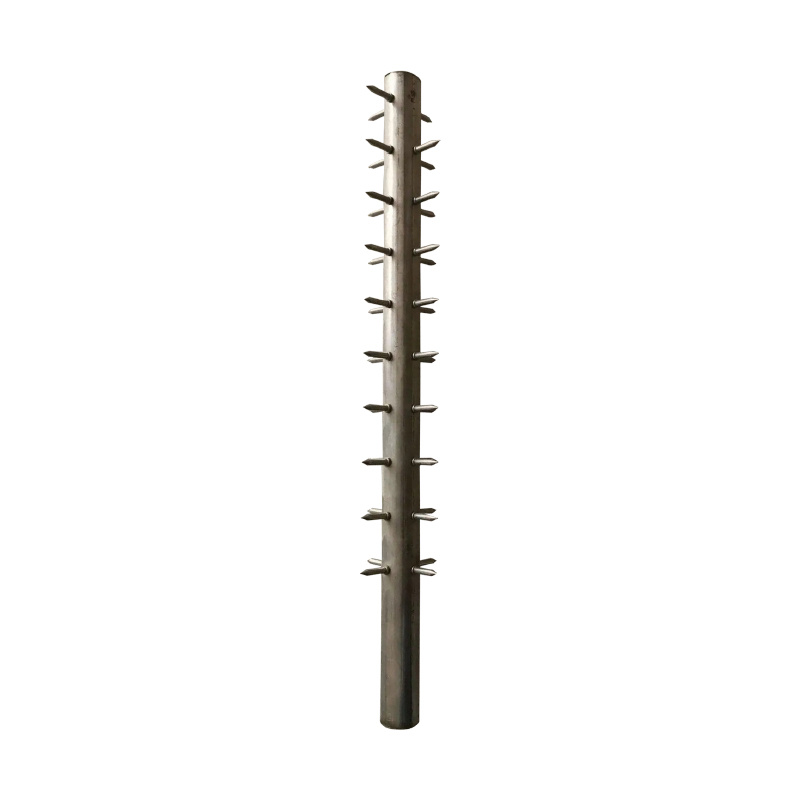
The corona electrode is the "charge emission end" of the electrostatic precipitator. Through high-voltage corona discharge, it ionizes the surrounding air to generate static electricity, which is the first step in charging dust. Its design directly affects the static electricity strength.
1. Core role
After applying high-voltage direct current (usually 60-80kV), a strong electric field is formed at the tip of the corona electrode, which ionizes air molecules into positive and negative charges. The negative charges are adsorbed by dust particles, making the dust negatively charged and preparing for subsequent adsorption.
2. Structural and material adaptation (key focus for overseas working conditions)
Shape design: commonly used "spike wire" or "star wire", with a stronger electric field at the tip of the spike wire, suitable for high dust concentration scenarios; Star shaped discharge is more uniform and suitable for low dust and corrosion conditions in chemical industry.
Material selection:
Room temperature drying scenario (such as electronic factory dust): Choose ordinary carbon steel wire for low cost;
High temperature corrosion scenarios (such as power plant fly ash, chemical sulfur-containing flue gas): Use 316L stainless steel wire or nickel alloy wire, resistant to 300 ℃ high temperature and acid alkali corrosion, to avoid electrode breakage due to corrosion within 6-12 months;
High humidity scenarios (such as Southeast Asian paper mills): The wire body is coated with Teflon to prevent condensation and short circuits, and maintain stable discharge.
2、 Dust collector (anode): a "carrier" for electrostatic adsorption, responsible for capturing dust
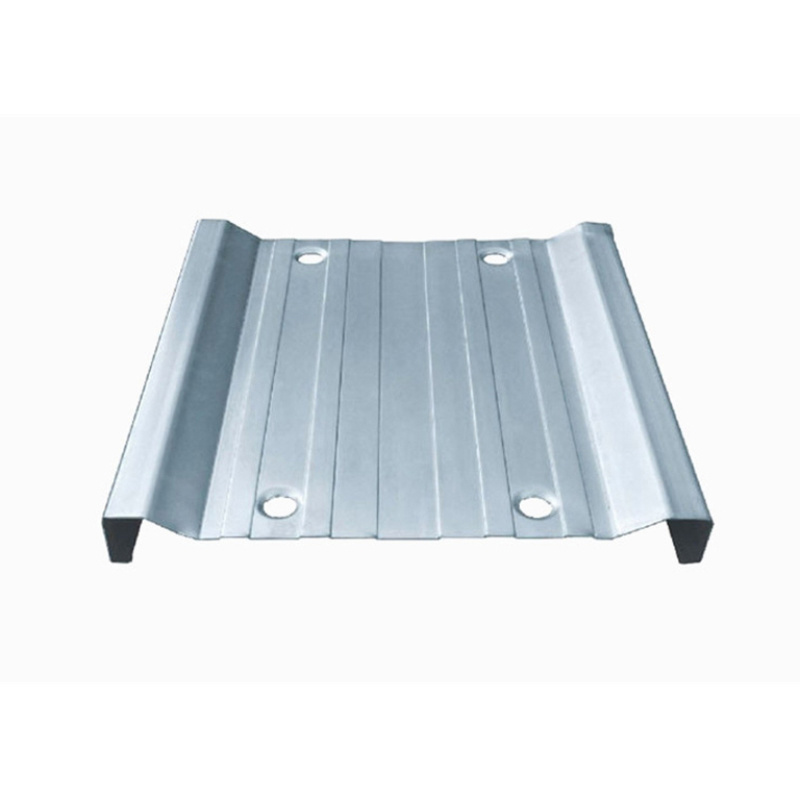
The dust collector is an "adsorption target" for negatively charged dust, which forms a positive and negative electric field with the corona electrode. After the dust is adsorbed, it falls into the ash hopper through cleaning, and is the "core capture area" of electrostatic precipitator.
1. Core role
As the positive electrode, it forms a uniform electric field with the corona electrode (negative electrode), and the negatively charged dust moves towards the dust collection electrode under the action of the electric field force, ultimately adhering to the surface of the electrode plate, achieving the separation of dust and smoke.
2. Structural and material compatibility (meeting overseas needs)
Structural design: mostly "plate" or "tube", plate dust collection is extremely clean and convenient, suitable for high air volume scenarios; Tube type dust collection is highly corrosion-resistant and suitable for high corrosion flue gas in chemical industry.
Material selection:
Normal working conditions (such as cement dust in building materials factories): Q235 carbon steel electrode plate, surface sprayed with anti-corrosion paint;
Strong corrosion conditions (such as chloride dust in electroplating plants): Full 316L stainless steel plates, or plates with ceramic lining, resistant to pH2-12 corrosion, with a lifespan extended to 5-8 years;
High humidity scenarios (such as high humidity dust in Nordic food factories): The electrode plate is equipped with a heat tracing device, and the temperature is maintained at 5-10 ℃ above the dew point to prevent dust adhesion and agglomeration, and to avoid adsorption failure.
3、 High voltage power supply system: an electrostatic "energy station" that maintains electric field stability
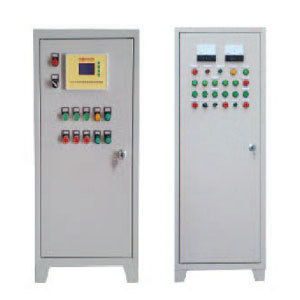
Without stable high voltage electricity, the corona electrode cannot generate corona discharge, and the dust collector cannot form an effective electric field. The high voltage power supply system is the "energy core" of static electricity generation, which determines the strength of the electric field and the stability of dust removal.
1. Core role
Convert AC power into DC high voltage power, accurately deliver it to the corona electrode, and automatically adjust the voltage according to the concentration of smoke and dust to avoid electric field breakdown and short circuit.
2. Types and adaptation scenarios (key focus of foreign trade compliance)
Conventional power supply: High voltage power supply, suitable for normal temperature and low dust scenarios, with low cost;
Intelligent power supply: Broadband pulse power supply, strong anti-interference ability, suitable for high dust and high humidity scenarios, even if the dust concentration fluctuates greatly, it can discharge stably, and the dust capture rate reaches over 98%;
Explosion proof power supply: ATEX certified explosion-proof power supply, suitable for explosion-proof scenarios such as oil and gas chemical and pharmaceutical factories, in compliance with the EU EN 13463-1 standard, to avoid safety accidents caused by static electricity.
4、 Key parts maintenance: stabilize static electricity, reduce rework in overseas factories
For overseas customers, maintaining these three major parts can reduce 80% of static electricity failure problems:
1. Corona electrode: Check the wire body for looseness and rust every month, and clean the wire body for condensation every quarter in high humidity scenarios to avoid uneven discharge;
2. Dust collection electrode: Regularly check whether the electrode plate is deformed, avoid electrode wear during dust cleaning, and prevent the electric field gap from increasing;
3. High voltage power supply system: Monthly voltage stability checks are conducted, and cooling fans are added to the power cabinet in high-temperature areas to avoid overload tripping.
Summary: Proper selection and maintenance of key components ensure stable and compliant electrostatic dust removal
For customers such as overseas power plants, steel plants, chemical parks, etc., the "static electricity generation capacity" of electrostatic precipitators directly determines whether they meet the standards. The corona electrode is selected with materials that are resistant to working conditions, the dust collector is well protected against corrosion and condensation, and the high-voltage power supply is suitable for the scene. With simple maintenance, it can generate static electricity stably for a long time, making dust emissions ≤ 10mg/m ³. It can easily pass global environmental compliance, reduce equipment failures, and lower operation and maintenance costs.
Hot Tags:


Contact Us
Tel:
WeChat:
WhatsApp:
E-mail:
Address:
338 National Road South, Longfengdian Village, Botou City, Hebei Province, China
JiuznTomine is expertly delivering technically complicated projects in markets & provides custom solutions for their customized need.


CONTACT INFO
Tel: +86 18531710311
WeChat: +86-18531710311
338 National Road South, Longfengdian Village, Botou City, Hebei Province, China