


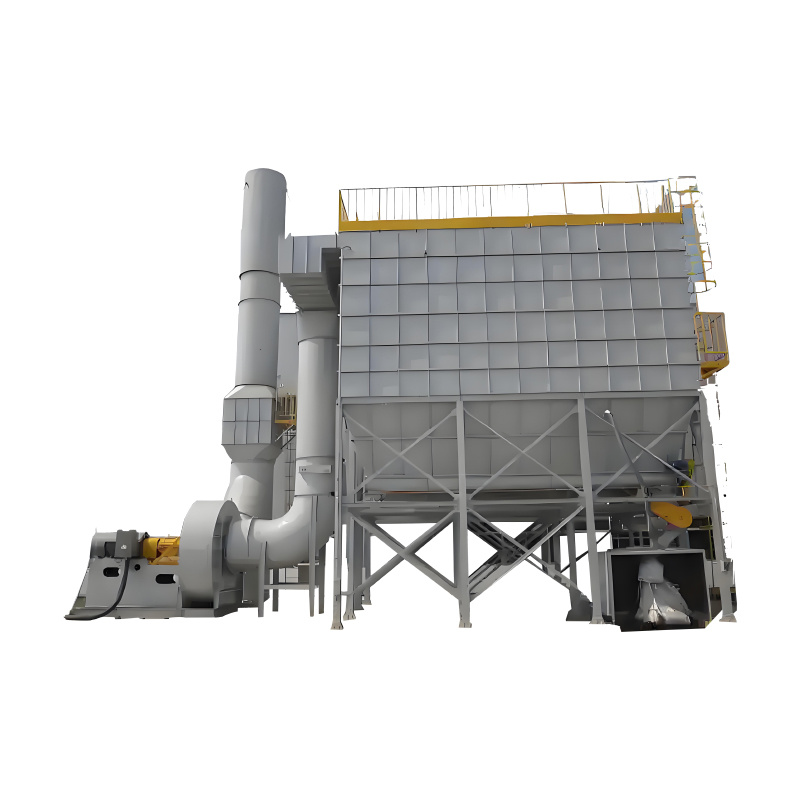
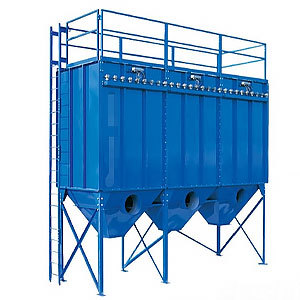
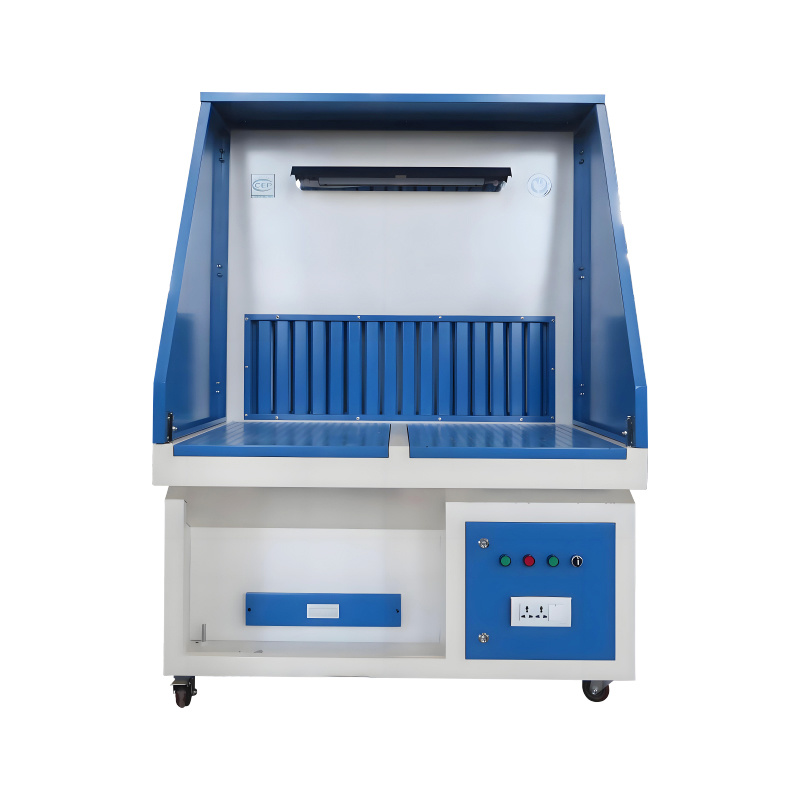
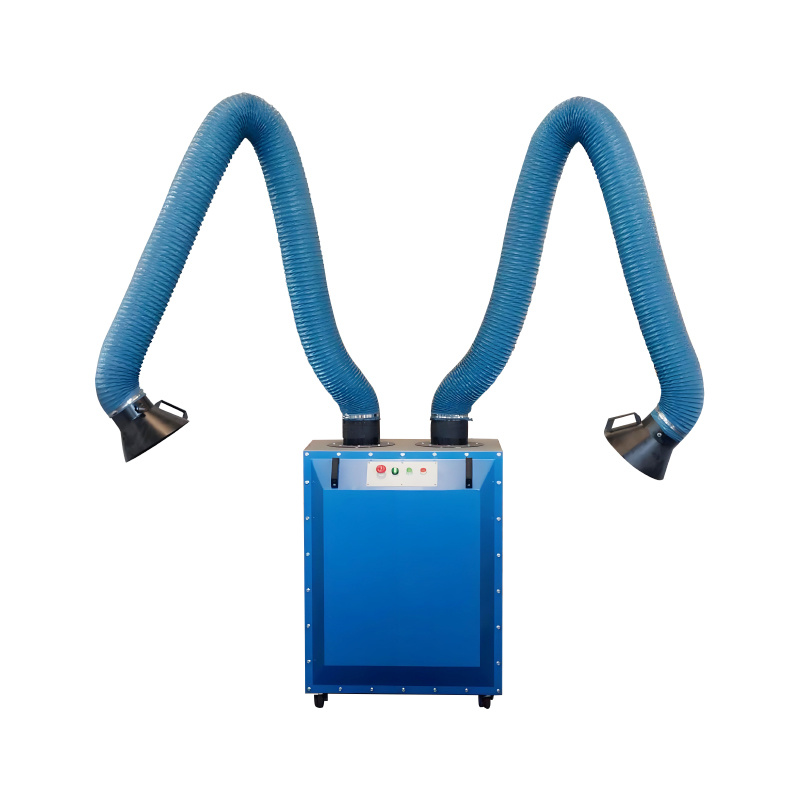










How to determine the industrial dust removal plan? First, let's take a look at the dust characteristics and emission standards
Oct 14,2025

Overseas factories often make the mistake of "following the wind to select equipment" and "ignoring local standards" when setting industrial dust removal plans - they use ordinary bag equipment for high humidity dust, which meets domestic standards but cannot pass EU testing, and end up reworking and wasting money. In fact, the core of formulating a plan consists of two steps: first, understanding the characteristics of dust, and then aligning with local emission standards. By accurately matching these two points, it can ensure compliance and save costs, and adapt to the foreign trade needs of multiple industries such as chemical, metallurgical, and food.
1、 Step 1: Disassemble the characteristics of dust and find the right "processing target"
The "particle size, temperature and humidity, corrosiveness, and concentration" of dust directly determine which technical route should be used, which is the "basic anchor point" of the solution. If one step is wrong, everything will be lost.
1. Checking particle size: coarse dust and fine dust, with vastly different processing logic
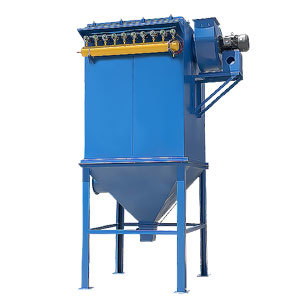
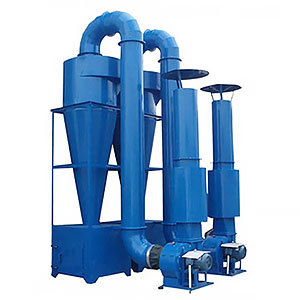
Coarse dust (particle size>10 μ m): such as mining crushed stone powder and building materials cement slag, can be separated by "centrifugal separation", using cyclone dust collectors or pulse cyclone combinations, without the need for expensive filter materials, suitable for low-cost needs of mines in the Middle East and Africa;
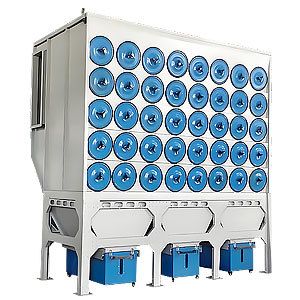
Medium fine dust (0.5-10 μ m): such as welding fumes from electronic factories and sawdust from furniture factories, "filter material interception" is required. A filter cartridge dust collector (coated filter material) is selected, with a capture rate of 99.9%, which meets the high-precision requirements of European and American electronic factories;
Sub micron dust (<0.5 μ m): such as pharmaceutical powder and food mill flour, require "electric field adsorption+film interception", choose electrostatic precipitator or PTFE film bag filter, meet hygiene standards such as FDA and GMP.
2. Check temperature and humidity: High humidity and high temperature require targeted protection
Room temperature drying (≤ 80 ℃, humidity<40%): ordinary polyester cloth bags and polyester filter cartridges are sufficient, with low cost and easy maintenance, suitable for North American electronics factories and European furniture factories;
Medium high temperature (80-200 ℃): Choose PPS filter bags and high-temperature resistant electrostatic precipitators to prevent filter material melting and equipment deformation, suitable for Indian metallurgical plants and Middle Eastern chemical workshops;
High humidity (humidity>60%): Use plastic fired plate dust collectors or bag equipment with heat tracing to avoid dust agglomeration and equipment blockage, suitable for Southeast Asian rubber factories and Nordic paper mills.
3. Check corrosiveness: Acid alkali dust, wrong material selection, scrapped after six months
Mild corrosion (such as acidic fruit powder in food factories): The equipment casing is made of 304 stainless steel, and the filter material is made of acid resistant polyester, which meets FDA standards;
Moderate corrosion (such as chloride dust in electroplating plants): replace the core components with 316L stainless steel, use PTFE material for filter bags, and resist pH 2-12 acid and alkali;
Severe corrosion (such as fluoride dust in chemical factories): The entire equipment is made of perfluoroplastic (F46), with electrodes and gaskets coated with anti-corrosion coating, with a lifespan of 5-8 years.
4. Check concentration: high concentration, low concentration, equipment load should be matched
Low concentration (<5g/m ³): A single filter cartridge/bag filter is sufficient, such as in electronic factory welding smoke treatment;
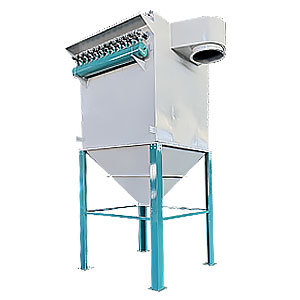
High concentration (>15g/m ³): A combination of "pretreatment+main treatment" is required. For example, in mines, the cyclone dust collector (coarse separation) is used first, and then the bag filter (fine separation) is used to avoid rapid blockage of the main equipment.
2、 Step 2: Align emission standards and avoid compliance traps
The core risk of foreign trade schemes is "non-compliance with standards", as emission limits and testing requirements vary greatly in different regions, and must be anchored in advance to avoid customs clearance obstacles or fines.
1. European and American markets: strict standards+full traceability
Emission limits: EU EN 13285 requires particulate matter emissions to be ≤ 10mg/m ³ (some industries ≤ 5mg/m ³), while US EPA Title V requires ≤ 5mg/m ³;
Compliance points: The equipment must have CE and UL certification, and be equipped with an online dust concentration monitor. The data can be uploaded to the local environmental platform in real time to meet EcoVadis audit requirements;
Special scenarios: Chemical and oil and gas plants require ATEX explosion-proof certification, while food plants require FDA food grade material certification.
2. Emerging markets in Southeast Asia/South America: basic standards+cost balance
Emission limit: Most countries refer to WHO standards, with particulate matter emissions ≤ 30mg/m ³ (some key cities ≤ 15mg/m ³);
Compliance points: Provide third-party testing reports, equipment does not need to be excessively upgraded, and the core dust removal module can be retained to control costs;
Adaptation suggestion: Plastic fired plate dust collectors should be preferred in high humidity areas to avoid frequent maintenance and reduce the operational pressure on local teams.
3. Middle East/Africa markets: weather resistance+easy operation
Emission limits: Some countries refer to the old EU standards, with emissions ≤ 50mg/m ³, and key industrial areas ≤ 20mg/m ³;
Compliance points: The equipment should be resistant to high temperatures and sandstorms, simplify the control system, and adapt to the operational level of local technicians;
Certification requirements: Some countries require COC customs clearance certification and prepare material testing reports in advance.
3、 Three step plan implementation: from analysis to implementation, without stepping on pitfalls
1. First, conduct testing: entrust a local third-party organization to measure the particle size, concentration, temperature and humidity, and corrosiveness of the dust, obtain a data report, and avoid "judging based on experience";
2. Re matching: Derive in reverse according to "dust characteristics → equipment type → emission standards → certification requirements", for example, Southeast Asian high humidity and high concentration rubber dust: cyclone (pretreatment)+plastic fired plate dust collector (main treatment), equipped with online monitoring instrument (standard traceability);
3. Post customization: Adjust according to regional conditions, such as adding insulation layers in the Middle East, adding heat tracing devices in Northern Europe, and stainless steel shells for food factories, to ensure that the equipment can be used immediately upon landing.
Summary: Characteristics determine technology, standards determine boundaries
For overseas factories, dust removal solutions are not about "selecting equipment", but about "finding matches". Dust characteristics determine what technology should be used, and emission standards determine what precision should be achieved. By first understanding these two points and then making adjustments based on regional conditions, a "compliant+efficient+low-cost" solution can be developed to avoid rework and waste, and easily meet the dust removal needs of the global market.
Hot Tags:


Contact Us
Tel:
WeChat:
WhatsApp:
E-mail:
Address:
338 National Road South, Longfengdian Village, Botou City, Hebei Province, China
JiuznTomine is expertly delivering technically complicated projects in markets & provides custom solutions for their customized need.


CONTACT INFO
Tel: +86 18531710311
WeChat: +86-18531710311
338 National Road South, Longfengdian Village, Botou City, Hebei Province, China