











Achieve Cleaner Air: Sintered Plate Dust Collectors Explained
Dec 12,2025
Understanding Sintered Plate Dust Collectors: A Comprehensive Guide
Introduction to Sintered Plate Dust Collectors
In today’s industrial landscape, achieving cleaner air is not just a regulatory requirement but also a matter of operational efficiency and worker health. Sintered plate dust collectors have emerged as a vital technology in this domain. This article delves into the intricacies of sint

Understanding Sintered Plate Dust Collectors: A Comprehensive Guide
Introduction to Sintered Plate Dust Collectors
In today’s industrial landscape, achieving cleaner air is not just a regulatory requirement but also a matter of operational efficiency and worker health. Sintered plate dust collectors have emerged as a vital technology in this domain. This article delves into the intricacies of sintered plate dust collectors, explaining their functionality, benefits, and applications across various industries.
The Importance of Air Quality in Industrial Settings
Maintaining high air quality is paramount in industrial environments. Poor air quality can lead to various health issues for workers and increased levels of pollutants in the surrounding environment. Sintered plate dust collectors play a crucial role in mitigating these challenges by effectively capturing particulate matter, ensuring compliance with environmental regulations, and improving overall workplace safety.
What Are Sintered Plate Dust Collectors?
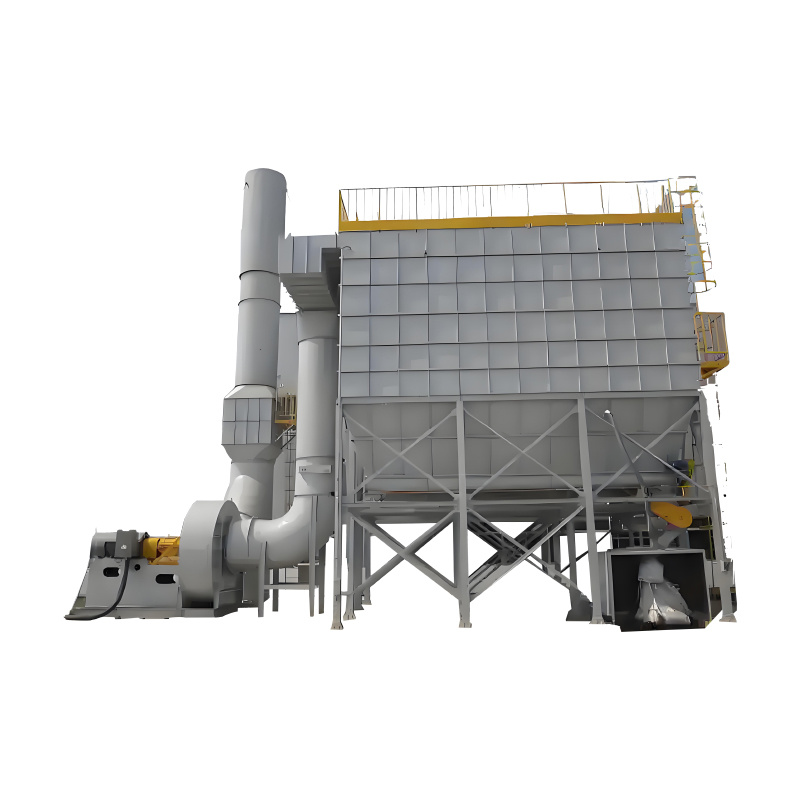
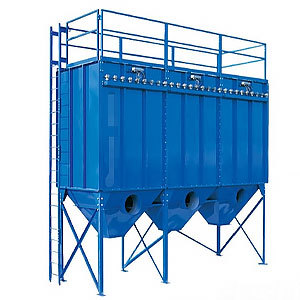
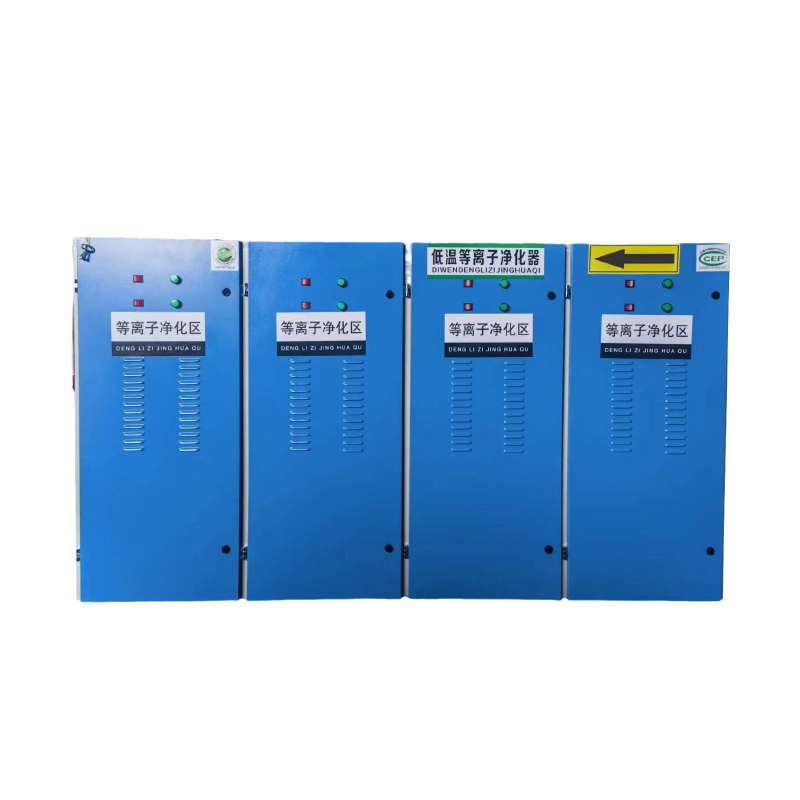
Sintered plate dust collectors are advanced filtration devices designed to capture and remove dust particles from the air. The technology utilizes sintered metal plates, which provide a large surface area for dust accumulation while allowing clean air to pass through. This efficiency is unparalleled, making sintered plate dust collectors a preferred choice for many industries, including manufacturing, pharmaceuticals, and food processing.
How Do Sintered Plate Dust Collectors Work?
The operating principle of sintered plate dust collectors is relatively straightforward. Air containing dust and particulates is drawn into the collector, where it passes through a series of sintered plates. These plates trap dust particles due to their porous structure and high surface energy. The clean air is then released back into the environment, resulting in significantly improved air quality.
Key Components of Sintered Plate Dust Collectors
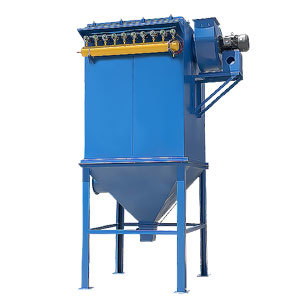
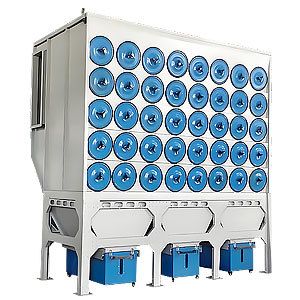
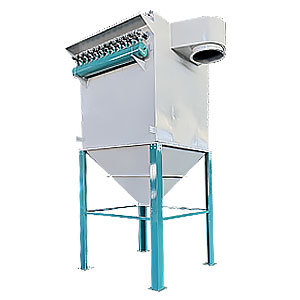
Understanding the components of sintered plate dust collectors helps in appreciating their effectiveness. Key components include:
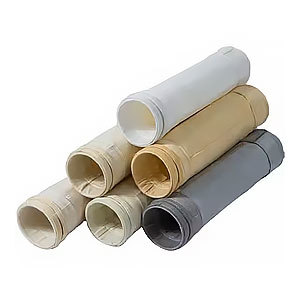
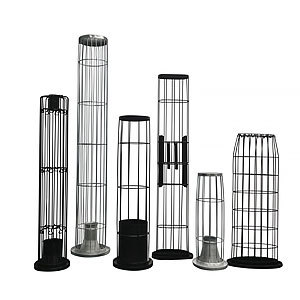
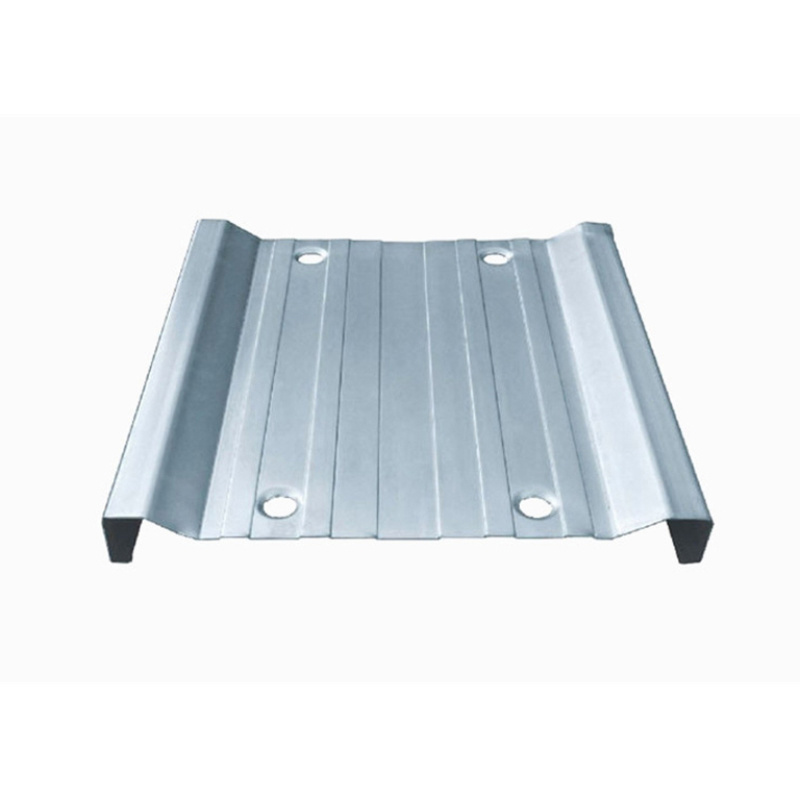
- **Sintered Plates:** The core of the collector, made from metal or polymer materials, designed for optimal dust capture.
- **Dust Collection Chamber:** Where the dust accumulates before it is removed.
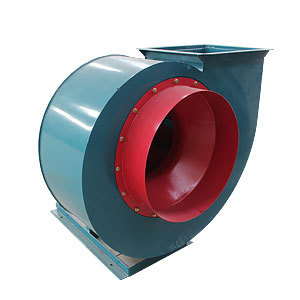
- **Fan System:** Responsible for drawing air into the collector.
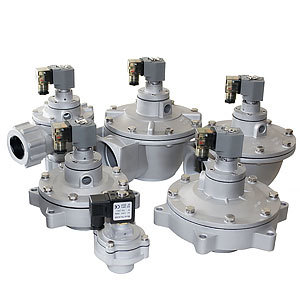
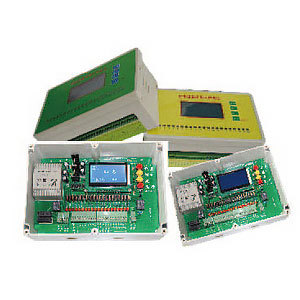
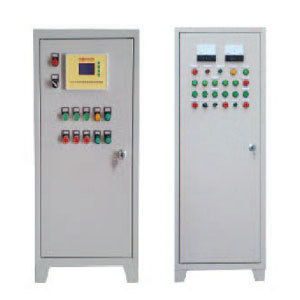
- **Control System:** Monitors the operation and performance of the dust collector, ensuring it functions efficiently.
Advantages of Sintered Plate Dust Collectors
Sintered plate dust collectors offer numerous advantages over traditional dust collection systems. Here are some of the most significant benefits:
High Filtration Efficiency
One of the standout features of sintered plate dust collectors is their exceptional filtration efficiency. These systems can capture up to 99% of particles, including fine and ultrafine dust, ensuring cleaner air is circulated back into the workspace.
Durability and Longevity
Sintered plates are designed to withstand harsh industrial conditions. Resistant to temperature variations and chemical exposure, they offer a longer lifespan compared to conventional filters, thus reducing maintenance costs and downtime.
Energy Efficiency
With the advancement of technology, many sintered plate dust collectors are designed to operate with lower energy consumption. This not only helps in reducing operational costs but also contributes to a more sustainable industrial footprint.
Easy Maintenance
The design of sintered plate dust collectors allows for straightforward maintenance. The dust can be removed easily from the plates, and due to their durability, there is often no need for frequent replacements.
Applications of Sintered Plate Dust Collectors
Sintered plate dust collectors are versatile and can be employed in various industries. Here are some of the primary applications:
Manufacturing Industries
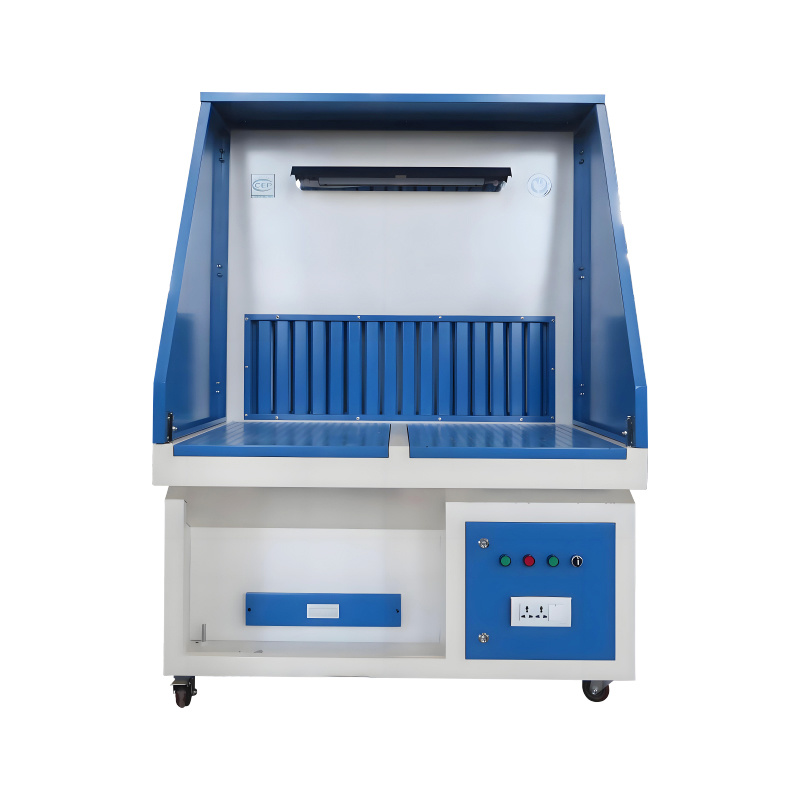
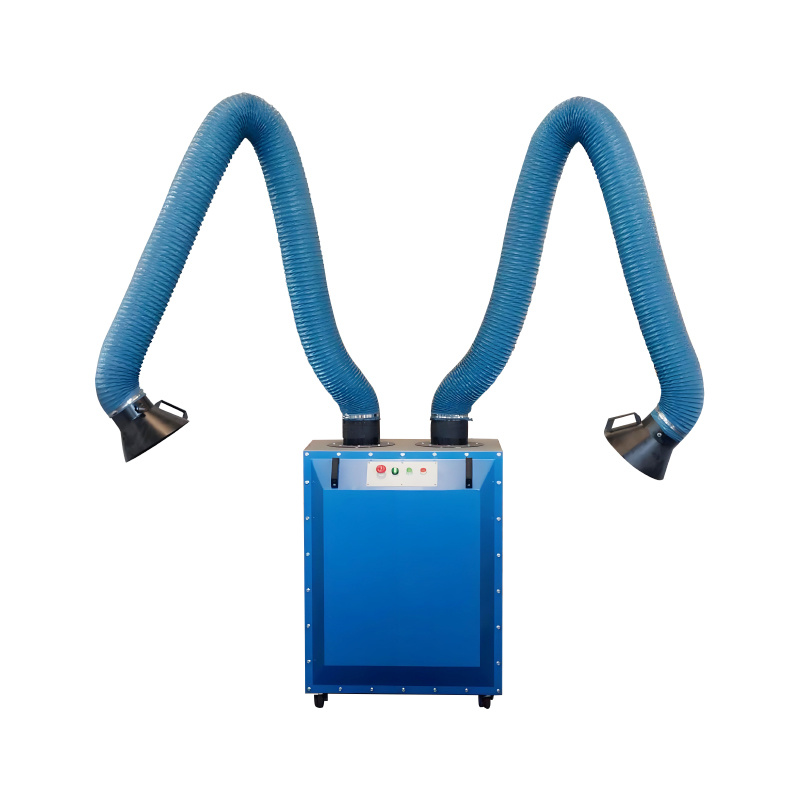
In manufacturing, particularly in processes like welding, cutting, and grinding, sintered plate dust collectors effectively capture metal dust and fumes, ensuring a safe working environment.
Pharmaceuticals
The pharmaceutical industry requires stringent air quality controls. Sintered plate dust collectors are excellent for capturing fine particles and ensuring that the air remains uncontaminated during drug production.
Food Processing
In food processing, maintaining hygiene is critical. Sintered plate dust collectors help in removing dust and contaminants, thereby ensuring product safety and compliance with health regulations.
Chemical Processing
Chemical plants deal with various particulate matter. Sintered plate dust collectors can efficiently manage the capture of these particulates, safeguarding both workers and the environment.
Choosing the Right Sintered Plate Dust Collector
Selecting the appropriate sintered plate dust collector for your specific needs involves several considerations:
1. Assessing Airflow Requirements
Understanding the volume of air that needs to be filtered is essential. Calculating the required airflow helps in selecting a collector with adequate capacity.
2. Particle Size and Type
Different applications produce varying types and sizes of particulates. Evaluating the specific characteristics of the dust generated will assist in choosing a collector that meets filtration requirements.
3. Space Constraints
The physical dimensions of the dust collector must fit within your facility. Consider both the space required for installation and maintenance access.
4. Budget and Operational Costs
While initial costs are a factor, evaluating long-term operational costs, including maintenance, energy consumption, and replacement parts, is crucial for a wise investment.
Installation and Maintenance Considerations
Once you have chosen the right sintered plate dust collector, proper installation and maintenance are vital for optimal performance.
Installation Guidelines
- Ensure alignment with existing ductwork.
- Follow manufacturer specifications for optimal positioning.
- Verify that the electrical connections comply with safety standards.
Regular Maintenance Practices
- Schedule routine inspections to assess the condition of sintered plates and the overall system.
- Remove accumulated dust regularly to maintain airflow efficiency.
- Replace any damaged components promptly to avoid performance degradation.
Environmental Impact and Regulations
Compliance with environmental regulations is increasingly essential. Sintered plate dust collectors not only help companies meet air quality standards but also contribute to sustainability efforts by reducing emissions and waste.
Regulatory Compliance
Understanding local and national regulations regarding air quality helps businesses avoid penalties and fosters a responsible operation. Sintered plate dust collectors can help in achieving compliance more effortlessly.
Sustainability Practices
By investing in sintered plate dust collectors, companies contribute to a cleaner environment. These systems reduce the discharge of harmful particulates, promoting a healthier planet and workplace.
Future Trends in Dust Collection Technology
As technology evolves, sintered plate dust collectors are also advancing. Here are some emerging trends to watch:
Integration of Smart Technology
The future of dust collection systems lies in smart technology. IoT-enabled dust collectors can monitor performance in real-time, providing data analytics for better decision-making and maintenance scheduling.
Enhanced Materials and Efficiency
Research into advanced materials for sintered plates promises to enhance filtration efficiency while reducing energy consumption further.
Focus on Sustainability
As industries become more eco-conscious, the development of eco-friendly dust collection solutions will likely gain momentum, with sintered plate technology at the forefront.
FAQs About Sintered Plate Dust Collectors
1. What is the lifespan of a sintered plate dust collector?
The lifespan can vary but typically ranges from 5 to 10 years, depending on usage and maintenance.
2. How often should I clean the sintered plates?
Regular cleaning is recommended, typically every 1-3 months, depending on dust levels.
3. Can sintered plate dust collectors handle wet dust?
While primarily designed for dry dust, some collectors can manage moist particulates. Consult manufacturer specifications for best practices.
4. Are sintered plate dust collectors energy-efficient?
Yes, modern sintered plate dust collectors are designed to be energy-efficient, often using less power than traditional systems.
5. What industries benefit most from using sintered plate dust collectors?
Industries such as manufacturing, pharmaceuticals, food processing, and chemical processing greatly benefit from these systems due to their high efficiency and effectiveness.
Conclusion
Sintered plate dust collectors represent a significant advancement in industrial dust collection technology, offering unparalleled filtration efficiency, durability, and ease of maintenance. By investing in these systems, businesses not only enhance air quality within their operations but also contribute to a more sustainable future. Understanding their functionality, benefits, and applications will allow industries to make informed decisions that lead to cleaner air and healthier work environments. As we move toward a more environmentally conscious world, sintered plate dust collectors will play a pivotal role in achieving cleaner air for all.
Hot Tags:
PREVIOUS:


Contact Us
Tel:
WeChat:
WhatsApp:
E-mail:
Address:
338 National Road South, Longfengdian Village, Botou City, Hebei Province, China
JiuznTomine is expertly delivering technically complicated projects in markets & provides custom solutions for their customized need.


CONTACT INFO
Tel: +86 18531710311
WeChat: +86-18531710311
338 National Road South, Longfengdian Village, Botou City, Hebei Province, China