


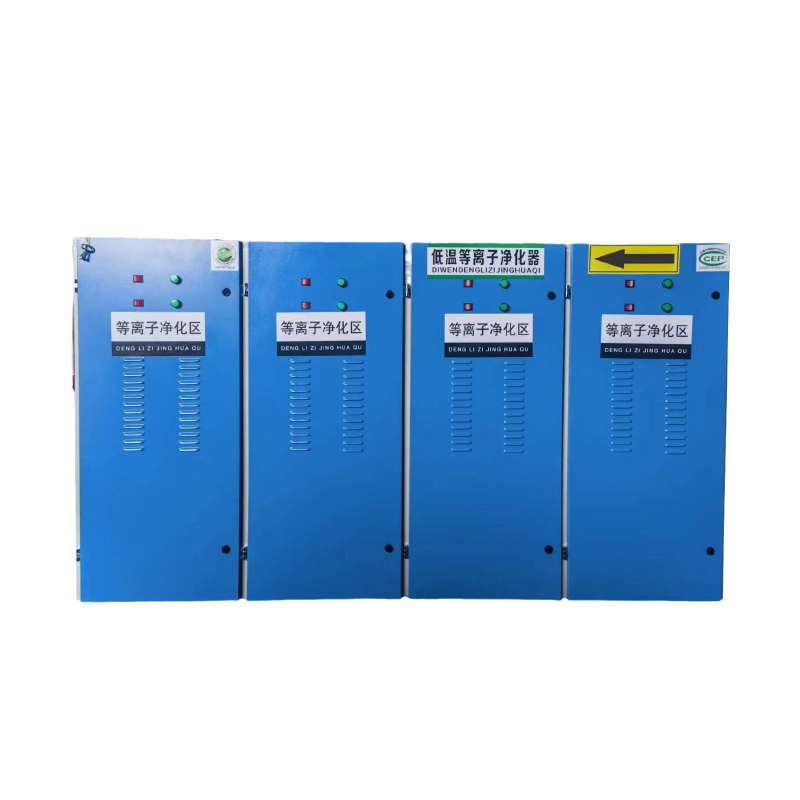
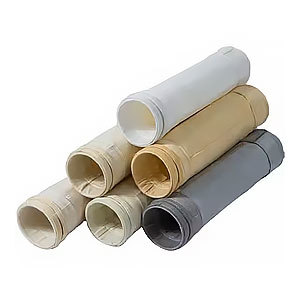
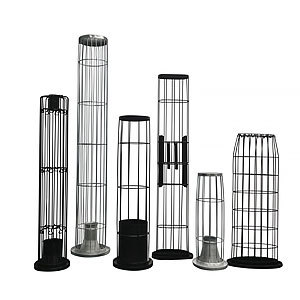
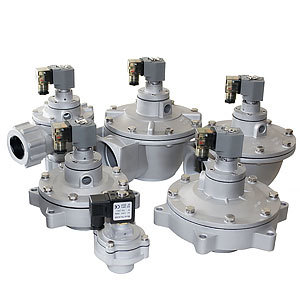









Cross border dust removal equipment procurement: practical guidelines and techniques for risk avoidance
Dec 12,2025
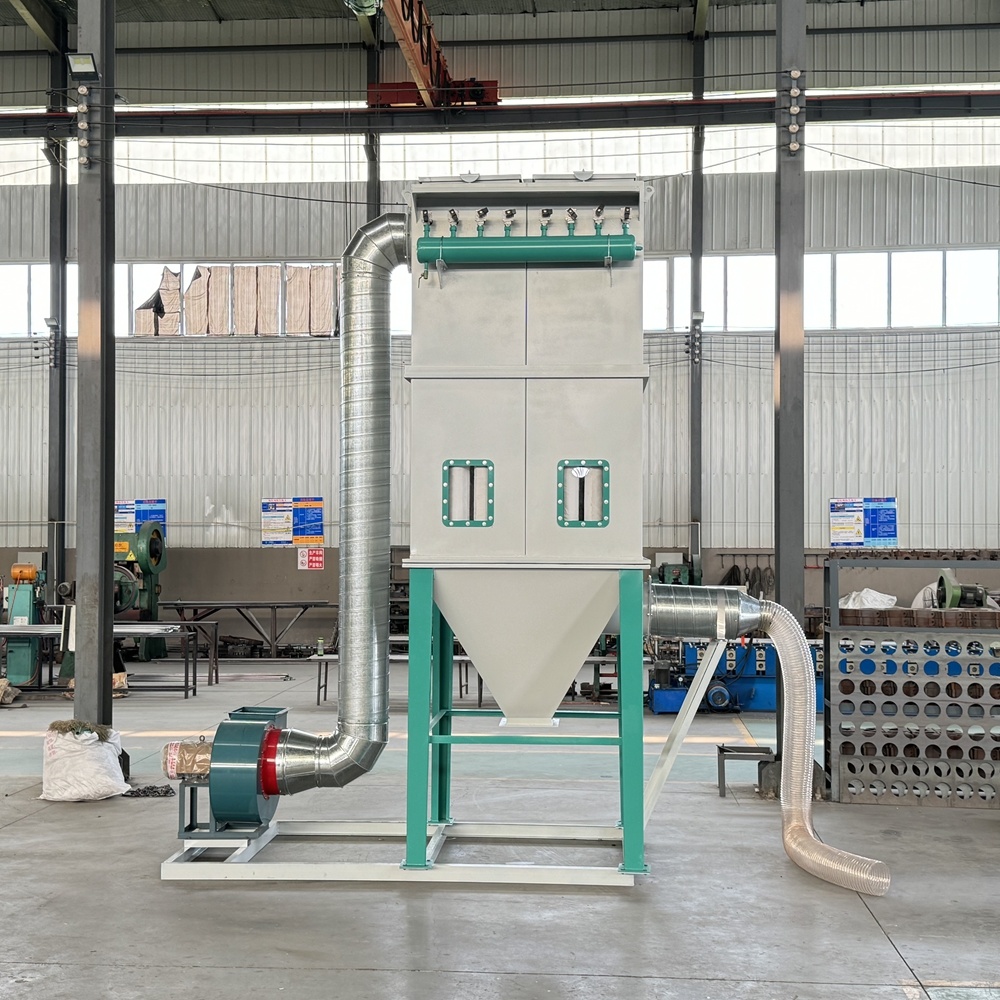
Against the backdrop of global industrial environmental demand upgrading, cross-border procurement of dust removal equipment has become the choice of many enterprises - whether it is to obtain more suitable technical solutions or to achieve cost optimization, cross-border procurement means a wider range of choices, but it is also accompanied by multiple challenges such as cross-border compliance, standard differences, and service integration. Unlike domestic procurement, cross-border dust removal equipment procurement involves a full chain cross-border collaboration from demand confirmation to after-sales support. Any negligence in any link may lead to increased procurement costs, equipment malfunction, and even compliance risks. This article will focus on the core considerations and practical skills of cross-border procurement, helping enterprises achieve efficient and secure procurement decisions.
1、 Pre core: Accurately anchor one's own needs and avoid the risk of "mismatch"
The primary prerequisite for cross-border procurement is to clarify one's own working conditions and core requirements, in order to avoid equipment and actual scenarios being "out of place" due to information deviations. This step needs to be refined from three dimensions: technical parameters, operating conditions, and compliance requirements:
In terms of technical parameters, it is necessary to accurately identify the core indicators of the dust removal equipment - the processing capacity needs to match the dust emissions of the production line, the dust removal efficiency needs to comply with the environmental standards of the country where the purchaser is located and the equipment usage scenario, and at the same time, clarify the particle size distribution, concentration, humidity, and chemical characteristics of the dust. For example, when dealing with high humidity dust, it is necessary to avoid choosing bag filters that are prone to condensation, while when dealing with metal grinding dust, attention should be paid to the explosion-proof performance of the equipment. These details directly determine the applicability of the equipment.
In terms of operating conditions, it is necessary to consider the spatial limitations of equipment usage, energy supply parameters, and special operating requirements. In cross-border procurement, it is not uncommon for equipment to fail to start due to voltage mismatch. Clarifying these details in advance can avoid later modification costs.
Compliance requirements require dual consideration: first, the environmental regulations of the country where the purchaser is located; second, the export standards of the equipment production country and the import certification of the target country. Some countries have mandatory certification requirements for imported environmental protection equipment, and the lack of relevant documents may result in equipment being stranded at ports or unable to pass local environmental inspections.
2、 Supplier screening: Break out of the "price trap" and focus on comprehensive strength
In cross-border procurement, the selection of suppliers directly determines the smoothness of the procurement process and the long-term use guarantee of equipment. Compared to domestic procurement, the evaluation of cross-border suppliers needs to focus more on "cross-border service capabilities" and "risk controllability", rather than simply pursuing low prices:
Firstly, verify the qualifications and reputation of the supplier. Its professionalism can be evaluated through reports from internationally authoritative certification bodies, membership qualifications of industry associations, and past customer cases. At the same time, with the help of credit ratings from cross-border trade platforms and reports from third-party credit reporting agencies, the risk of "false suppliers" can be avoided. If necessary, suppliers can be required to provide bank credit certificates.
Secondly, pay attention to the technical support and communication skills of suppliers. The selection of dust removal equipment often requires personalized solutions, and suppliers need to have a professional technical team that can optimize equipment design based on the operating parameters provided by the purchaser. Meanwhile, smooth language communication is the foundation - suppliers need to equip liaison personnel who are familiar with the purchaser's native language or common business language to avoid deviation in demand transmission due to translation errors.
Finally, evaluate the supplier's after-sales service system. The installation and debugging, spare parts supply, and fault maintenance of cross-border equipment are the core pain points. It is necessary to clarify whether the supplier has service outlets in the country where the purchaser is located or has long-term cooperation with local service providers to ensure that they can respond within 48 hours when equipment problems occur; Simultaneously confirm the supply cycle and cost of spare parts to avoid long-term equipment downtime caused by spare parts shortages.
3、 Contract and Compliance: Clarify the boundaries of rights and responsibilities to avoid cross-border risks
Cross border procurement contracts are the core documents that safeguard the rights and interests of both parties. It is necessary to refine the terms based on the special characteristics of cross-border transactions to avoid disputes caused by vague expressions. The core terms should include the following:
One is the equipment details and quality standards, which need to clarify the model, specifications, technical parameters, materials, certification document list, and acceptance criteria of the equipment.
The second is the price and payment terms. It is necessary to clarify whether the total price includes freight, insurance, customs duties, and clearance fees. It is recommended to use the "advance payment+progress payment+final payment" model for payment, and reduce financial risks through secure payment methods such as letters of credit.
Thirdly, in terms of logistics and delivery, it is necessary to clarify the delivery cycle, transportation method, packaging requirements, and demurrage responsibilities.
The fourth is after-sales and quality assurance, which need to agree on the warranty period, warranty scope, repair response time, and cost sharing.
In addition, it is necessary to clarify the dispute resolution methods and applicable laws to avoid being passive in later disputes due to legal application issues.
4、 Logistics and Customs Clearance: Advance Planning to Ensure Efficient Customs Clearance
Dust removal equipment mostly belongs to large machinery, and the planning of cross-border transportation and customs clearance directly affects delivery efficiency. The purchaser needs to coordinate with the supplier and freight forwarder in advance and make the following preparations:
In terms of logistics, it is necessary to choose a suitable transportation method based on the size, weight, and delivery cycle of the equipment. Although sea freight has a longer cycle, its cost is lower and it is suitable for non emergency procurement; If urgent transportation is required, the intermodal mode of "sea freight+land freight" can be adopted. At the same time, it is necessary to request the supplier to provide a detailed packing list so that the freight forwarder can develop a reasonable transportation plan and avoid equipment damage caused by improper loading.
In terms of customs clearance, it is necessary to prepare a complete set of documents in advance, including commercial invoices, packing lists, bills of lading, certificates of origin, import licenses, equipment certification documents, etc. It is recommended to entrust a professional customs clearance agent to handle it, especially for countries with high tariff rates. By making reasonable use of free trade agreements to enjoy tariff reductions, procurement costs can be reduced. It should be noted that some countries have strict restrictions on the import of second-hand equipment. If purchasing second-hand dust removal equipment, it is necessary to confirm the relevant policies of the target country in advance.
5、 Installation and acceptance: Connecting details to ensure equipment performance
The installation and commissioning of cross-border dust removal equipment often require technical support from suppliers. The purchaser needs to prepare the site in advance and agree with the supplier on the arrival time and service fees of technical personnel. If the supplier is unable to send technical personnel to the site, they need to provide detailed installation videos, operation manuals, and remote guidance services to ensure a standardized installation process.
After the installation of the equipment is completed, it is necessary to strictly follow the acceptance standards stipulated in the contract for final acceptance. The core verification items include: whether the processing capacity meets the design value, whether the dust removal efficiency meets environmental standards, whether the equipment operation noise and energy consumption are within a reasonable range, and whether the control system is sensitive and reliable. During the acceptance process, it is necessary to keep good data records. If the equipment performance does not meet the standards, timely rectification requirements should be raised to the supplier, and the problem should be resolved within the warranty period agreed in the contract to avoid exceeding the deadline and resulting in the inability to protect rights and interests.
Cross border dust removal equipment procurement is a systematic project involving technology, business, logistics, and compliance, with the core of "advance planning, precise docking, and controllable risks". From clarifying one's own needs to selecting suppliers, from signing contracts to installation acceptance, every step needs to be detailed and loopholes avoided. With the continuous deepening of global environmental cooperation, the channels for cross-border dust removal equipment procurement will become more convenient. However, enterprises still need to maintain professional procurement logic in order to expand their selection space and achieve the optimal balance between equipment performance and procurement costs.
Hot Tags:
PREVIOUS:


Contact Us
Tel:
WeChat:
WhatsApp:
E-mail:
Address:
338 National Road South, Longfengdian Village, Botou City, Hebei Province, China
JiuznTomine is expertly delivering technically complicated projects in markets & provides custom solutions for their customized need.


CONTACT INFO
Tel: +86 18531710311
WeChat: +86-18531710311
338 National Road South, Longfengdian Village, Botou City, Hebei Province, China