


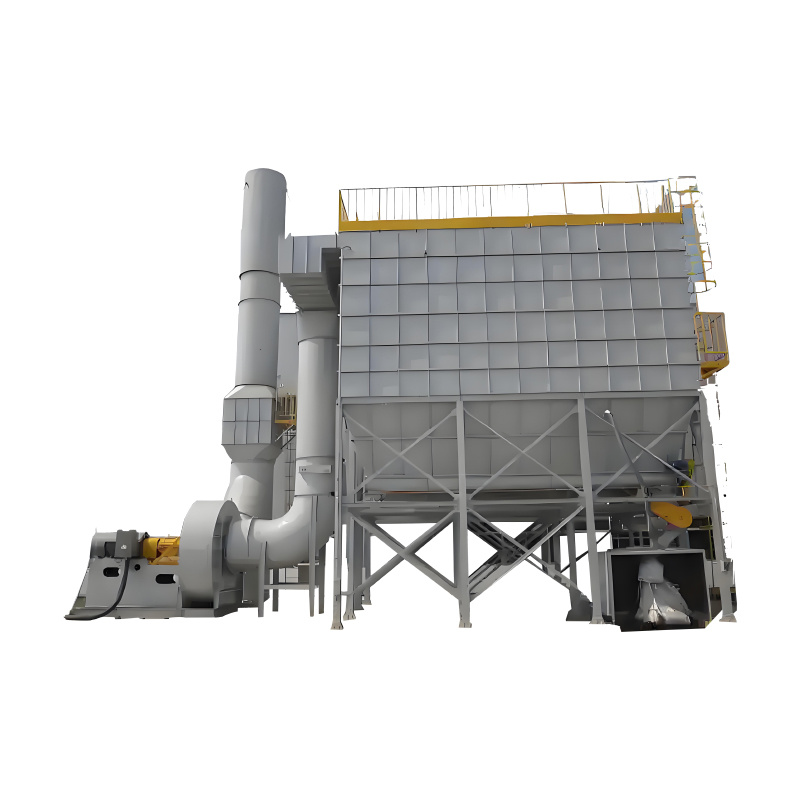
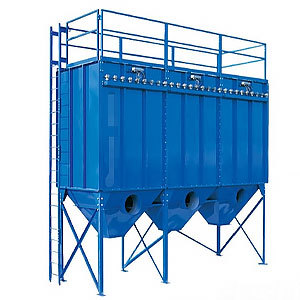
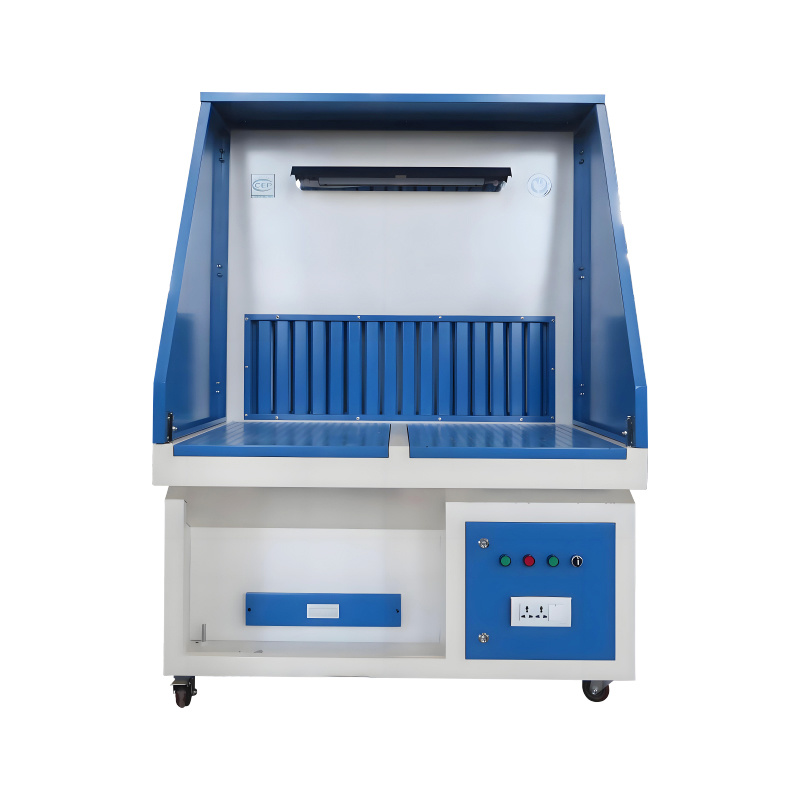
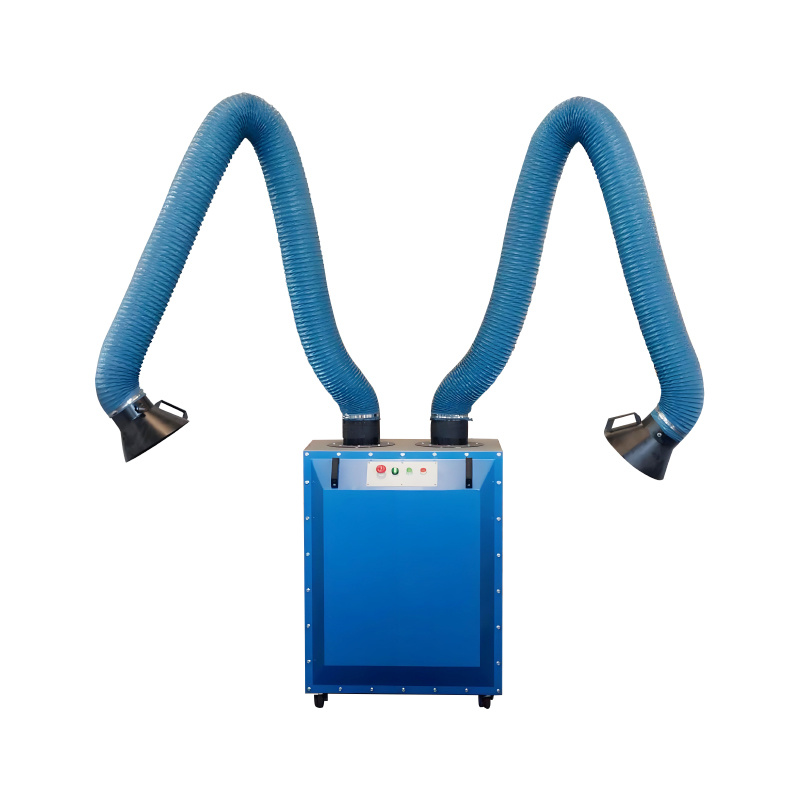









Electrostatic precipitator plate upgrade: new alloy material, high temperature resistant and stable dust removal
Oct 16,2025
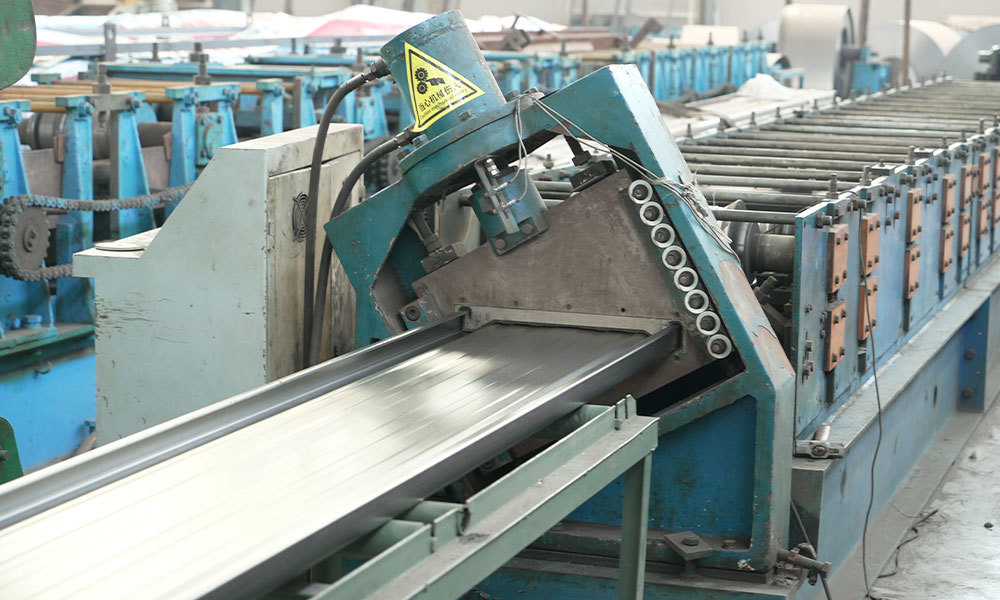
The electrostatic precipitator used in overseas high-temperature factories is often plagued by "high temperature deformation of the electrode plate". Traditional carbon steel electrode plates are prone to softening and bending above 200 ℃, while ordinary stainless steel electrode plates have a temperature resistance of less than 300 ℃ and need to be replaced in just 1-2 years. This not only results in significant downtime losses, but also leads to a sudden drop in dust removal efficiency and excessive emissions. The new alloy high-temperature resistant electrode plate solves the pain point of high temperature by upgrading the material, adapts to global high humidity and high temperature scenarios, and can also extend the equipment life by three times, becoming the key to cost reduction and compliance for overseas factories.
1、 The high temperature pain points of traditional electrode plates: 3 major problems that drag down dust removal efficiency
Under high temperature conditions, the short plate of traditional electrode plates directly affects the stable operation of electrostatic precipitators and is also the core reason for frequent maintenance in overseas factories:
1. High temperature deformation failure: Ordinary carbon steel plates will experience thermal expansion, contraction, bending deformation above 250 ℃, resulting in uneven spacing between plates, decreased electric field strength, dust adsorption rate dropping from 98% to below 85%, and emissions exceeding the EU EN 13285 (≤ 10mg/m ³) standard;
2. High temperature corrosion acceleration: High temperature flue gas from power plants and chemical industries contains corrosive gases such as SO ₂ and NOx. The corrosion resistance of ordinary 304 stainless steel plates deteriorates above 300 ℃, and rust holes appear within 6-12 months, with dust leaking from the holes;
3. High cost of frequent replacement: Traditional electrode plates are replaced once every 1.5-2 years on average, and the cost of replacing a single electrostatic precipitator exceeds $50000. It also requires a shutdown of 3-5 days, which has a great impact on continuous production of steel plants and power plants.
2、 New alloy electrode plate: 3 core advantages, able to withstand high temperature tests
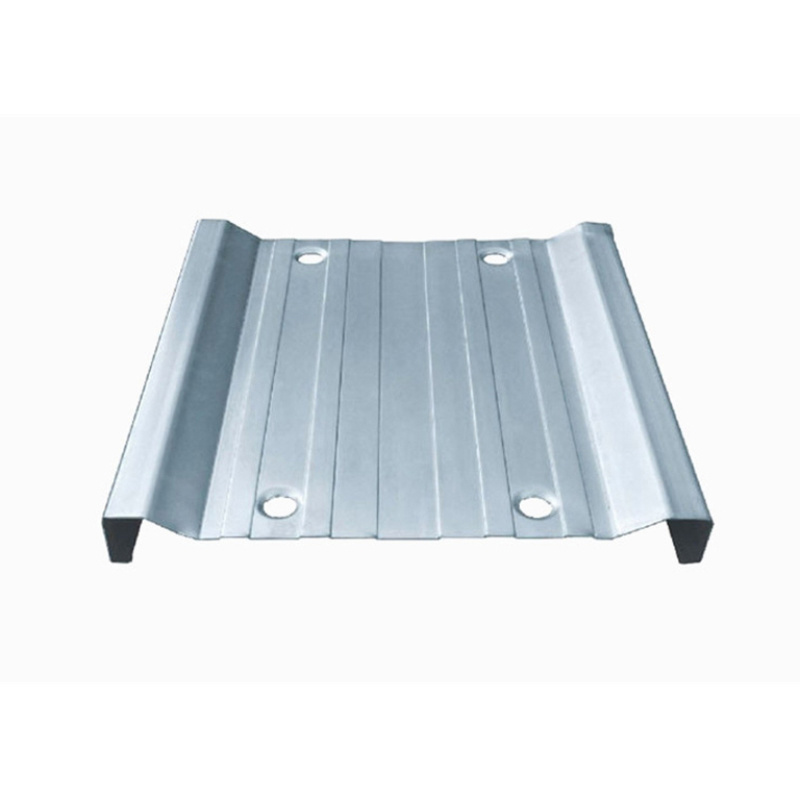
The new type of alloy electrode plate is mainly made of nickel chromium alloy and nickel based alloy materials. It is developed for high-temperature working conditions and solves the defects of traditional electrode plates from the essence of the material, becoming the "durable choice" for high-temperature scenarios
1. Breaking through the upper limit of high temperature resistance: stable operation above 350 ℃
The core material has a nickel content of ≥ 20% and a chromium content of ≥ 15%, with a temperature resistance upper limit of 350-400 ℃, far exceeding traditional carbon steel (200 ℃) and ordinary stainless steel (300 ℃);
The coefficient of thermal expansion at high temperatures is only 70% of that of ordinary stainless steel, and there is no deformation or cracking under the working condition of 200-350 ℃. The distance between the electrode plates is always stable at 150-200mm (the optimal distance of the electric field), ensuring that the adsorption efficiency does not decrease.
2. Corrosion resistance upgrade: adapted to high corrosion and high temperature flue gas
A dense oxide film is formed on the surface of the alloy, which can withstand acid and alkali corrosion at pH 1-13, especially suitable for sulfur-containing flue gas in power plants and high-temperature dust containing chlorine in chemicals;
Tested in the Middle East chemical workshop: The new alloy electrode plate operates continuously for 3 years without corrosion in a flue gas containing 5% SO ₂ at 320 ℃, while the traditional stainless steel electrode plate shows corrosion spots after 1 year.
3. Improve dust removal efficiency+reduce energy consumption
The surface of the electrode plate has been polished to a roughness of ≤ Ra1.6, with a 40% decrease in dust adhesion. During dust cleaning, the dust falls off more thoroughly to avoid "electric field short circuits caused by dust accumulation";
After the stability of the electric field is improved, the high-voltage power supply system no longer needs frequent voltage regulation, saving 15% -20% of electricity compared to traditional plates, and saving more than $12000 in annual electricity bills (calculated based on a single 500kW wind turbine).
3、 Foreign trade adaptation: suitable for global high-temperature conditions, compliant and unobstructed implementation
The new alloy electrode plate not only solves technical pain points, but also provides customized design for different overseas regional needs, suitable for foreign trade scenarios:
1. Full compliance certification coverage: The material has passed SGS high-temperature performance testing and complies with EU REACH and US ASTM standards. The matching electrostatic precipitator can easily obtain CE and ATEX explosion-proof certifications (for chemical explosion-proof scenarios), and customs clearance is unobstructed;
2. Customization of regional working conditions:
High temperature areas in the Middle East/Africa: Heat insulation coating is added to the back of the electrode plate to reduce the transmission of high temperature to the equipment casing and avoid overheating and aging of the casing;
Nordic/Southeast Asian high humidity areas: Passivation treatment and hydrophobic coating of electrode plates to prevent condensation and corrosion in high temperature and high humidity environments;
European and American precision factories: provide precise customization of electrode spacing (error ≤ 2mm), suitable for high demand low emission scenarios (≤ 5mg/m ³);
3. Installation, maintenance, and adaptation:
The polar plate adopts a modular design, with a single weight 20% lighter than traditional polar plates. It can be installed by two overseas technicians without the need for large lifting equipment;
Supporting a multilingual maintenance manual, indicating the inspection cycle under high temperature conditions, reducing the difficulty of local team operation and maintenance.
4、 Actual benefits: One upgrade, worry free for 3 years
For overseas factories operating under high-temperature conditions, the upgraded value of the new alloy plates far exceeds the initial investment
1. Extended lifespan: From traditional electrode plates lasting 1.5-2 years to 5-8 years, reducing 2-3 replacements and saving $100000 to $150000 in replacement costs per device;
2. Reduced downtime: No need to frequently replace the plates, reducing 3-5 days of downtime per year. Calculated based on the daily output value of the steel plant of 500000 US dollars, the annual increase in revenue is 1.5-2.5 million US dollars;
3. Stable compliance: The dust removal efficiency remains stable at over 98% for a long time, with an emission concentration of ≤ 8mg/m ³. It easily passes strict environmental audits in the European Union, the United States, and other countries, avoiding the risk of fines.
For overseas steel plants, power plants, and high-temperature chemical workshops, upgrading the plates of electrostatic precipitators is not an "optional" option, but a "mandatory" one. The frequent failure of traditional plates at high temperatures will directly affect production and compliance; The new alloy high-temperature resistant electrode plate, relying on its material advantages, can withstand extreme working conditions, solving maintenance pain points and reducing long-term costs, becoming the "performance guarantee" for electrostatic precipitators in high-temperature scenarios.
Hot Tags:


Contact Us
Tel:
WeChat:
WhatsApp:
E-mail:
Address:
338 National Road South, Longfengdian Village, Botou City, Hebei Province, China
JiuznTomine is expertly delivering technically complicated projects in markets & provides custom solutions for their customized need.


CONTACT INFO
Tel: +86 18531710311
WeChat: +86-18531710311
338 National Road South, Longfengdian Village, Botou City, Hebei Province, China