


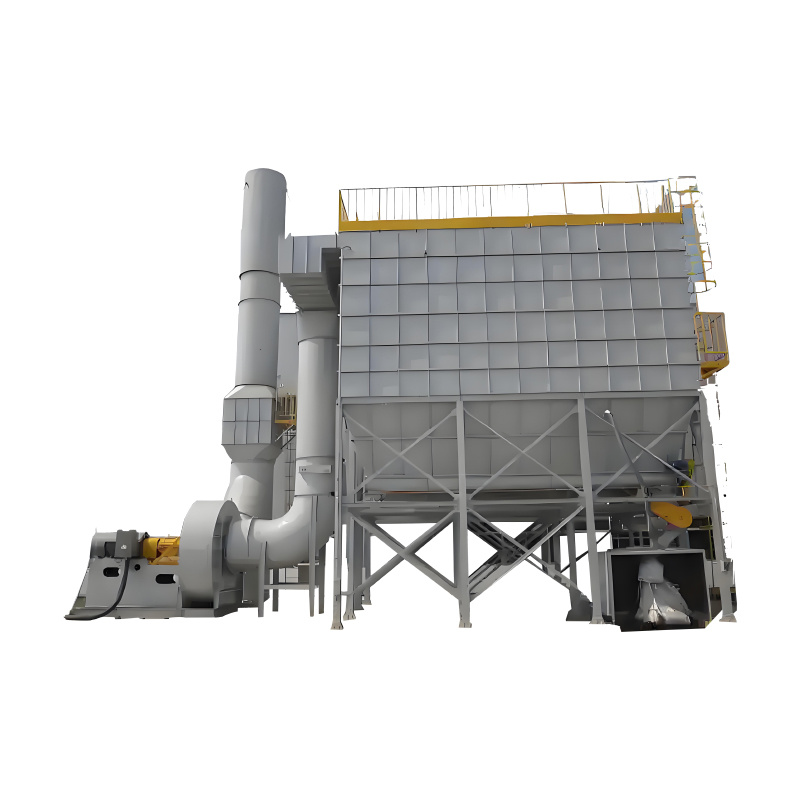
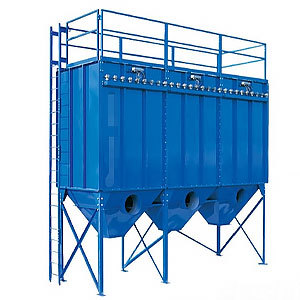
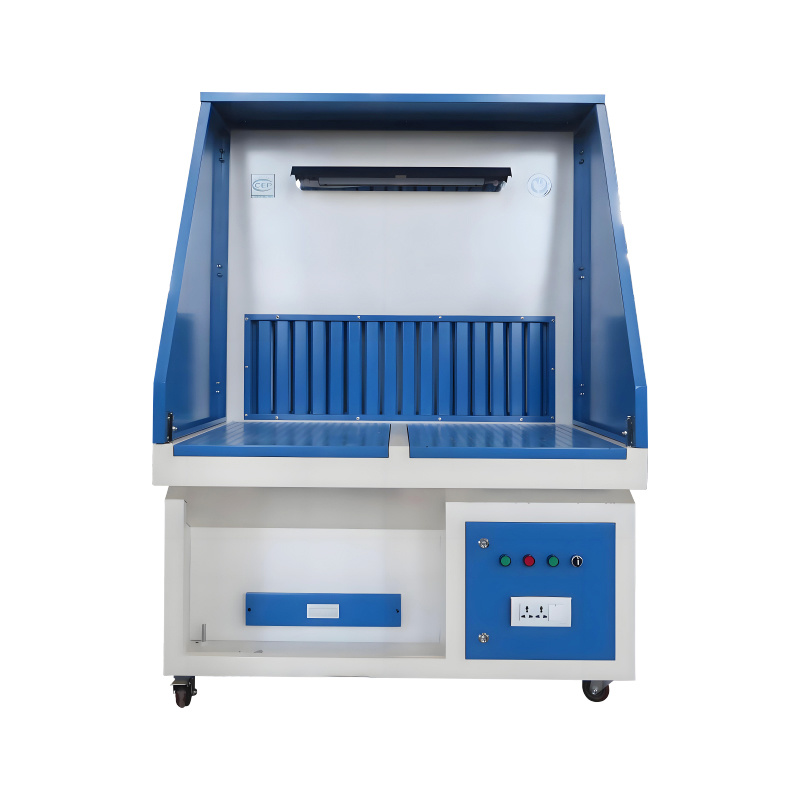
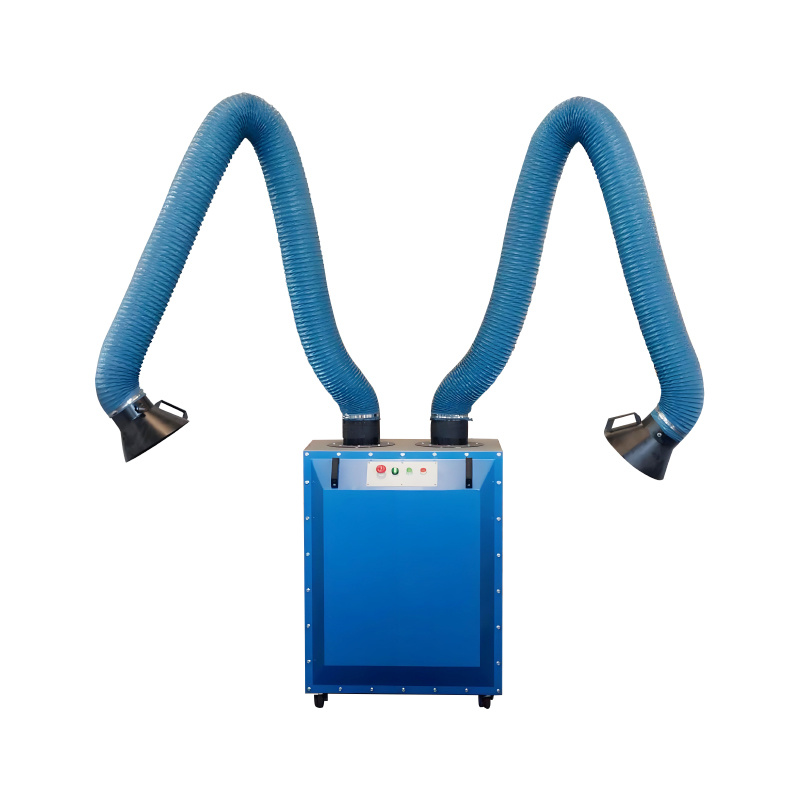









Dust filter bag
Key words:

In the field of industrial dust removal, many customers tend to focus on filter materials such as PTFE, PPS, or fiberglass when choosing high-temperature filter bags, but easily overlook a crucial detail - the sewing process.
Key words:
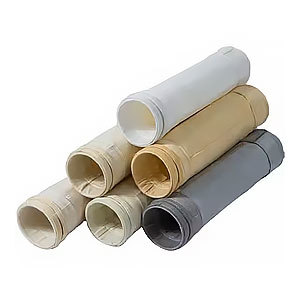
The filter bag is the core supporting component of dust removal equipment, and its performance directly determines the dust removal efficiency and equipment service life. Among them, the high temperature and corrosion resistant dust removal bag is specially designed for high temperature and corrosive working conditions, and is suitable for the tail gas treatment needs of industries such as metallurgy, chemical engineering, and waste incineration.
Key words:
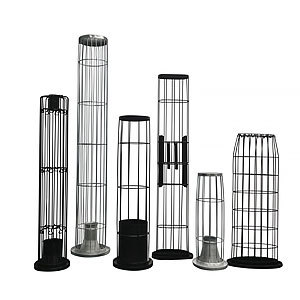
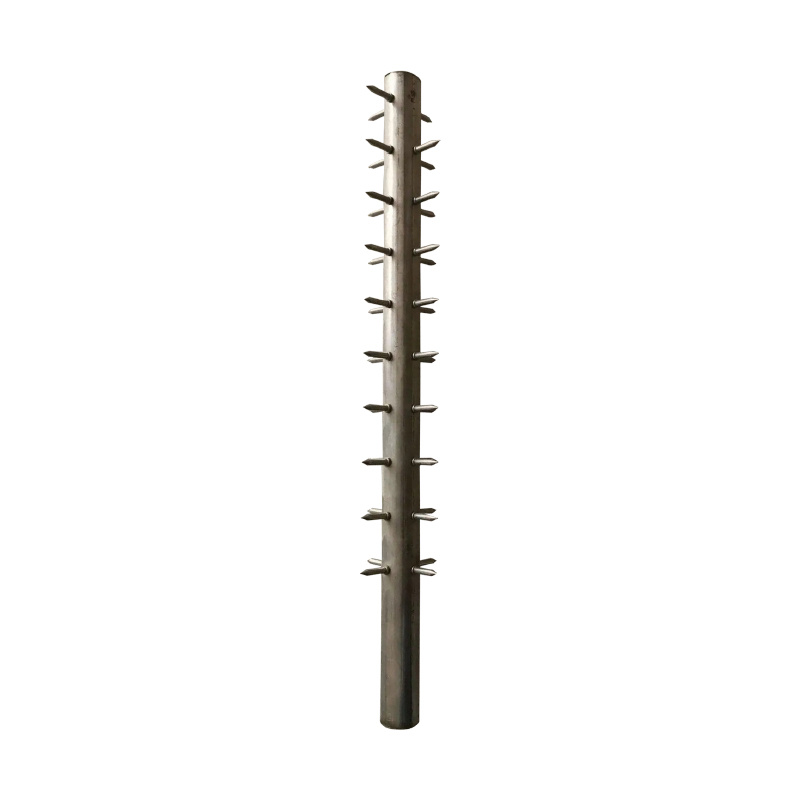
Dust removal skeleton design: how to improve the service life of filter bags?
As the core supporting component of the filter bag, the design rationality of the dust removal skeleton directly determines the stress state, filtration efficiency, and service life of the filter bag.
Key words:
Bag filter accessories: selection techniques for high-quality filter bags and frames
The filter bag and frame are the core components of the bag filter, which directly determine the dust removal efficiency, equipment life, and operational stability, especially suitable for industrial dust treatment scenarios.
Key words:
In industrial dust removal systems, the filter bag serves as the core filtering element, and its service life is directly related to dust removal efficiency, operating costs, and system stability.
Key words:
Selection of Bag Filter Bag for Bag Dust Collector: Matching Guide by Dust Type
There are significant differences in particle size, humidity, corrosiveness, temperature, and other dimensions among different types of dust. Blindly selecting universal filter bags can easily lead to filtration failure, premature damage to filter bags, or a sharp increase in maintenance costs.
Key words:
Latest Products
Latest News
JiuznTomine is expertly delivering technically complicated projects in markets & provides custom solutions for their customized need.


CONTACT INFO
Tel: +86 18531710311
WeChat: +86-18531710311
338 National Road South, Longfengdian Village, Botou City, Hebei Province, China