











Replacement cycle and operating specifications for plastic fired plate dust collector filter plate
Feb 03,2026

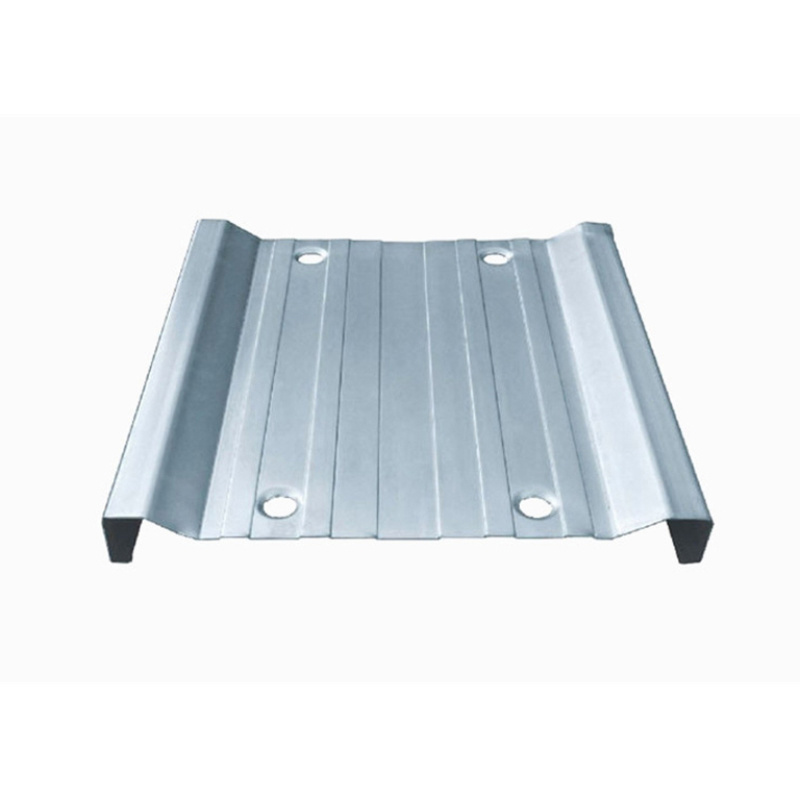
The filter plate is the core filtering component of the plastic fired plate dust collector, and its performance directly determines the dust removal efficiency, operating resistance, and equipment stability. Scientifically controlling the replacement cycle of filter plates and strictly following standardized operations can ensure the long-term operation of equipment and reduce maintenance costs. This article combines practical experience from overseas industries to refine the criteria, influencing factors, and standardized operating procedures for determining the replacement cycle of filter plates.
1、 Filter plate replacement cycle determination (no fixed standard, adapted as needed)
There is no unified fixed cycle for the replacement of plastic fired filter plates, and the core depends on the adaptability of the working conditions and the quality of daily maintenance. In conventional industrial scenarios, the reference range for replacement cycle is 1.5-3.5 years, which needs to be comprehensively judged based on the following three points.
(1) Core judgment indicators
1. Operating resistance: The normal operating resistance is 500-1500Pa. If the resistance remains stable above 2000Pa for 1-2 consecutive weeks and there is no significant decrease after dust cleaning optimization, the filter plate needs to be checked and replaced if necessary.
2. Dust removal efficiency: If the dust emission concentration at the outlet continues to exceed the local environmental standards or equipment design standards, and after troubleshooting the dust cleaning system and sealing components, it is determined that the filter plate is damaged and replaced immediately.
3. Appearance status: After disassembly, observe the filter plate. If there is severe surface wear, cracking, deformation, sticking (which cannot be repaired by cleaning), or severe pore blockage in the filter plate, it should be replaced in a timely manner.
(2) Key factors affecting replacement cycle
1. Operating characteristics: Processing high concentration, high viscosity, sharp particles or corrosive dust, accelerating filter plate wear and blockage speed, shortening cycle by 30% -50%; Clean and dry fine dust working conditions, the cycle can be extended to 3-4 years.
2. Filter plate material: ordinary PP plastic fired plate suitable for normal temperature and non corrosive working conditions, with a cycle of 1.5-2.5 years; PTFE coating and PVDF material filter plate have stronger corrosion and temperature resistance, and the cycle can be extended to 2.5-3.5 years.
3. Maintenance level: Regular and standardized cleaning of dust, regular inspection of sealing conditions, timely cleaning of dust adhering to the surface of the filter plate can extend the service life of the filter plate by 10% -20%; Failure to clean the dust in a timely manner and improper operation can accelerate the damage of the filter plate.
2、 Standardized operating procedures for filter plate replacement (concise and practical)
Operation core: To ensure personnel safety, avoid secondary damage to the filter plate, and ensure good sealing after replacement, the following steps must be followed throughout the process to adapt to overseas industrial site operation standards.
(1) Preparation before replacement
1. Safety protection: Operators should wear dust masks, protective gloves, and protective clothing, and wear safety belts when working at heights; It is strictly prohibited to disassemble the filter plate while the equipment is running.
2. Equipment shutdown: Turn off the main unit of the plastic fired plate dust collector and the power supply of the dust cleaning system, cut off the inlet and outlet valves, and wait for the internal pressure of the equipment to drop to normal pressure and the temperature to drop to room temperature before operation.
3. Tools and spare parts: Prepare a new filter plate of the matching model (ensuring consistency with the size of the dust collector chamber and sealing groove), wrench, screwdriver, sealing gasket, compressed air spray gun (to clean the chamber dust).
4. Chamber cleaning: Open the maintenance door and use a compressed air spray gun (pressure ≤ 0.3MPa) to clean the residual dust in the dust collector chamber, avoiding dust pollution of the new filter plate or affecting the seal.
(2) Dismantling steps for old filter plate
1. First, loosen the fixing bolts (or buckles) of the filter plate and apply even force to avoid excessive force that may cause the filter plate to break or the cavity to deform.
2. Use both hands to smoothly remove the old filter plate. If the filter plate is stuck to the cavity, gently pry it with a plastic pry bar (metal tools are prohibited to prevent scratching the sealing surface of the cavity).
3. After disassembly, check the sealing groove and support structure at the installation location of the filter plate, clean the dust and debris in the groove. If the sealing groove is damaged, it needs to be repaired first and then replaced with a new filter plate.
4. Collect old filter plates uniformly and dispose of them properly according to local environmental protection requirements (do not dispose of them casually to avoid dust pollution).
(3) Installation steps for new filter plate
1. Check the appearance of the new filter plate, confirm that there are no cracks, deformations, or pore blockages, and that the sealing surface is not damaged or stained. Filter plates that do not meet the requirements are strictly prohibited from installation.
2. Lay a new sealing gasket in the sealing groove of the filter plate (ensuring size matching, flat laying, no wrinkles or offsets), and if necessary, apply a small amount of sealant (suitable for the working conditions to avoid corrosion of the filter plate).
3. Place the new filter plate steadily in the installation position with both hands, adjust the position, and ensure that the filter plate is tightly attached to the sealing surface of the cavity, without looseness or deviation.
4. Tighten the fixing bolts evenly (or fasten the buckles) with moderate force to avoid damaging the filter plate due to over tightening or loosening, which may cause poor sealing, air and dust leakage.
5. After replacing the single filter plate, gently push the filter plate by hand to confirm that there is no looseness and the seal is good; When replacing multiple filter plates, it is necessary to operate them one by one in a standardized manner to ensure consistent installation.
(4) Commissioning and inspection after replacement
1. Close the maintenance door, check all fixed components, confirm that there are no errors, connect the equipment power, turn on the dust cleaning system, and run without load for 5-10 minutes.
2. Check the running resistance. If the resistance remains stable at 500-1500Pa without any abnormal fluctuations, it indicates that the installation is qualified; If the resistance is too high, it is necessary to check whether the filter plate is installed properly and whether the sealing is good.
3. Check the sealing points at the inlet and outlet of the equipment for any air or dust leakage, and ensure that the dust cleaning system is blowing normally before it can be put into normal operation.
4. Keep a record of replacement, indicating the replacement date, filter plate model, replacement quantity, and operating parameters for easy traceability and cycle prediction in the future.
3、 Precautions (Key Points for Refinement)
1. It is strictly prohibited to use filter plates that do not match the model, are damaged or unqualified, in order to avoid affecting the dust removal effect and damaging the equipment chamber.
During the replacement process, it is forbidden for hard objects to collide with the surface and sealing surface of the filter plate to prevent damage to the filter plate and seal failure.
3. Under corrosive and high-temperature conditions, it is necessary to confirm that the equipment has been completely cooled and depressurized before replacement, and to take anti-corrosion protection measures to avoid personal injury.
4. After replacing the filter plate, it is recommended to strengthen inspections in the first 3 days, monitor operating resistance and emission concentration, and promptly detect and handle abnormal problems.
The replacement cycle of plastic fired plate filter plate should be comprehensively judged based on operating indicators and working conditions, and there is no need to blindly follow a fixed time limit; The operation process must strictly follow the process of "safety preparation - standardized disassembly - precise installation - debugging and inspection", and pay attention to detail control. The combination of standardized replacement and daily maintenance can not only extend the service life of the filter plate, but also ensure the long-term stable and efficient operation of the plastic fired plate dust collector, which is suitable for the operation and maintenance needs of various industrial dust control scenarios overseas.
Hot Tags:

Contact Us
Tel:
WeChat:
WhatsApp:
E-mail:
Address:
338 National Road South, Longfengdian Village, Botou City, Hebei Province, China
JiuznTomine is expertly delivering technically complicated projects in markets & provides custom solutions for their customized need.


CONTACT INFO
Tel: +86 18531710311
WeChat: +86-18531710311
338 National Road South, Longfengdian Village, Botou City, Hebei Province, China