


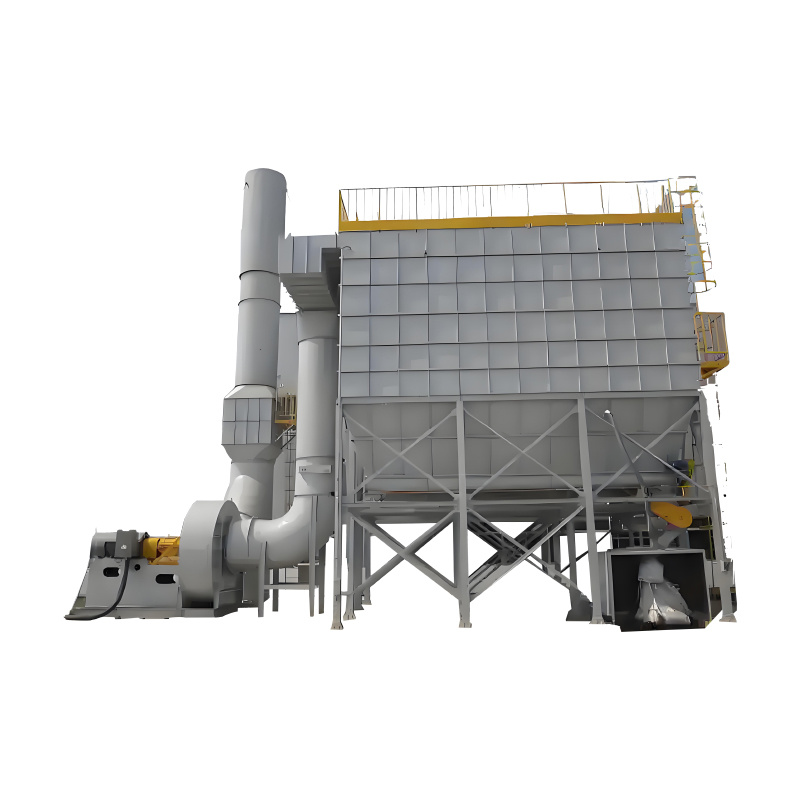
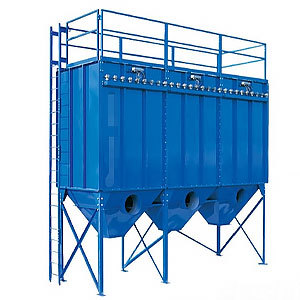
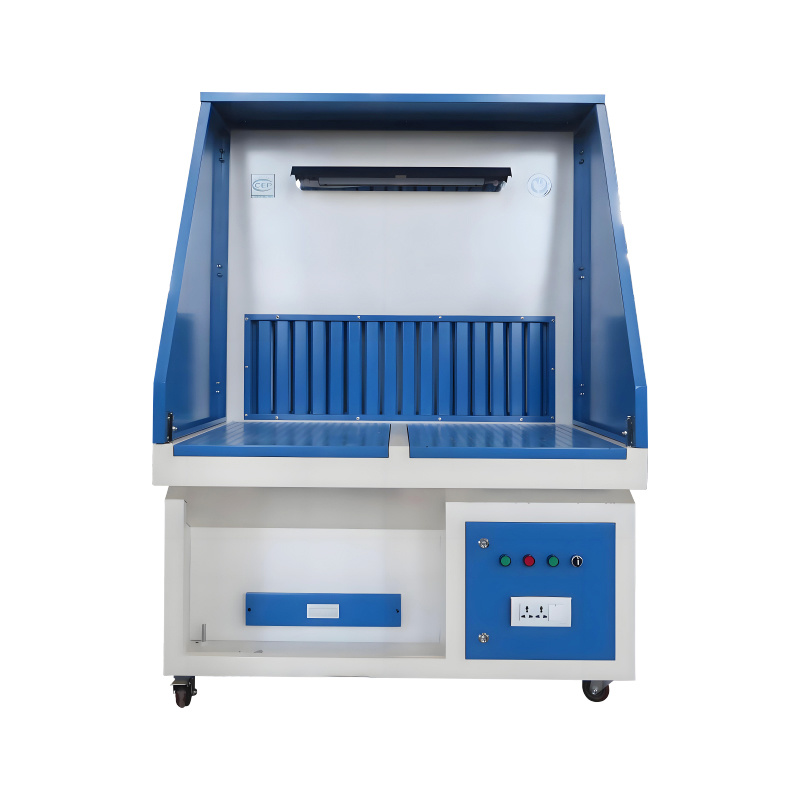
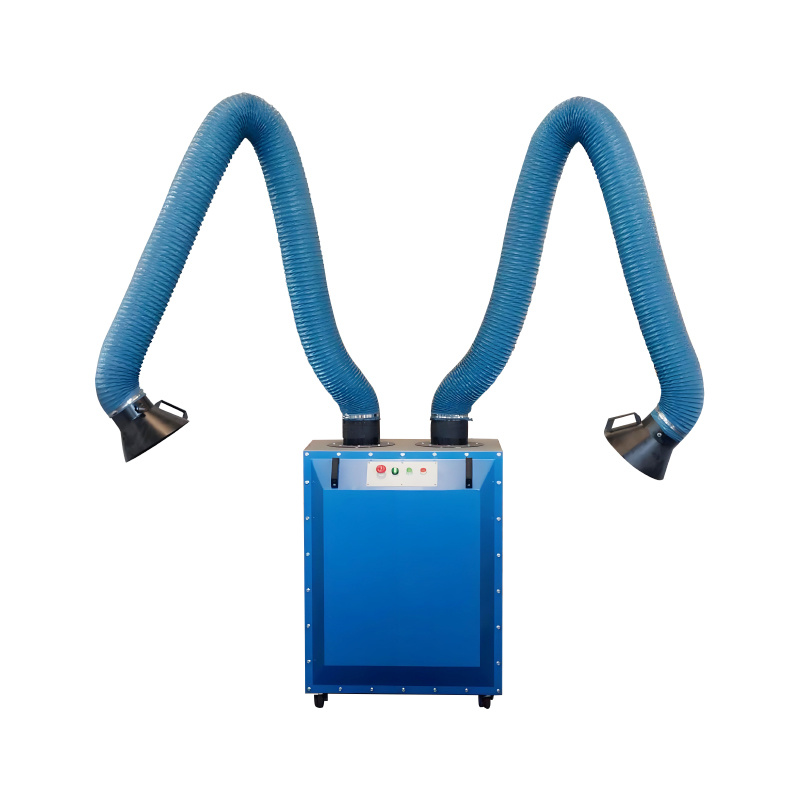









Common Problems in Dust Collection and How ESP Collecting Plates Solve Them
Feb 04,2026
Common Problems in Dust Collection and How ESP Collecting Plates Solve Them
Introduction to Dust Collection Systems
In industrial environments, the importance of effective dust collection systems cannot be overstated. These systems are essential for maintaining air quality, protecting worker health, and ensuring compliance with environmental regulations. However, despite their critical role, many
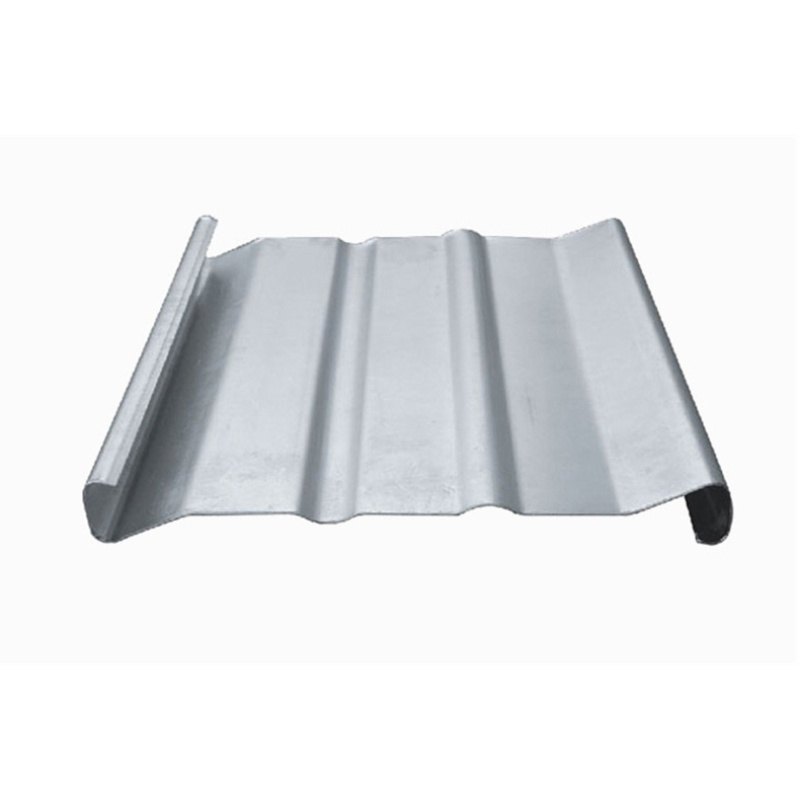
Common Problems in Dust Collection and How ESP Collecting Plates Solve Them
Introduction to Dust Collection Systems
In industrial environments, the importance of effective dust collection systems cannot be overstated. These systems are essential for maintaining air quality, protecting worker health, and ensuring compliance with environmental regulations. However, despite their critical role, many facilities experience common problems that can significantly hinder performance. Understanding these challenges and the solutions provided by ESP (Electrostatic Precipitator) collecting plates can lead to improved operational efficiency and better air quality.
The Role of Dust Collection Systems in Industrial Settings
Dust collection systems serve several purposes in industrial settings, including:
- **Enhancing air quality:** By capturing harmful particulates, these systems help maintain a safe environment for workers and reduce health risks.
- **Protecting equipment:** Dust accumulation can lead to wear and tear on machinery, resulting in costly repairs and downtimes.
- **Regulatory compliance:** Many industries are mandated to adhere to strict air quality standards. Effective dust collection systems aid in meeting these regulations.
Common Problems in Dust Collection Systems
While dust collection systems are vital, they often face numerous issues that compromise their effectiveness. Here are some of the most prevalent problems:
1. Inefficient Filtration
Inefficient filtration leads to poor dust removal, allowing harmful particles to escape. This problem can arise from:
- **Incorrect filter selection:** Using filters that are not suited for specific dust types can reduce efficiency.
- **Clogged filters:** Dust accumulation can obstruct airflow, further diminishing filtration effectiveness.
2. Equipment Wear and Tear
Dust can accelerate the wear and tear of equipment, leading to operational inefficiencies. Common causes include:
- **Abrasion of components:** Fine dust particles can wear down fans, ducts, and other parts.
- **Corrosion:** Some dust types can be corrosive, leading to premature failure of equipment.
3. Maintenance Challenges
Regular maintenance is crucial for dust collection systems, yet many facilities encounter difficulties:
- **Access issues:** In some setups, accessing filters and components for maintenance can be challenging.
- **High maintenance costs:** Frequent repairs and replacements can strain budgets.
4. Inconsistent Airflow
Airflow inconsistencies can hinder dust collection effectiveness. Factors contributing to this issue include:
- **Leaky ductwork:** Holes or gaps can allow air to escape, reducing system efficiency.
- **Variable dust loads:** Fluctuating dust levels can affect airflow rates and system performance.
5. Energy Inefficiencies
Dust collection systems can be energy-intensive. Common sources of energy inefficiencies include:
- **Overly powerful fans:** Using fans that are too powerful can lead to excessive energy consumption.
- **Poor system design:** Inefficient duct layouts can require more energy to maintain airflow.
How ESP Collecting Plates Address Common Dust Collection Problems
ESP collecting plates offer innovative solutions to the challenges faced by traditional dust collection systems. Here’s how they tackle each of the common problems outlined above:
1. Enhancing Filtration Efficiency
ESP collecting plates utilize electrostatic forces to capture dust particles effectively. This technology works by:
- **Charging particles:** Dust particles are charged as they pass through the ESP, allowing them to adhere to the collecting plates.
- **Higher capture rates:** The electrostatic process increases the efficiency of particle capture compared to conventional filters.
2. Minimizing Equipment Wear
By improving dust capture rates, ESP collecting plates reduce the overall dust load that can cause wear and tear on equipment. Benefits include:
- **Less abrasive impact:** The reduction of fine dust particles minimizes abrasion on machinery.
- **Corrosion resistance:** ESP systems can be designed to handle specific dust types, reducing corrosion risks.
3. Simplifying Maintenance
ESP systems are designed for ease of maintenance. Key features include:
- **Accessible components:** ESP collecting plates can often be removed and cleaned with minimal effort.
- **Longer operational lifespan:** With reduced wear and tear, these systems typically require less frequent maintenance.
4. Ensuring Consistent Airflow
ESP collecting plates contribute to maintaining consistent airflow within dust collection systems:
- **Self-regulating operation:** The electrostatic process helps maintain stable airflow even with varying dust loads.
- **Reduced duct issues:** The design of ESP systems often minimizes the risk of leaks and blockages.
5. Improving Energy Efficiency
Utilizing ESP collecting plates can lead to significant energy savings. Benefits include:
- **Optimized fan usage:** With better dust capture efficiency, airflow requirements may decrease, allowing for smaller, more energy-efficient fans.
- **Streamlined design:** ESP systems can be designed for optimal energy use, reducing overall operational costs.
Choosing the Right ESP Collecting Plates for Your Application
Selecting the most suitable ESP collecting plates for your specific application is crucial for achieving optimal results. Consider the following factors:
1. Dust Characteristics
Understanding the type of dust present in your facility is essential for effective dust collection. Factors to assess include:
- **Particle size:** Different ESP systems are designed to handle specific particle sizes.
- **Chemical composition:** Some dust materials may require specialized ESP configurations to avoid corrosion.
2. Airflow Requirements
Evaluate the airflow requirements of your system to determine the necessary capacity of ESP collecting plates. Key considerations include:
- **Volume of air to be filtered:** Calculate the required airflow rate for your application.
- **Operating conditions:** Consider the temperature and humidity levels that the ESP system will encounter.
3. Installation and Space Constraints
Assess the available space and installation requirements for your ESP collecting plates. Important factors include:
- **System footprint:** Ensure that the ESP system can fit within your facility’s layout.
- **Integration with existing equipment:** Evaluate how the ESP system will connect with your current dust collection setup.
Case Studies: Successful Implementations of ESP Collecting Plates
Real-world examples can illustrate the effectiveness of ESP collecting plates in addressing common dust collection problems. Here are a few case studies:
1. Automotive Manufacturing Facility
An automotive manufacturing facility faced issues with excessive dust accumulation on machinery. After implementing ESP collecting plates, the facility reported:
- **A 40% reduction in machinery wear:** The enhanced filtration efficiency minimized dust exposure on critical components.
- **Lower maintenance costs:** The systems required less frequent servicing, resulting in significant cost savings.
2. Food Processing Plant
A food processing plant struggled with compliance issues due to high dust levels. By switching to ESP technology, they achieved:
- **Improved air quality:** The facility met regulatory standards for airborne particulate levels.
- **Increased production efficiency:** With cleaner equipment, production downtime was reduced.
3. Woodworking Shop
A woodworking shop experienced inconsistent airflow and frequent blockages in their dust collection system. After installing ESP collecting plates, they observed:
- **Stable airflow:** The self-regulating nature of the ESP technology maintained consistent airflow rates.
- **Significant energy savings:** The shop reduced energy consumption by 30%, leading to lower operational costs.
Conclusion
In summary, dust collection systems play a vital role in ensuring safety, equipment longevity, and regulatory compliance in industrial environments. However, common problems such as inefficient filtration, equipment wear, and maintenance challenges can significantly hinder performance. ESP collecting plates provide a robust solution to these issues, offering enhanced filtration efficiency, reduced equipment wear, simplified maintenance, consistent airflow, and improved energy efficiency. By understanding the characteristics of your dust collection needs and selecting the right ESP technology, facilities can optimize their operations and maintain a safe, compliant environment.
Frequently Asked Questions (FAQs)
1. What is an ESP collecting plate?
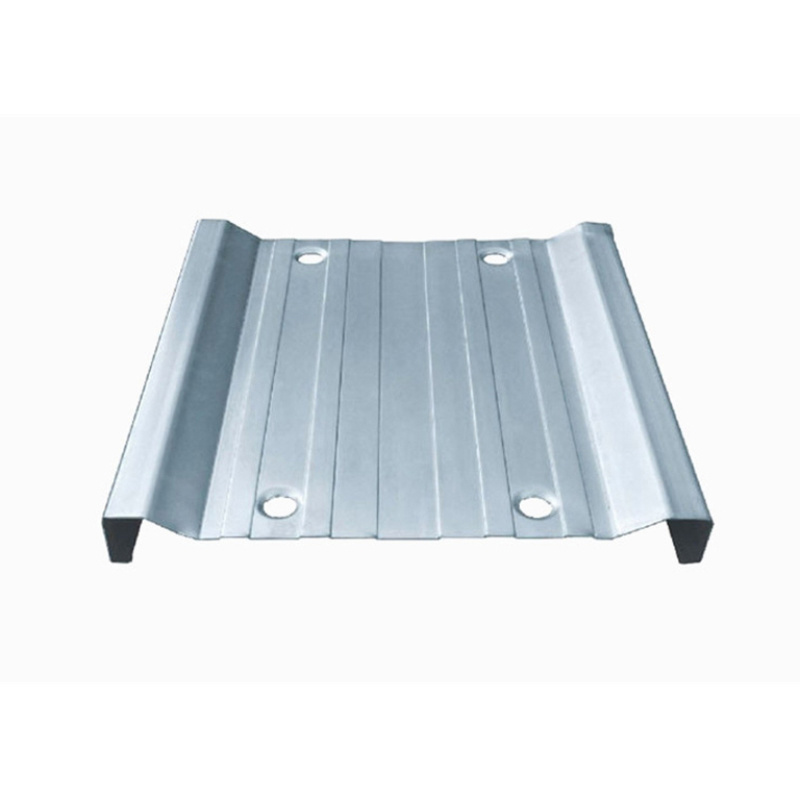
ESP collecting plates are components of an Electrostatic Precipitator that use electrostatic forces to capture dust particles from the air.
2. How do ESP collecting plates differ from traditional filters?
ESP collecting plates utilize electrostatic charges to capture particles, making them more efficient than traditional filters in many applications.
3. What types of dust can ESP collecting plates handle?
ESP collecting plates can be designed to handle a wide variety of dust types, including fine particulate matter and specific chemical compositions.
4. How often do ESP systems require maintenance?
ESP systems generally require less frequent maintenance than traditional dust collection systems due to their durability and reduced wear on components.
5. Are ESP collecting plates energy efficient?
Yes, ESP collecting plates can lead to significant energy savings by optimizing airflow and reducing the need for high-capacity fans.
Hot Tags:


Contact Us
Tel:
WeChat:
WhatsApp:
E-mail:
Address:
338 National Road South, Longfengdian Village, Botou City, Hebei Province, China
JiuznTomine is expertly delivering technically complicated projects in markets & provides custom solutions for their customized need.


CONTACT INFO
Tel: +86 18531710311
WeChat: +86-18531710311
338 National Road South, Longfengdian Village, Botou City, Hebei Province, China