













Understanding the Efficiency of Baghouse Dust Collectors in Industrial Applications
Feb 02,2026
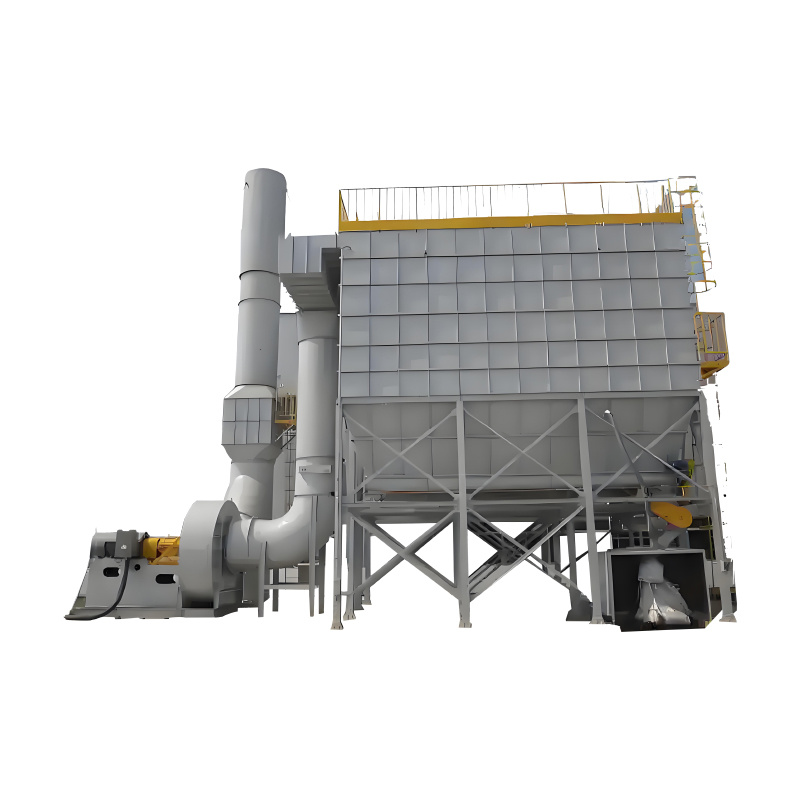
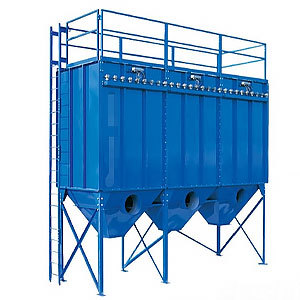
Baghouse Dust Collectors are vital components in industrial air purification systems, designed to effectively remove particulate matter from exhaust gases. These systems play a crucial role in maintaining air quality in various manufacturing and processing environments, ensuring compliance with environmental regulations and enhancing worker safety.
The operation of a Baghouse Dust Collector is bas
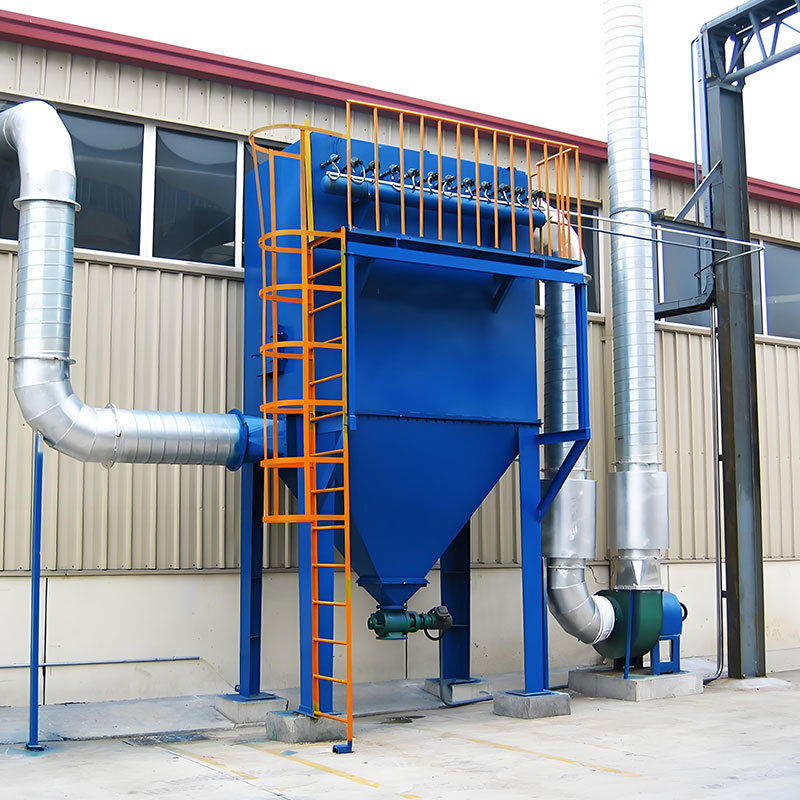
Baghouse Dust Collectors are vital components in industrial air purification systems, designed to effectively remove particulate matter from exhaust gases. These systems play a crucial role in maintaining air quality in various manufacturing and processing environments, ensuring compliance with environmental regulations and enhancing worker safety.
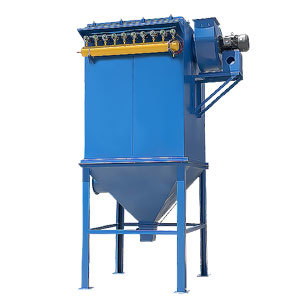
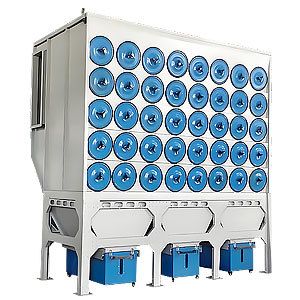
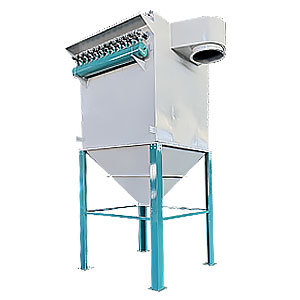
The operation of a Baghouse Dust Collector is based on a simple yet effective principle: the dust-laden air flows through a series of filter bags, which capture the particles while allowing clean air to pass through. The collected dust accumulates on the surface of the filter bags, and periodic cleaning methods, such as reverse air or pulse jet cleaning, are employed to dislodge the dust and maintain optimal airflow. This cleaning process is essential for ensuring the efficiency and longevity of the dust collection system.
One of the key advantages of Baghouse Dust Collectors is their versatility. They can be used in a wide range of industries, including woodworking, metalworking, food processing, and chemical manufacturing, among others. Their ability to handle high dust loads and varying particle sizes makes them suitable for different applications, providing a tailored solution to meet specific operational needs.
In addition to improving air quality, Baghouse Dust Collectors contribute to enhanced operational efficiency. By capturing dust and other airborne contaminants, these systems help prevent equipment wear and reduce the risk of explosions or fires caused by combustible dust. This not only protects the health and safety of employees but also minimizes downtime and maintenance costs associated with dust-related equipment failures.
Furthermore, Baghouse systems are designed with energy efficiency in mind. Many modern units incorporate advanced technologies that optimize airflow and minimize energy consumption, making them a cost-effective choice for industries looking to enhance their sustainability efforts.
Maintenance is a critical factor in the performance of Baghouse Dust Collectors. Regular inspections and timely replacement of filter bags are necessary to ensure the system operates efficiently. Additionally, monitoring the pressure drop across the filter bags can provide insights into when cleaning or replacement is needed, helping to maintain optimal performance and avoid unnecessary operational disruptions.
In conclusion, Baghouse Dust Collectors are essential for any industrial operation that generates dust and particulate matter. Their efficient design and robust performance make them an invaluable investment for maintaining air quality, ensuring regulatory compliance, and promoting a safe working environment. By understanding the principles and benefits of these systems, industries can make informed decisions that align with their operational goals and sustainability initiatives.
The operation of a Baghouse Dust Collector is based on a simple yet effective principle: the dust-laden air flows through a series of filter bags, which capture the particles while allowing clean air to pass through. The collected dust accumulates on the surface of the filter bags, and periodic cleaning methods, such as reverse air or pulse jet cleaning, are employed to dislodge the dust and maintain optimal airflow. This cleaning process is essential for ensuring the efficiency and longevity of the dust collection system.
One of the key advantages of Baghouse Dust Collectors is their versatility. They can be used in a wide range of industries, including woodworking, metalworking, food processing, and chemical manufacturing, among others. Their ability to handle high dust loads and varying particle sizes makes them suitable for different applications, providing a tailored solution to meet specific operational needs.
In addition to improving air quality, Baghouse Dust Collectors contribute to enhanced operational efficiency. By capturing dust and other airborne contaminants, these systems help prevent equipment wear and reduce the risk of explosions or fires caused by combustible dust. This not only protects the health and safety of employees but also minimizes downtime and maintenance costs associated with dust-related equipment failures.
Furthermore, Baghouse systems are designed with energy efficiency in mind. Many modern units incorporate advanced technologies that optimize airflow and minimize energy consumption, making them a cost-effective choice for industries looking to enhance their sustainability efforts.
Maintenance is a critical factor in the performance of Baghouse Dust Collectors. Regular inspections and timely replacement of filter bags are necessary to ensure the system operates efficiently. Additionally, monitoring the pressure drop across the filter bags can provide insights into when cleaning or replacement is needed, helping to maintain optimal performance and avoid unnecessary operational disruptions.
In conclusion, Baghouse Dust Collectors are essential for any industrial operation that generates dust and particulate matter. Their efficient design and robust performance make them an invaluable investment for maintaining air quality, ensuring regulatory compliance, and promoting a safe working environment. By understanding the principles and benefits of these systems, industries can make informed decisions that align with their operational goals and sustainability initiatives.
Hot Tags:

Contact Us
Tel:
WeChat:
WhatsApp:
E-mail:
Address:
338 National Road South, Longfengdian Village, Botou City, Hebei Province, China
JiuznTomine is expertly delivering technically complicated projects in markets & provides custom solutions for their customized need.


CONTACT INFO
Tel: +86 18531710311
WeChat: +86-18531710311
338 National Road South, Longfengdian Village, Botou City, Hebei Province, China