











Replacement cycle and operating specifications for bag filter bags in bag dust collectors
Feb 04,2026

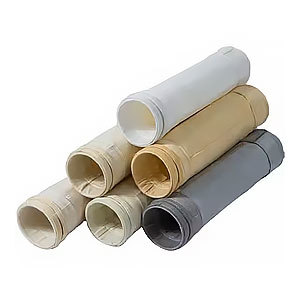
The filter bag is the core filtering component of the bag filter, and its service life and replacement standardization directly affect the dust removal efficiency, operational stability, and energy consumption of the equipment. This article combines practical experience from overseas industrial sites to refine the methods and standard operating procedures for determining the replacement cycle of filter bags. It has no marketing orientation and only provides a concise and practical technical reference for foreign trade practitioners and on-site operation and maintenance personnel.
1、 Filter bag replacement cycle judgment (no fixed standard, subject to working condition adaptation)
There is no unified fixed cycle for replacing filter bags, and the core depends on the material of the filter bag, working conditions, and daily maintenance level. The following are specific judgment criteria and common cycle ranges, suitable for mainstream industrial scenarios overseas.
1. Core judgment basis: The filtering resistance remains high (exceeding 1500Pa and cannot be reduced after dust cleaning adjustment); The dust removal efficiency has significantly decreased (with emissions exceeding the standard); The filter bag shows signs of damage, aging, sticking, hardening, etc., and the number of damages exceeds 5% of the total number of filter bags.
2. Common replacement cycle range: ordinary polyester filter bags (at room temperature, low concentration non sticky dust), 1-2 years; High temperature filter bag (such as PTFE, fiberglass material, resistant to temperatures above 120 ℃), 2-3 years; High concentration, viscous or sharp particle dust working conditions, 0.5-1 year.
3. Key points for auxiliary judgment: During daily inspections, if abnormal powder content is found in the ash hopper discharge, ash is emitted from the chimney, or the ash cleaning system is running normally but with high resistance, the status of the filter bag should be checked in a timely manner to determine whether it needs to be replaced.
2、 Standard operating steps for replacing filter bags (concise and practical)
The replacement operation should follow the principles of safety, standardization, and efficiency to avoid damaging equipment components or affecting subsequent operation. The specific steps are as follows, adapted to the overseas on-site operation and maintenance process.
(1) Preparation before replacement
1. Safety protection: Operators should wear dust masks, gloves, and protective clothing to avoid contact with dust; High altitude operations require wearing safety belts and providing warnings around the equipment.
2. Equipment shutdown: Close the inlet and outlet valves of the bag filter, stop the operation of the fan and dust cleaning system, cut off the power supply of the equipment, and hang the "shutdown maintenance" sign.
3. Preparation of tools and materials: Prepare new filter bags (with the same material and specifications as the original filter bags, suitable for working conditions), wrenches, screwdrivers, sealing gaskets, and specialized tools for dust collectors, and clean up debris in the work area.
4. Internal ventilation: Open the dust collector maintenance door and ventilate for 10-15 minutes to reduce the concentration of internal dust and avoid dust coughing during operation.
(2) Dismantling of old filter bag
1. Disassemble the spray pipe (if necessary): Use a wrench to loosen the fixing bolt of the spray pipe, gently remove the spray pipe, and place it in the designated area to avoid collision and damage to the spray nozzle.
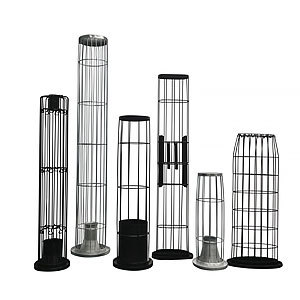
2. Remove the old filter bag: Grasp the upper opening of the filter bag, gently lift it upwards to detach it from the flower plate hole, and then remove the filter bag downwards (including the filter bag frame, if the filter bag needs to be replaced separately, the frame can be separated).
3. Treatment of old filter bags: Collect damaged and aged old filter bags in a centralized manner, seal and store them, dispose of them properly according to local environmental standards, and prohibit arbitrary disposal.
4. Cleaning inspection: Clean the dust and debris around the flower plate holes, check whether the flower plate and filter bag skeleton are deformed or worn. If there are any abnormalities, they should be dealt with in a timely manner to avoid affecting the installation of new filter bags.
(3) Installation of new filter bag
1. Check the new filter bag: Confirm that the new filter bag is not damaged or wrinkled, and that the material, specifications, and working conditions are compatible. If necessary, check the sealing performance of the filter bag.
2. Install the filter bag: Place the new filter bag on the filter bag frame (if any), gently press it to ensure that the filter bag is tightly attached to the frame; Align the upper opening of the filter bag with the flower plate hole and press down to ensure that the sealing surface of the upper opening of the filter bag is tightly adhered to the flower plate without any gaps.
3. Fixing the filter bag: Use clamps or bolts to fix the upper opening of the filter bag, tighten the fasteners to ensure that the filter bag is installed firmly and avoid shaking or air leakage during operation.
4. Reset the spray pipe: Reset the spray pipe, align it with the spray nozzle on the upper opening of the filter bag, tighten the fixing bolts, and ensure that the spray nozzle is aligned with the center of the filter bag without deviation.
(4) Inspection and trial operation after replacement
1. Comprehensive inspection: Check whether all new filter bags are installed firmly, whether the sealing is good, and whether there are any abnormalities in the flower board, spray pipe, and skeleton; Clean the work area and close the maintenance door.
2. No load test run: Connect the equipment power supply, start the fan and dust cleaning system, run without load for 5-10 minutes, check whether the equipment's operating sound and filtering resistance are normal, and whether there is any air leakage or abnormal noise.
3. Load test run: After the no-load is normal, start the feeding system and run it under load for 30 minutes. Monitor the filtration resistance and dust removal efficiency, confirm that there are no abnormalities, and then resume normal operation.
3、 Key considerations (refinement focus)
1. The new filter bag must be completely consistent with the original specifications and materials. It is strictly prohibited to mix filter bags of different materials and sizes to avoid affecting the dust removal effect and equipment operation.
During the replacement process, it is strictly prohibited to damage the sealing surface and filter material of the filter bag, in order to avoid damage or scratches to the filter bag, which may cause air leakage.
3. If the number of filter bags to be replaced in a single operation is small, it is necessary to ensure that the filter bags that have not been replaced are in good condition to avoid affecting the overall operation due to individual filter bag damage.
4. After replacement, it is necessary to monitor the changes in filtration resistance. If the resistance increases abnormally, it is necessary to promptly investigate the installation of the filter bag or the cleaning system.
5. Daily maintenance can extend the lifespan of filter bags and reduce the frequency of replacement. It is recommended to regularly check the dust cleaning system to avoid filter bag sticking or blockage.
The replacement cycle of filter bags should be scientifically judged based on the working conditions and filter bag status, and should not be blindly replaced at a fixed time; Standardized replacement operation is the key to ensuring the stable and efficient operation of bag filters. Strictly following the above steps and precautions can reduce equipment failure rates, extend the service life of filter bags, and meet the practical needs of overseas industrial dust control.
Hot Tags:

Contact Us
Tel:
WeChat:
WhatsApp:
E-mail:
Address:
338 National Road South, Longfengdian Village, Botou City, Hebei Province, China
JiuznTomine is expertly delivering technically complicated projects in markets & provides custom solutions for their customized need.


CONTACT INFO
Tel: +86 18531710311
WeChat: +86-18531710311
338 National Road South, Longfengdian Village, Botou City, Hebei Province, China