












Key words:

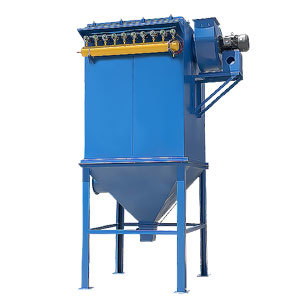
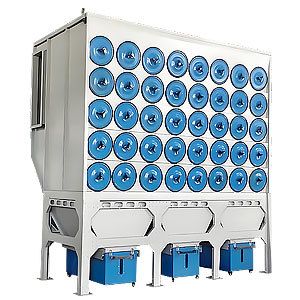
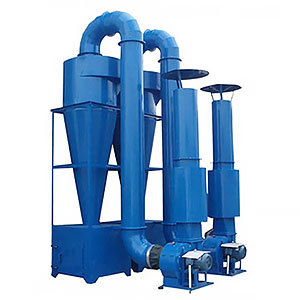
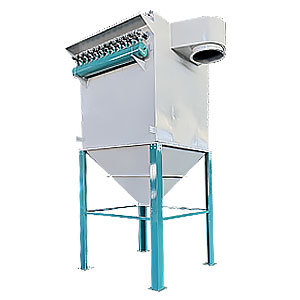
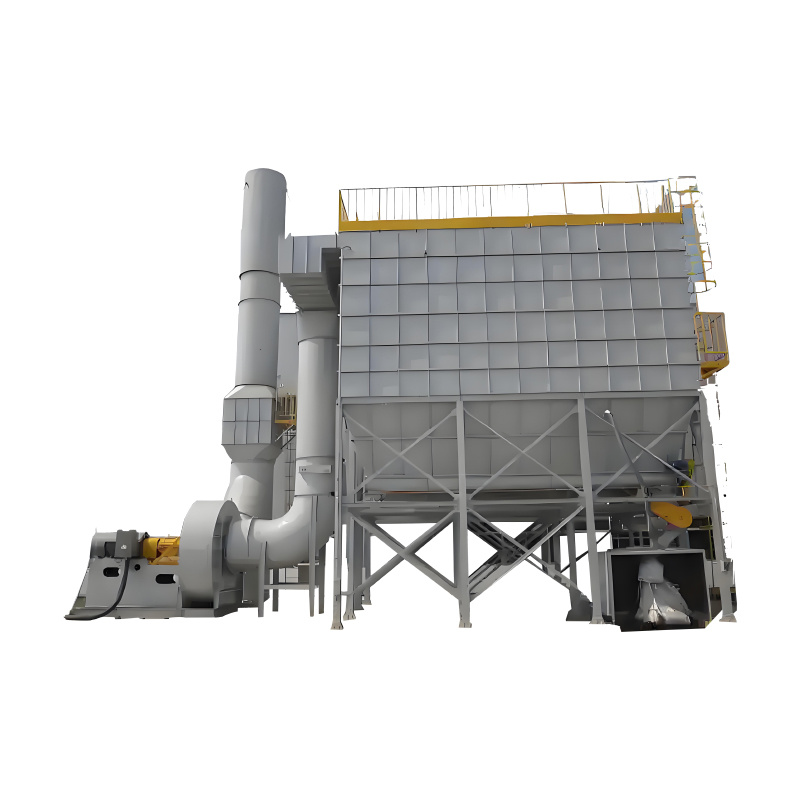
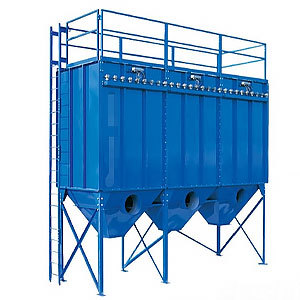
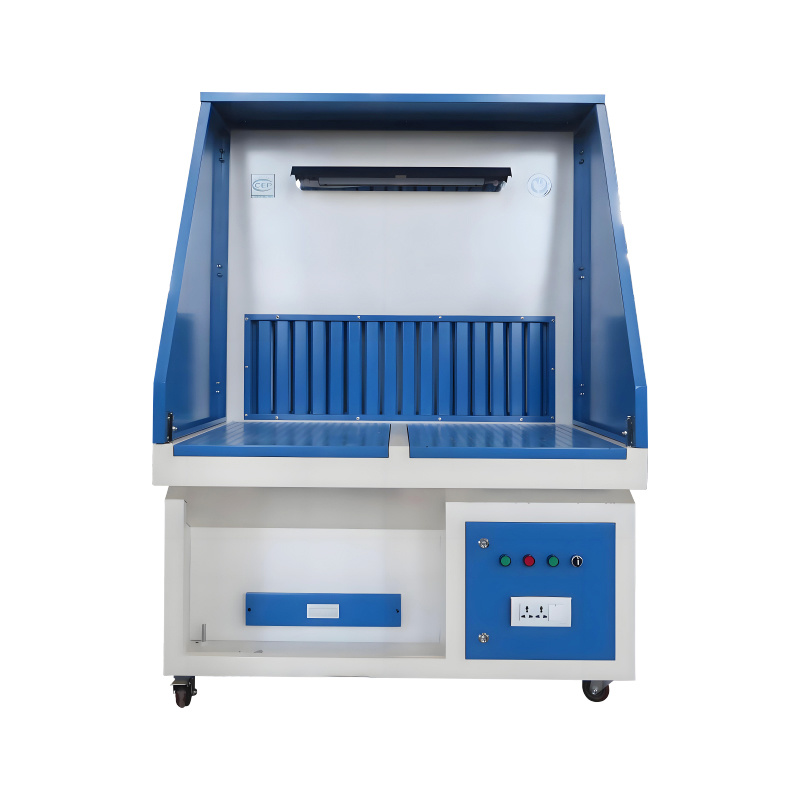
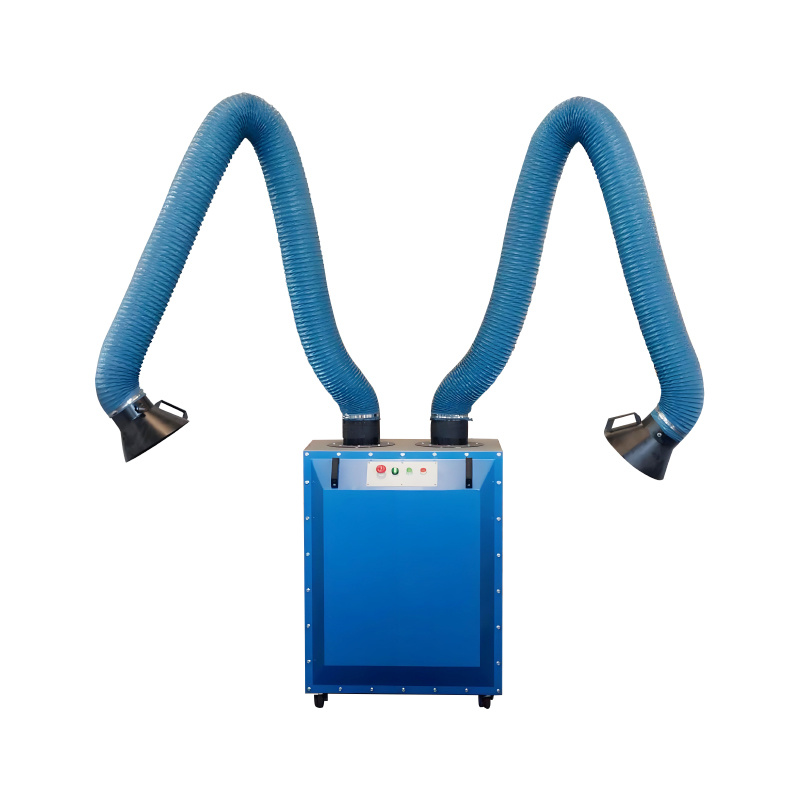
Detailed explanation of mainstream industrial dust collector types and application scenarios
In the field of industrial manufacturing and waste gas treatment, dust removal equipment is the core defense line to ensure workshop air quality, maintain employee occupational health, and ensure compliant operation of enterprises.
Key words:
Industrial Dust Removal Equipment Selection Guide: Dust Control Solutions for Overseas Factories
With the reorganization of the global manufacturing supply chain, more and more companies are establishing production bases overseas.
Key words:
In heavy industries such as mining, beneficiation, crushing, and metallurgical smelting, dust control is not only to meet environmental emission requirements, but also a core link to ensure production safety.
Key words:
At the beginning of 2026, with the official implementation of a series of new national standards such as the "Emission Standards for Air Pollutants in the Refractory Industry" (GB 46790-2025), China's industrial furnace air pollution control has officially entered a new stage.
Key words:
With the continuous upgrading of air quality and occupational health standards in various countries, strict environmental regulations are no longer the policy orientation of a single country, but have evolved into a common threshold for global trade.
Key words:
In the powder chemical, fine chemical, and pharmaceutical industries, dust control is not only related to environmental standards, but also directly related to production safety.
Key words:
Latest Products
Latest News
JiuznTomine is expertly delivering technically complicated projects in markets & provides custom solutions for their customized need.


CONTACT INFO
Tel: +86 18531710311
WeChat: +86-18531710311
338 National Road South, Longfengdian Village, Botou City, Hebei Province, China