











Detailed explanation of mainstream industrial dust collector types and application scenarios
May 30,2026

In the field of industrial manufacturing and waste gas treatment, dust removal equipment is the core defense line to ensure workshop air quality, maintain employee occupational health, and ensure compliant operation of enterprises. In the face of complex and ever-changing production processes and dust characteristics, it is crucial to scientifically choose a dust removal technology route. At present, the mainstream dust removal equipment in the global industrial sector mainly includes four categories: cyclone dust collectors, bag filters, filter cartridges, and electrostatic precipitators, each with unique physical mechanisms and applicable boundaries.
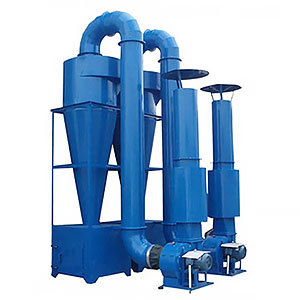
1、 Cyclone dust collector: the "economic defense line" for coarse particle pretreatment
The cyclone dust collector is the most classic mechanical dust removal device, whose core principle is to use centrifugal force to throw particles in the dusty airflow towards the cylinder wall and slide down to the ash hopper. Due to not relying on any filtering media, the device has an extremely simple structure, high temperature resistance, wear resistance, and almost no failure rate. The initial investment and maintenance costs are extremely low. However, its capture efficiency for fine dust (usually less than 5 μ m) is low, making it difficult to meet modern stringent environmental emission standards. Therefore, in practical applications, cyclone dust collectors are rarely used as the final emission control equipment, but are widely used as pre-treatment devices, specifically designed to intercept large particles and high concentration dry dust generated during wood processing, grain transportation, or metal cutting, thereby significantly reducing the load on downstream precision dust removal equipment.
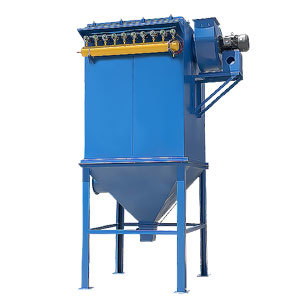
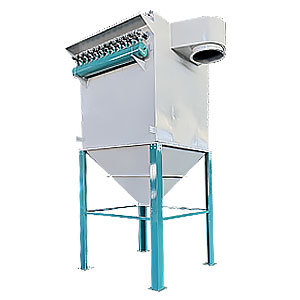
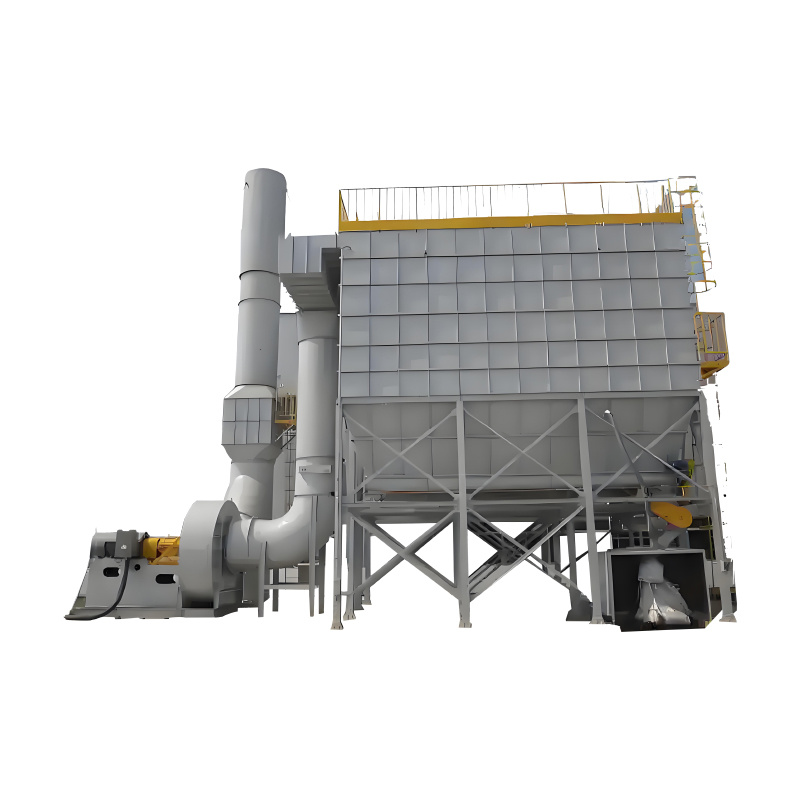
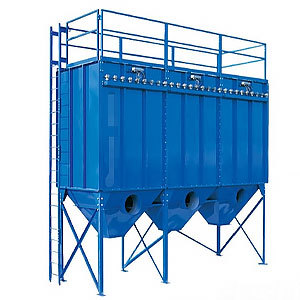
2、 Bag filter: the absolute mainstay of efficient purification in heavy industry
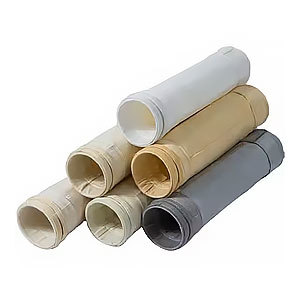
Bag filter is currently the most widely used dry dust filtration technology in industry. It physically intercepts dusty gases through fabric filter bags, achieving a stable dust removal efficiency of over 99.5% and accurately capturing sub micron fine dust. The emission concentration can be easily controlled below 10mg/m ³. Thanks to the diversified development of filter material materials (such as PPS, PTFE, etc.), bag filters can not only cope with normal temperature conditions, but also withstand extreme environments such as high temperature and strong acid-base corrosion. Therefore, it has become the preferred solution in the fields of cement production, metallurgical smelting, thermal power generation, waste incineration, and large-scale boiler flue gas treatment, especially suitable for handling heavy industrial scenarios with high air volume and dust concentration.
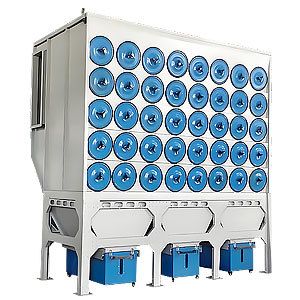
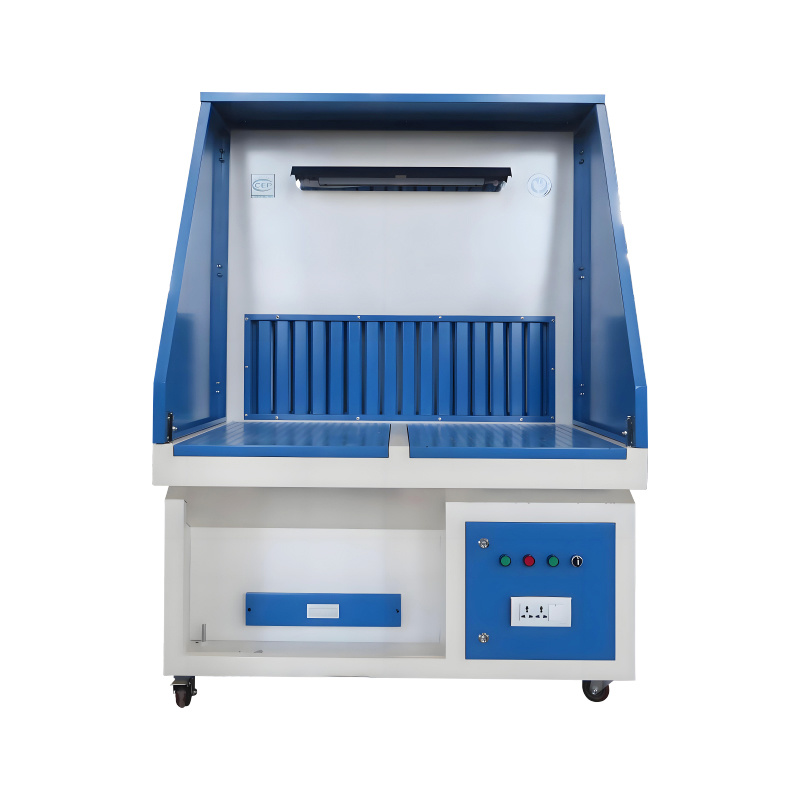
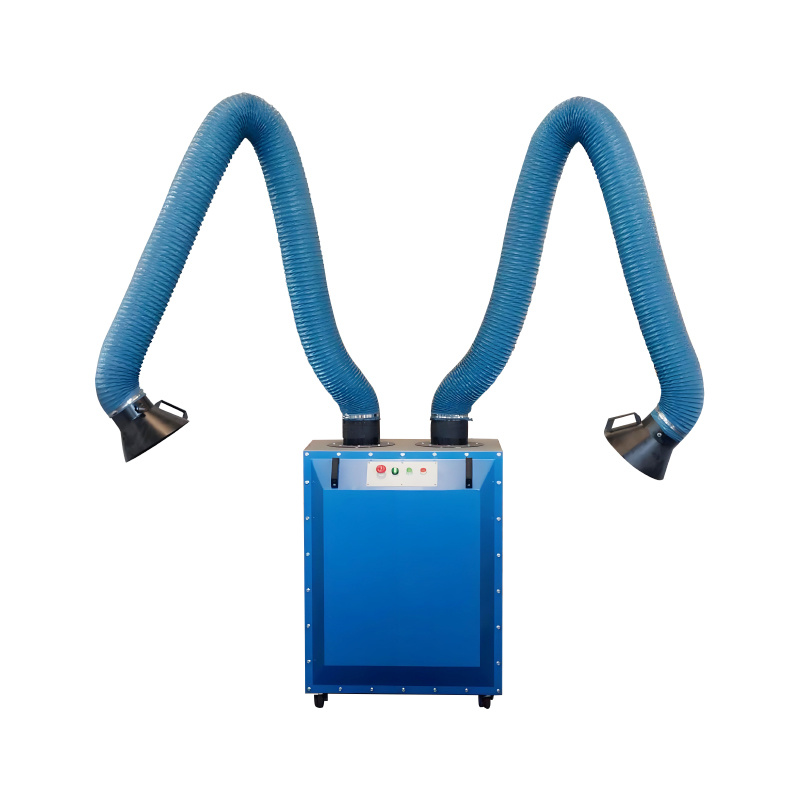
3、 Filter cartridge dust collector: "high-precision expert" in compact space
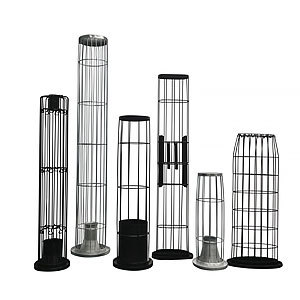
As an upgraded iteration product of traditional bag filter, the filter cartridge dust collector adopts a foldable cylindrical filter element design. This structure allows it to have a filtration area that is 2 to 3 times larger than a bag filter in the same volume, significantly reducing the equipment footprint and lowering system operating resistance. The filter cartridge dust collector has extremely high filtration accuracy and convenient pull-out replacement and maintenance experience, making it very suitable for modern workshops with limited space and high cleanliness requirements. Its typical application scenarios include mechanical processing polishing, laser cutting smoke, welding smoke, as well as fine dry dust treatment in the pharmaceutical and electronics industries. However, due to the characteristics of the filter material, it is usually not suitable for harsh working conditions such as high temperature or high humidity.
4、 Electrostatic precipitator: a "low resistance weapon" for ultra high airflow flue gas
The electrostatic precipitator (ESP) uses high-voltage corona discharge to charge dust and adsorb it onto the electrode plate under the action of electric field force to complete collection. The biggest advantage of this technology is its extremely low system resistance, low energy consumption, and the ability to continuously process high-temperature and ultra high airflow flue gas below 400 ℃ for a long time. Despite its large equipment, high cost, and certain requirements for dust specific resistance, it still has irreplaceability in specific fields. At present, electrostatic precipitators are still the mainstream configuration for large-scale flue gas treatment projects such as coal-fired power plants, large industrial boilers, and some steel plants. With the application of new technologies such as high-frequency power supplies and mobile electrodes, they have also demonstrated strong vitality in ultra-low emission transformation.
In summary, the selection of industrial dust removal equipment is essentially a "matching problem" based on the characteristics of the working conditions. When planning dust control plans, enterprises should comprehensively consider multidimensional factors such as particle size distribution, temperature and humidity conditions, processing air volume, and site limitations. Whether using a single high-efficiency dust removal technology or building a multi-stage collaborative purification system of "cyclone+bag/filter cartridge", only by adapting accurately to local conditions can we achieve the best balance between pollution control efficiency and operating costs while meeting increasingly strict environmental regulations.
Hot Tags:


Contact Us
Tel:
WeChat:
WhatsApp:
E-mail:
Address:
338 National Road South, Longfengdian Village, Botou City, Hebei Province, China
JiuznTomine is expertly delivering technically complicated projects in markets & provides custom solutions for their customized need.


CONTACT INFO
Tel: +86 18531710311
WeChat: +86-18531710311
338 National Road South, Longfengdian Village, Botou City, Hebei Province, China