

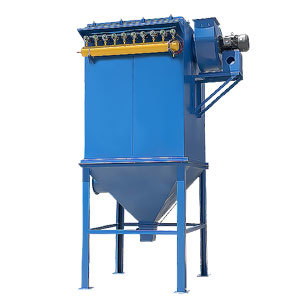
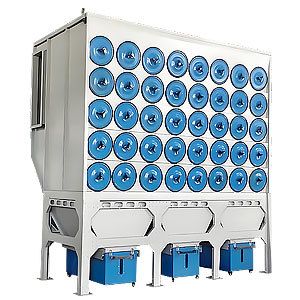
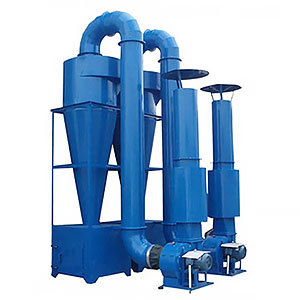

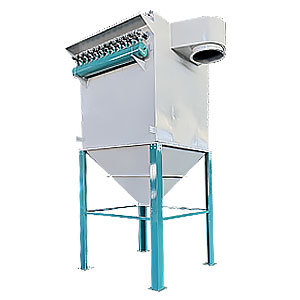
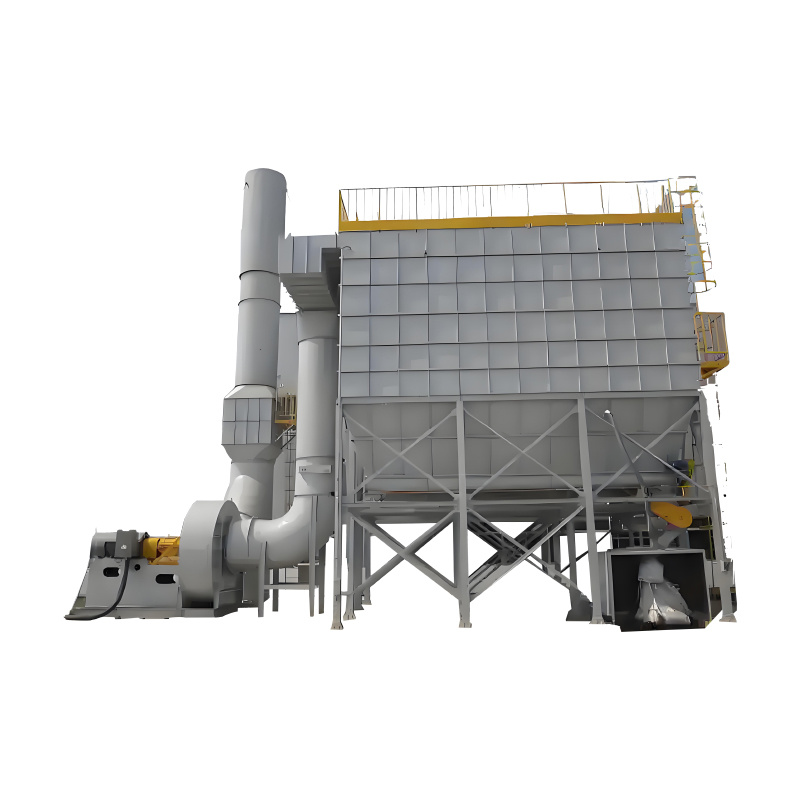
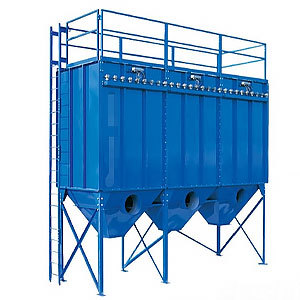
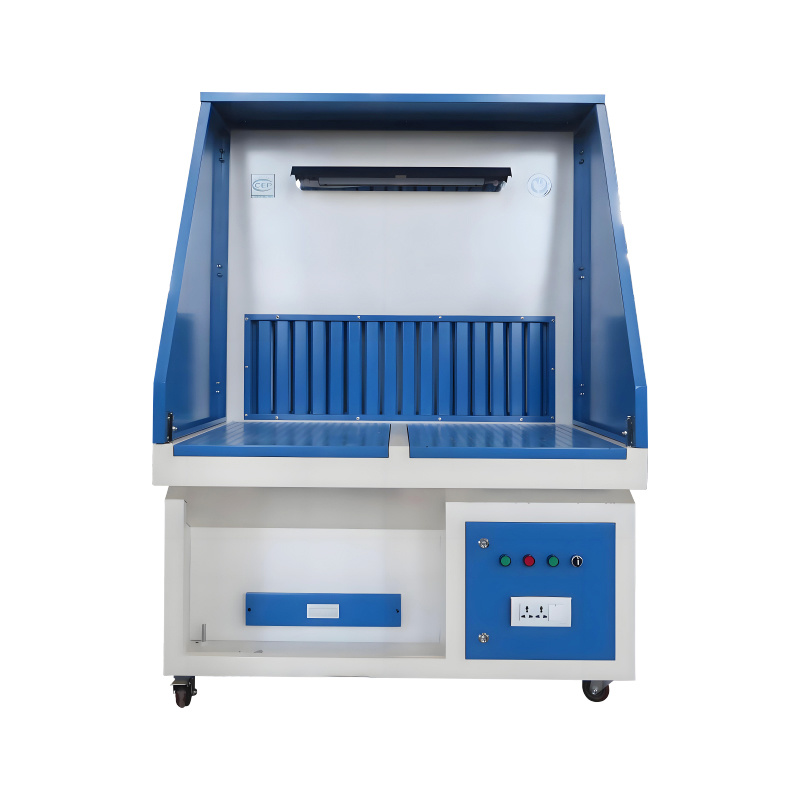
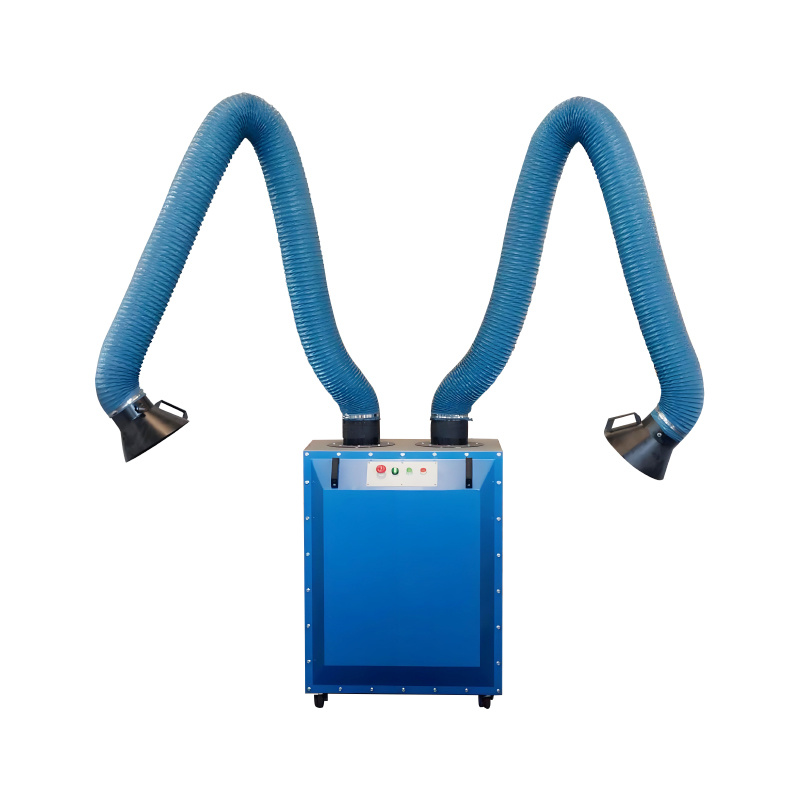









99.9% Efficient Filter Dust Collector: Technical Analysis for Deep Purification of Dust and Waste Gas
May 30,2026

With the continuous tightening of global environmental regulations and the continuous improvement of occupational health standards, industrial waste gas treatment has fully entered the era of "deep purification". The traditional extensive dust removal methods are no longer able to meet the strict control requirements for submicron particles. In this context, high-efficiency filter dust collectors that can achieve a capture efficiency of over 99.9% have become the core equipment for ensuring ultra-low emissions, thanks to their excellent physical interception mechanism and advanced material science.
1、 Breaking through physical limits: Multi coordinated micro capture mechanism
Achieving an extremely high filtration efficiency of over 99.9% is not solely based on a single screening process, but rather the collaborative result of multiple microscopic physical mechanisms. When dusty gas penetrates high-performance filter media, large particles of dust are mainly intercepted through inertial collision and gravity settling; For fine particles ranging from 0.1 μ m to 1 μ m (such as PM2.5), the equipment highly relies on the Brownian diffusion effect and direct interception mechanism. More importantly, modern high-efficiency dust collectors commonly use PTFE (polytetrafluoroethylene) microporous membrane coating technology or gradient composite structure design. This surface filtration mode blocks the vast majority of dust on the surface of the filter material, avoiding the surge in resistance caused by dust embedding inside the fibers in traditional deep filtration. This ensures a high capture rate while maintaining a low resistance and stable system operation.
2、 Core carrier innovation: from conventional filter media to special fibers
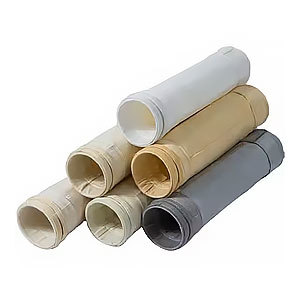
The upper limit of the performance of a dust collector largely depends on the material selection of the filter material. Faced with complex industrial waste gas environments, conventional polyester fibers have gradually been replaced by higher performance specialty materials. For example, under high temperature conditions, high temperature resistant and corrosion-resistant fibers such as polyphenylene sulfide (PPS), polyimide (PI), and aramid have become the mainstream choices; In extreme environments with high humidity, strong acidity or alkalinity, or ultrafine powders, the application of nanofiber coating technology and ceramic fiber filter tubes further enhances the equipment's tolerance and filtration accuracy. These advanced materials not only possess excellent mechanical strength and thermal stability, but also effectively resist chemical corrosion and hydrolysis damage, providing a solid physical foundation for achieving long-term stable filtration efficiency of over 99.9%.
3、 Dynamic Balance Art: Intelligent Dust Cleaning and Flow Field Optimization
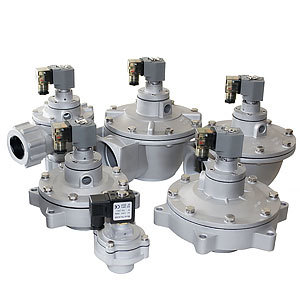
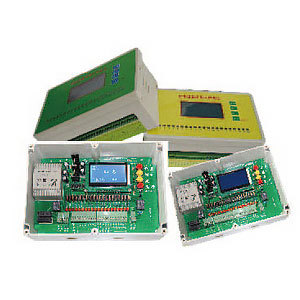
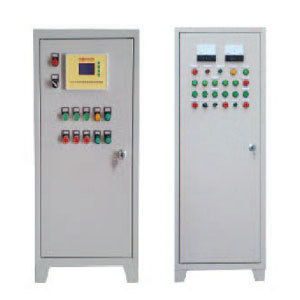
An efficient dust removal system must solve the contradiction between "high-precision filtration" and "continuous smooth operation". If the dust is not cleaned in time, the thick dust layer on the surface of the filter bag will cause the system resistance to soar, forcing the fan to operate at high load; On the contrary, excessive dust cleaning will damage the initial dust layer on the surface of the filter material, causing the emission concentration to rebound instantly and accelerating the wear of the filter material. Modern high-efficiency dust collectors have achieved adaptive pulse blowing control based on real-time resistance by introducing PLC programmable logic controllers and high-precision differential pressure transmitters. At the same time, with the help of computational fluid dynamics (CFD) simulation technology, the intake chamber was designed for uniform flow, ensuring the uniform distribution of airflow between the filter bags and avoiding secondary dust and filter bag wear caused by high local wind speed.
The widespread application of 99.9% high-efficiency filter dust collectors marks a shift in industrial dust control from simple end interception to deep purification of fine particulate matter. Through in-depth exploration of micro filtration mechanisms, iterative upgrades of new filter materials, and precise control of intelligent operation and maintenance systems, enterprises can not only easily cross the increasingly stringent environmental red line, but also significantly reduce energy consumption and maintenance costs throughout the entire lifecycle. In the process of moving towards green manufacturing and sustainable development, this high-precision exhaust gas purification system is undoubtedly an indispensable technological cornerstone for modern industrial enterprises.
Hot Tags:


Contact Us
Tel:
WeChat:
WhatsApp:
E-mail:
Address:
338 National Road South, Longfengdian Village, Botou City, Hebei Province, China
JiuznTomine is expertly delivering technically complicated projects in markets & provides custom solutions for their customized need.


CONTACT INFO
Tel: +86 18531710311
WeChat: +86-18531710311
338 National Road South, Longfengdian Village, Botou City, Hebei Province, China