


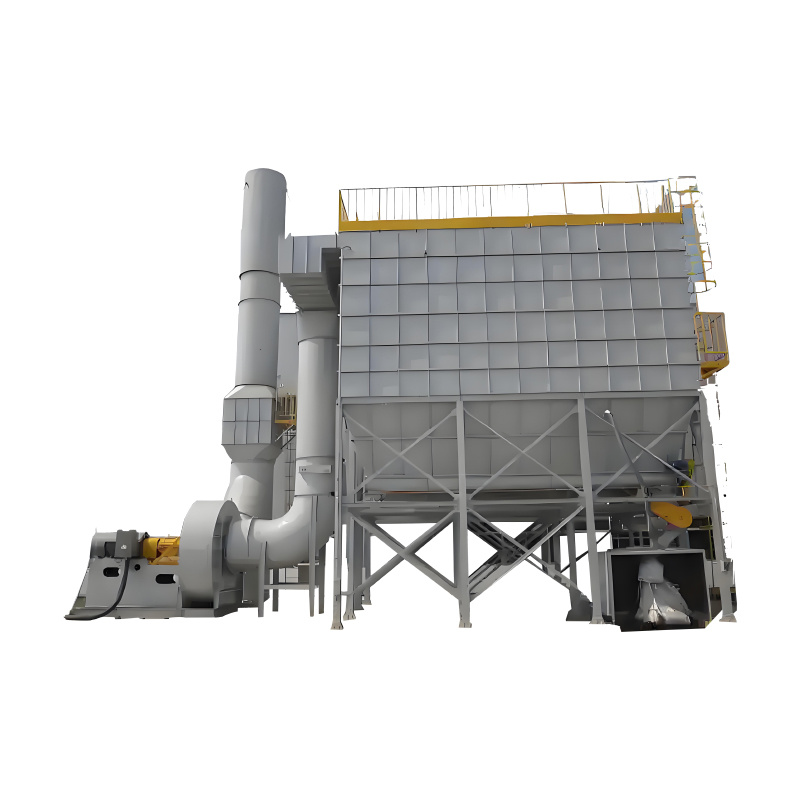
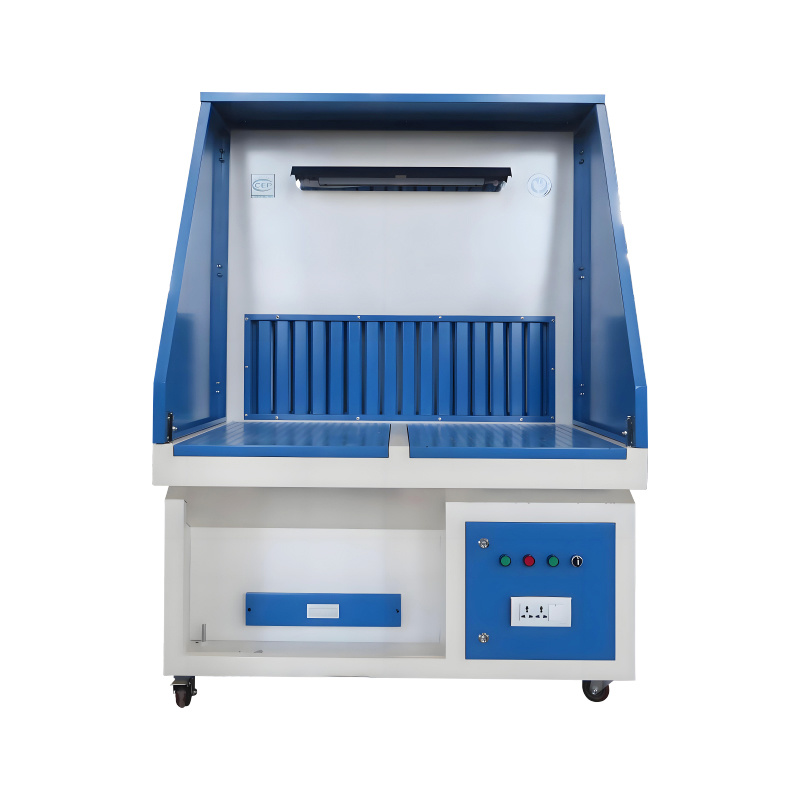
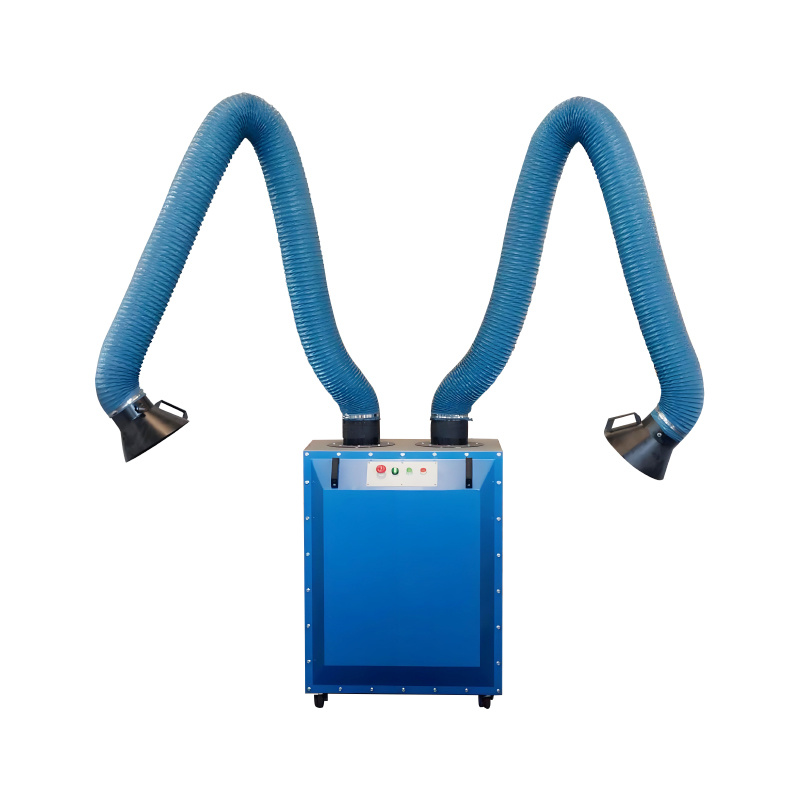










Selection Guide for Bag Dust Collector: Scientific Matching Strategy for Filter Material
Jun 01,2026

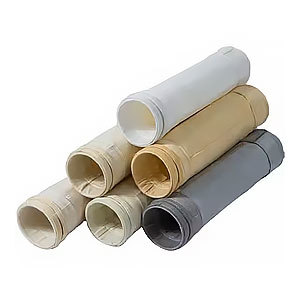
In industrial dust control systems, the overall performance of bag filters largely depends on the selection of core consumables - filter media. The filter bag is not only a physical barrier to intercept dust, but also the first line of defense against complex working conditions such as high temperature, corrosion, and high humidity. Incorrect material selection not only leads to skyrocketing equipment resistance and excessive emissions, but also significantly shortens the lifespan of filter bags and increases maintenance costs. Therefore, the scientific selection of filter media must be based on a deep analysis of the characteristics of flue gas and the physicochemical properties of dust.
1、 Initial screening of materials based on temperature range
The temperature of the flue gas is the primary factor determining the temperature resistance level of the filter material. According to the different long-term working temperatures, filter media can be divided into three categories: normal temperature, medium temperature, and high temperature. For room temperature environments below 120 ℃, polyester needle punched felt has become the preferred choice due to its excellent mechanical strength and high cost-effectiveness; When the temperature is in the medium temperature range of 130 ℃ to 190 ℃, aramid or polyimide fibers exhibit excellent wear resistance and heat resistance; Faced with high temperature conditions exceeding 200 ℃, glass fiber filter media dominates due to its excellent high temperature resistance and flexural performance. It should be noted that a certain safety margin must be reserved during actual operation to prevent the instantaneous peak temperature from burning out the filter bag.
2、 Deep adaptation of chemical environment and humidity characteristics
In addition to temperature, the chemical composition and humidity of flue gas cannot be ignored in terms of their destructive power on filter media. In environments containing acidic gases such as sulfur dioxide and nitrogen oxides, such as coal-fired boilers and chemical exhaust gases, conventional polyester is prone to hydrolysis, leading to a decrease in strength. At this time, it is recommended to use polystyrene sulfide or polytetrafluoroethylene filter media with strong acid and alkali corrosion resistance. For working conditions with high moisture content, the mixing of moisture and dust can easily cause the phenomenon of "bag sticking". Therefore, it is necessary to use filter media that has been treated with waterproof and oil proof, or directly use PTFE coated filter media with smooth surface to achieve surface filtration and accelerate dust removal and peeling.
3、 Physical properties of dust and considerations for explosion safety
The physical form of dust directly determines the surface treatment process of filter media. For fine particles with strong viscosity, ordinary needle felt is prone to clogging, and it is recommended to use gradient composite filter media or membrane filter media with dense pores; For high hardness particles with strong abrasion resistance, it is necessary to increase the weight and strength of the base fabric to improve wear resistance. In addition, safety compliance is the bottom line requirement when dealing with flammable and explosive dust such as coal powder and aluminum powder. It is necessary to uniformly mix conductive materials such as stainless steel wire or modified carbon fiber into the filter fiber to make anti-static filter bags, and ensure reliable grounding of the equipment to completely eliminate the explosion hazards caused by static electricity accumulation.
The selection of filter material for bag filter is not simply a parameter comparison, but a systematic engineering that covers thermodynamics, chemical stability, and fluid mechanics. Enterprises should abandon single empiricism and conduct comprehensive evaluations based on specific fluctuations in flue gas temperature, corrosive components, and the adhesion and abrasion characteristics of dust. Only by achieving precise compatibility between filter material and actual working conditions can we maximize the service life of equipment while meeting strict environmental emission standards, and achieve a high degree of unity between efficient purification and economic operation.
Hot Tags:


Contact Us
Tel:
WeChat:
WhatsApp:
E-mail:
Address:
338 National Road South, Longfengdian Village, Botou City, Hebei Province, China
JiuznTomine is expertly delivering technically complicated projects in markets & provides custom solutions for their customized need.


CONTACT INFO
Tel: +86 18531710311
WeChat: +86-18531710311
338 National Road South, Longfengdian Village, Botou City, Hebei Province, China