


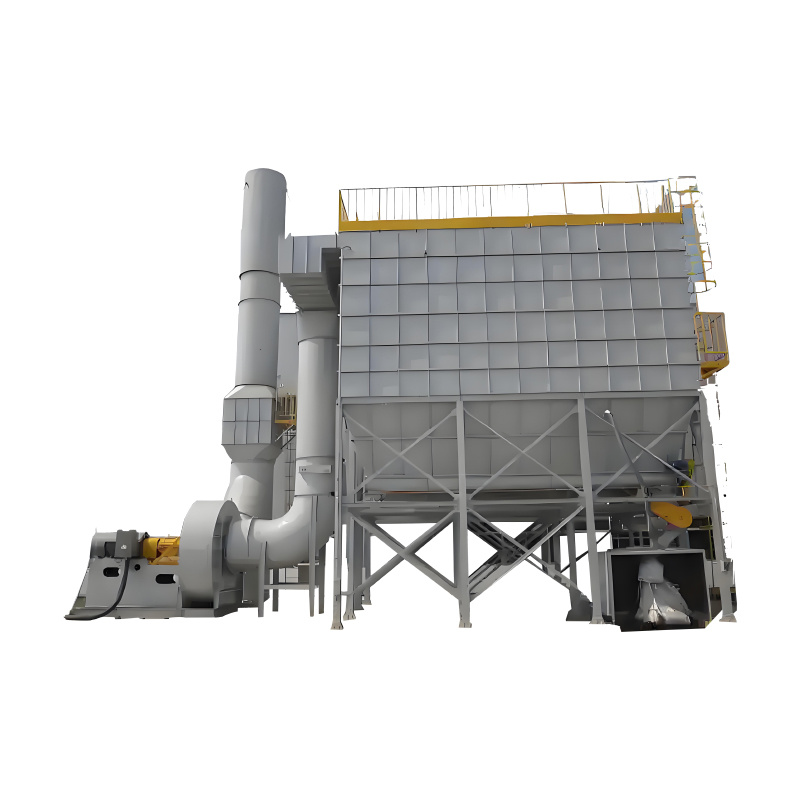
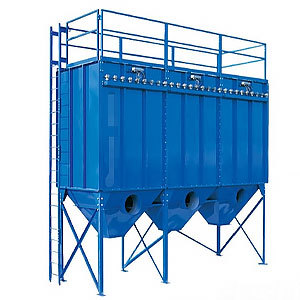
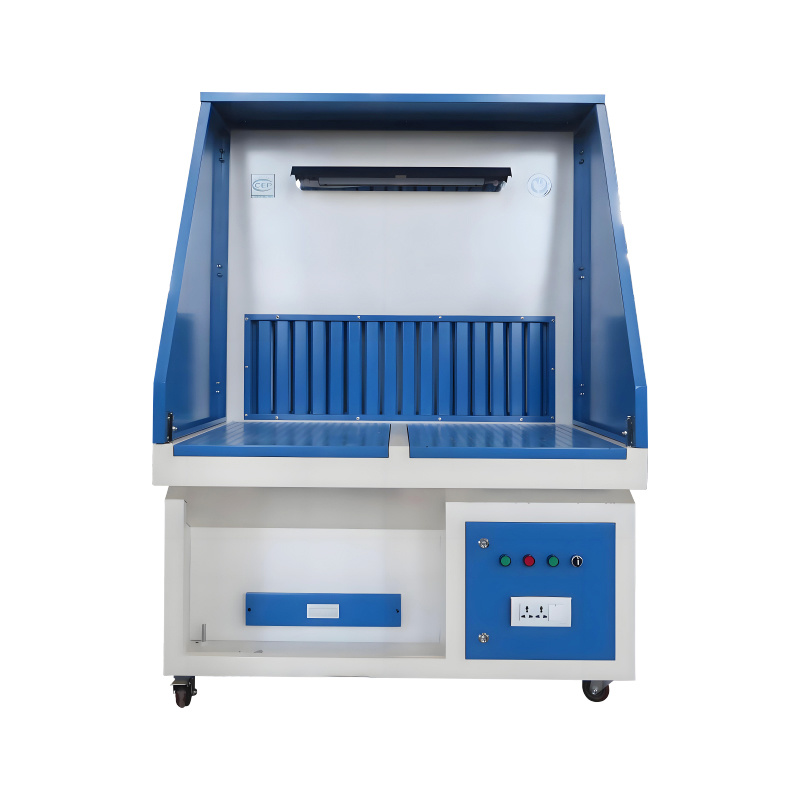
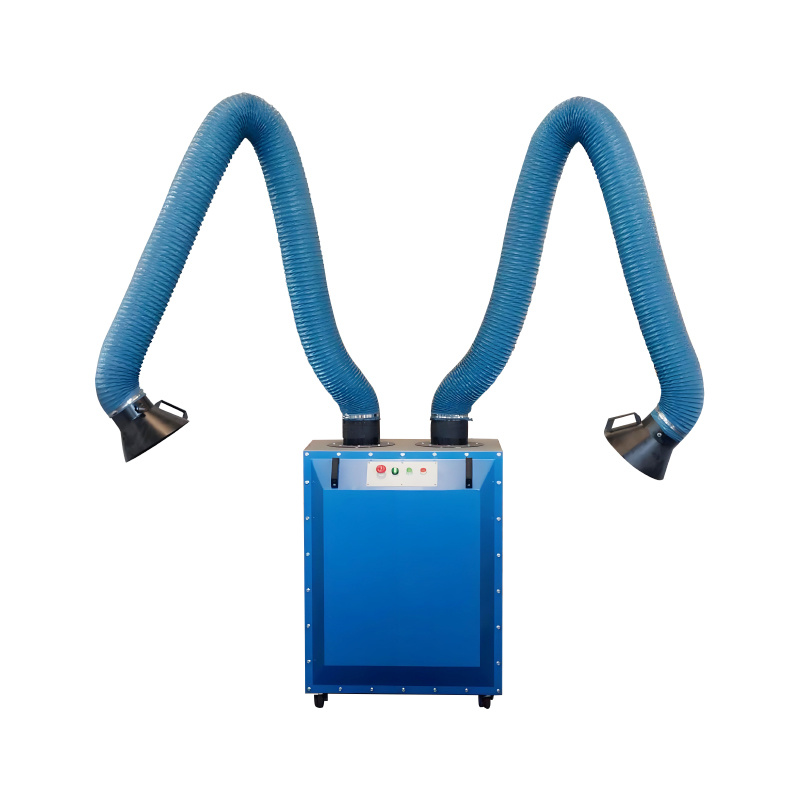









Industrial Dust Removal Equipment Selection Guide: Dust Control Solutions for Overseas Factories
May 29,2026

With the reorganization of the global manufacturing supply chain, more and more companies are establishing production bases overseas. However, in the face of differentiated environmental regulations, climate conditions, and infrastructure limitations in different countries, how to scientifically select and implement effective dust control plans for overseas factories has become a technical and management challenge that enterprises must overcome in the process of going global. A compliant and efficient dust removal system is not only a prerequisite for the smooth operation of the project, but also a core cornerstone for enterprises to implement ESG strategies and ensure the safety of cross-border operations.
1、 Strictly adhere to the dual standards of local environmental protection and occupational health
The primary principle for building overseas factories is' compliance first '. The regulatory requirements for industrial emissions and worker health vary in regions such as Europe, America, Southeast Asia, and the Middle East. In the North American or European markets, the design of dust removal systems must not only meet strict particulate matter emission limits (such as EPA standards), but also strictly comply with OSHA (Occupational Safety and Health Administration) regulations on exposure limits for air pollutants in workshops. For industries involving combustible dust such as wood processing and metal powder, the NFPA (National Fire Protection Association) explosion-proof standards are an unbreakable red line. Therefore, in the initial selection stage, local environmental emission standards and occupational health protection requirements must be taken as design benchmarks to ensure compliance throughout the entire process from source capture to end of pipe emissions.
2、 Tailored to local conditions: deep adaptation of climate and infrastructure
The geographical environment of overseas factories directly determines the hardware configuration of dust removal equipment. In tropical regions with high temperature and humidity (such as Southeast Asia and South Asia), ordinary filter materials are prone to "sticking bags" due to condensation, leading to a surge in system resistance. For such working conditions, waterproof and oil resistant filter media must be selected, and complete insulation and heat tracing devices must be installed on the dust collector shell and ash hopper. On the contrary, in desert or cold regions with significant temperature differences between day and night, it is necessary to focus on preventing low-temperature corrosion and static electricity accumulation. In addition, the power supply in some developing countries or remote areas may be unstable, and the compressed air source pressure may be insufficient. This requires the dust removal system to have wide voltage adaptability in electrical design, or to adopt alternative solutions such as mechanical vibration in the dust cleaning system that do not rely on high-pressure gas sources, in order to ensure the continuous and stable operation of the equipment under harsh infrastructure conditions.
3、 Rational selection based on Total Cost of Ownership (TCO) throughout the entire lifecycle
In overseas projects, due to the long procurement cycle of spare parts, high cross-border logistics costs, and shortage of local technical workers, the later operation and maintenance costs of equipment often far exceed the initial procurement price. Therefore, when selecting, we should not only focus on the initial investment, but also introduce a full lifecycle cost assessment model. Prioritize selecting equipment with high filtration accuracy, low energy consumption, and long filter material lifespan. Although the initial investment is slightly higher, it can significantly reduce long-term electricity expenses and consumables replacement frequency. Meanwhile, modular design and universal design of vulnerable parts are crucial. This not only simplifies on-site installation processes, but also reduces reliance on highly specialized maintenance teams, allowing local ordinary technicians to complete daily inspections and basic maintenance.
4、 Building a localized service and emergency response system
The efficient operation of dust removal equipment relies on timely after-sales support. When planning overseas dust control plans, companies should prioritize examining whether suppliers have a global service network or localized partners. A reliable supplier can provide one-stop services from on-site survey, customized engineering design to installation and commissioning, and provide systematic operation training after the equipment is put into operation. More importantly, a well-established local spare parts inventory and a 24-hour rapid response mechanism can minimize production losses caused by equipment failures and avoid operational risks caused by geographical factors or logistics delays.
Dust control in overseas factories is a systematic project that integrates international regulations, environmental engineering, and supply chain management. By accurately benchmarking local standards, deeply adapting to regional climate, comprehensively weighing the full lifecycle costs, and relying on a strong localized service system, enterprises can create truly efficient and robust dust removal solutions. This not only strengthens the security line for the global production of enterprises, but also establishes a good image of green manufacturing and responsible management in the international market.
Hot Tags:
PREVIOUS:

Contact Us
Tel:
WeChat:
WhatsApp:
E-mail:
Address:
338 National Road South, Longfengdian Village, Botou City, Hebei Province, China
JiuznTomine is expertly delivering technically complicated projects in markets & provides custom solutions for their customized need.


CONTACT INFO
Tel: +86 18531710311
WeChat: +86-18531710311
338 National Road South, Longfengdian Village, Botou City, Hebei Province, China