

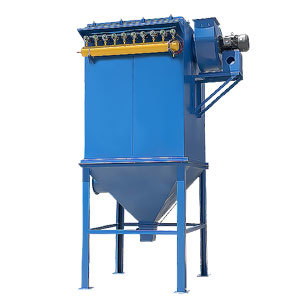
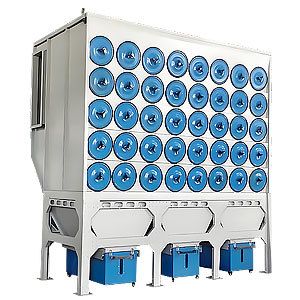
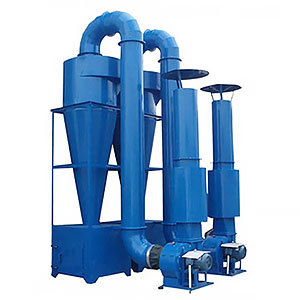

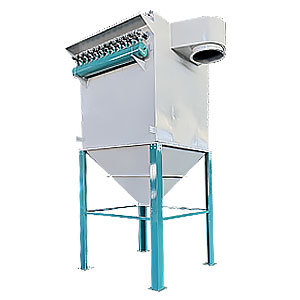









Operation and maintenance skills for boiler bag filter: extending the service life of filter bags and reducing energy consumption
May 28,2026

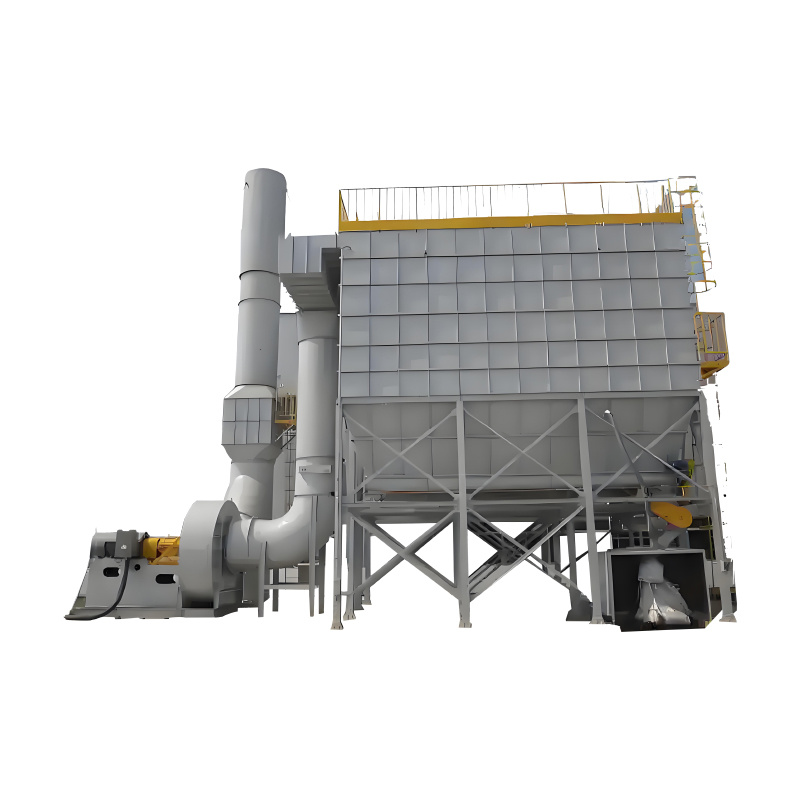
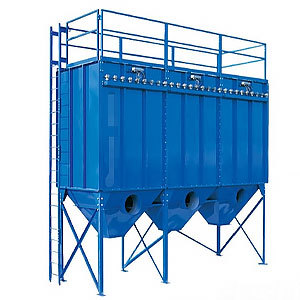
In the flue gas treatment system of industrial boilers, bag filters not only bear the responsibility of meeting environmental emission standards, but their operating energy consumption also accounts for a considerable proportion of the total energy consumption of environmental protection facilities in enterprises. For equipment managers, scientific operation and maintenance management can not only significantly extend the service life of core consumable filter bags, but also effectively reduce fan power consumption and compressed air consumption, achieving a win-win situation of economic and environmental benefits. The following are key operation and maintenance skills summarized based on actual working conditions.
1、 Optimize the dust removal strategy and bid farewell to the 'violent injury bag'
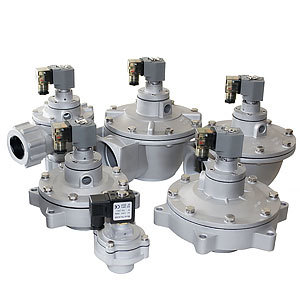
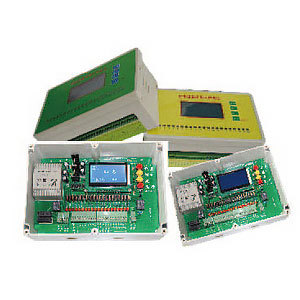
The dust cleaning system is the power core of the dust collector, but excessive or improper dust cleaning is one of the main reasons for premature scrapping of filter bags. The traditional timed blowing mode often lacks flexibility and is prone to energy waste and mechanical damage to filter bags. Modern operation and maintenance should fully shift to the "on-demand cleaning" mode, and monitor the resistance of filter bags in real time through differential pressure sensors. The dust cleaning program is only activated when the system resistance reaches the preset upper limit, and stops when it drops to the lower limit. In addition, while ensuring the cleaning effect, low-pressure pulse blowing technology should be used as much as possible to avoid irreversible physical impact of high-pressure airflow on the filter bag fibers, thereby significantly extending the service life of the filter bag.
2、 Strictly control the air leakage rate and prevent potential condensation hazards
Leakage and condensation are the two major "invisible killers" of bag filters. Especially in areas such as ash hoppers and maintenance doors, air leaks not only raise settled dust again, increasing system resistance, but also introduce cold air in winter or low temperature conditions, causing the flue gas temperature to be lower than the acid dew point and leading to condensation. Once the surface of the filter bag becomes stuck, the breathability will sharply decrease, forcing the fan to operate at high load to maintain negative pressure, directly pushing up power consumption. Therefore, daily inspections must strictly control the airtightness of equipment, ensure that the overall air leakage rate is controlled below 2% -3%, and do a good job of preheating and insulation during the start-up and shutdown stages to prevent low-temperature corrosion.
3、 Accurately match filter media and establish full lifecycle management
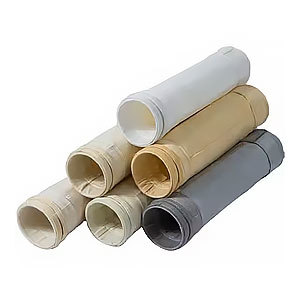
The composition of flue gas produced by different fuels varies greatly, and the selection of filter materials directly determines the tolerance of the equipment. PPS filter material is a common choice for high-temperature acidic environments in coal-fired boilers; In waste incineration or chemical exhaust treatment, PTFE composite filter materials that are corrosion-resistant and heat-resistant need to be used. Operation and maintenance personnel should establish a lifecycle file for filter bags based on the temperature fluctuations, acidity and alkalinity, and particle abrasion properties of the flue gas. At the same time, installing a pre dust removal device or taking pre spraying measures at the inlet of the dust collector can effectively intercept large particles of dust or form an initial protective layer on the surface of the filter bag, reducing wear and chemical corrosion from the source.
4、 Strengthening intelligent regulation and ensuring power stability
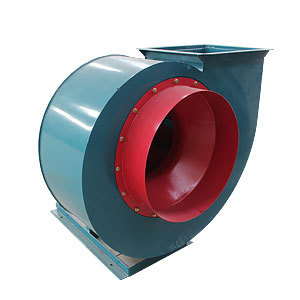
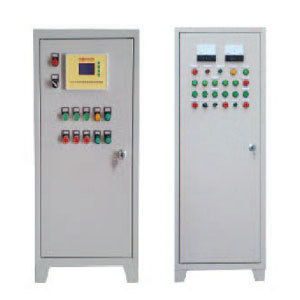
The frequent fluctuations in boiler load require the dust removal system to have a high degree of dynamic response capability. By installing a frequency converter on the induced draft fan and linking it with pipeline pressure or dust concentration signals, precise matching of air volume and process requirements can be achieved. According to the law of fan similarity, a small decrease in speed can lead to significant power savings. At the same time, a stable power supply is the cornerstone for the normal operation of intelligent control systems, solenoid valves, and sensors. It is recommended to equip key control circuits with industrial voltage regulators to prevent control system crashes, valve malfunctions, or unplanned shutdowns caused by voltage surges or drops, ensuring continuous low impedance and efficient operation.
The long-term stable operation of boiler bag filter relies on a refined operation and maintenance management system. By implementing intelligent on-demand dust cleaning, strict anti leakage and anti condensation control, targeted filter material protection, and variable frequency energy-saving regulation, enterprises can not only significantly extend the filter bag replacement cycle, but also significantly reduce electricity and compressed air costs. This data-driven preventive maintenance strategy is the only way for modern industrial enterprises to move towards green manufacturing and cost reduction and efficiency improvement.
Hot Tags:
PREVIOUS:


Contact Us
Tel:
WeChat:
WhatsApp:
E-mail:
Address:
338 National Road South, Longfengdian Village, Botou City, Hebei Province, China
JiuznTomine is expertly delivering technically complicated projects in markets & provides custom solutions for their customized need.


CONTACT INFO
Tel: +86 18531710311
WeChat: +86-18531710311
338 National Road South, Longfengdian Village, Botou City, Hebei Province, China