











Reasonable selection of industrial dust removal equipment: a practical guide for precise adaptation to production conditions
May 28,2026
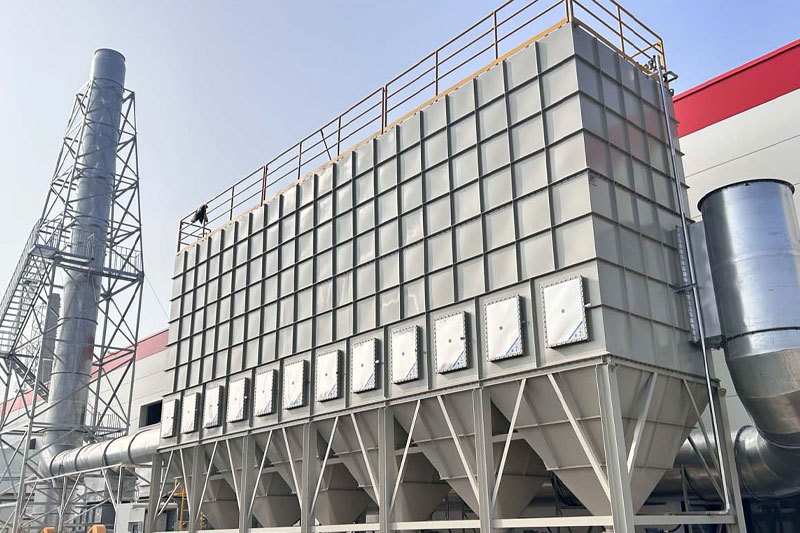
In the treatment of industrial waste gas, the selection of dust removal equipment is not simply a matter of "buying models according to air volume", but a systematic project involving process characteristics, environmental standards, and long-term operation and maintenance. Incorrect selection can not only lead to imbalanced equipment operation load and increased energy consumption, but may also pose compliance risks due to the inability to meet emission standards. Scientific selection decisions should follow rigorous technical logic to ensure seamless integration between equipment and actual production conditions.
Step 1: Accurately calculate and process air volume
Handling air volume is the absolute core foundation for selecting dust collectors. If the air volume is too low and the airflow velocity inside the equipment is too high, it will cause the dust to not settle effectively and exacerbate the wear of the filter material; If the air volume is too high, it will cause equipment volume redundancy and serious energy waste. In practical operation, the principle of "working condition air volume priority" should be adhered to. Firstly, the basic parameters of production equipment should be collected, and the basic air volume of a single equipment should be calculated through formulas and stacked. More importantly, a surplus of 10% to 15% must be reserved to cope with fluctuations in production load or sudden increases in dust production.
Step 2: In depth analysis of the physicochemical properties of dust
The different properties of dust directly determine the choice of technical route and filter material. In the face of high concentration dust, priority should be given to configuring a pre dust collector to avoid blockage of the main equipment; For extremely fine dust particles, efficient filter media must be selected to ensure capture accuracy; In environments with corrosive dust such as chemical engineering, both equipment casings and filter materials need to have excellent acid and alkali resistance. In addition, it is necessary to deduce the design efficiency in reverse according to local environmental protection requirements. For example, when the inlet concentration is extremely high but the emission limit is strictly controlled below 10mg/m ³, the comprehensive filtration efficiency of the dust collector usually needs to reach 99.8% or more.
Step 3: Conduct a comprehensive assessment of the working environment and spatial limitations
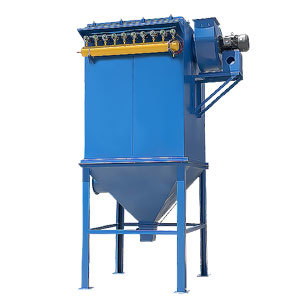
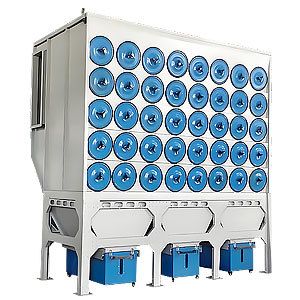
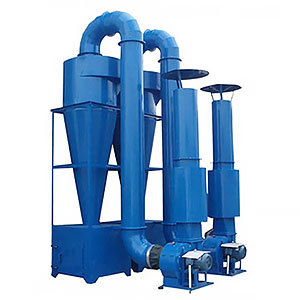
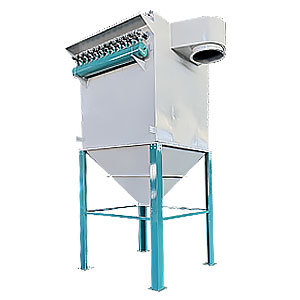
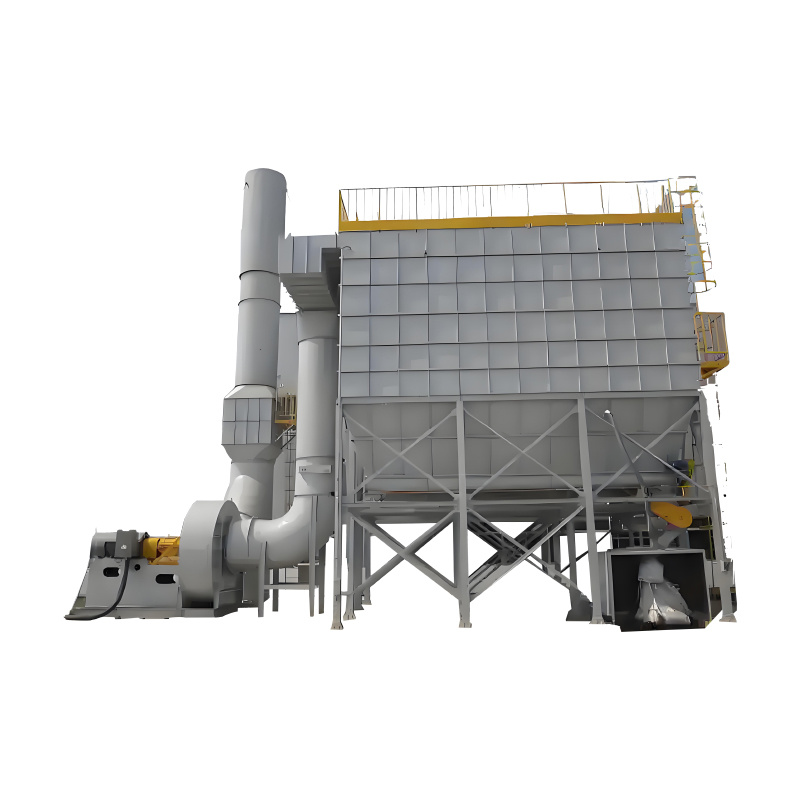
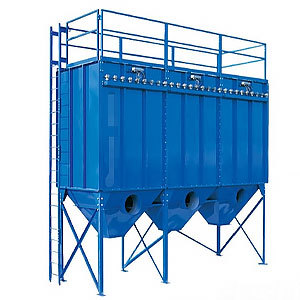
The temperature and humidity of gases are invisible variables that affect the stability of equipment. When the moisture content of the gas is high or the temperature exceeds a certain threshold, it is easy to cause condensation, resulting in the failure of the filter material plate or corrosion of the equipment shell. At this time, insulation, heating or dehumidification devices must be added to the system. Meanwhile, the spatial layout of the workshop is also an important consideration factor. For precision manufacturing workshops with limited space, compact and small footprint pulse filter cartridges are often the preferred solution; For heavy machinery workshops with open spaces and generating large amounts of coarse particulate dust, structurally stable bag filters or cyclone dust collectors are more capable.
Step 4: Full lifecycle cost and intelligent consideration
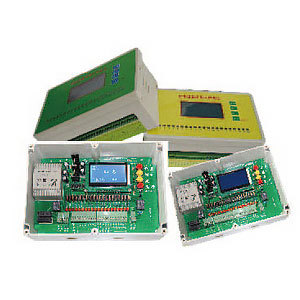
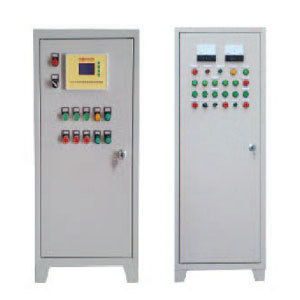
Reasonable selection should not be limited to the initial purchase price, but should incorporate a full lifecycle cost analysis. Enterprises need to comprehensively calculate the operating power consumption of equipment, the frequency of filter material replacement, and the labor cost of shutdown maintenance. Although high-quality filter media requires high initial investment, its long service life can often significantly reduce total operating costs within a few years. At the same time, the level of intelligence in modern dust removal systems cannot be ignored. Equipment equipped with differential pressure sensors and PLC intelligent control systems can automatically adjust the cleaning frequency based on real-time resistance. This on-demand cleaning mode not only significantly extends the lifespan of consumables, but also effectively saves energy.
The scientific selection of industrial dust removal equipment is essentially about finding the best balance between technical feasibility and economic rationality. Only through accurate air volume accounting, in-depth working condition diagnosis, and forward-looking cost evaluation can enterprises select truly efficient, energy-saving, and stable dust removal systems. This is not only a positive response to environmental regulations, but also a long-term investment to ensure the continuous operation of production lines and enhance the core competitiveness of enterprises.
Hot Tags:


Contact Us
Tel:
WeChat:
WhatsApp:
E-mail:
Address:
338 National Road South, Longfengdian Village, Botou City, Hebei Province, China
JiuznTomine is expertly delivering technically complicated projects in markets & provides custom solutions for their customized need.


CONTACT INFO
Tel: +86 18531710311
WeChat: +86-18531710311
338 National Road South, Longfengdian Village, Botou City, Hebei Province, China