

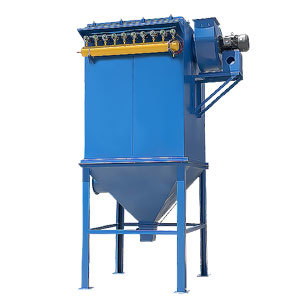
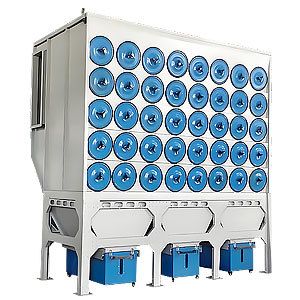
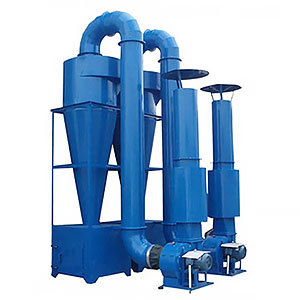

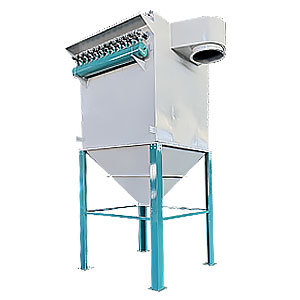
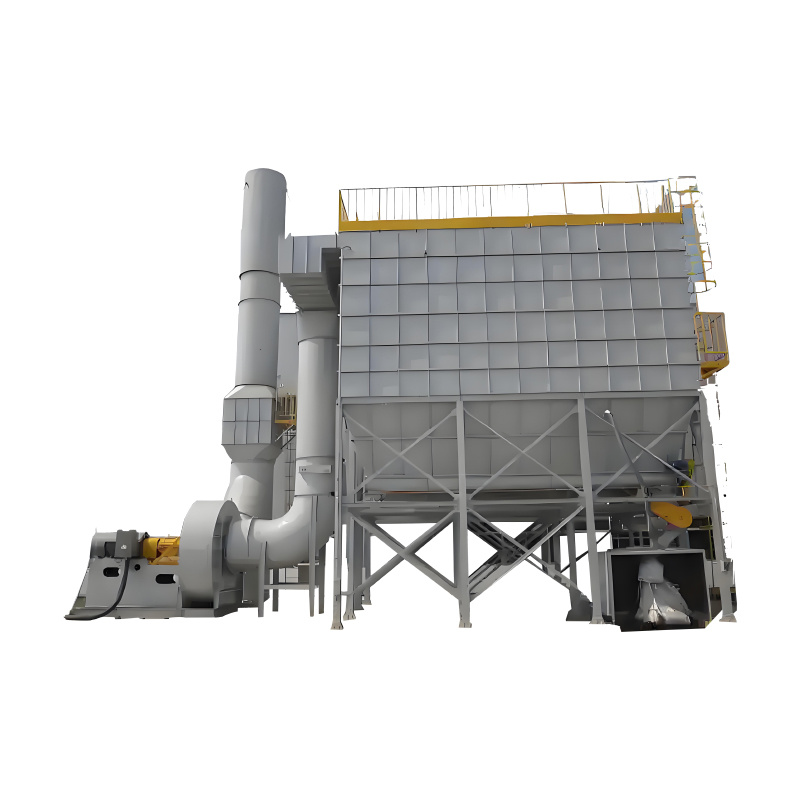
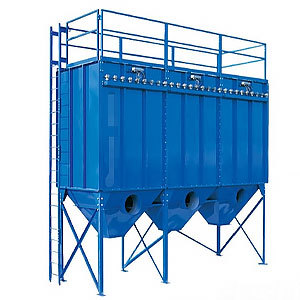
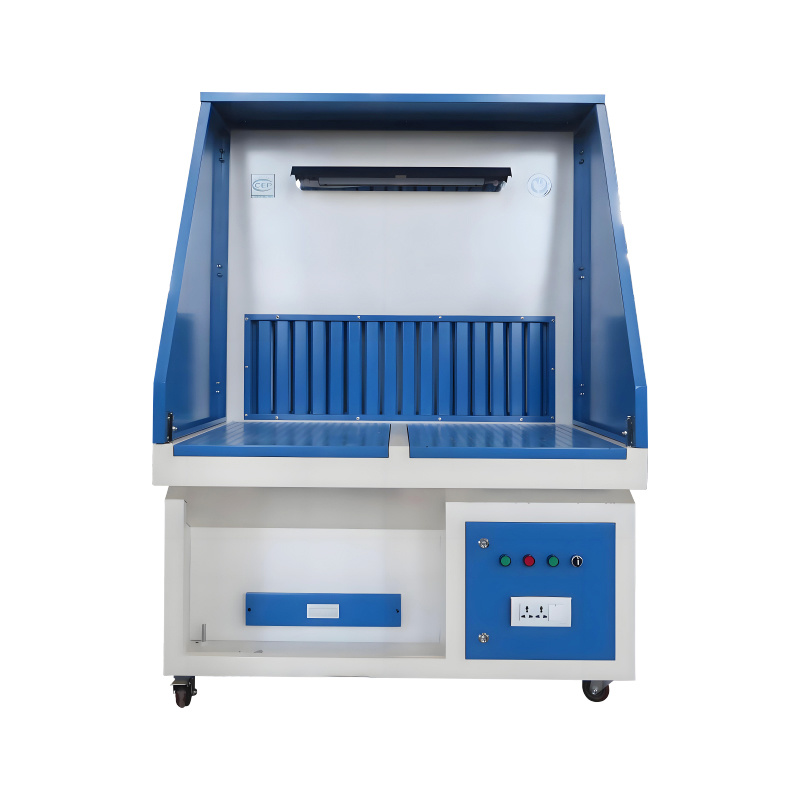
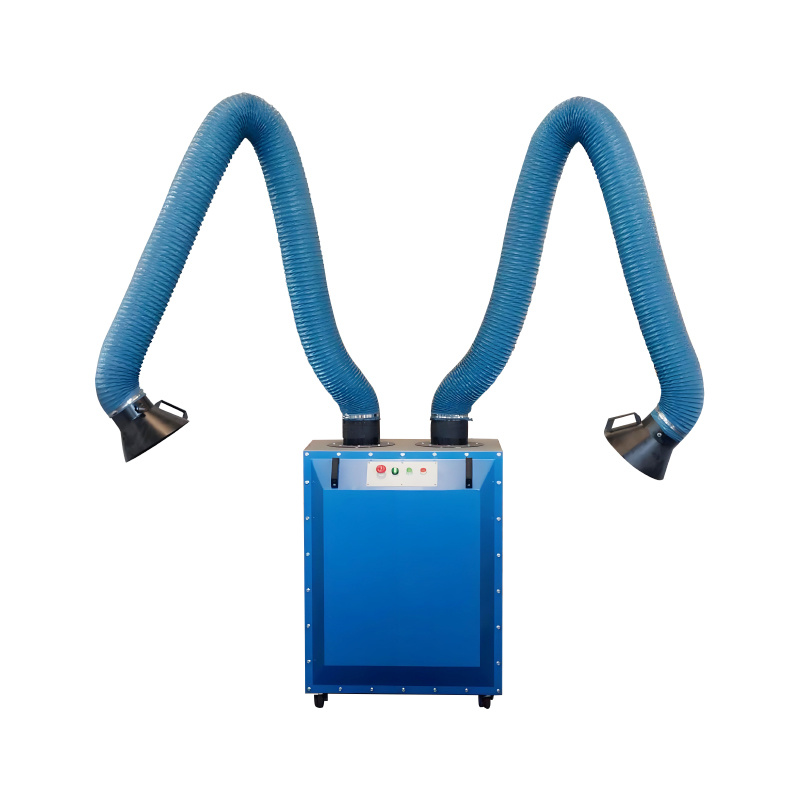
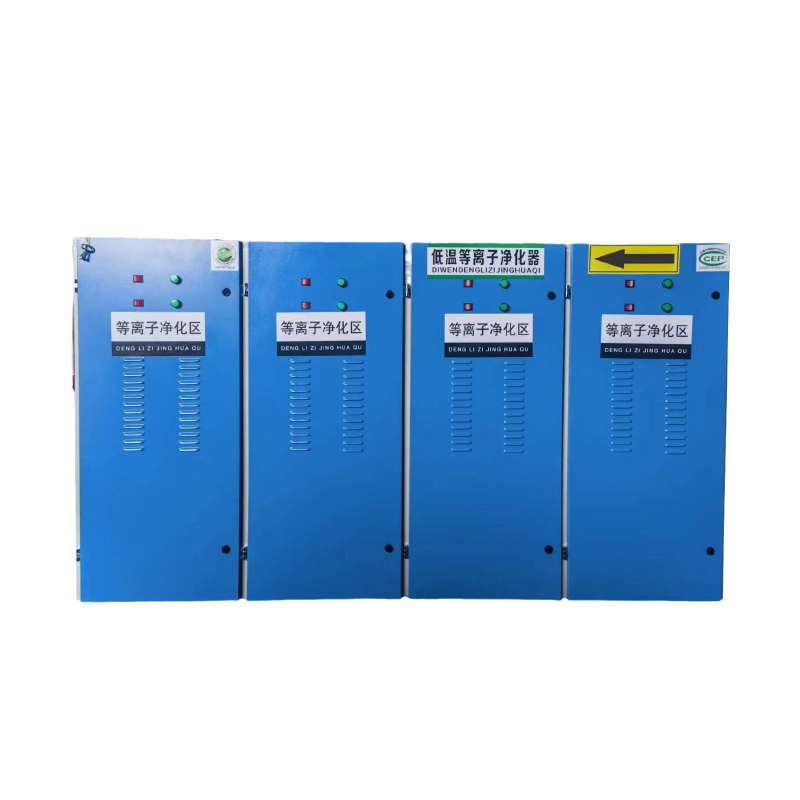
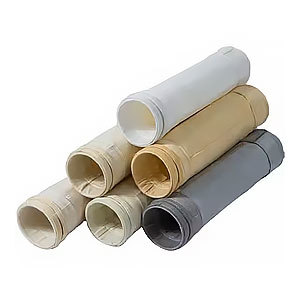
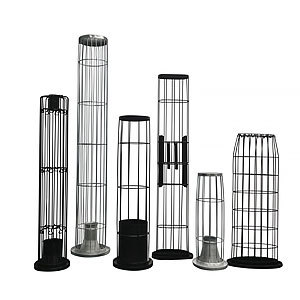
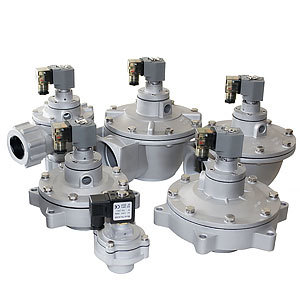

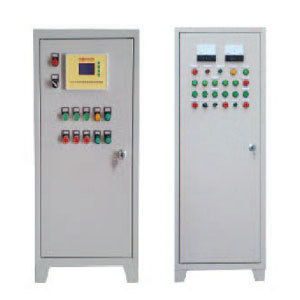









The emission standards for air pollutants in industrial furnaces have been updated. Has your dust removal equipment met the standards?
May 25,2026

At the beginning of 2026, with the official implementation of a series of new national standards such as the "Emission Standards for Air Pollutants in the Refractory Industry" (GB 46790-2025), China's industrial furnace air pollution control has officially entered a new stage. For the majority of industrial enterprises, the threshold for environmental compliance is constantly being raised. Faced with the increasingly tightening emission red line, can your factory's existing dust removal and exhaust gas treatment equipment really withstand the test of the latest standards?
1、 The core changes of the new standard: stricter, more comprehensive, and more precise
In the past, many industrial furnace enterprises mainly implemented the "Emission Standards for Air Pollutants from Industrial Kilns" (GB 9078-1996) or the "Comprehensive Emission Standards for Air Pollutants" (GB 16297-1996). These old standards have problems such as loose limit values and lack of control over characteristic pollutants. The latest industry standards show three significant trends in control requirements:
1. The limits for conventional pollutants have been significantly tightened: Taking particulate matter as an example, the new standards generally lower the emission concentration limits to below 30mg/m ³ or even 10mg/m ³, and the limits for sulfur dioxide and nitrogen oxides have also been significantly reduced. This means that traditional inefficient dust removal facilities are no longer able to meet basic compliance requirements.
2. Mandatory control of characteristic pollutants: The new standard is no longer limited to conventional indicators, but sets clear emission limits for toxic and harmful characteristic pollutants such as fluoride, heavy metals, ammonia, and asphalt smoke based on industry process characteristics, achieving a leap from "total management" to "toxicity management".
3. Both unorganized emissions and process control are equally important: In addition to focusing on organized emissions from exhaust pipes, the new standard puts forward extremely detailed control requirements for unorganized emissions in material storage, transportation, production processes, and other links, and clarifies the conversion method of benchmark oxygen content, eliminating the possibility of diluting emissions to avoid supervision.
2、 The severe challenges faced by existing equipment
In this wave of standard upgrades, a large number of outdated or poorly designed dust removal equipment are facing the risk of being phased out. If your device experiences the following situations, it is highly likely that it is already on the brink of exceeding the standard:
4. Insufficient filtration accuracy: Early designed bag or electrostatic precipitators had outlet emission concentrations hovering above 50mg/m ³ for a long time, which could not meet the ultra-low emission requirements of 10-30mg/m ³.
5. Lack of targeted treatment technology: For acidic gases or nitrogen oxides in flue gas, relying solely on a single dust removal equipment without an efficient desulfurization and denitrification system will face serious compliance risks.
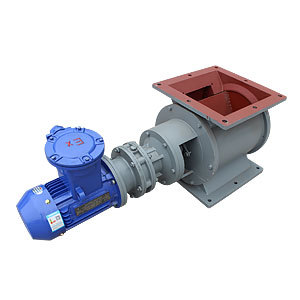
6. Weak sealing and collection capabilities: The unorganized dust caused by the diffuse dust in the workshop and the inadequate sealing of the ash hopper and discharge port will become a key target of punishment in the new investigation and rectification.
3、 The response of enterprises: self-examination and upgrading
Faced with new regulations, passive waiting will only increase the risk of production suspension and rectification. It is recommended that companies immediately carry out the following tasks:
7. Comprehensive benchmarking self-examination: Sort out the latest national and local emission standards in your own industry, compare the online monitoring data and manual testing reports of exhaust pipes, and verify whether the actual emission concentrations of particulate matter, sulfur dioxide, nitrogen oxides, and characteristic pollutants meet the standards.
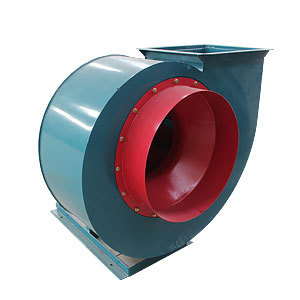
8. Evaluate equipment efficiency: Check the operating resistance of existing dust removal equipment, the degree of aging of filter bags/cartridges, and whether the fan selection matches. For old equipment that cannot meet stable standards, a technical renovation or replacement plan should be developed as soon as possible, such as upgrading to high-efficiency pulse bag dust removal or electric bag composite dust removal systems.
9. Strengthen operation and maintenance management: Establish a comprehensive environmental protection ledger to ensure that the exhaust gas collection and treatment system operates synchronously with production equipment. At the same time, strengthen the closed renovation and daily inspection of unorganized emission points to ensure compliance throughout the entire process.
The continuous upgrading of environmental standards is essentially forcing the manufacturing industry to undergo a green transformation. For enterprises, this is not only a rigorous compliance test, but also an opportunity to eliminate outdated production capacity and enhance core competitiveness. Only by actively embracing changes and keeping dust removal equipment up with the pace of standards in a timely manner can we achieve stability and success in future market competition.
Hot Tags:
PREVIOUS:


Contact Us
Tel:
WeChat:
WhatsApp:
E-mail:
Address:
338 National Road South, Longfengdian Village, Botou City, Hebei Province, China
JiuznTomine is expertly delivering technically complicated projects in markets & provides custom solutions for their customized need.


CONTACT INFO
Tel: +86 18531710311
WeChat: +86-18531710311
338 National Road South, Longfengdian Village, Botou City, Hebei Province, China