












Dust escape problem of cyclone dust collector: core solution approach
Mar 23,2026

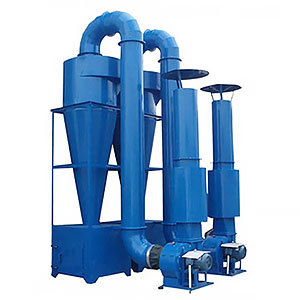
The cyclone dust collector relies on centrifugal force to achieve gas-solid separation, with a simple structure, temperature and wear resistance, and low operation and maintenance costs. It is a commonly used equipment for industrial dust removal and exhaust gas pretreatment. However, in actual operation, dust escape and excessive outlet concentration are high-frequency pain points, which are mainly caused by flow field disorder, seal failure, parameter imbalance, and structural wear.
1、 First, clarify the core causes of dust escape
There are external vortices (downward separation) and internal vortices (upward exhaust) inside the cyclone dust collector. The essence of escape is that the dust has not completed centrifugal separation and is directly discharged with the internal vortices, or the settled dust is sucked up again. Common triggers can be summarized into three points:
1. Airflow short circuit: The intake directly bypasses the separation zone and escapes along the outside of the exhaust pipe, without participating in wall collision settlement;
2. Secondary dust: The ash hopper is blocked by accumulated ash, and the ash unloading is not smooth. The separated dust is re rolled up by the internal cyclone and discharged with the airflow;
3. Insufficient centrifugal force/air leakage interference: The inlet wind speed deviates from the design value, and the shell/ash hopper leaks air, damaging the internal flow field and weakening the separation effect.
2、 Dimension based solution: from structure and parameters to closed-loop optimization of operations and maintenance
(1) Structural optimization: Block escape channels from the source
Structural defects are the underlying cause of dust escape, and priority should be given to rectifying fixed hazards to avoid repeated debugging in the later stage.
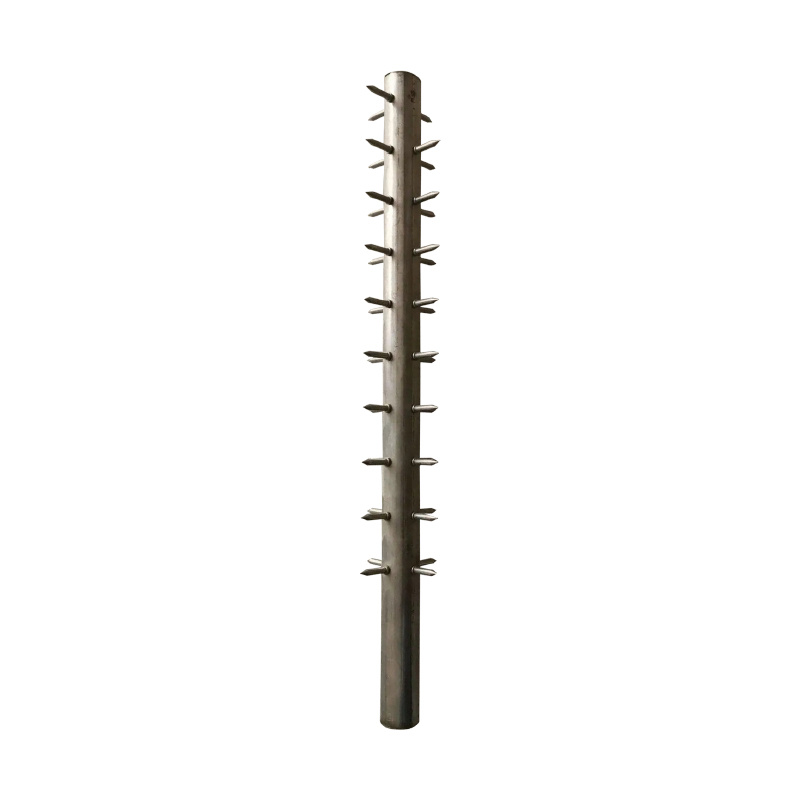
1. Standardize the size and insertion depth of the exhaust pipe: It is recommended to control the diameter of the exhaust pipe at 0.5-0.6 times the diameter of the cylinder, and the insertion depth should be slightly lower than the bottom of the air inlet to prevent airflow short circuits and avoid dust accumulation at the bottom of the suction cone; Can be equipped with a stabilizer bar to fill the central negative pressure zone and suppress turbulent flow and dust accumulation.
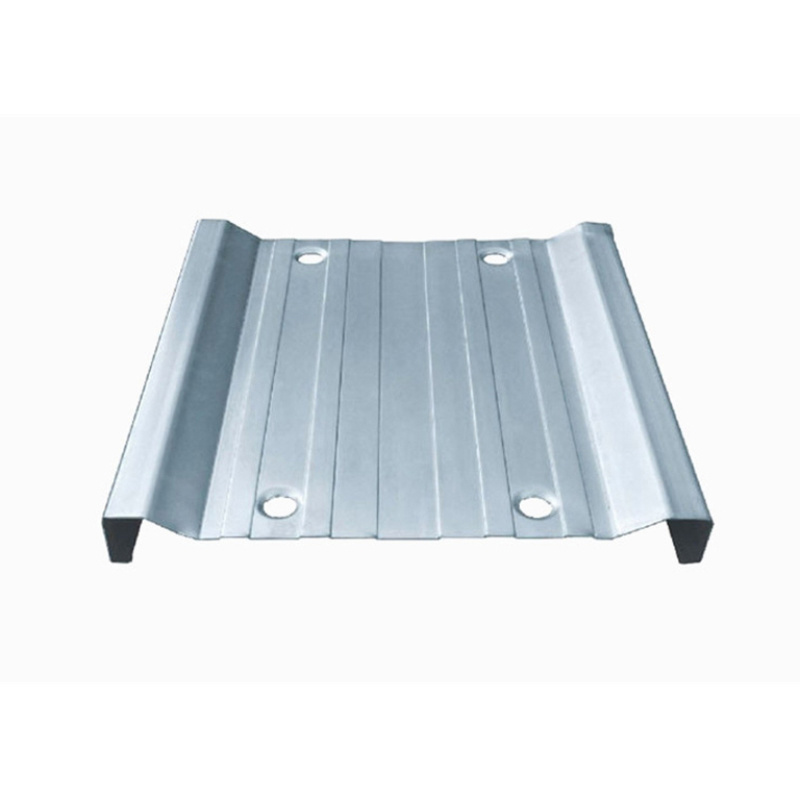
2. Repair worn parts: The snail shell, cylinder, and exhaust pipe are prone to deformation and perforation due to long-term dust erosion, causing flow field disorder. Timely repair welding or replacement of wear-resistant lining plates should be carried out to ensure that the airflow rotation trajectory is regular.
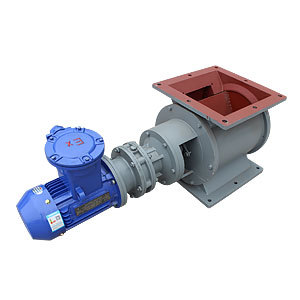
3. Optimize the ash hopper and ash unloading structure: Ensure that the inclination angle of the ash hopper is greater than the dust resting angle to avoid accumulating ash and bridging the gap; Install arch breaking devices and vibrators to prevent material blockage; Select a sealed ash discharge valve to prevent negative pressure air leakage in the ash hopper.
(2) Parameter control: stabilize flow field, enhance separation effect
Deviation of operating parameters from design values will directly weaken centrifugal force, and precise debugging can quickly improve escape problems.
1. Strictly control the import wind speed: The optimal wind speed range is 12-20m/s, and if the wind speed is too low, the centrifugal force is insufficient, making it difficult for dust to be thrown towards the wall; Excessive wind speed can exacerbate turbulence and cause secondary flying of settled dust. It is recommended to stabilize the airflow within the design value of ± 10% through a regulating valve.
2. Eliminate system air leakage: Focus on inspecting parts such as shell welds, maintenance doors, flanges, and ash discharge valves. Air leakage can dilute dusty airflow and damage negative pressure fields. Use high-temperature resistant sealant and sealing gaskets to seal the leakage points, especially to avoid inhaling cold air at the ash hopper.
3. Matching processing air volume: Overloading air volume can cause the air flow to stay too short, and the dust cannot be separated in time; If the air volume is insufficient, the flow field will become weak. Adjust the fan frequency as needed to ensure that the equipment operates at rated conditions.
(3) Operation and maintenance control: long-term prevention, reducing sudden escape
1. Regular ash cleaning and unloading: Establish an ash unloading ledger to avoid excessive material level in the ash hopper and prevent secondary dust; For high humidity and high viscosity dust, a heat tracing device or pulse blowing mechanism can be installed to prevent wall adhesion and dust blockage.
2. Regular inspection and calibration: Check the operation status of seals, wear-resistant layers, and ash discharge valves every week, calibrate wind speed and pressure difference instruments every month, and promptly discover subtle hidden dangers; For high hardness dust, wear-resistant protection should be taken in advance to extend the service life of the equipment.
3. Adaptation to dust characteristics: If the dust particle size is too fine (<5 μ m), the separation efficiency of the cyclone dust collector is limited. It is recommended to use secondary dust removal equipment such as bags and filter cartridges to form multi-stage purification and completely solve the problem of escape.
3、 Quick investigation summary
When encountering dust escape, follow the order of "first check for air leakage → then adjust the air speed → then check for ash unloading → finally check for nuclear structure": after sealing the air leakage, resetting the air speed, and cleaning up the accumulated ash, most escape problems can be alleviated; If there is still no improvement, then optimize the structural components such as exhaust pipes and ash hoppers in a targeted manner.
The stability of a cyclone dust collector cannot be achieved without "reasonable design+precise operation and maintenance". Avoiding blind modification and operating beyond normal conditions can minimize the risk of dust escape and ensure dust removal efficiency and emission compliance.
Hot Tags:

Contact Us
Tel:
WeChat:
WhatsApp:
E-mail:
Address:
338 National Road South, Longfengdian Village, Botou City, Hebei Province, China
JiuznTomine is expertly delivering technically complicated projects in markets & provides custom solutions for their customized need.


CONTACT INFO
Tel: +86 18531710311
WeChat: +86-18531710311
338 National Road South, Longfengdian Village, Botou City, Hebei Province, China