


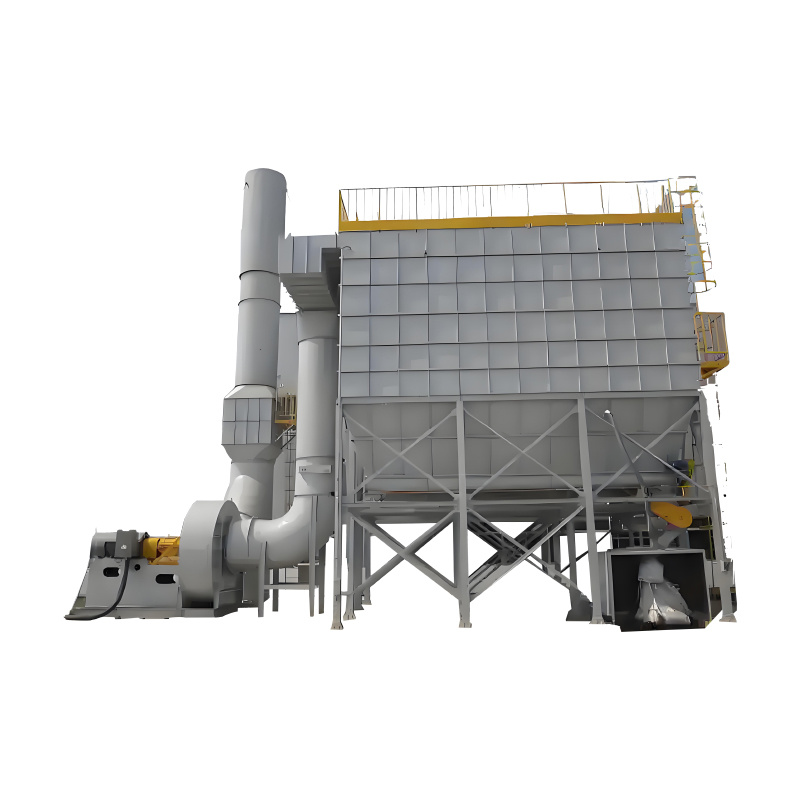
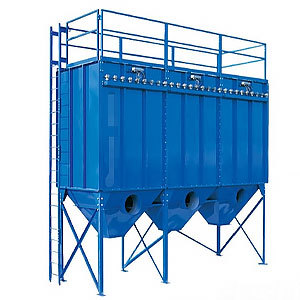
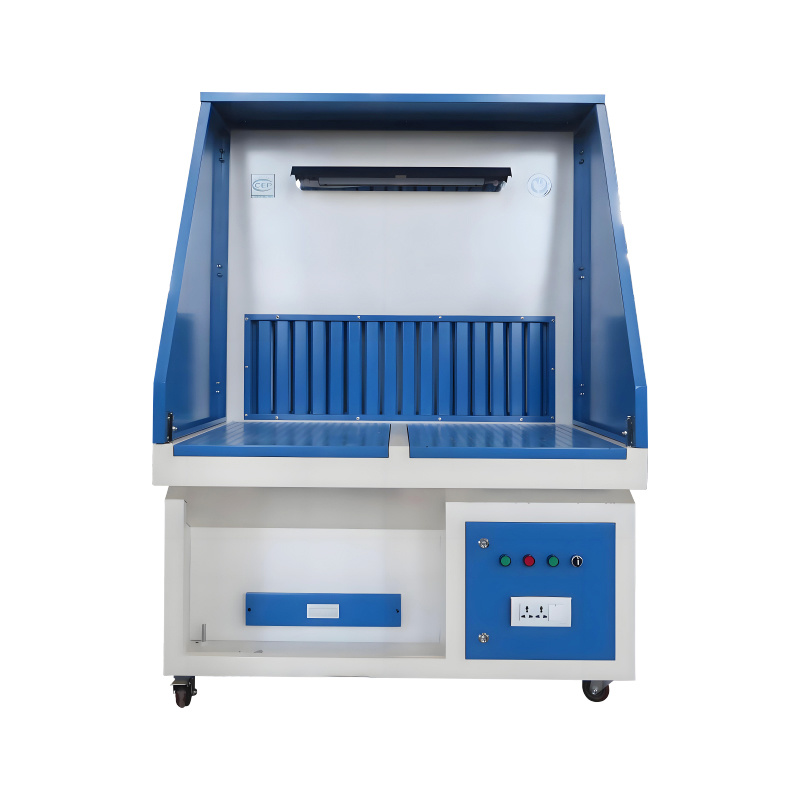
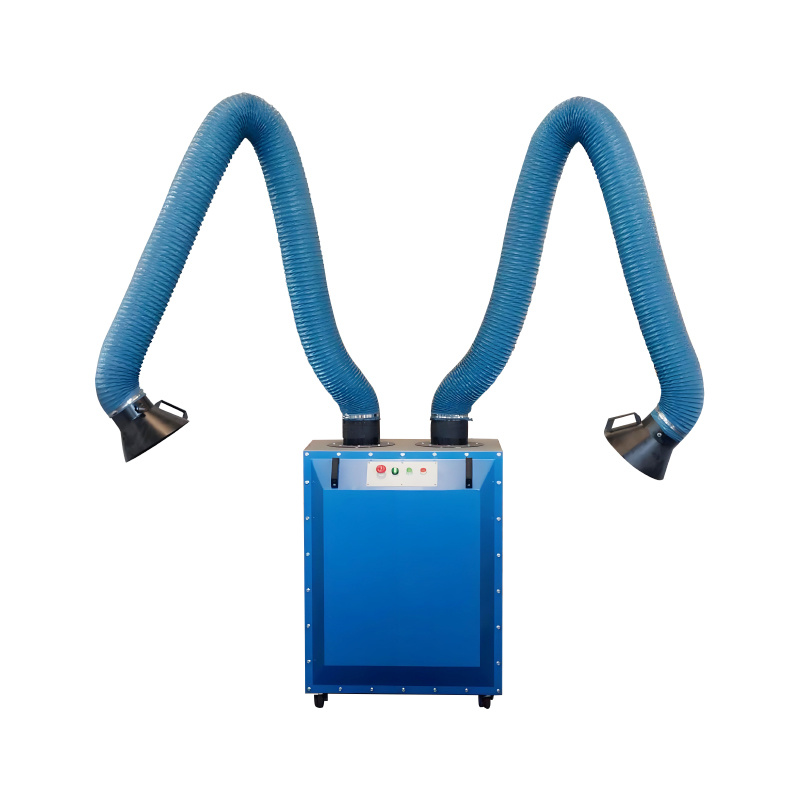









Core parameters to consider when selecting a bag filter
Mar 21,2026
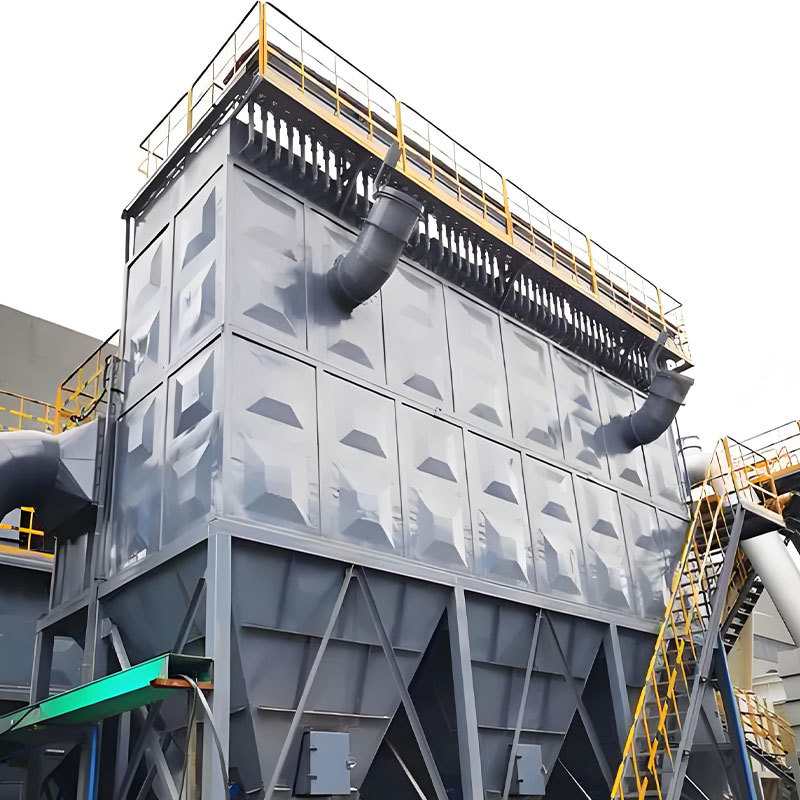
In the procurement of foreign trade equipment for industrial dust removal and waste gas treatment, bag filters have become the mainstream choice in many industries due to their high dust removal efficiency and wide applicability to various working conditions. However, blind selection can easily lead to equipment malfunctions, high energy consumption, skyrocketing maintenance costs, and even failure to meet emission standards. To choose a bag filter that is suitable for the working conditions, there is no need to worry about redundant parameters. Simply grasp the following core selection indicators and match them accurately with actual working conditions.
1、 Handling air volume: the fundamental core of equipment selection
The processing air volume is the primary parameter that determines the size of the dust collector, usually measured in meters per hour (cubic meters per hour), directly reflecting the total amount of exhaust gas that the equipment can purify per hour.
1. Selection points: It is necessary to calculate based on the maximum air volume under actual working conditions, rather than the average air volume, and reserve a margin of 10% -15% to cope with unexpected situations such as working condition fluctuations and pipeline leaks; Insufficient air volume can lead to incomplete dust removal, insufficient negative pressure, and dust escape; Excessive air volume can cause excessive air velocity in the filter bag, energy waste, and shortened equipment lifespan.
2. Foreign trade adaptation reminder: It is necessary to unify the air volume unit and mark the British units (CFM) synchronously when connecting with overseas customers to avoid unit conversion errors.
2、 Filtering wind speed: determines dust removal efficiency and filter bag life
The filtering wind speed refers to the flow rate of exhaust gas passing through the surface of the filter bag, measured in meters per minute (m/min). It is a key parameter for balancing dust removal efficiency and operating costs, and is also a detail that is easily overlooked in foreign trade selection.
1. Selection points: The faster the filtering wind speed, the better. It needs to be customized according to the characteristics of the dust and the material of the filter bag. Fine dust, viscous dust, and high concentration dust should be filtered at a low wind speed (0.6-1.0m/min) to ensure dust removal meets standards; Coarse dust and dry dust can be appropriately increased in wind speed (1.0-1.5m/min) to balance processing efficiency. Excessive wind speed will exacerbate the wear of filter bags, make it difficult to clean dust, and cause a surge in resistance; If the wind speed is too low, the equipment volume will be too large and the investment cost will increase.
3、 Imported dust concentration: matching equipment cleaning and carrying capacity
The imported dust concentration refers to the dust concentration of the exhaust gas before entering the dust collector, measured in g/m ³ or mg/m ³, which directly determines the cleaning method, number of filter bags, and pressure resistance of the dust collector.
1. Selection points: For high concentration dust conditions (>100g/m ³), a pre dust removal device should be used, and a strong cleaning mode (such as pulse blowing) should be selected to increase the filtering area of the filter bag; Low concentration dust conditions can simplify configuration and reduce equipment costs. If the concentration parameters are misjudged, it can lead to filter bag blockage, ineffective dust cleaning, and even damage to the box due to pressure build-up.
4、 Exhaust gas temperature and humidity: a prerequisite for selecting filter bag materials
The temperature and humidity of exhaust gas directly determine the selection of filter bag materials, which is the core prerequisite for cross-border adaptation and long-term stable operation of foreign trade equipment. Once the wrong material is selected, the equipment will be directly scrapped.
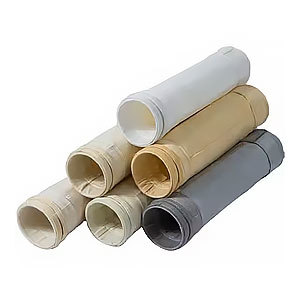
1. Temperature parameters: Polyester filter bags are selected for normal temperature conditions (<120 ℃); High temperature resistant materials such as PPS and Flumes are selected for medium to high temperature conditions (120-250 ℃); Ultra high temperature conditions require the use of cooling pre-treatment devices. It is strictly prohibited for the exhaust gas temperature to exceed the upper limit of the filter bag's tolerance to prevent the filter bag from burning or shrinking.
2. Humidity parameters: For high humidity and condensation conditions, waterproof and oil proof filter bags should be selected, and equipment insulation should be done well to avoid dust sticking to the bags or forming plates, which can cause an increase in resistance and a sudden drop in dust removal efficiency.
5、 Equipment resistance and cleaning method
The resistance of the equipment reflects the operating energy consumption of the dust collector, measured in Pa, while the cleaning method determines the cleaning effect of the filter bag dust accumulation. The two complement each other.
1. Equipment resistance: It is recommended to control the normal operating resistance between 1000-2000Pa. If the resistance is too high, it will increase the load on the fan and increase the cost of electricity. If the resistance is too low, it indicates that the filter bag is damaged or the dust cleaning is excessive.
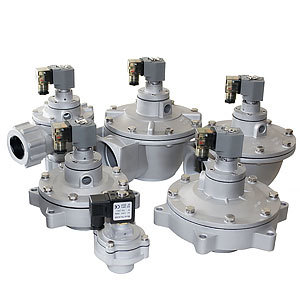
2. Cleaning methods: The mainstream methods are pulse jet cleaning (suitable for most working conditions, thorough cleaning), mechanical vibration cleaning (suitable for low concentration room temperature working conditions), and back blowing cleaning (suitable for large particle dust), which need to be selected based on air volume, concentration, and site conditions. For foreign trade exports, they need to be adapted to overseas power grids and gas source standards.
6、 Corrosion of exhaust gas: anti-corrosion selection of shell and accessories
For foreign trade industries such as chemical and metallurgical industries, when the exhaust gas contains acidic and alkaline corrosive media, it is necessary to focus on calculating the corrosive parameters to avoid rapid corrosion of equipment shells and accessories.
1. Selection points: Choose carbon steel spray coating material for weak corrosion conditions; 304/316 stainless steel and fiberglass materials are selected for strong corrosion conditions; The filter bag should be made of corrosion-resistant materials (such as PTFE), and the accessories should be sealed and treated with anti-corrosion measures to extend the cross-border service life of the equipment.
7、 Emission concentration standards: compliance core indicators
The selection of foreign trade equipment must comply with the environmental emission standards of the target market, and the emission concentration is a mandatory indicator of equipment compliance, measured in mg/m ³.
It is necessary to confirm the local environmental requirements in advance, accurately match the accuracy and filtration area of the filter bag, ensure that the export equipment meets the emission standards, and avoid returns and claims due to environmental non-compliance.
Selection summary: There is no absolute optimal solution for bag filter selection, only a solution that is suitable for the working conditions. The core logic is: first determine the processing air volume → calculate the filtering air speed → match the dust concentration → select the filter bag material (temperature and humidity+corrosion) → determine the cleaning method → check the emission standards, and screen according to this process to avoid selection errors and ensure efficient, stable, and economical operation of the equipment.
Hot Tags:
PREVIOUS:

Contact Us
Tel:
WeChat:
WhatsApp:
E-mail:
Address:
338 National Road South, Longfengdian Village, Botou City, Hebei Province, China
JiuznTomine is expertly delivering technically complicated projects in markets & provides custom solutions for their customized need.


CONTACT INFO
Tel: +86 18531710311
WeChat: +86-18531710311
338 National Road South, Longfengdian Village, Botou City, Hebei Province, China