


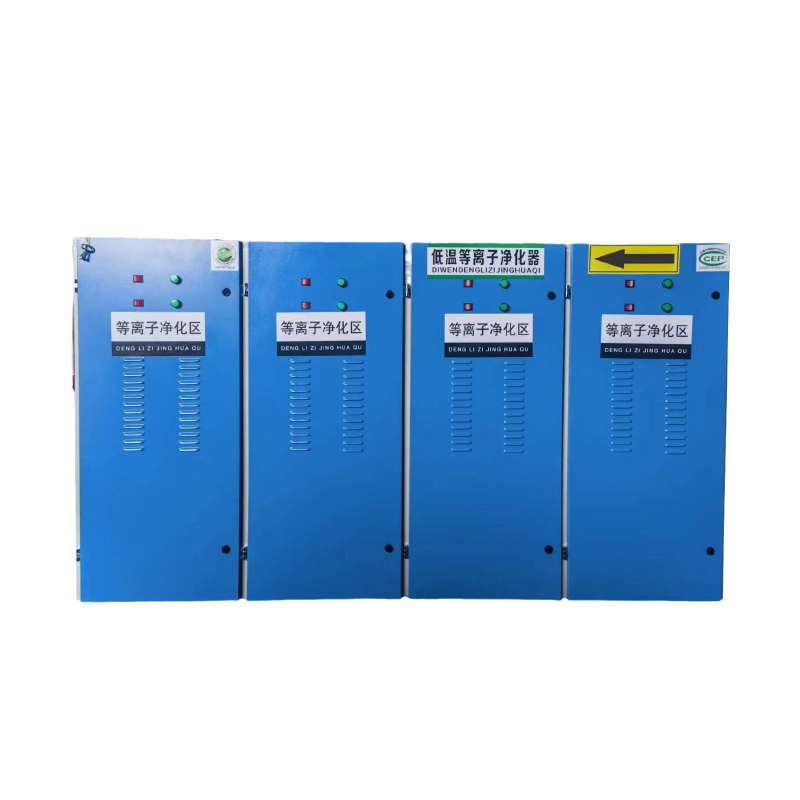










Industrial Dust Collector Selection Guide: Core Considerations
Mar 23,2026

Industrial dust collectors are the core equipment for exhaust gas purification, dust control, and compliance with operating conditions. There are various types of dust collectors such as cyclones, bags, filter cartridges, and electrostatic precipitators on the market, and blind selection can easily lead to problems such as low efficiency, high energy consumption, and complicated operation and maintenance.
1、 First, understand the basic working conditions: the core prerequisite for selection
It is meaningless to talk about selection without considering the working conditions. The first step is to accurately collect on-site basic data, which is the underlying basis for equipment adaptation and avoids later modification costs.
1. Dust characteristics: Clearly define the particle size (coarse particles/fine dust/ultrafine dust), concentration, humidity, viscosity, abrasiveness, and flammable and explosive properties of dust. Different characteristics directly determine the type and material selection of dust removal.
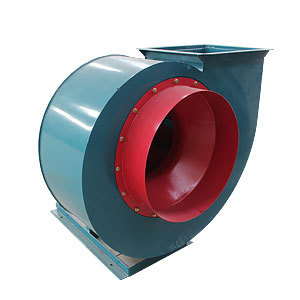
2. Air volume and air pressure: Calculate the rated processing air volume of the equipment and the loss of air pressure in the system pipeline. Insufficient air volume can lead to incomplete dust suction, and imbalanced air pressure can easily cause air leakage and escape. It is necessary to match the fan parameters and equipment specifications.
3. Gas working conditions: Confirm the exhaust gas temperature, pH, and moisture content. High temperature and corrosive gases should be made of materials that are resistant to high temperatures and corrosion to prevent equipment deformation and damage.
2、 Core selection factors: Sort by priority
1. Dust removal efficiency and emission standards
Priority should be given to complying with local environmental emission limits, and bag and filter dust collectors should be selected for fine dust and ultra-low emission scenarios; For coarse particles and pre-processing scenarios, cyclone dust collectors can be used; High temperature and high concentration working conditions can be combined with multi-stage dust removal to ensure efficiency meets standards and is not redundant.
2. Equipment type adaptability
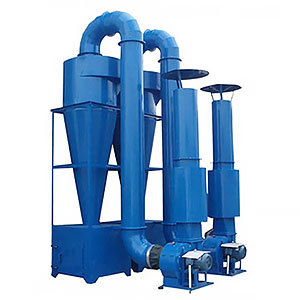
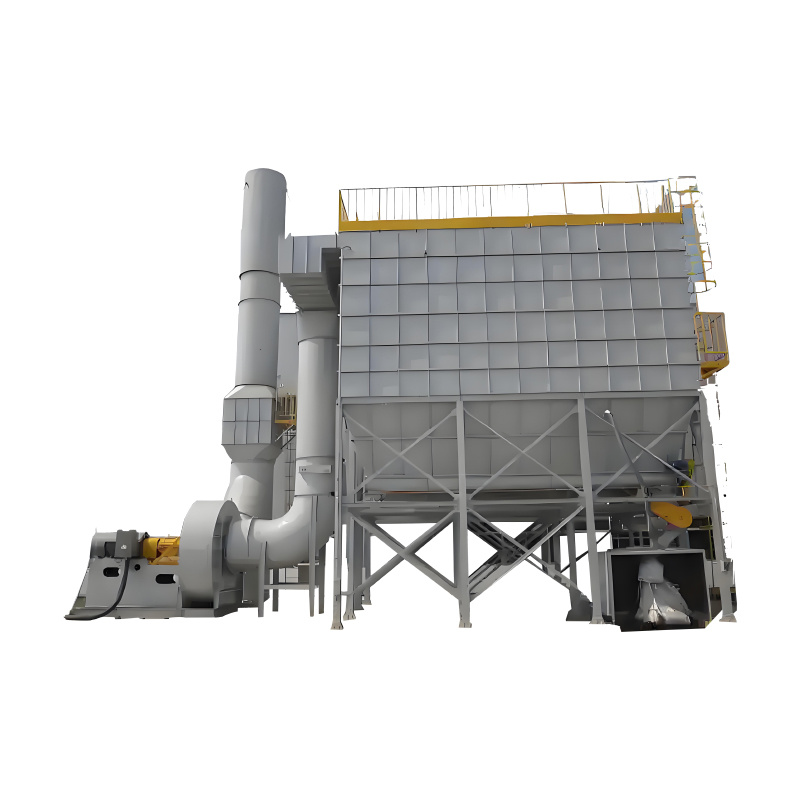
1. Cyclone dust collector: suitable for coarse dust, high-temperature pretreatment, and scenarios without fine purification requirements, with low cost and simple operation and maintenance;
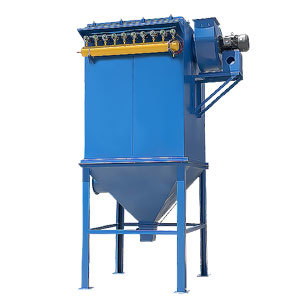
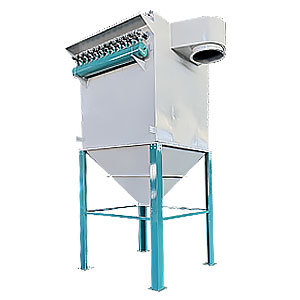
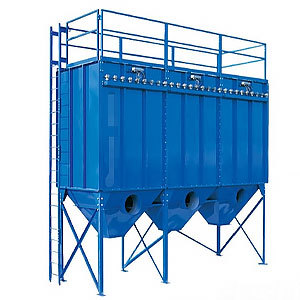
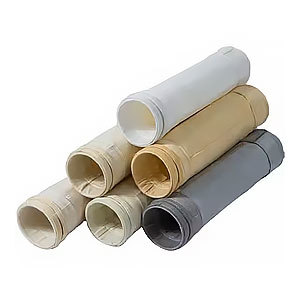
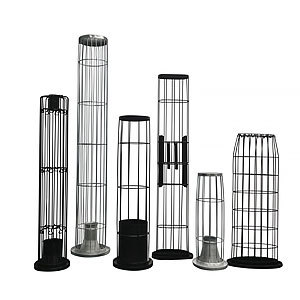
2. Bag filter: With a wide range of applications and high separation efficiency for fine dust, it is suitable for most industrial scenarios and requires attention to the material of the filter material;
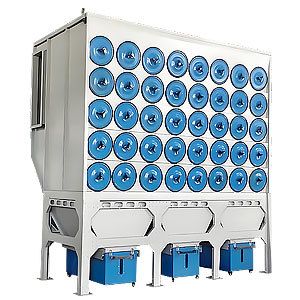
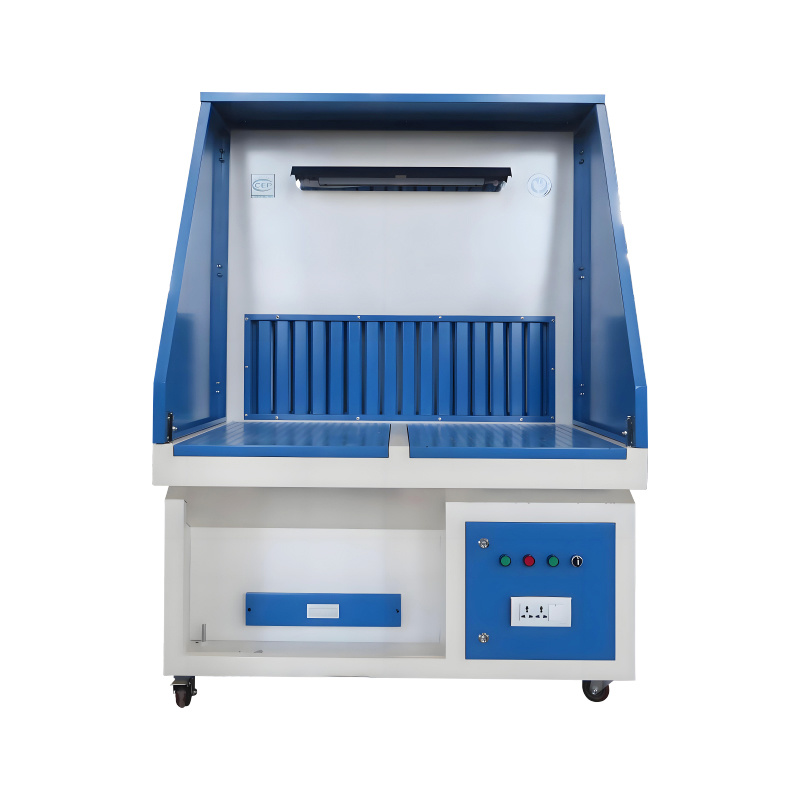
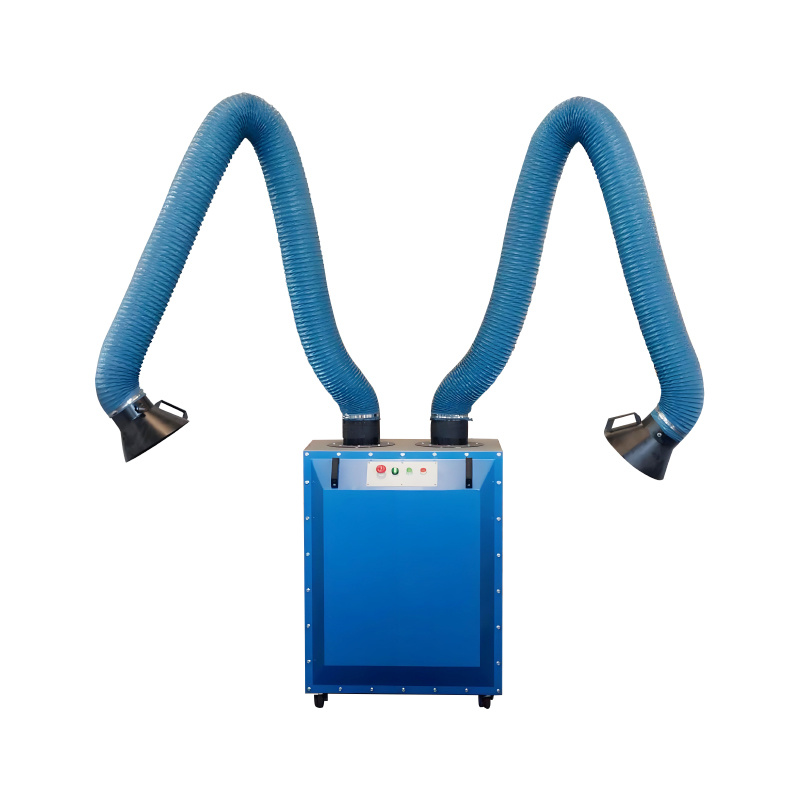
3. Filter cartridge dust collector: small footprint, high filtration accuracy, suitable for drying fine dust and limited space scenarios, and the cleaning method needs to be adapted to the working conditions;
4. Electrostatic precipitator: suitable for high temperature, high air volume, low resistance scenarios, with high operation and maintenance costs, and sensitive to dust specific resistance.
3. Material and Durability
Wear resistant plates are selected for abrasive dust, carbon steel and stainless steel materials are used for high temperature conditions, and anti-corrosion coatings or special alloys are suitable for corrosive gases. At the same time, equipment wall thickness and sealing technology are considered to extend the service life.
4. Energy consumption and operation and maintenance costs
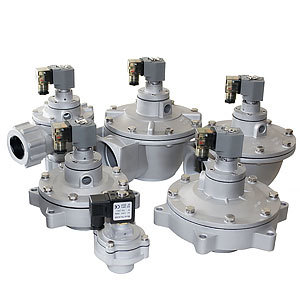
Balancing equipment energy consumption (fan power, dust cleaning energy consumption), frequency of replacement of vulnerable parts (filter bags, filter cartridges, seals), and difficulty of dust cleaning, prioritize models with simple structure, convenient maintenance, and reasonable energy consumption to reduce long-term usage costs.
5. Space and installation conditions
Based on the site occupation height, pipeline layout, and installation location selection, vertical/horizontal, integrated/split type equipment should match the on-site installation conditions, while reserving space for maintenance, cleaning, and replacement.
6. Safety compliance
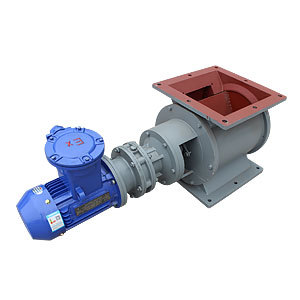
Flammable and explosive dust should be equipped with explosion-proof valves, flame-retardant filter materials, and anti-static devices; The strong adhesion of dust requires the installation of a dust cleaning auxiliary structure, which meets local safety and environmental certification requirements and avoids compliance risks.
3、 Summary of selection and avoidance of pitfalls
The selection of industrial dust collectors follows the principle of "working conditions first, efficiency later, cost later, and finally adaptation", without blindly pursuing high-end models or simply lowering budgets. First, sort out the core parameters of dust, air volume, and temperature, then match the equipment type and material, taking into account both short-term investment and long-term operation and maintenance, to select dust removal equipment with strong adaptability, stability, and durability.
Hot Tags:

Contact Us
Tel:
WeChat:
WhatsApp:
E-mail:
Address:
338 National Road South, Longfengdian Village, Botou City, Hebei Province, China
JiuznTomine is expertly delivering technically complicated projects in markets & provides custom solutions for their customized need.


CONTACT INFO
Tel: +86 18531710311
WeChat: +86-18531710311
338 National Road South, Longfengdian Village, Botou City, Hebei Province, China