











Understanding the Importance of a Pulse Controller in Air Purification: A Comprehensive Guide
Mar 24,2026
Understanding the Importance of a Pulse Controller in Air Purification
In the quest for cleaner air and healthier environments, air purification systems have become essential in various industries. At the heart of these systems lies the pulse controller, a component that plays a pivotal role in ensuring effective dust and contaminant removal. This article delves into the significance of pulse cont
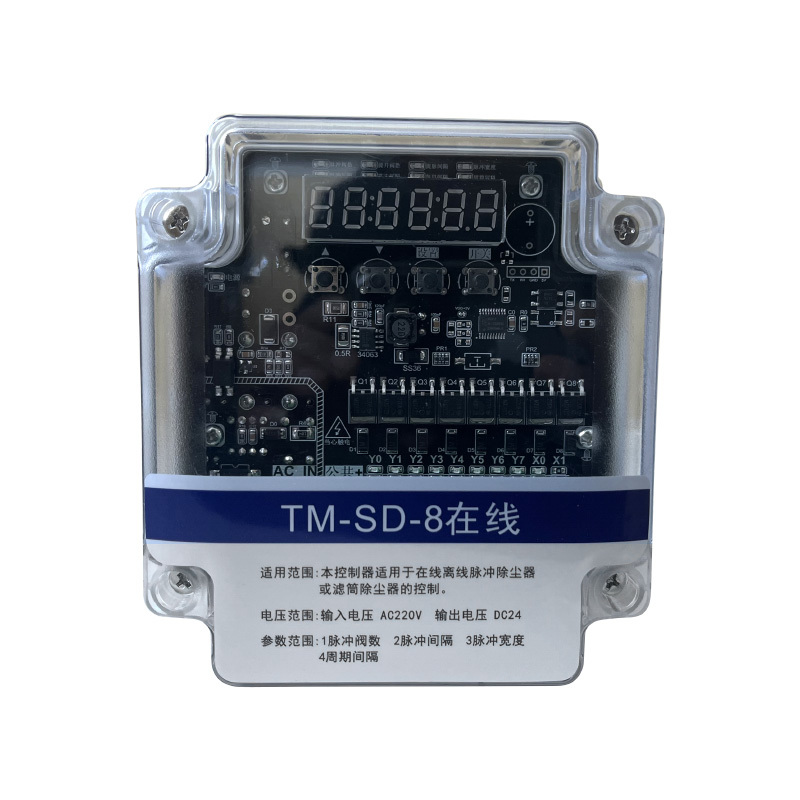
Understanding the Importance of a Pulse Controller in Air Purification
In the quest for cleaner air and healthier environments, air purification systems have become essential in various industries. At the heart of these systems lies the pulse controller, a component that plays a pivotal role in ensuring effective dust and contaminant removal. This article delves into the significance of pulse controllers in air purification, their working mechanisms, benefits, and key considerations for optimal performance.
Table of Contents
1. What is a Pulse Controller?
2. How Pulse Controllers Function in Air Purification
3. The Benefits of Using a Pulse Controller
3.1 Enhanced Dust Removal Efficiency
3.2 Reduced Energy Consumption
3.3 Extended Equipment Longevity
3.4 Improved Air Quality
4. Key Features to Consider When Selecting a Pulse Controller
4.1 Compatibility with Air Purification Systems
4.2 Control Options and Flexibility
4.3 Durability and Maintenance Requirements
5. Common Applications of Pulse Controllers in Industrial Settings
6. Troubleshooting and Maintenance of Pulse Controllers
7. Frequently Asked Questions (FAQs)
8. Conclusion
1. What is a Pulse Controller?
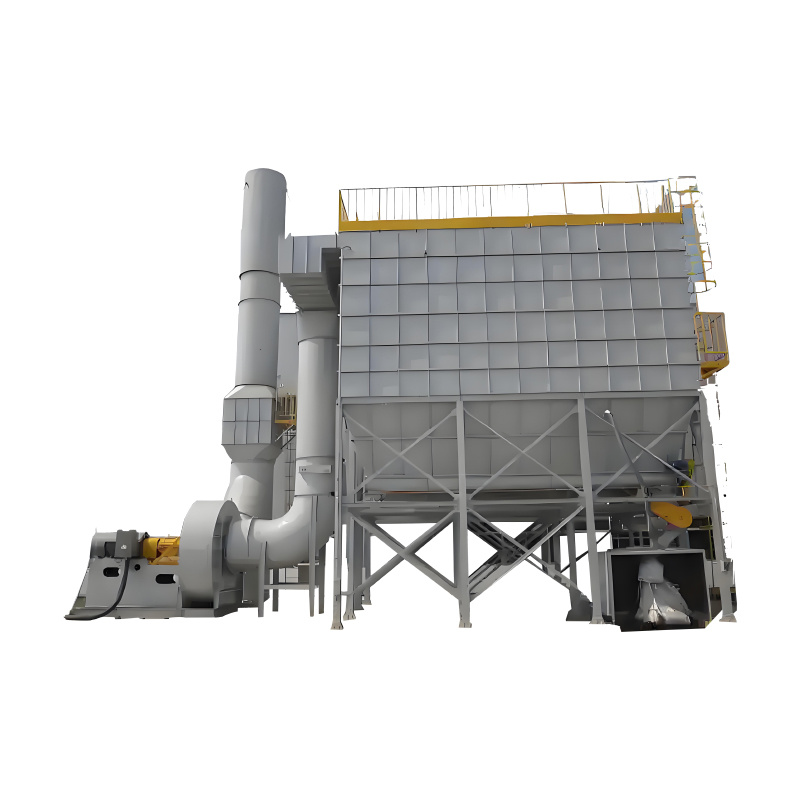
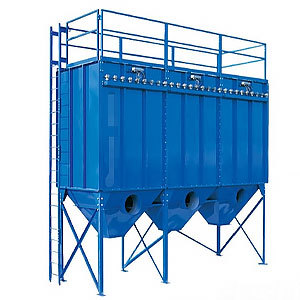
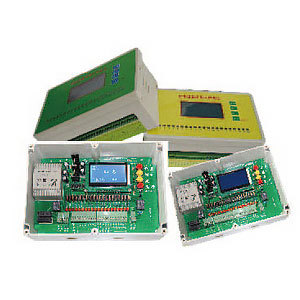
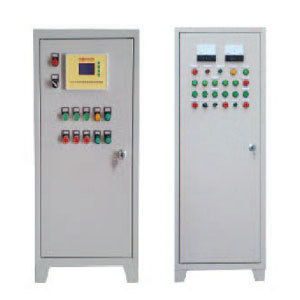
A pulse controller is a specialized device designed to manage the operation of pulse jet dust collectors within air purification systems. These systems are essential for removing particulate matter and other impurities from the air, ensuring a safe and healthy working environment. The pulse controller regulates the timing and frequency of air pulses that clean filter media, optimizing the dust collection process.
2. How Pulse Controllers Function in Air Purification
Pulse controllers operate by sending bursts of compressed air through the filter elements of dust collection systems. This process dislodges accumulated dust and debris, allowing for efficient filtration and maintaining the system's performance. The controller's programming allows it to adapt the timing and intensity of these air pulses based on real-time conditions, ensuring effective cleaning while minimizing energy consumption.
The pulse controller continuously monitors parameters such as pressure drop across the filter and air flow rates. When it detects a significant increase in pressure drop, indicating that filters are becoming clogged, it initiates a pulse cleaning cycle. This intelligent operation leads to better dust control and longer filter life.
3. The Benefits of Using a Pulse Controller
3.1 Enhanced Dust Removal Efficiency
One of the standout benefits of a pulse controller is its ability to enhance dust removal efficiency. By delivering precisely timed air pulses, these controllers ensure that filters are cleaned effectively, allowing for consistent airflow and optimal filtration performance. This results in lower emissions of particulate matter into the environment, contributing to improved air quality.
3.2 Reduced Energy Consumption
Efficiency is a hallmark of modern industrial operations, and pulse controllers play a vital role in reducing energy consumption. By optimizing the cleaning cycles, these controllers minimize unnecessary air pulse activation, leading to lower operational costs while maintaining effective dust control.
3.3 Extended Equipment Longevity
Regular maintenance and efficient operation are crucial for the longevity of air purification systems. A pulse controller helps extend equipment life by ensuring that filters are cleaned thoroughly, reducing wear and tear over time. This can lead to significant cost savings in terms of replacement and maintenance.
3.4 Improved Air Quality
The primary goal of any air purification system is to improve air quality. With a pulse controller, the system can maintain optimal performance, leading to cleaner air and a healthier environment. This is particularly important in industrial settings where airborne contaminants can pose serious health risks.
4. Key Features to Consider When Selecting a Pulse Controller
When choosing a pulse controller for your air purification system, several features should be considered to ensure optimal performance:
4.1 Compatibility with Air Purification Systems
It is essential to select a pulse controller that is compatible with your specific air purification system. Different systems may have varying requirements and specifications, so understanding these needs is crucial for effective integration.
4.2 Control Options and Flexibility
A pulse controller should offer a range of control options to suit your operational needs. Look for controllers that provide programmable settings, allowing for flexibility in operation based on varying conditions.
4.3 Durability and Maintenance Requirements
Durability is a critical factor in the selection of a pulse controller. Industrial environments can be harsh, so robust construction and materials are essential for reliable performance. Additionally, consider the maintenance requirements of the controller to ensure ease of use and longevity.
5. Common Applications of Pulse Controllers in Industrial Settings
Pulse controllers are employed in various industrial applications, including:
- **Manufacturing Plants**: To manage dust created during production processes.
- **Food Processing Facilities**: For maintaining hygiene by controlling airborne contaminants.
- **Pharmaceutical Industries**: To ensure clean air in sterile environments.
- **Woodworking Shops**: To remove wood dust and particles efficiently.
These applications illustrate the versatility and necessity of pulse controllers in safeguarding air quality across multiple sectors.
6. Troubleshooting and Maintenance of Pulse Controllers
Routine maintenance and troubleshooting are vital for ensuring the longevity and efficiency of pulse controllers. Regular checks should include:
- **Inspecting for leaks**: Ensure that compressed air lines are intact and free of leaks.
- **Cleaning sensors**: Keep sensors clean for accurate readings and performance.
- **Checking programming**: Regularly review and adjust the controller's settings as needed to accommodate changes in operations.
7. Frequently Asked Questions (FAQs)
What is the main purpose of a pulse controller in air purification?
The main purpose of a pulse controller is to optimize the cleaning cycle of filters in dust collection systems, ensuring efficient dust removal and maintaining air quality.
How does a pulse controller improve energy efficiency?
By regulating the timing and intensity of pulse cleaning cycles, a pulse controller minimizes unnecessary energy consumption while maintaining effective dust control.
What factors should I consider when selecting a pulse controller?
Consider compatibility with your air purification system, control options, flexibility, durability, and maintenance requirements.
Can a pulse controller extend the life of my air purification system?
Yes, by ensuring thorough cleaning of filters and reducing wear and tear, a pulse controller can significantly extend the life of your air purification equipment.
What industries commonly use pulse controllers?
Common industries include manufacturing, food processing, pharmaceuticals, and woodworking, where effective dust control is essential.
8. Conclusion
In summary, a pulse controller plays a vital role in ensuring the efficiency and effectiveness of air purification systems. By managing the pulse cleaning cycles, these controllers not only enhance dust removal but also contribute to energy savings, extended equipment lifespan, and improved air quality. When selecting a pulse controller, it is crucial to consider compatibility, control options, and durability to ensure optimal performance in your industrial applications. By investing in the right pulse controller, industries can achieve cleaner air, a healthier environment, and significant operational efficiencies.
Hot Tags:
PREVIOUS:

Contact Us
Tel:
WeChat:
WhatsApp:
E-mail:
Address:
338 National Road South, Longfengdian Village, Botou City, Hebei Province, China
JiuznTomine is expertly delivering technically complicated projects in markets & provides custom solutions for their customized need.


CONTACT INFO
Tel: +86 18531710311
WeChat: +86-18531710311
338 National Road South, Longfengdian Village, Botou City, Hebei Province, China