













The Essential Guide to Rotary Discharge Valves: Function, Applications, and Benefits
Mar 22,2026
Rotary discharge valves are crucial components in many industrial applications, serving as a vital link in the transportation of bulk materials. These valves are designed to control the flow of materials from a storage container or hopper while ensuring minimal leakage and efficient discharge. Their unique design allows them to handle a wide range of materials, including powders, granules, and gra

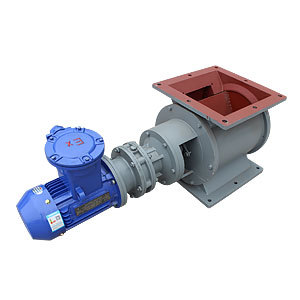
Rotary discharge valves are crucial components in many industrial applications, serving as a vital link in the transportation of bulk materials. These valves are designed to control the flow of materials from a storage container or hopper while ensuring minimal leakage and efficient discharge. Their unique design allows them to handle a wide range of materials, including powders, granules, and granulated solids, making them a versatile solution for various industries.
One of the key features of rotary discharge valves is their ability to maintain a consistent pressure differential. This is particularly important in applications where materials need to be conveyed through pneumatic systems. By employing a rotary valve, operators can ensure a steady flow of material while preventing backflow, which can disrupt processes and lead to material contamination.
In addition to their functional benefits, rotary discharge valves are also known for their durability and reliability. Constructed from high-quality materials, these valves can withstand harsh operating conditions, including extreme temperatures and abrasive materials. This durability not only extends the lifespan of the valve but also reduces maintenance costs and downtime, contributing to overall operational efficiency.
The versatility of rotary discharge valves also extends to their design. They can be customized to accommodate specific requirements, such as varying sizes, shapes, and materials, ensuring that they meet the unique needs of different applications. This adaptability makes them an excellent choice for industries ranging from food processing and pharmaceuticals to chemical manufacturing and mining.
Moreover, rotary discharge valves can significantly enhance the overall efficiency of a production line. By facilitating the smooth and controlled release of materials, these valves help minimize waste and reduce the risk of blockages, which can lead to costly downtime. In addition, their ability to operate with minimal energy consumption makes them an environmentally friendly choice for companies looking to reduce their carbon footprint.
In conclusion, the role of rotary discharge valves in industrial processes cannot be overstated. Their reliable performance, adaptability, and efficiency make them an integral component in the handling of bulk materials. By understanding their functions and benefits, businesses can make informed decisions when integrating rotary discharge valves into their operations, ultimately leading to improved productivity and cost savings. Whether you are involved in the food, pharmaceutical, or chemical industries, the right rotary discharge valve can enhance your system's performance and reliability.
One of the key features of rotary discharge valves is their ability to maintain a consistent pressure differential. This is particularly important in applications where materials need to be conveyed through pneumatic systems. By employing a rotary valve, operators can ensure a steady flow of material while preventing backflow, which can disrupt processes and lead to material contamination.
In addition to their functional benefits, rotary discharge valves are also known for their durability and reliability. Constructed from high-quality materials, these valves can withstand harsh operating conditions, including extreme temperatures and abrasive materials. This durability not only extends the lifespan of the valve but also reduces maintenance costs and downtime, contributing to overall operational efficiency.
The versatility of rotary discharge valves also extends to their design. They can be customized to accommodate specific requirements, such as varying sizes, shapes, and materials, ensuring that they meet the unique needs of different applications. This adaptability makes them an excellent choice for industries ranging from food processing and pharmaceuticals to chemical manufacturing and mining.
Moreover, rotary discharge valves can significantly enhance the overall efficiency of a production line. By facilitating the smooth and controlled release of materials, these valves help minimize waste and reduce the risk of blockages, which can lead to costly downtime. In addition, their ability to operate with minimal energy consumption makes them an environmentally friendly choice for companies looking to reduce their carbon footprint.
In conclusion, the role of rotary discharge valves in industrial processes cannot be overstated. Their reliable performance, adaptability, and efficiency make them an integral component in the handling of bulk materials. By understanding their functions and benefits, businesses can make informed decisions when integrating rotary discharge valves into their operations, ultimately leading to improved productivity and cost savings. Whether you are involved in the food, pharmaceutical, or chemical industries, the right rotary discharge valve can enhance your system's performance and reliability.
Hot Tags:
PREVIOUS:
Contact Us
Tel:
WeChat:
WhatsApp:
E-mail:
Address:
338 National Road South, Longfengdian Village, Botou City, Hebei Province, China
JiuznTomine is expertly delivering technically complicated projects in markets & provides custom solutions for their customized need.


CONTACT INFO
Tel: +86 18531710311
WeChat: +86-18531710311
338 National Road South, Longfengdian Village, Botou City, Hebei Province, China