












Key Factors to Consider When Sourcing Butterfly Valves
Mar 20,2026
Key Factors to Consider When Sourcing Butterfly Valves
When it comes to industrial applications, sourcing the right butterfly valves can significantly impact operational efficiency and system reliability. Butterfly valves are favored for their compact design, cost-effectiveness, and ability to handle various media. However, the process of selecting the right valve requires careful consideration of

Key Factors to Consider When Sourcing Butterfly Valves
When it comes to industrial applications, sourcing the right butterfly valves can significantly impact operational efficiency and system reliability. Butterfly valves are favored for their compact design, cost-effectiveness, and ability to handle various media. However, the process of selecting the right valve requires careful consideration of several key factors. In this article, we will explore the essential elements that should guide your decision-making process when sourcing butterfly valves.
Understanding Butterfly Valves: An Overview
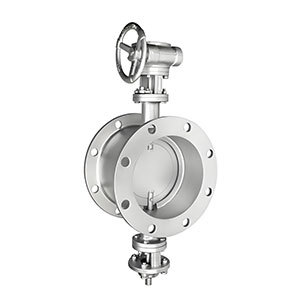
Before delving into the critical factors for sourcing, it's essential to understand what butterfly valves are and their primary applications. Butterfly valves are quarter-turn rotational valves that utilize a disc to regulate fluid flow. These valves are commonly used in various industries, including water treatment, HVAC systems, and oil and gas.
Why Choose Butterfly Valves?
Butterfly valves offer several advantages, making them a popular choice:
1. **Compact Design**: They require less space compared to traditional valves.
2. **Cost-Effective**: Their manufacturing process is generally less expensive.
3. **Quick Operation**: The quarter-turn mechanism allows for rapid opening and closing.
4. **Versatility**: Suitable for various applications in different industries.
Key Factors to Consider When Sourcing Butterfly Valves
When sourcing butterfly valves, it is imperative to consider the following factors to ensure optimal performance and reliability:
1. Material Selection
The material of the butterfly valve plays a crucial role in its performance and longevity. Key materials include:
- **Cast Iron**: Durable and cost-effective, suitable for water and wastewater applications.
- **Stainless Steel**: Excellent corrosion resistance, ideal for harsh chemical environments.
- **PVC**: Lightweight and resistant to corrosion, often used in low-pressure applications.
- **Ductile Iron**: Combines strength and ductility, making it suitable for various industrial uses.
When selecting a material, consider factors such as the type of media, temperature, pressure, and environmental conditions.
Corrosion Resistance
Corrosion can significantly reduce the lifespan of a valve. Ensure that the chosen material can withstand the specific corrosive agents present in the application.
2. Valve Size and Specifications
The size of the butterfly valve is critical for ensuring it meets the flow requirements of your system. When determining the appropriate size:
- **Flow Rate**: Calculate the required flow rate and select a valve size that can accommodate it.
- **Pipe Size**: The valve size should match the diameter of the piping system for optimal performance.
Pressure Rating
Ensure the valve's pressure rating aligns with the system's operational pressures to prevent failures and leaks.
3. Design Features
Butterfly valves come in various designs, each offering unique features. Consider the following design aspects:
- **Disc Type**: The disc can be molded or machined, affecting flow characteristics and sealing capacity.
- **Sealing Mechanism**: Different sealing options, such as elastomeric seals or metal-to-metal seals, provide varying degrees of tightness and durability.
- **Actuation Method**: Decide between manual, pneumatic, or electric actuation based on your operational needs.
Flow Characteristics
Evaluate how the valve design affects the flow characteristics of the system. Some designs may cause turbulence, while others may provide a smoother flow.
4. Performance Standards and Certifications
Ensure the butterfly valves meet industry standards and certifications, such as:
- **ISO 9001**: Quality management systems.
- **API 609**: Standard for butterfly valves.
- **ANSI/ASME**: American National Standards Institute/American Society of Mechanical Engineers standards.
Compliance with these standards ensures that you are sourcing reliable and high-quality valves.
5. Supplier Selection Criteria
Choosing the right supplier is as crucial as selecting the valve itself. Consider these aspects when evaluating potential suppliers:
- **Reputation**: Look for suppliers with a proven track record in the industry.
- **Quality Assurance**: Ensure they have stringent quality control measures in place.
- **Technical Support**: A good supplier should offer reliable technical support and assistance.
Lead Time and Delivery
Assess the supplier's lead time for manufacturing and delivery to ensure it aligns with your project timelines.
6. Cost Considerations
While cost should not be the sole determining factor, it is essential to evaluate the overall value. Consider the following:
- **Initial Cost**: The upfront cost of the valve.
- **Operational Cost**: Maintenance and energy costs associated with the valve's operation.
- **Lifespan**: A higher initial investment may pay off in the long run if it leads to increased durability and reduced maintenance.
7. Maintenance and Serviceability
Evaluate the maintenance requirements of the butterfly valves you are considering. Choose designs that allow for easy access to components for maintenance and repairs. This consideration can significantly reduce downtime and operational costs over time.
Replacement Parts Availability
Ensure that replacement parts for the valves are readily available in the market, as this can affect long-term maintenance and repair capabilities.
8. Environmental Considerations
Consider the environmental impact of the butterfly valves you are sourcing. This includes:
- **Energy Efficiency**: Opt for valves that minimize energy consumption during operation.
- **Sustainability**: Look for materials and manufacturing processes that adhere to sustainable practices.
FAQs About Sourcing Butterfly Valves
1. What types of applications are butterfly valves suited for?
Butterfly valves are ideal for applications involving water, wastewater, HVAC systems, and various chemical processes.
2. How do I determine the right size of a butterfly valve for my system?
Calculate the required flow rate and match it with the valve size that fits your piping system's diameter.
3. What is the typical lifespan of a butterfly valve?
The lifespan can vary based on material and usage, but well-maintained butterfly valves can last from 10 to 20 years.
4. Are butterfly valves suitable for throttling applications?
While they can be used for throttling, they are primarily designed for on/off control. For precise throttling, consider other valve types.
5. How can I ensure the butterfly valve is leak-proof?
Select valves with quality sealing mechanisms and ensure they are properly installed and maintained.
Conclusion
Sourcing butterfly valves for your industrial applications requires a keen understanding of various factors, including material selection, design features, and supplier evaluation. By carefully considering these elements, you can ensure that the butterfly valves you choose will enhance operational efficiency and reliability. Whether you are navigating through specifications, evaluating suppliers, or considering maintenance needs, informed decision-making is crucial for achieving optimal results. Remember, the right butterfly valve can make a significant difference in the performance of your systems.
Hot Tags:
PREVIOUS:

Contact Us
Tel:
WeChat:
WhatsApp:
E-mail:
Address:
338 National Road South, Longfengdian Village, Botou City, Hebei Province, China
JiuznTomine is expertly delivering technically complicated projects in markets & provides custom solutions for their customized need.


CONTACT INFO
Tel: +86 18531710311
WeChat: +86-18531710311
338 National Road South, Longfengdian Village, Botou City, Hebei Province, China