











Selection Guide for Dust Removal Skeleton: Accurately Match Material and Specifications with Dust Removal Bag
Mar 24,2026

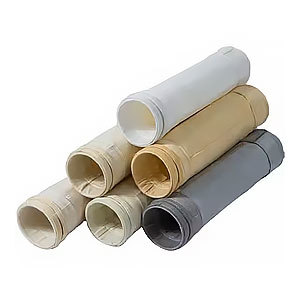
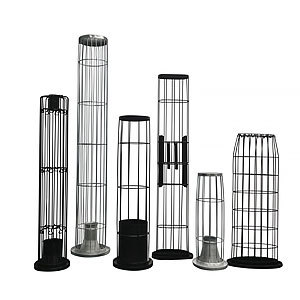
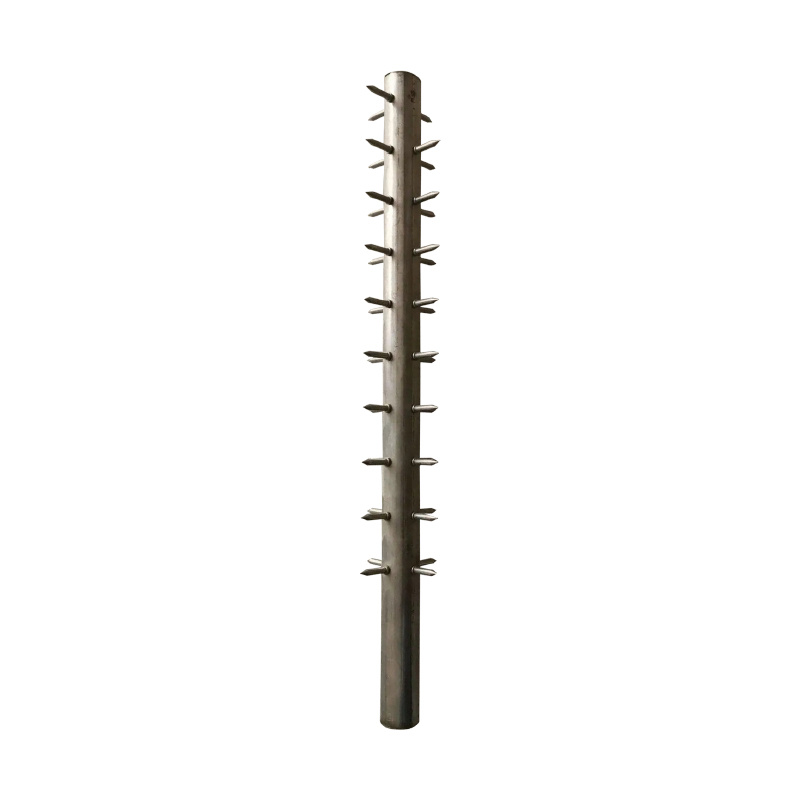
The dust removal skeleton is the supporting skeleton of the dust removal bag, which can be called the "steel frame structure" of the bag. Whether the selection matches directly determines the service life, dust removal efficiency, and exhaust emission stability of the bag. For foreign trade conditions and cross-border equipment maintenance scenarios, the mismatch between the skeleton and the bag can easily lead to bag damage, dust escape, and even affect environmental compliance.
1、 Selection of dust removal skeleton material: suitable for flue gas working conditions, preventing corrosion and deformation
The skeleton material needs to match the temperature, humidity, and corrosiveness of the flue gas, while taking into account the characteristics of the bag material to avoid rusting and embrittlement of the skeleton, which can damage the bag. Common materials and applicable scenarios are as follows:
1. Low carbon steel galvanized skeleton: the most universal basic model, resistant to room temperature and weak moisture, suitable for non corrosive and normal working conditions with temperature<130 ℃, suitable for polyester, polypropylene and other room temperature filter bags, with high cost-effectiveness, it is the first choice for most ordinary dust removal scenarios.
2. Organosilicon spray coating skeleton: It has better corrosion resistance than galvanized version, acid and alkali resistance, moisture resistance, suitable for temperatures of -20 ℃~260 ℃, suitable for medium and normal temperature, slightly corrosive flue gas, matched with PPS and conventional PTFE filter bags, and is not easy to cause coating peeling and scratching of the bag.
3. Stainless steel skeleton (304/316L): super strong acid and alkali resistance, high temperature resistance, and moisture corrosion resistance. 304 material is suitable for corrosive working conditions below 180 ℃, 316L is suitable for high temperature and high humidity, strong acid and alkali flue gas, and is suitable for high-end filter bags such as high temperature film coating, PTFE, P84, etc. It is mostly used in harsh working conditions.
4. Spray coating skeleton: With high surface smoothness and good anti scratch bag effect, it is suitable for clean and non corrosive working conditions at room temperature. It is strictly prohibited to use it in high-temperature scenarios to avoid melting and adhesion of the plastic layer to the bag.
2、 Core specification matching: It fits snugly with the cloth bag to prevent gap damage
Mismatching of specifications is the main cause of bag damage and dust short circuits. It is necessary to strictly compare the selection of bag parameters, and control the following four core specifications:
1. Diameter matching: moderate gap, neither loose nor tight
The outer diameter of the skeleton should be slightly smaller than the inner diameter of the bag, and the conventional gap should be controlled at 2-3mm. If the gap is too large, it will cause the bag to shake and wear, while if the gap is too small, it will cause difficulty in installing the bag, wrinkles and accumulation of filter material, and affect the cleaning effect. Accurate measurement of the inner diameter of the bag is required before procurement to prevent non-standard size mixing.
2. Length matching: Compliant in length and sealed in place
The length of the skeleton should be exactly the same as the length of the cloth bag, with the top of the skeleton flush with the bag mouth and no problems with the bottom being too long or too short. Exceeding the length limit can damage the flower board or bag opening, while insufficient length can cause the bag to sag, dust to accumulate during cleaning, and damage the flower board seal, resulting in air flow short circuit.
3. Thread diameter and number of ribs: support strength meets the standard
Select the wire diameter and number of ribs based on the length of the bag and the negative pressure of the working conditions: for short bags (<2.5m) and low-pressure working conditions, use conventional wire diameters of+6~8 ribs; For long cloth bags (>3m) and high-pressure negative pressure conditions, it is necessary to increase the wire diameter and the number of ribs (10-12) to prevent deformation of the skeleton and damage to the cloth bag due to suction.
4. Interface and bottom: smooth and burr free
The welding points, interfaces, and bottom of the skeleton must be polished smooth, without burrs, weld beads, sharp corners, and avoid scratching or cutting the cloth bag; It is recommended to install a protective cap at the bottom to reduce bag wear during dust cleaning and airflow impact, and extend the service life of the filter bag.
3、 Selection must see precautions
1. Priority should be given to selecting products from the same manufacturer as the cloth bag to reduce size deviations and material incompatibility issues;
2. It is strictly prohibited to use low-temperature material skeleton under high temperature conditions to prevent thermal deformation and damage to the cloth bag;
3. Refuse to use ordinary galvanized skeleton in corrosive working conditions to avoid sticking to the bag after rusting and tearing the filter bag during disassembly;
4. Non standard irregular shaped cloth bags (such as pleated bags and envelope bags) require customized special skeletons and cannot be replaced by conventional circular skeletons.
4、 Selection Summary
The core logic of selecting dust removal skeleton: material depends on working conditions, anti-corrosion and temperature resistance, specifications depend on bag size and gap. Accurate matching can protect filter bags, reduce operation and maintenance costs, and ensure stable operation of dust removal equipment, laying a solid foundation for environmental compliance standards.
Hot Tags:
PREVIOUS:
Contact Us
Tel:
WeChat:
WhatsApp:
E-mail:
Address:
338 National Road South, Longfengdian Village, Botou City, Hebei Province, China
JiuznTomine is expertly delivering technically complicated projects in markets & provides custom solutions for their customized need.


CONTACT INFO
Tel: +86 18531710311
WeChat: +86-18531710311
338 National Road South, Longfengdian Village, Botou City, Hebei Province, China