











Operation and maintenance of star shaped unloader and rapid handling of material jamming faults
Jan 16,2026

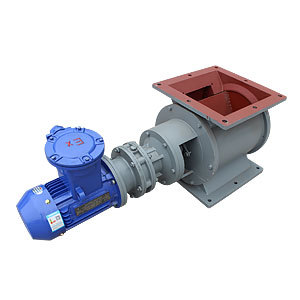
As a key equipment in powder and granular material conveying systems, star shaped unloaders are widely used in industries such as chemical, building materials, grain, metallurgy, etc., mainly responsible for dual functions of unloading and air locking. The stable operation of equipment is directly related to the efficiency of the entire conveying system. Scientific operation and maintenance can significantly extend the service life of equipment, while rapid handling of material jamming faults can minimize production interruption losses.
1、 Key points for operation and maintenance of star shaped unloader
The operation and maintenance of the star shaped unloader should follow the principle of "regular inspection, on-demand maintenance, and prevention first", and carry out daily inspections, regular maintenance, and long-term shutdown maintenance work on a periodic basis, focusing on core components such as lubrication, sealing, transmission, and impeller.
(1) Daily inspection and maintenance (daily/shift)
1. Operation status monitoring: After starting up, observe the sound of the equipment running. Under normal circumstances, there should be no abnormal vibration, impact sound or friction sound. If there is any abnormal noise, stop the machine immediately for troubleshooting; Use temperature measuring tools to detect the temperature of the motor and gearbox housing. The temperature of the motor should not exceed 80 ℃, and the temperature of the gearbox should not exceed 70 ℃ to avoid overheating and damaging components.
2. Sealing performance inspection: Check whether there is any material leakage or air leakage at the end cover, flange connection, and shaft seal of the equipment. For packing sealing, it is necessary to observe the tightness of the packing. If there is slight leakage, the gland bolts can be tightened appropriately. If the leakage is severe, the packing should be replaced in a timely manner; For mechanical seals, it is important to inspect the sealing surface for wear and leakage, and keep the sealing area clean and free of debris.
3. Material transportation observation: Pay attention to whether the material feeding and discharging of the unloader are smooth, without blockage or breakage. At the same time, observe whether there is any agglomeration or adhesion of the material, and clean up the accumulated material near the feeding port in a timely manner to avoid material accumulation affecting the rotation of the impeller.
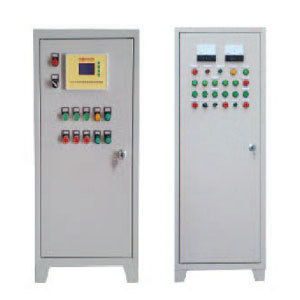
4. Motor and electrical inspection: Check whether the motor wiring terminals are firm, whether there is looseness or heating phenomenon; The components inside the electrical control cabinet are running normally, the indicator lights are displaying accurately, and there are no hidden dangers of short circuits or leakage.
(2) Regular maintenance (monthly/quarterly, adjusted according to operating load)
1. Maintenance of lubrication system: Lubrication is the key to ensuring the flexible operation of equipment, and it is necessary to regularly check the oil level and quality of the gearbox lubricating oil. The oil level should be maintained between the oil gauge marks. If the oil quality is cloudy, blackened, or has impurities, the lubricating oil should be replaced in a timely manner. When replacing, the inside of the reducer should be cleaned and a model that meets the requirements of the equipment manual should be selected; Simultaneously add lubricating grease to the impeller bearings, usually once every quarter, using lithium based grease to ensure sufficient lubrication of the bearings and reduce friction and wear.
2. Inspection of impeller and shell: Remove the equipment end cover and check whether the impeller blades are worn, deformed, or cracked. If the blade edges are worn, they can be repaired by welding. If the deformation is severe, the impeller needs to be replaced; Check for wear and corrosion inside the shell, especially at the inlet and outlet areas. If the wear is severe, repair the lining or replace the shell to avoid affecting the air lock performance due to excessive clearance.
3. Inspection of transmission components: Check the connection of the coupling and pulley, whether the coupling bolts are firm, whether the elastic pads are aged or damaged, and replace them in a timely manner if any problems are found; Check the tightness of the belt. If it is too loose, it will cause a decrease in transmission efficiency, and if it is too tight, it will increase the load on the motor. It needs to be adjusted in a timely manner.
4. Seal replacement: For packing seals, if the packing ages, hardens, or is damaged, it needs to be replaced as a whole. When replacing, pay attention to the packing density to avoid being too tight and affecting the rotation of the shaft; If there is wear on the sealing surface or aging of the sealing ring of the mechanical seal, the sealing components need to be replaced as a set. During installation, ensure that the sealing surface is clean and tightly fitted.
(3) Long term shutdown maintenance (shutdown for more than 15 days)
1. Material cleaning: Thoroughly clean the residual materials inside the equipment, as well as the inlet and outlet ports, to prevent the materials from getting damp, clumping, and corroding equipment components, especially corrosive and prone to clumping materials. Rinse them with clean water or special cleaning agents, dry them, and seal them.
2. Component protection: Disassemble the impeller, remove rust from the impeller, bearings, shaft and other components, and apply rust proof oil; Drain the lubricating oil of the gearbox, clean the inside, and add new oil or rust proof oil; Cover the entire device with a dust cover to prevent dust and debris from entering.
3. Electrical protection: Disconnect the equipment power supply, remove the motor wiring, wrap the wiring terminals with insulating tape to prevent moisture and leakage; Regularly check the insulation performance of electrical components to avoid insulation aging caused by long-term shutdown.
2、 Quick handling of material jamming faults in star shaped unloaders
Material jamming is the most common malfunction in the operation of star shaped unloaders, which is often caused by material clumping, foreign object mixing, impeller wear, excessive feed volume, and other reasons. If not dealt with in a timely manner, it may burn out the motor, damage the impeller or housing, and it is necessary to follow the process of "stopping first, then investigating, and then handling" to quickly deal with it.
(1) Emergency response steps
1. Emergency stop: Upon discovering equipment jamming, immediately press the emergency stop button to cut off the motor power supply. It is strictly prohibited to forcefully clean or disassemble components while the equipment is in operation to avoid safety accidents.
2. Troubleshooting: By observing the feed inlet, discharge outlet, and equipment operation traces, the cause of material jamming can be preliminarily determined: if there is obvious clumping material at the feed inlet, it is mostly caused by moisture or clumping of the material; If the device makes a loud impact sound, it may be due to foreign objects being mixed in; If the impeller does not rotate smoothly and accompanied by friction sound, it may be due to impeller wear and deformation or insufficient clearance with the housing.
3. Safety protection: Before handling, it is necessary to confirm that the equipment is completely stopped and the motor is not rotating due to inertia. If necessary, a "Do Not Start" warning sign should be hung to prevent others from operating it incorrectly; For flammable, explosive, and corrosive materials, protective measures should be taken, specialized protective equipment should be worn, and the cleaned materials should be handled according to regulations.
(2) Handling methods for stuck materials due to different reasons
1. Material clumping and jamming: If the material is damp and clumped, causing blockage at the feed inlet, first use a tool to crush the clumped material, slowly clean the accumulated material at the feed inlet, and avoid large pieces of material forcibly entering the impeller; After cleaning, check if there is any moisture problem in the feeding system, dry the materials in a timely manner or improve the feeding method to prevent clumping again.
2. Foreign objects mixed into the card: If it is determined that foreign objects have been mixed in, the inlet flange or end cover of the equipment needs to be disassembled, and the foreign objects should be removed with tools, taking care to avoid scratching the impeller and shell; After removing the foreign object, check whether the impeller is worn or deformed. If there is slight deformation, it can be corrected and repaired. If it is severe, the impeller needs to be replaced; At the same time, inspect the upstream conveying system and install devices such as filters and iron removers to prevent foreign objects from entering again.
3. Insufficient clearance between impeller and shell and material jamming: After long-term operation, the wear of impeller or shell may cause the clearance to be too small, and materials are prone to getting stuck in the clearance. It is necessary to remove the end cover and measure the clearance between impeller and shell. If the clearance is too small, the impeller edge can be polished or worn parts can be replaced to adjust to a reasonable clearance; At the same time, clean the residual materials in the gap to ensure smooth rotation of the impeller.
4. Excessive feed rate and jamming: If the feed rate exceeds the rated processing capacity of the equipment, it will cause materials to accumulate inside the shell and jam the impeller. It is necessary to first reduce the feed rate, clean the accumulated materials inside the shell, and then adjust the feed system to control the feed speed and amount, ensuring that it matches the rated load of the equipment; If there is frequent material jamming due to excessive feed volume, it may be considered to replace the unloader with a larger specification or optimize the design of the conveying system.
(3) Re inspection after fault handling
After the handling of the jamming fault is completed, a no-load test run should be carried out to observe whether the equipment's operating sound, vibration, and temperature are normal, whether the impeller rotates flexibly, and whether there is any leakage or abnormal noise; After the no-load operation is normal, gradually restore the feeding, monitor the unloading efficiency and system stability, and confirm that the fault has been completely eliminated.
3、 Precautions for operation and troubleshooting
1. All operation, maintenance and repair operations must be carried out after shutdown and power outage, strictly following safety operating procedures to avoid personal injury or secondary damage to equipment.
2. The lubricating oil, grease, seals and other accessories used for maintenance must comply with the requirements of the equipment manual, and it is prohibited to mix different models and specifications of accessories.
3. Regularly record equipment operating parameters, maintenance content, fault conditions, and handling results, establish equipment operation and maintenance files, and provide a basis for subsequent maintenance and repair.
4. For star shaped unloaders used under special working conditions such as high temperature, high pressure, corrosiveness, flammability, and explosiveness, targeted maintenance measures should be strengthened, specialized corrosion-resistant and high-temperature resistant components should be selected, and component performance should be regularly tested.
5. Operators need to be familiar with the structure and operating principles of the equipment, master basic inspection and fault diagnosis skills, promptly handle abnormalities, and avoid small faults from escalating into major ones.
Summary: The stable operation of star shaped unloaders relies on standardized maintenance and quick troubleshooting. By conducting daily meticulous inspections and regular targeted maintenance, the occurrence rate of malfunctions such as material jamming can be effectively reduced; If a jamming fault occurs, it is necessary to follow the process of "shutdown investigation processing re inspection", accurately locate the cause, scientifically handle it, and minimize production losses. At the same time, establishing a comprehensive operation and maintenance system can significantly extend the service life of equipment and ensure the efficient operation of the entire material conveying system.
Hot Tags:

Contact Us
Tel:
WeChat:
WhatsApp:
E-mail:
Address:
338 National Road South, Longfengdian Village, Botou City, Hebei Province, China
JiuznTomine is expertly delivering technically complicated projects in markets & provides custom solutions for their customized need.


CONTACT INFO
Tel: +86 18531710311
WeChat: +86-18531710311
338 National Road South, Longfengdian Village, Botou City, Hebei Province, China