











Common factors and quick cleaning techniques for clogged filter cartridges in filter cartridges and dust collectors
Jan 17,2026

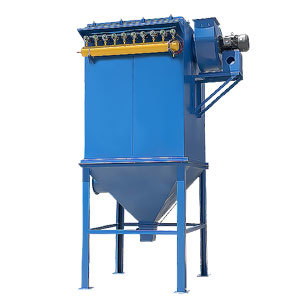
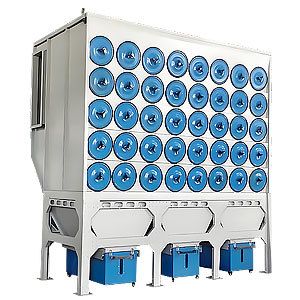
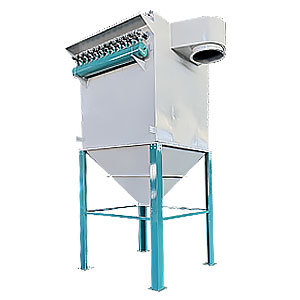
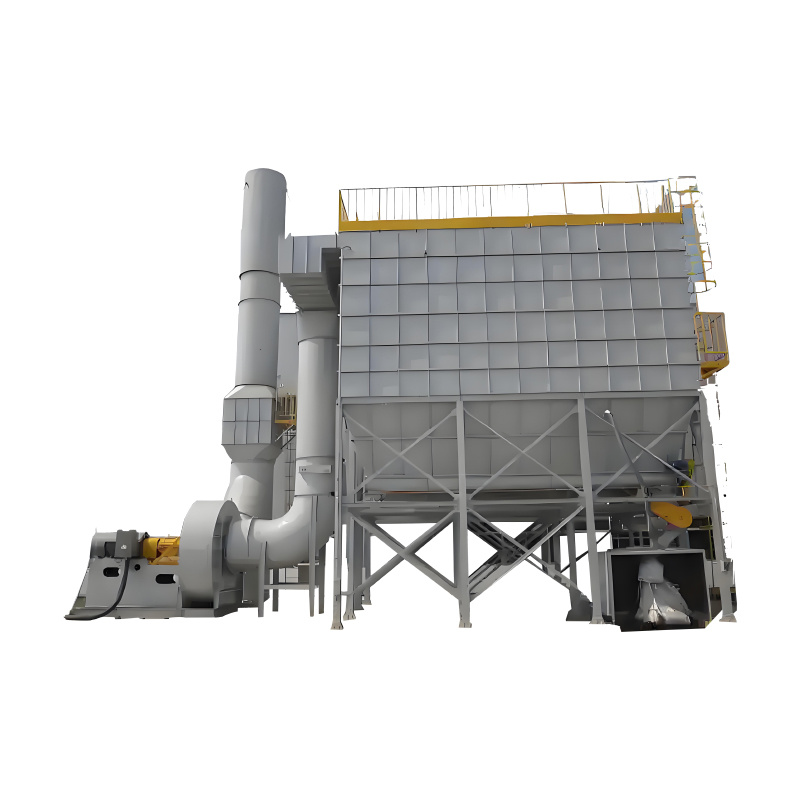
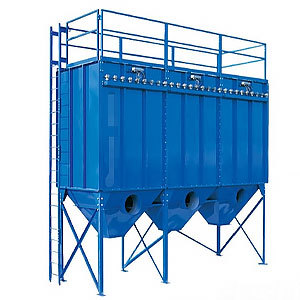
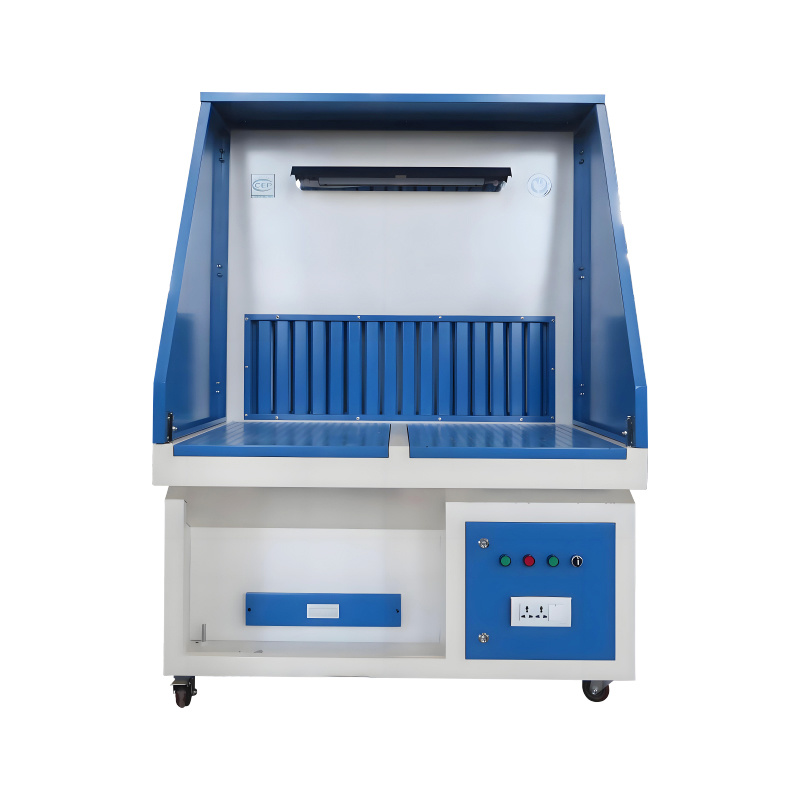
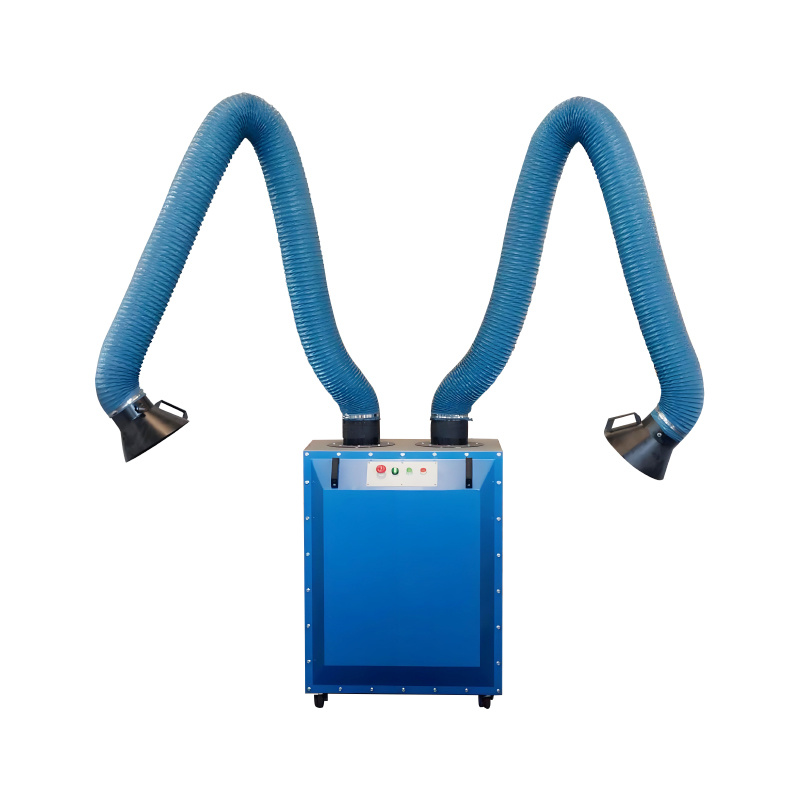
The filter cartridge dust collector is widely used in industrial fields such as mechanical processing, welding, electronics, and chemical engineering due to its advantages of small size, high filtration accuracy, and wide adaptability to various scenarios. As the core filtering element, once the filter cartridge is clogged, it will directly cause a surge in system resistance, a decrease in processing air volume, a decline in dust removal efficiency, and even lead to equipment overload, filter cartridge damage, and other problems, affecting production continuity.
1、 Common factors causing clogging of filter cartridges in dust collectors
Filter blockage is not caused by a single factor, but is often related to dust characteristics, operating parameters, operation and maintenance, and the quality of the filter itself. The following are the four core causes and specific manifestations.
(1) Inappropriate adaptation of dust characteristics
The inherent properties of dust are the primary factor causing blockage. If the filter material, structure, and dust characteristics do not match, adhesion and bonding problems are highly likely to occur.
1. Excessive dust humidity and viscosity: When dealing with damp dust with a relative humidity greater than 80%, or sticky dust such as flour, resin powder, paint mist, etc., the dust is easily adsorbed on the surface of the filter fiber, gradually condensing and solidifying during the filtration process, forming difficult to remove gel like substances that block the pores of the filter material. Especially under low temperature conditions, damp dust may condense, further exacerbating blockage.
2. Dust particle size is too small or concentration is too high: submicron fine powder can easily penetrate the surface of the filter material, embed into the fibers, and cannot be removed by conventional dust cleaning; High concentration dust will cause rapid accumulation of dust on the surface of the filter element, exceeding the processing capacity of the dust cleaning system, resulting in continuous accumulation of dust.
(2) Unreasonable setting of operating parameters
Deviation of operating parameters from the filter cartridge adaptation range can accelerate dust accumulation and blockage, commonly caused by improper control of wind speed and temperature.
1. High filtration wind speed: When the filtration wind speed exceeds the rated range of the filter element, the impact force of the airflow on the dust layer on the surface of the filter element increases, causing fine powder to penetrate into the filter material. At the same time, the dust layer is not easy to form stably, and after dust cleaning, the dust is prone to secondary adhesion. Long term operation can easily cause blockage of the filter element.
2. Excessive temperature fluctuations: High temperature dust can cause deformation and coking of filter fibers, as well as shrinkage and blockage of pores; Under low temperature conditions, if insulation measures are not taken, wet dust is prone to condense on the surface of the filter element, forming a wet ash layer that blocks the pores.
(3) Abnormal operation of the dust cleaning system
The inability of the cleaning system to effectively remove dust from the surface area of the filter element is the direct cause of filter blockage, and the core problem lies in the malfunction of the cleaning components and improper parameter settings.
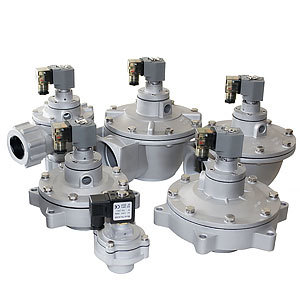
1. Dust cleaning component malfunction: Pulse valve jamming or air leakage can cause insufficient or uneven spraying force, and some areas may accumulate dust that cannot be removed; The deviation or blockage of the nozzle diameter will prevent the compressed air from accurately acting on the filter element, greatly reducing the dust cleaning effect; When the pressure of the airbag is insufficient, the intensity of the blowing airflow is not enough, making it difficult to penetrate the dust layer.
2. Unreasonable cleaning parameters: Long cleaning cycles can lead to a thick and compacted dust layer on the surface of the filter element; The cleaning time is too short, and the compressed air cannot fully act on the entire filter element; If the blowing pressure is too high, it may damage the filter material fibers, causing dust to penetrate and indirectly exacerbating blockage.
(4) Operation maintenance and filter quality issues
1. Delayed maintenance: Excessive accumulation of dust in the dust collector hopper can cause dust to blow back onto the surface of the filter element, exacerbating blockage; When oil stains and chemical impurities adhere to the surface of the filter element, if not treated in a timely manner, it will damage the permeability of the filter material and cause permanent blockage.
2. Improper selection or installation of filter elements: Choosing low-quality and poorly adapted filter elements can easily cause deformation, damage, and blockage; Insufficient sealing during the installation of the filter element and short circuit of the airflow can cause excessive accumulation of local dust; If the filter element is not replaced in a timely manner after aging, the pores of the filter material will shrink and the fibers will fall off, which can also cause blockage.
2、 Quick cleaning techniques for clogged filter cartridges
Cleaning should be carried out in combination with the degree of blockage, dust type, and filter material selection method. Non destructive and efficient methods should be prioritized to avoid damaging the filter.
(1) Mild blockage (system resistance slightly increases, air flow is basically normal)
Suitable for situations where the dust layer is thin and there is no compaction, without the need to disassemble the filter element, it can be solved by optimizing the cleaning parameters.
1. Adjust the cleaning parameters: shorten the cleaning cycle, extend the single cleaning time, appropriately increase the air bag pressure, run continuously for 30 minutes to observe the change in resistance, and adjust the parameters after the resistance returns to normal.
2. Reverse pulse dust cleaning: If the conventional dust cleaning effect is not good, the dust collector inlet valve can be closed, and the dust cleaning system can be started for reverse blowing, using compressed air to reverse impact the dust layer on the surface of the filter element and promote detachment.
(2) Moderate blockage (significant increase in resistance, decrease in air volume by 10% -30%, slight compaction of dust layer)
The filter element needs to be disassembled for targeted cleaning, suitable for dry and non sticky dust working conditions.
1. High pressure air back blowing cleaning: Remove the filter element from the equipment, place it vertically, and use a high-pressure air gun to spray it outward from the inside of the filter element. Move it evenly along the circumference to ensure that the airflow covers the entire area of the filter element and remove dust on the surface plate. Pay attention to maintaining a distance of 15-20cm between the air gun nozzle and the filter element to avoid damaging the filter material due to high pressure impact at close range.
2. Mechanical vibration cleaning: For paper and polyester fiber filter cartridges, they can be placed on a dedicated vibration frame, and low-frequency vibration can be used to remove surface dust. Combined with high-pressure air blowing, the cleaning effect can be improved. Do not strike the filter element to prevent damage to the filter material.
(3) Severe blockage (surge in resistance, decrease in airflow by over 30%, severe dust agglomeration)
For damp, sticky dust or oil stains on the surface of the filter element, a composite cleaning method should be used, and the filter element should be replaced if necessary.
1. Chemical cleaning (suitable for corrosion-resistant filter cartridges): Only applicable to chemically corrosion-resistant filter cartridges such as polyester and PTFE, paper filter cartridges are prohibited. Prepare neutral detergent, soak the filter element in 40-50 ℃ cleaning solution for 30-60 minutes, gently brush the surface plate structure, then rinse it with clean water until there is no foam, put it in a ventilated and dry place to dry, and reinstall it after inspection.
2. High temperature drying (suitable for high temperature resistant filter cartridges): For blockage caused by moisture condensation, the cleaned filter cartridge can be placed in a drying oven, controlled at a temperature of 80-120 ℃, and dried for 2-3 hours to remove moisture inside the filter material and restore breathability.
3. Filter element replacement: If the filter element is deformed, fiber shedding, damaged, or the resistance cannot be restored to normal after cleaning, it is necessary to replace it with a filter element of the same specification and suitable for the working conditions in a timely manner to avoid affecting the operation of the system.
(4) Cleaning precautions
1. During the cleaning process, it is necessary to take protective measures, wear dust masks and gloves, and avoid inhaling dust or skin contact; Flammable and explosive dust conditions require anti-static measures and the use of open flames is prohibited.
2. It is prohibited to use strong acid or strong alkali cleaning agents to avoid corroding the filter material; Do not rinse paper or non-woven filter cartridges directly with high-pressure water to prevent damage to the filter material.
3. After cleaning, the filter element needs to be checked for sealing and integrity. During installation, ensure that the sealing gasket is tightly attached to avoid airflow short circuits.
3、 Key points of blockage prevention
Compared to post cleaning, early prevention can effectively extend the service life of the filter element and reduce the probability of blockage. Firstly, select the filter element accurately according to the working conditions, such as using waterproof membrane filter element for humid working conditions and anti stick filter material for sticky dust; The second is to regularly inspect the dust cleaning system, replace the faulty pulse valve in a timely manner, and clean the spray pipe; Thirdly, control the concentration of dust at the inlet and install pre dust removal devices if necessary; The fourth is to regularly inspect the status of the filter element, replace it in a timely manner if aging or damage is found, and avoid the problem from escalating.
The core problem of clogged filter cartridges in dust collectors is "insufficient adaptability" and "inadequate maintenance". In daily operation and maintenance, it is necessary to optimize system settings based on dust characteristics and operating parameters, regularly check the status of the dust cleaning system and filter element, and handle blockages according to the principle of "mild parameter adjustment, moderate disassembly and cleaning, and severe replacement". This can not only quickly restore equipment operation, but also maximize the service life of the filter element, ensuring stable and efficient operation of the dust removal system.
Hot Tags:
Contact Us
Tel:
WeChat:
WhatsApp:
E-mail:
Address:
338 National Road South, Longfengdian Village, Botou City, Hebei Province, China
JiuznTomine is expertly delivering technically complicated projects in markets & provides custom solutions for their customized need.


CONTACT INFO
Tel: +86 18531710311
WeChat: +86-18531710311
338 National Road South, Longfengdian Village, Botou City, Hebei Province, China