












Core categories and selection principles of industrial dust removal accessories
Jan 17,2026
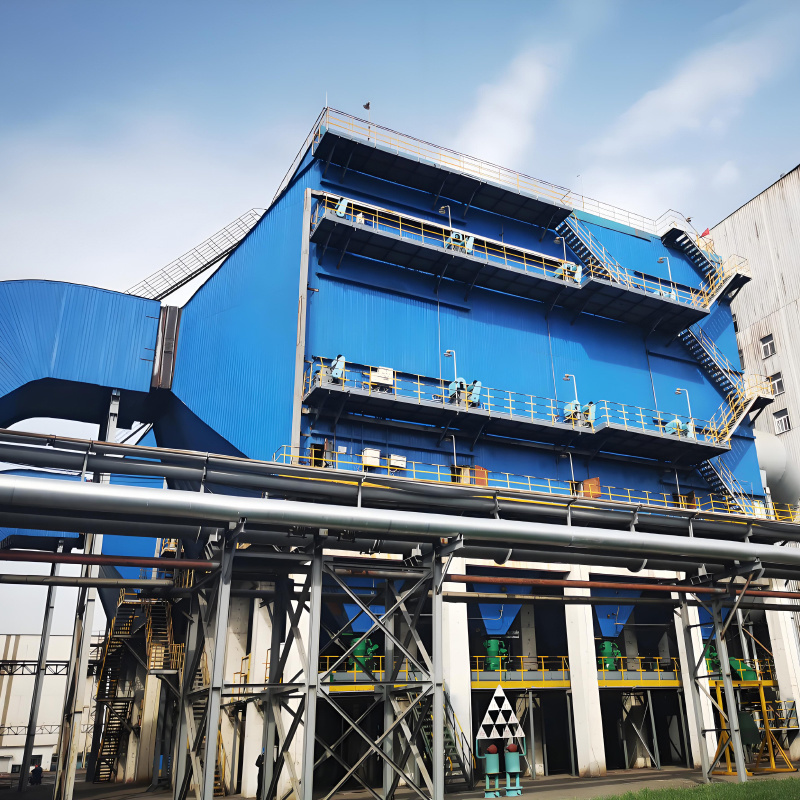
The stable and efficient operation of industrial dust removal systems not only depends on the core performance of the host equipment, but also on the adaptability and reliability of various accessories. As a key component of the dust removal system, the core accessories directly affect the overall process of dust capture, filtration, cleaning, and unloading, while also being associated with system energy consumption, service life, and operation and maintenance costs.
1、 Analysis of Core Categories and Characteristics of Industrial Dust Removal Accessories
Industrial dust removal accessories cover multiple dimensions such as filtration, dust cleaning, unloading, and connection, among which the following four categories are the core support for system operation, with the widest application scenarios and the most critical impact.
(1) Filter accessories: the "core barrier" of the dust removal system
Filter accessories are the core carrier for separating dust and gas, directly determining the dust removal efficiency and emission compliance ability. The mainstream categories include filter bags, filter cartridges, and filter cartridges.
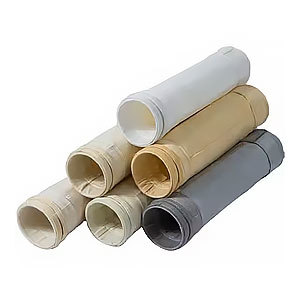
1. Filter bag: Suitable for pulse bag filters, it can be divided into materials such as polyester, polypropylene, fluorometers, PPS, PTFE, etc. Polyester filter bags have high cost-effectiveness and are suitable for working conditions at room temperature and with weak acidity; PPS filter bags have excellent temperature and acid resistance, suitable for high-temperature sulfur-containing conditions such as coal-fired boilers and waste incineration; PTFE filter bags have extremely strong chemical stability, temperature and corrosion resistance, and are suitable for harsh environments with strong corrosion and high humidity, but the cost is relatively high. The fabric structure and weight of the filter bag directly affect the filtration accuracy and breathability.
2. Filter cartridge: commonly used in filter cartridge dust collectors, commonly made of paper, non-woven fabric, polyester fiber, and structurally divided into foldable and cylindrical types. Folding filter cartridges have a large filtration area and small volume, making them suitable for working conditions with limited space; Paper filter cartridges have high filtration accuracy, but poor moisture resistance, and are only suitable for dry dust scenes; Polyester fiber filter cartridges have both temperature and moisture resistance, making them suitable for general industrial scenarios.
3. Filter element: mainly used in small dust removal equipment or high-precision filtration scenarios, the material is mainly glass fiber and PTFE, and the filtration accuracy can reach sub micron level, suitable for industries with extremely high dust control requirements such as electronics and precision machinery.
(2) Dust cleaning accessories: "power components" that ensure continuous and efficient filtration
Dust cleaning accessories are used to remove dust adhering to the surface of filter elements, avoiding clogging of filter materials that can cause system resistance to increase and processing air volume to decrease. The core categories include pulse valves, spray pipes, and air bags.
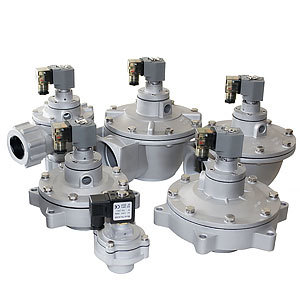
1. Pulse valve: The core cleaning component of the pulse bag filter, which is divided into right angle type and submerged type according to structure, and into electromagnetic pulse valve and pneumatic pulse valve according to control mode. Electromagnetic pulse valve has fast response speed and precise control, suitable for small and medium-sized dust removal systems; The submerged pulse valve has strong flow capacity and is suitable for large dust collectors or high concentration dust conditions. The working pressure and blowing volume should be matched with the specifications of the filter bag and the volume of the air bag to ensure sufficient cleaning force and no damage to the filter bag.
2. Spray tube: Connect the pulse valve to the filter bag, responsible for evenly spraying compressed air into the inside of the filter bag. The aperture and spacing should correspond accurately to the arrangement of the filter bag to avoid uneven spraying, which may cause incomplete cleaning or excessive wear of the local filter bag.
3. Airbag: a container for storing compressed air, which plays a role in stabilizing air pressure and buffering air flow. The material is mostly carbon steel or stainless steel, and the volume needs to be calculated based on the injection volume and the number of pulse valves to ensure that sufficient air pressure can be provided for each injection.
(3) Supporting and sealing accessories: the "basic guarantee" for stable system operation
Although these accessories do not directly participate in filtration and dust cleaning, they affect the system's sealing, filter material service life, and operational stability. The core components include filter bag frame, sealing gasket, and maintenance door accessories.
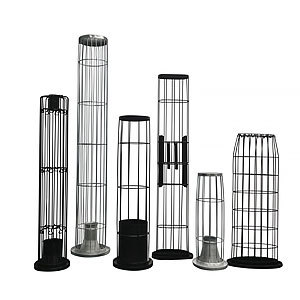
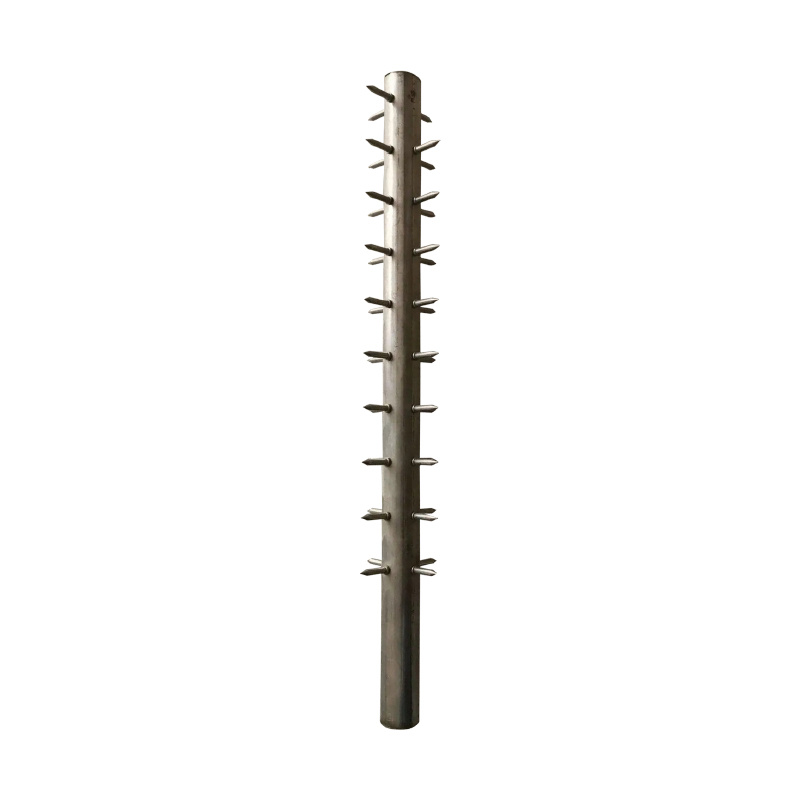
1. Filter bag skeleton: supports the filter bag to maintain its shape and prevent it from collapsing during the filtration and cleaning process. The material is divided into carbon steel galvanized and stainless steel, and the structure includes circular, elliptical, diamond shaped, etc. The density of longitudinal and transverse bars in the skeleton should be reasonable, and the surface should be smooth and free of burrs to prevent scratching the filter bag; The thickness of the galvanized layer should meet the standard to improve corrosion resistance and adapt to humid working conditions.
2. Sealing gasket: used for sealing the dust collector box, maintenance door, and pipeline connections. Materials include rubber, silicone, and polytetrafluoroethylene. Rubber gaskets are suitable for normal temperature conditions, silicone has better temperature resistance, and polytetrafluoroethylene is suitable for high-temperature corrosion scenarios. The size and hardness of the gasket need to match the sealing surface to avoid air leakage and reduce dust removal efficiency.
(4) Unloading and conveying accessories: the key link in centralized dust treatment
This type of accessory is used to discharge and transport the dust collected by the dust collector to the designated location, avoiding dust accumulation and affecting system operation. The core includes the ash discharge valve, screw conveyor, and scraper conveyor.
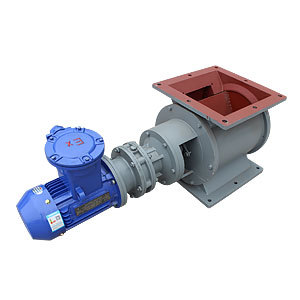
1. Ash unloading valve: It is divided into star shaped ash unloading valve and impeller ash unloading valve, which have both unloading and air locking functions to prevent external air from entering the dust collector box. The star shaped ash discharge valve has a simple structure, low failure rate, and is suitable for granular and dry dust; The impeller ash discharge valve has better sealing performance and is suitable for fine powder and weakly viscous dust. Its speed needs to be matched with the dust emission to avoid overload.
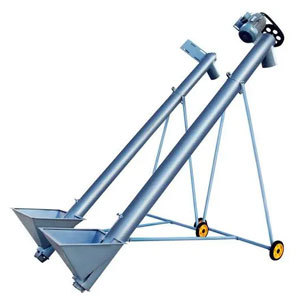
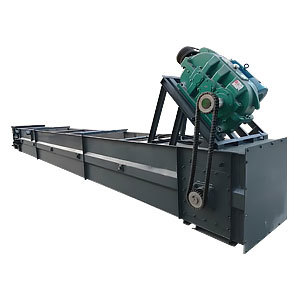
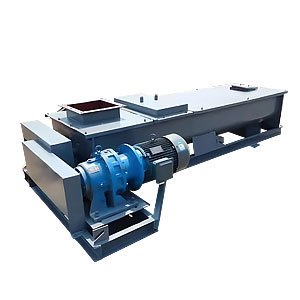
2. Spiral conveyor: used for horizontal or inclined conveying of dust, made of carbon steel or stainless steel, with conveying capacity related to pitch, speed, and pipe diameter, suitable for dry and non sticky dust; Scraper conveyor is suitable for large conveying capacity and long-distance dust transportation, and can adapt to dust with slightly higher humidity, but the maintenance cost is relatively high.
2、 Core principles for selecting and adapting industrial dust removal accessories
The selection of accessories is not a single dimensional consideration, but needs to be balanced from multiple aspects such as operating conditions, system parameters, and maintenance requirements. The core principle is to follow the following four principles to ensure accurate matching of accessories with the system and operating conditions.
(1) Priority principle for adapting to working conditions: conforming to dust and environmental characteristics
Working conditions are the core basis for component selection, and special attention should be paid to dust characteristics and operating environment parameters to avoid premature failure of components due to improper adaptation.
In terms of dust characteristics, it is necessary to clarify the particle size distribution, concentration, humidity, viscosity, corrosiveness, and temperature of the dust: fine powder should choose filter materials with higher filtration accuracy; Paper filter bags should be avoided for high humidity dust, and corrosion-resistant skeletons and ash discharge valves should be selected; Viscous dust requires a pulse valve with strong dust cleaning ability, and the nozzle diameter can be appropriately increased to prevent dust adhesion and blockage; Corrosive dust requires the use of corrosion-resistant materials.
In terms of operating environment, high-temperature resistant materials and accessories should be uniformly selected for high-temperature working conditions, while considering the thermal expansion coefficient of the accessories to avoid seal failure; Low temperature working conditions require prevention of dust condensation, which can be paired with insulation type airbags and low-temperature resistant sealing gaskets.
(2) System collaboration principle: Match with the host and overall parameters
The selection of accessories should be coordinated with core parameters such as the type of dust collector host, processing air volume, and working pressure to ensure the overall efficient operation of the system and avoid "big horse pulling small car" or local performance bottlenecks.
For example, the pulse bag filter needs to select the pulse valve model and quantity based on the number and arrangement of filter bags, and the nozzle diameter should correspond to the filter bag diameter; The specifications of the filter cartridge of the filter cartridge dust collector should match the size of the equipment chamber to ensure sufficient filtering area; The rated discharge capacity of the ash discharge valve should be greater than the actual discharge capacity of the dust collector, and should be connected with the processing capacity of the subsequent conveying equipment to avoid dust accumulation.
In addition, the pressure rating of the accessories should match the working pressure of the system. For example, the working pressure of the pulse valve should be consistent with the pressure of the airbag, and the pressure resistance performance of the sealing gasket should meet the internal pressure requirements of the box to prevent leakage or damage under high pressure.
(3) Principle of balancing performance and cost: balancing long-term effectiveness and economy
When selecting, it is necessary to avoid blindly pursuing high-end or simply controlling costs, and to balance the service life, operation and maintenance costs, and initial investment comprehensively.
For harsh working conditions (high temperature, strong corrosion, high concentration dust), high-performance accessories should be selected. Although the initial investment is high, it can extend the service life, reduce replacement frequency, and minimize downtime losses; For general working conditions, higher cost-effective accessories can be selected to control initial costs.
At the same time, it is necessary to consider the universality and ease of replacement of accessories, and prioritize the selection of standardized specification accessories to reduce the reserve cost and replacement difficulty of accessories during subsequent operation and maintenance.
(4) Compliance and safety principles: comply with industry standards and on-site requirements
The selection of accessories should meet local environmental emission standards and safety production requirements, especially for foreign trade scenarios, and should be adapted to the industry norms of the target market.
In terms of environmental protection, the filtration accuracy of the filter material needs to ensure that the dust emission concentration meets the standard. For example, markets such as the European Union and North America have strict requirements for industrial dust emissions and require the use of high-precision filter bags or cartridges; In terms of safety, for flammable and explosive dust conditions, anti-static filter bags and explosion-proof pulse valves should be selected. The ash discharge valve should be equipped with explosion-proof devices to avoid dust accumulation and safety accidents; At the same time, industries such as food and medicine need to use accessories that meet hygiene standards to avoid secondary dust pollution.
The selection of industrial dust removal accessories is a systematic task, with the core of "precise adaptation" - it is necessary to select suitable categories and materials based on the characteristics of the working conditions, while also considering system synergy, economy, and compliance. High quality core components can not only improve the operational efficiency and stability of the dust removal system, but also reduce the entire lifecycle operation and maintenance costs. In practical applications, it is necessary to comprehensively evaluate the on-site working conditions, host parameters, and industry standards. If necessary, customized adaptation can be carried out in conjunction with accessory suppliers and technical teams to ensure the best performance of the dust removal system.
Hot Tags:


Contact Us
Tel:
WeChat:
WhatsApp:
E-mail:
Address:
338 National Road South, Longfengdian Village, Botou City, Hebei Province, China
JiuznTomine is expertly delivering technically complicated projects in markets & provides custom solutions for their customized need.


CONTACT INFO
Tel: +86 18531710311
WeChat: +86-18531710311
338 National Road South, Longfengdian Village, Botou City, Hebei Province, China