












Common causes of condensation in bag filters and anti condensation solutions
Jan 16,2026

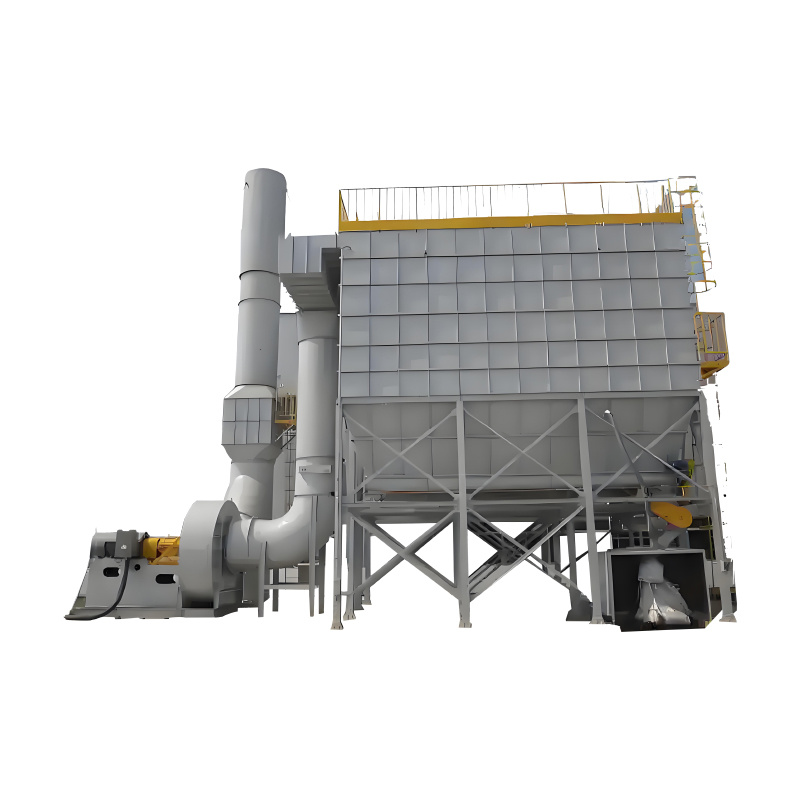
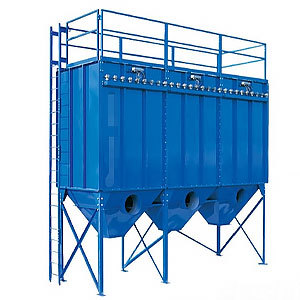
As the core equipment for industrial dust control, bag filters are widely used in industries such as metallurgy, chemical engineering, building materials, and mechanical processing. Their filtration efficiency and stable operation are directly related to environmental standards and production continuity. Condensation is a common problem in the operation of bag filters. Once it occurs, it can cause filter bag blockage, corrosion, damage, reduce dust removal efficiency, and even cause equipment shutdown, seriously affecting production safety.
1、 The core hazards of condensation in bag filters
Condensation refers to the phenomenon in which water vapor in flue gas transforms from a gaseous state to a liquid state and adheres to the inner walls of filter bags, shells, and pipelines when the temperature drops below the dew point. Its harm is chain like:
One reason is that after the filter bag is soaked in water mist, dust easily adheres to the surface of the bag, forming a plate structure, resulting in a sudden increase in filtration resistance, a decrease in ventilation volume, and a significant reduction in dust removal efficiency;
Secondly, liquid water vapor can accelerate the corrosion of shells, pipelines, and metal components, shorten the service life of equipment, and increase maintenance costs;
Thirdly, the laminated filter bags are prone to damage and detachment, and the direct leakage of dust poses a risk of exceeding environmental standards;
The fourth issue is the accumulation of damp dust in the ash hopper, which can easily cause blockage and further lead to equipment shutdown.
2、 Common causes of condensation in bag filters
The essence of condensation in bag filters is that the flue gas temperature is lower than the dew point temperature. Its causes can be divided into four categories: the characteristics of the flue gas itself, equipment design defects, improper operating conditions, and environmental factors. The specific reasons are as follows:
(1) Characteristics of smoke itself
1. Excessive moisture content in flue gas: Some industries produce flue gas with high moisture content and high water vapor saturation. Once the temperature fluctuates slightly, it is easy to reach the dew point and cause condensation.
2. Low flue gas temperature: The flue gas emission temperature is close to or lower than the dew point temperature, which is a direct cause of condensation. For example, smoke produced in low-temperature environments and smoke with excessive temperature loss after long-distance pipeline transportation are both prone to meet condensation conditions.
3. Complex composition of flue gas: If the flue gas contains acidic and alkaline substances, water vapor will combine with these substances to form corrosive liquids, which will not only exacerbate the risk of condensation, but also accelerate the damage of filter bags and equipment components.
(2) Equipment design and structural defects
1. Insufficient insulation measures: The dust collector housing and inlet and outlet pipelines have not been insulated, or the insulation layer thickness is insufficient or damaged, resulting in a temperature difference between the external cold air and the internal hot flue gas. The temperature on the inner wall of the housing rapidly drops, causing condensation.
2. Uneven airflow distribution: The internal airflow design of the equipment is unreasonable, resulting in vortices and dead corners in some areas. The flow velocity of the flue gas slows down in these areas, causing rapid heat loss and local temperatures below the dew point, leading to condensation.
3. Poor sealing performance: The flange connection of the dust collector housing, maintenance door, ash hopper discharge port and other parts are not tightly sealed, and external cold air infiltrates into the equipment, mixing with hot flue gas to reduce the overall temperature and trigger condensation; Meanwhile, seal damage may also lead to rainwater and steam infiltration, further increasing the water vapor content.
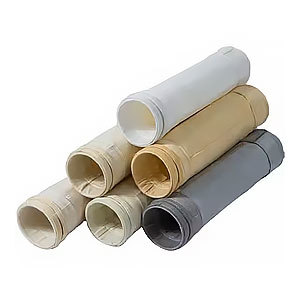
4. Improper selection of filter bags: The selected filter bag material is not suitable for the flue gas working conditions. For example, using filter bags that are not moisture resistant in low temperature and high humidity environments can easily cause condensation of water vapor on the bag surface and accelerate dust adhesion.
(3) Improper operating conditions and operational management
1. Irregular start stop operation: When the equipment is started, the shell and pipeline are not preheated, and low-temperature cold air directly enters the equipment, forming temperature difference condensation when it comes into contact with the subsequently introduced hot flue gas; After shutdown, the internal temperature of the equipment drops sharply, and the water vapor in the residual flue gas is prone to condense on the filter bag and the inner wall of the shell.
2. Excessive filtration wind speed: If the filtration wind speed exceeds the rated range of the equipment, it will cause the dust layer on the surface of the filter bag to become thinner, which cannot effectively block the penetration of water vapor. At the same time, the rapid airflow will intensify heat loss, indirectly increasing the risk of condensation.
3. Delayed or excessive cleaning of dust: The cleaning interval is too long, and the dust on the surface of the filter bag is compacted, which hinders the flow of air and causes condensation due to a decrease in temperature in some areas; Excessive dust cleaning can damage the initial layer of dust, and the filter bag has too much breathability, causing water vapor to directly adhere to the bag body.
(4) External environmental factors have an impact
1. Low ambient temperature: In winter or cold regions, the outdoor temperature is extremely low. If the dust collector is installed in an outdoor environment, the heat exchange between the shell and the outside cold air is intense, and the inner wall temperature is prone to drop below the dew point.
2. Excessive environmental humidity: High humidity environments increase the risk of external water vapor infiltration of equipment, while reducing the heat dissipation efficiency of the equipment and indirectly promoting internal condensation.
3、 Anti condensation solution for bag filter
Anti condensation should follow the core principles of "temperature control, dehumidification, sealing, and optimized working conditions", take targeted measures for different causes, avoid condensation risks from the source, and do a good job in emergency response.
(1) Optimize flue gas conditions and control dew point temperature
1. Increase flue gas temperature: Install a preheating device in the inlet pipeline of the dust collector to raise the flue gas temperature to 15-20 ℃ above the dew point temperature, fundamentally avoiding water vapor condensation; For long-distance transportation pipelines, heat tracing devices can be installed to reduce temperature losses.
2. Reduce the moisture content of flue gas: For high humidity flue gas, a dehydration device can be added at the front end of the dust collector to remove some water vapor in advance; If the process allows, drying treatment can be used to reduce the humidity of the flue gas and minimize the risk of condensation.
3. Optimize the composition of flue gas: Neutralize flue gas containing corrosive components in advance to reduce the damage of corrosive liquids to equipment, while reducing the risk of condensation caused by the combination of water vapor and corrosive substances.
(2) Improve equipment design, strengthen sealing and insulation
1. Improve insulation measures: comprehensively insulate the dust collector shell, inlet and outlet pipelines, ash hopper and other parts, select materials with high temperature resistance and good insulation performance, design the insulation layer thickness reasonably according to the ambient temperature and flue gas temperature, and also do a good job in protecting the outer layer of the insulation layer to prevent damage and detachment; Equipment installed outdoors can be equipped with rain and wind shields to reduce external environmental impact.
2. Improve sealing performance: Check and replace aging and damaged seals, reinforce sealing at flange connections, maintenance doors, discharge ports, and other parts, and use a dual sealing structure if necessary; Regularly inspect equipment leakage points to ensure that the leakage rate is controlled within a reasonable range and to avoid the infiltration of cold air.
3. Optimize internal airflow design: Adjust the structure of the internal guide plate of the dust collector to eliminate dead corners and eddies of the airflow, ensure uniform distribution of flue gas, and avoid local low temperatures; Reasonably design the arrangement of filter bags to ensure stable airflow velocity and reduce heat loss.
4. Reasonable selection of filter bags: Select suitable filter bag materials based on the temperature, humidity, and composition of the flue gas. For low temperature and high humidity environments, waterproof and oil proof filter bags can be used to avoid water vapor adhesion on the bag surface; At the same time, ensure the installation of filter bags is standardized to reduce air and gas leakage.
(3) Standardize operational management and optimize operating conditions
1. Standardize the start stop process: Before starting the equipment, preheat the shell and pipeline through a preheating device, and then introduce the flue gas after the internal temperature reaches the set value; After shutdown, keep the induced draft fan running for a period of time to discharge residual smoke and water vapor inside, while closing the inlet and outlet valves of the equipment to reduce the entry of cold air.
2. Reasonably control the filtration wind speed: strictly adjust the filtration wind speed according to the rated parameters of the equipment, avoid excessive or insufficient wind speed, ensure the formation of a stable initial layer of dust on the surface of the filter bag, which can block water vapor and ensure filtration efficiency.
3. Optimize the dust cleaning system: Adjust the dust cleaning interval and intensity according to the dust concentration and filtration resistance, to avoid untimely or excessive dust cleaning; The cleaning medium needs to be dried to remove water vapor and oil stains, to prevent water vapor from entering the filter bag during cleaning.
4. Strengthen daily inspections: Regularly monitor the temperature, humidity, and internal temperature of flue gas and equipment, establish operating records, and promptly detect abnormal temperature fluctuations; Regularly clean the accumulated dust in the ash hopper to avoid blockage and condensation caused by the accumulation of damp dust.
(4) Emergency response measures
If slight condensation is found, the flue gas temperature should be immediately raised, the insulation strength should be increased, and the frequency of dust cleaning should be increased to remove the dust adhered to the surface of the filter bag; If severe condensation causes the filter bag to harden and the ash hopper to become blocked, the machine should be stopped for cleaning, the damaged filter bag should be replaced, the sealing and insulation defects should be checked and repaired, and the equipment should be restarted after it returns to normal; For corrosive condensation liquids, it is necessary to clean them in a timely manner and carry out anti-corrosion treatment on damaged parts to avoid the expansion of faults.
4、 Precautions for preventing condensation
1. Anti condensation measures should be designed comprehensively based on equipment operating conditions, smoke characteristics, and environmental conditions to avoid single measures failing to achieve the expected results; For example, in high humidity and low temperature environments, triple measures of heating, dehumidification, and insulation need to be taken simultaneously.
2. Regularly inspect the performance of key components such as insulation layers, seals, and heating devices, replace aging and damaged parts in a timely manner, and ensure the continuous and effective operation of the anti condensation system.
3. Operators need to be familiar with the operating principles and anti condensation points of the equipment, strictly follow the operating procedures, and avoid condensation faults caused by improper operation; Simultaneously master basic troubleshooting skills and quickly respond to condensation issues.
4. For special working conditions with high temperature, high humidity, and strong corrosiveness, equipment components and filter bags with excellent corrosion resistance, high temperature resistance, and waterproof performance should be selected to enhance the anti condensation ability of the equipment from the material.
Summary: The core of preventing and controlling condensation in bag filters is to maintain the flue gas temperature above the dew point, reduce water vapor content, and block the infiltration of cold air. By scientifically optimizing the flue gas working conditions, improving equipment structure, and standardizing operation management, the risk of condensation can be effectively avoided, ensuring stable operation of equipment and dust removal efficiency. At the same time, establishing a regular inspection and maintenance mechanism to promptly identify and address potential issues can significantly extend the service life of equipment and reduce production and environmental risks.
Hot Tags:


Contact Us
Tel:
WeChat:
WhatsApp:
E-mail:
Address:
338 National Road South, Longfengdian Village, Botou City, Hebei Province, China
JiuznTomine is expertly delivering technically complicated projects in markets & provides custom solutions for their customized need.


CONTACT INFO
Tel: +86 18531710311
WeChat: +86-18531710311
338 National Road South, Longfengdian Village, Botou City, Hebei Province, China