











Customized Guide for Equipment Configuration Scheme of Bag Dust Collector Procurement
Jan 15,2026

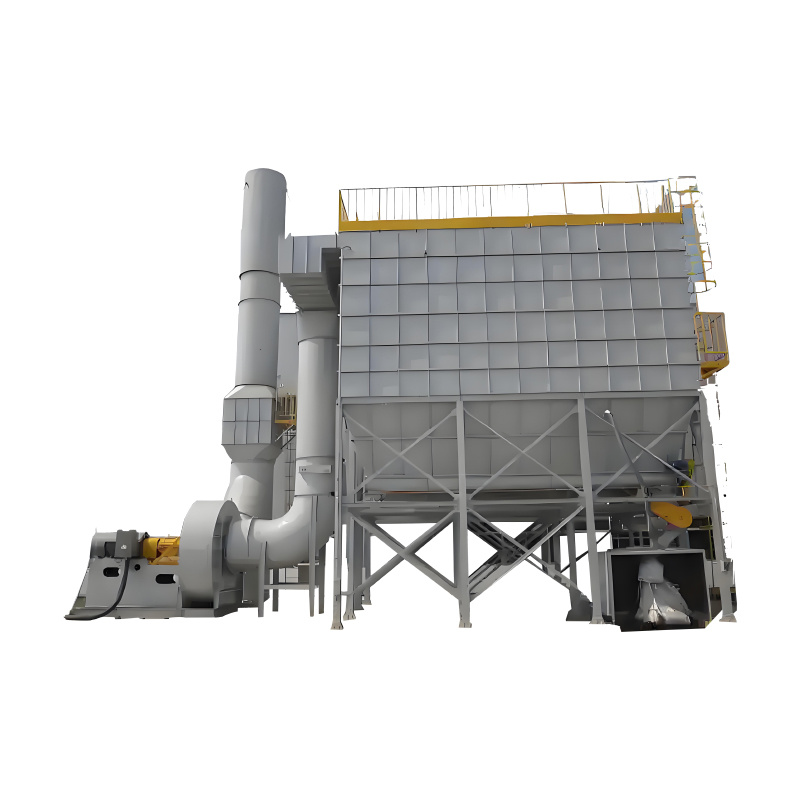
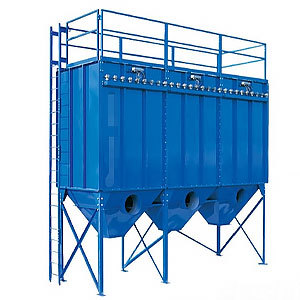
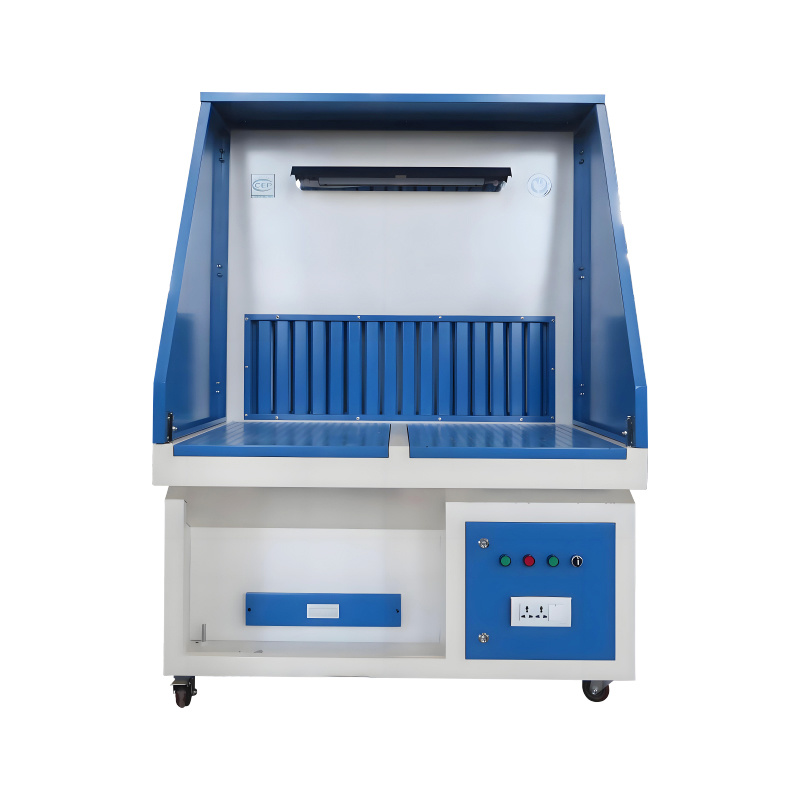
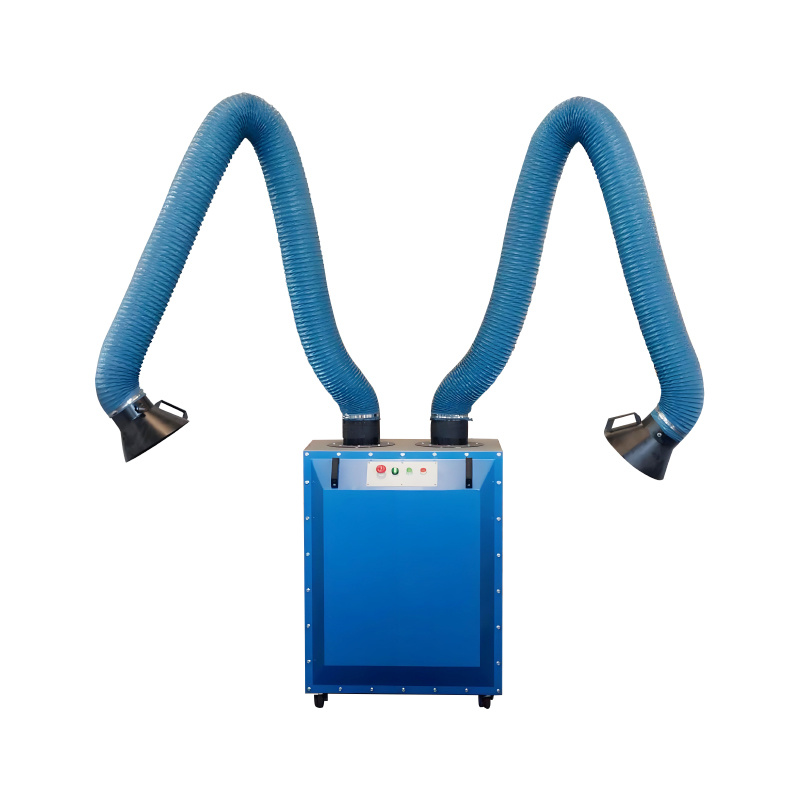
In the field of industrial dust control, bag filters have become the core environmental protection equipment choice for many enterprises due to their high filtration accuracy and wide adaptability to various types of dust. However, there are significant differences in dust characteristics and treatment requirements across different industries and operating conditions, and standardized equipment configuration often makes it difficult to achieve optimal dust removal efficiency and operational economy. Therefore, the customization of equipment configuration schemes in the procurement process of bag filters has become a key link in ensuring equipment adaptability and improving governance efficiency. This article will start from the core logic of customization, systematically sort out the key points and implementation ideas of configuration scheme customization, and provide professional reference for the purchaser.
1、 The necessity of customizing the configuration scheme of bag filter
In industrial production scenarios, the particle size distribution, humidity, temperature, corrosiveness of dust, as well as the operating parameters such as exhaust gas treatment air volume and emission requirements, vary greatly. If a standardized bag filter is directly used, there may be many problems: for example, using conventional filter media when dealing with high-temperature dust can cause the filter bag to age and break quickly; Improper cleaning methods for high humidity viscous dust can cause filter bag sticking and dust removal failure, thereby reducing dust removal efficiency; Handling air volume that does not match the rated air volume of the equipment may result in overload operation or energy waste.
The customized configuration scheme can accurately match the working condition requirements, and through targeted design of core components, system structure, control methods, etc., achieve multiple goals of meeting dust removal efficiency standards, stable equipment operation, and optimized operation and maintenance costs. Especially for foreign trade procurement scenarios, there are differences in environmental emission standards, voltage frequency, and climate conditions among different countries and regions. Customized configurations can better ensure that equipment meets local usage requirements.
2、 Core considerations for customizing configuration plans
(1) Accurate research on working condition parameters
The operating parameters are the basis for customizing the configuration plan, and require comprehensive and accurate research on the following core data:
1. Dust characteristics: including dust particle size distribution (such as PM2.5 proportion), true density and bulk density, humidity, viscosity, corrosiveness, flammability and explosiveness, etc. For example, flammable and explosive dust requires explosion-proof structures and explosion suppression devices; Viscous dust requires optimization of filter bag material and cleaning frequency.
2. Exhaust gas parameters: exhaust gas treatment air volume (unit: m ³/h), gas temperature (normal temperature/medium temperature/high temperature, such as ≤ 120 ℃ for normal temperature, 120-250 ℃ for medium temperature, and>250 ℃ for high temperature), gas humidity, dust concentration, and gas composition. The processing air volume directly determines the size of the dust collector body; The temperature and composition of the gas determine the material selection of components such as filter media and skeleton.
3. Emission requirements: The dust emission standards in the region where the purchaser is located (such as export dust concentration ≤ 10mg/m ³ or ≤ 5mg/m ³) directly affect core configuration parameters such as filtration wind speed and filter material accuracy.
4. On site conditions: including the spatial dimensions of the installation site, terrain limitations, power supply parameters (voltage, frequency), climatic conditions (such as considering insulation measures in low-temperature environments), and surrounding environment (such as controlling equipment noise near residential areas).
(2) Customized configuration of core components
The performance of the core components directly determines the overall operating effect of the bag filter, and the selection should be targeted according to the operating parameters:
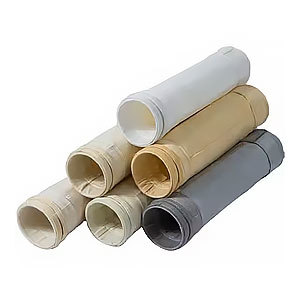
1. Filter bag: As the core filtering element, the selection of filter bag material and specifications is the key to customization. Under normal temperature conditions (≤ 120 ℃), polyester needle punched felt, polypropylene needle punched felt, etc. can be used; Under medium temperature conditions (120-250 ℃), aramid needle punched felt, PPS needle punched felt, etc. can be selected; High temperature conditions (>250 ℃) require the use of PTFE needle punched felt, fiberglass needle punched felt, etc. Meanwhile, for corrosive dust or gas, filter media with anti-corrosion coating should be selected; The filtration accuracy needs to match the emission requirements. If the dust concentration at the outlet is ≤ 5mg/m ³, high-precision membrane filter material should be selected. In addition, the size of the filter bag needs to be optimized based on the structure of the dust collector body and the processing air volume.
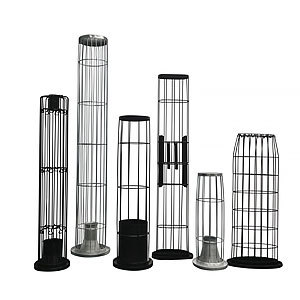
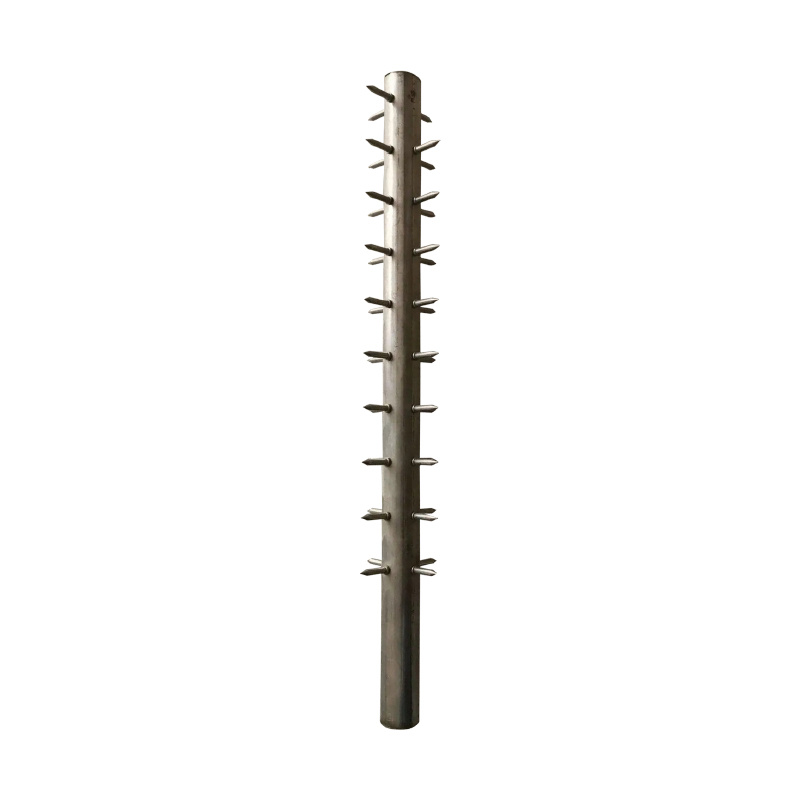
2. Dust removal skeleton: The material, surface treatment, and structural design of the skeleton need to be compatible with the filter bag and working conditions. High temperature and corrosive working conditions require the use of stainless steel skeleton; The surface needs to be treated with galvanizing, spraying, etc. to avoid burrs and welding slag scratching the filter bag. The number of longitudinal bars in the skeleton and the spacing between support rings need to be optimized according to the length and diameter of the filter bag to ensure support stability and reduce friction and wear with the filter bag.
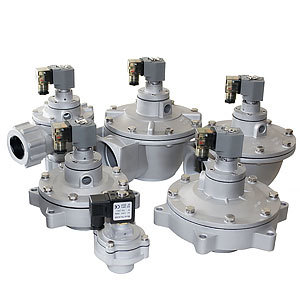
3. Dust cleaning system: The selection of dust cleaning methods should take into account factors such as dust viscosity and filter bag material. Common dust cleaning methods include pulse jet cleaning, back blowing cleaning, mechanical vibration cleaning, etc. Among them, pulse jet cleaning has become the mainstream choice due to its high cleaning efficiency and wide adaptability. Its configuration requires customization and optimization of parameters such as blowing pressure, blowing frequency, and blowing pipe layout.
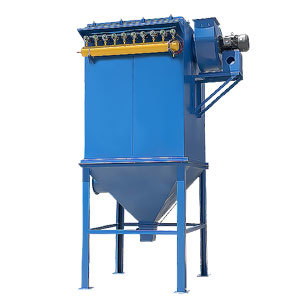
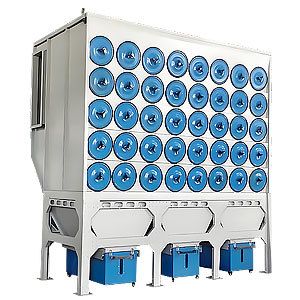
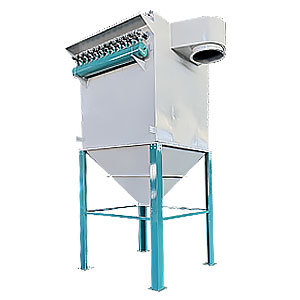
4. Box structure: The material of the box should be selected according to the corrosiveness of the gas. Carbon steel is used for ordinary working conditions, while stainless steel or carbon steel lined with rubber/plastic is used for corrosive working conditions. The box structure needs to be customized according to the installation space, and can be designed as a vertical, horizontal, or modular structure; At the same time, insulation layers need to be added for high-temperature conditions, and heat tracing devices need to be installed for low-temperature conditions to prevent gas condensation and bag sticking.
(3) Assistive system adaptation design
The customized configuration of auxiliary systems can improve the stability and convenience of equipment operation and maintenance:
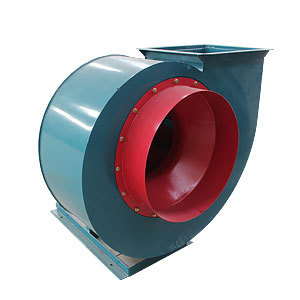
1. Air intake and exhaust system: The air intake method can be selected as lower intake or upper intake according to the dust concentration. For high concentration dust, it is recommended to use lower intake to reduce the direct impact of dust on the filter bag; The exhaust system needs to be configured with reasonable duct sizes and fans, and the air volume and pressure of the fans need to match the processing requirements, while considering noise control measures.
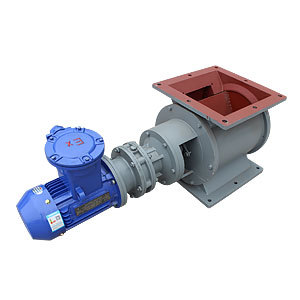
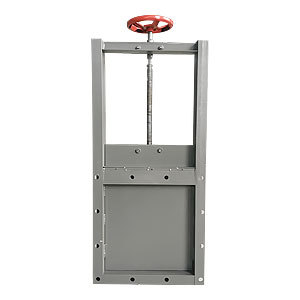
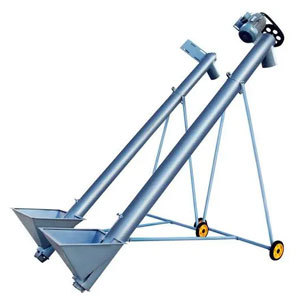
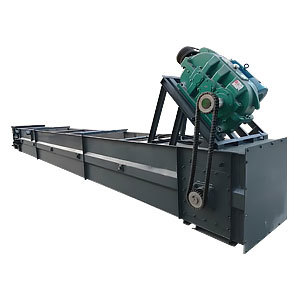
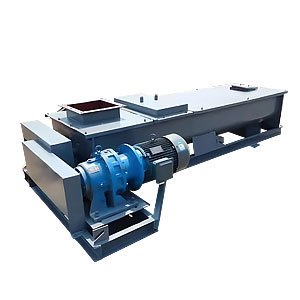
2. Ash unloading system: The selection of ash unloading devices should be based on the density and fluidity of dust accumulation. Common equipment includes star shaped unloaders, screw conveyors, scraper conveyors, etc. For dust with high viscosity and easy agglomeration, an ash discharge device with anti clogging function should be selected; For large-scale processing conditions, a multi-stage ash discharge system can be designed to ensure timely discharge of dust from the ash hopper.
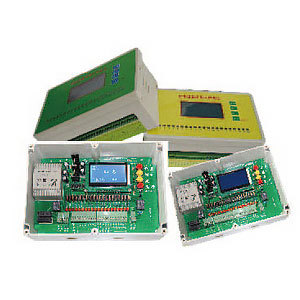
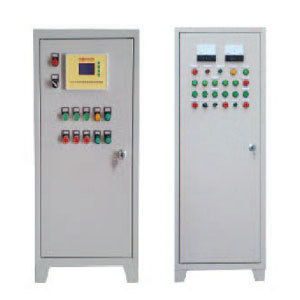
3. Control system: Customize the control system according to automation requirements, with basic configuration including PLC control system, touch screen operation interface, which can realize functions such as equipment start stop, ash cleaning parameter adjustment, fault alarm, etc; High end configurations can increase functions such as online monitoring of dust concentration, air volume adjustment, and remote monitoring, enhancing the level of intelligent operation and maintenance. In addition, the voltage and frequency of the control system need to be adapted to the power supply standards in the region where the purchaser is located.
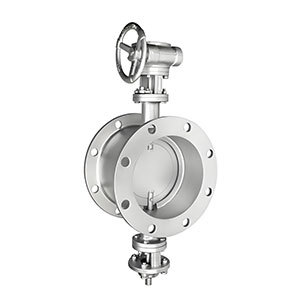
4. Safety protection system: For flammable and explosive working conditions, explosion-proof valves, explosion-proof discs, spark detection and extinguishing devices, etc. need to be configured; For equipment installed at high altitudes, safety facilities such as guardrails and maintenance platforms need to be added.
3、 Implementation process of customized configuration plan
1. Requirement research and parameter confirmation: The purchaser and equipment supplier communicate fully to clarify core requirements such as operating parameters, emission requirements, and on-site conditions. The supplier assists in completing on-site testing and confirmation of parameters to form a detailed list of requirements.
2. Preliminary design of the plan: The supplier selects core components, designs the main structure, matches auxiliary systems based on the demand list, and forms a preliminary configuration plan, including equipment selection parameters, structural drawings, technical specifications, etc.
3. Scheme demonstration and optimization: Both parties conduct technical demonstration on the preliminary scheme, focusing on verifying the rationality of configuration parameters, equipment adaptability, cost economy, etc. The supplier optimizes the scheme based on the demonstration opinions, such as adjusting filter material materials, optimizing box structure, etc.
4. Scheme confirmation and implementation: After the optimized scheme is confirmed by the purchaser, the supplier issues detailed technical documents (including final configuration list, construction drawings, operation and maintenance manuals, etc.), organizes production and manufacturing according to the scheme, and provides installation and commissioning guidance services to ensure stable operation of the equipment according to the customized scheme.
4、 Precautions for customized configuration
1. Avoid excessive configuration: While meeting emission requirements and ensuring stable operation, reasonably control configuration costs and avoid blindly selecting high-end components. For example, under normal operating conditions at room temperature, there is no need to use high-temperature filter media, and conventional emission requirements do not require the use of ultra high precision filter media.
2. Emphasize compatibility and universality: The selection of core components should consider the convenience of subsequent operation and maintenance, and try to choose accessories with strong universality and easy procurement to reduce maintenance costs in the later stage.
3. Compliance verification: Ensure that customized solutions comply with environmental standards, safety regulations, power supply standards, and other relevant requirements in the region where the purchaser is located, to avoid compliance issues affecting equipment acceptance and use.
4. Long term operation and maintenance considerations: Customized solutions should take into account the convenience of operation and maintenance, such as designing reasonable maintenance channels, optimizing filter bag replacement methods, configuring complete fault alarm functions, etc., to reduce the difficulty and workload of later operation and maintenance.
In summary, the customization of the equipment configuration plan for bag filter procurement lies in "precise matching of working conditions" and "optimization of the entire process system". The purchaser needs to closely cooperate with professional equipment suppliers, fully sort out their own needs, clarify core parameters, and form a customized solution with strong adaptability, excellent economy, and stable operation through scientific selection, design, and demonstration. This not only ensures that the dust removal effect meets the standard, but also improves the service life and operational efficiency of the equipment, providing reliable guarantees for the environmental protection management work of enterprises.
Hot Tags:
PREVIOUS:


Contact Us
Tel:
WeChat:
WhatsApp:
E-mail:
Address:
338 National Road South, Longfengdian Village, Botou City, Hebei Province, China
JiuznTomine is expertly delivering technically complicated projects in markets & provides custom solutions for their customized need.


CONTACT INFO
Tel: +86 18531710311
WeChat: +86-18531710311
338 National Road South, Longfengdian Village, Botou City, Hebei Province, China