


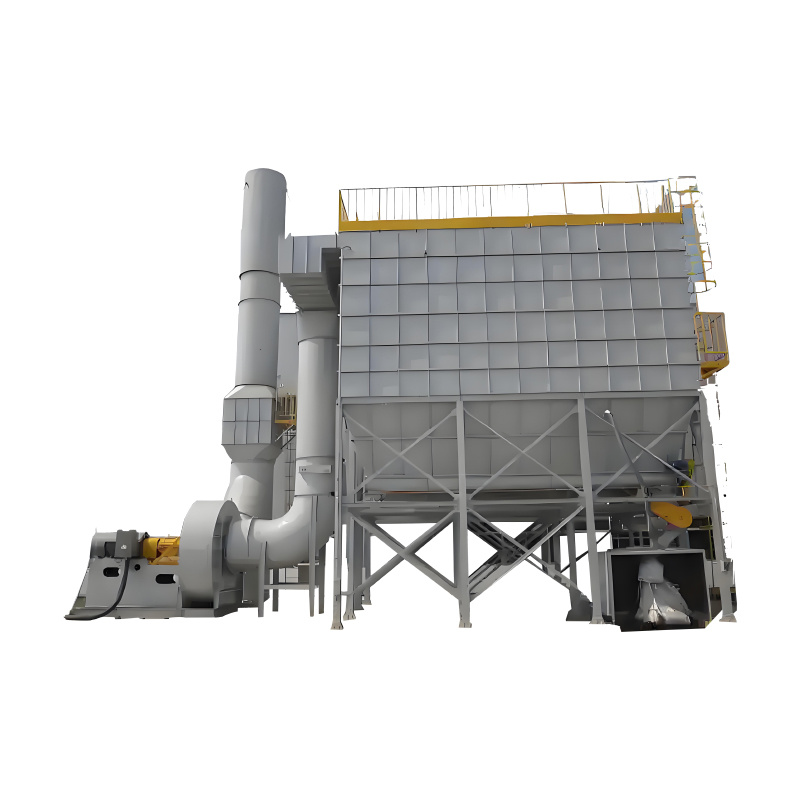
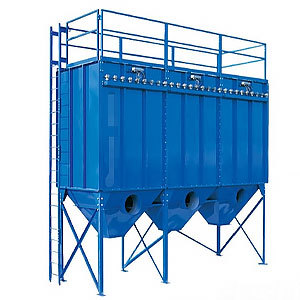










Daily inspection of bag filter: Don't miss these 6 core points
Dec 10,2025

The stable operation of bag filter is directly related to the air quality and environmental compliance of the production workshop, especially under strict emission regulations overseas, daily inspection is more important than fault repair. Most sudden shutdowns are caused by "minor abnormalities not being handled in a timely manner". The following six core checkpoints cover key aspects of equipment operation, with simple operation and the ability to avoid 80% of common problems in advance.
1、 Primary indicator: Differential pressure gauge reading (must be checked daily)
The pressure difference is a "barometer" that reflects the filtration status of the filter bag, with a normal range of 1200-1500Pa (specific to the equipment manual). It needs to be recorded and compared with fluctuations every day.
1. Abnormal judgment: If the pressure difference suddenly increases, it is mostly due to filter bag blockage or dust cleaning failure; If the pressure difference drops sharply, be alert to filter bag damage or equipment air leakage.
2. Inspection technique: Record readings under the same operating conditions. If the production load is the same and the pressure difference increases by 30% compared to the previous day, even if it does not exceed the upper limit, it is important to focus on troubleshooting; If the pressure difference fluctuates frequently, it may be due to an unreasonable setting of the cleaning cycle.
2、 Core component: Filter bag status (at least once a week)
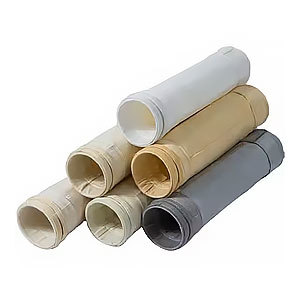
The filter bag is the core of dust removal, and its state directly determines the emission effect. Inspection should be based on the dual judgment of "appearance+operating phenomenon", without frequent disassembly. Focus on three points:
1. Observation of discharge outlet: If there is obvious dust at the discharge outlet or if the dust concentration in the workshop suddenly increases, it is likely that the filter bag is damaged and the machine needs to be stopped to check the location of the damage.
2. Inspection door spot check: Open the side inspection door and shine a flashlight on the surface of the filter bag. If obvious damage, seam cracking, or thick "hard shell" adhesion is found on the surface of the filter bag, it should be replaced or cleaned in a timely manner.
3. Working condition correlation: Focus on checking whether the filter bag is aging and discolored under high temperature working conditions, and check whether there is condensation and sticky dust under high humidity working conditions to avoid accelerating filter bag loss due to working condition characteristics.
3、 Power guarantee: Dust cleaning system (checked every 3 days)
The failure of the dust cleaning system is the main cause of filter bag blockage. The core of the inspection is the synergistic effect of the "pulse valve+spray pipe", focusing on listening to the sound and observing the action:
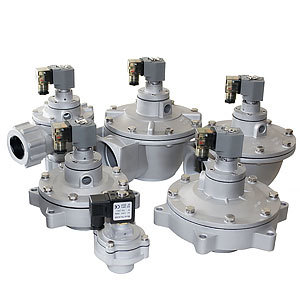
1. Pulse valve: Listen for a clear "dada" blowing sound during operation. If there is no sound in a certain group, it may be due to a malfunction of the solenoid valve or blockage of the compressed air pipeline; Touch the valve body with your hand. If the temperature is abnormal, check the coil or trachea.
2. Spray tube: Observe whether the spray nozzle is aligned with the center of the filter bag. If it is offset, it will cause uneven dust cleaning; Check whether the spray pipe is deformed or blocked, especially when dealing with viscous dust, it is necessary to regularly clear the spray port.
3. Compressed air: Check whether the drainage valve of the air storage tank is draining normally. If there is water accumulation, it will cause the pulse valve to jam, and it needs to be checked carefully in winter.
4、 Key to smoothness: Ash unloading system (inspected daily)
Blockage of the ash unloading system can cause ash accumulation in the ash hopper, which can then squeeze the filter bag and cause damage. Inspection requires "checking the operation and checking for accumulated ash":
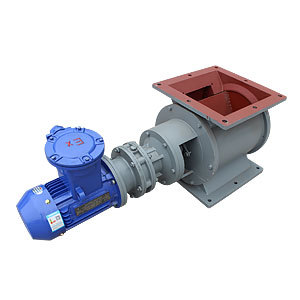
1. Ash unloading valve: Observe whether the motor runs smoothly, without any abnormal noise or jamming. If there is a "buzzing" sound but it does not rotate, it may be due to dust bridging blockage in the ash hopper, and the machine should be stopped immediately for cleaning.
2. Ash hopper and ash conveying pipe: Use a small hammer to lightly tap the side wall of the ash hopper. If the sound is dull, it indicates that there is ash accumulation inside; Check for any ash leakage at the interface of the ash conveying pipe, and if so, tighten and seal it.
3. Level gauge: Confirm whether the level gauge display is normal to avoid ash overflow in the ash hopper due to sensor failure.
5、 Safety bottom line: Electrical and sealing (comprehensive weekly inspection)
Electrical faults can easily cause safety accidents, and seal failure can lead to "secondary dust". Although these two types of inspections do not directly affect dust removal efficiency, they are related to equipment lifespan and compliance:
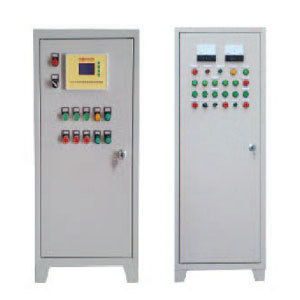
1. Electrical system: Check if the controller displays normally and if there are any alarm codes; Check whether the circuit connectors are loose or aging, whether the grounding circuit is firm, and avoid leakage or short circuit.
2. Equipment sealing: Focus on inspecting the sealing gaskets of the maintenance door, flange interface, and filter bag mouth. If aging or damage occurs, they should be replaced in a timely manner; If air leakage gaps are found in the device casing, they can be sealed with sealant to reduce the entry of external air.
6、 Check tips: 3 practical principles
1. Remember the "comparison account": Establish an inspection ledger to record the daily pressure difference, cleaning frequency, and filter bag replacement time, compare data under different working conditions, and quickly locate the root cause of abnormalities.
2. Key inspections for special working conditions: After switching raw materials and increasing production load, it is necessary to increase the frequency of inspections; During extreme weather conditions such as rainy and winter seasons overseas, focus on inspecting sealing, drainage, and heat tracing systems.
3. Safety priority: Before inspection, be sure to cut off the power supply of the relevant equipment. When opening the maintenance door, confirm that there is no negative pressure inside, and take protective measures for high-altitude operations.
The core of daily inspection for bag filters is "preventing small problems before they happen". The above point operations are simple and do not require professional tools, but can effectively reduce sudden failures. For overseas factories, regular daily inspections can not only reduce maintenance costs, but also ensure compliance with local environmental regulations and avoid the risk of penalties due to excessive emissions.
Hot Tags:


Contact Us
Tel:
WeChat:
WhatsApp:
E-mail:
Address:
338 National Road South, Longfengdian Village, Botou City, Hebei Province, China
JiuznTomine is expertly delivering technically complicated projects in markets & provides custom solutions for their customized need.


CONTACT INFO
Tel: +86 18531710311
WeChat: +86-18531710311
338 National Road South, Longfengdian Village, Botou City, Hebei Province, China