











Analysis of applicable workshop types for small bag dust collectors
Dec 11,2025

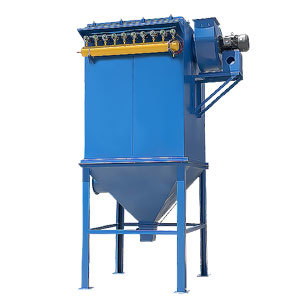
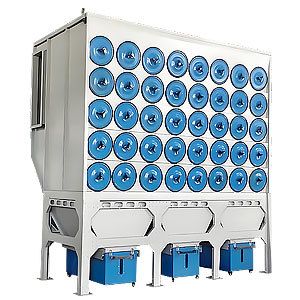
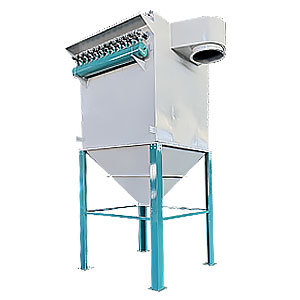
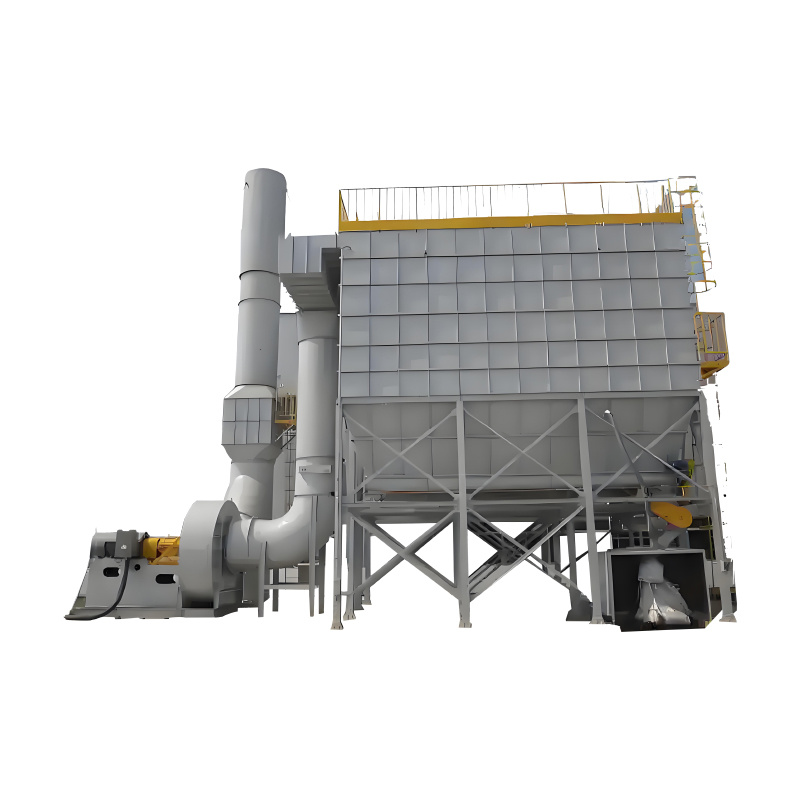
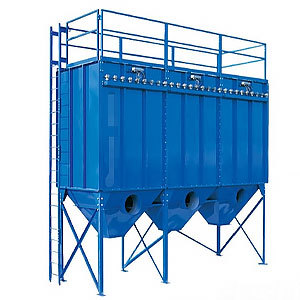
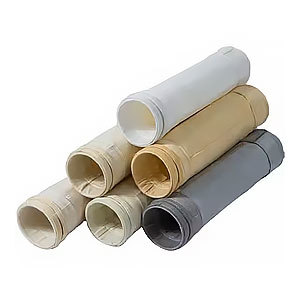
Small bag filters are widely used in dust control in small and medium-sized workshops due to their compact size, flexible installation, easy maintenance, and stable filtration efficiency. Its core working principle is to physically filter and capture dry, non sticky dust through filter bags, especially suitable for production scenarios with medium dust production and limited workspace. The production characteristics of the following types of workshops are highly matched with the functional advantages of small bag filters, and can be used as reference solutions for dust control.
1. Small mechanical processing workshop (grinding, polishing process)
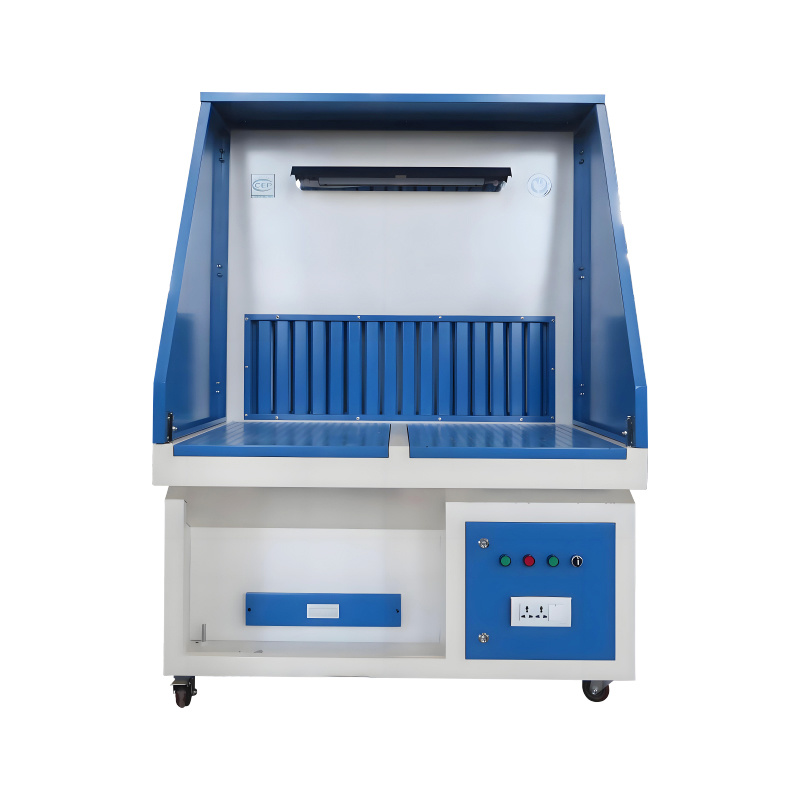
In small mechanical processing scenarios such as hardware accessories, automotive parts, and agricultural machinery, dust mainly comes from the grinding, polishing, and deburring processes of workpieces. The types of dust are mostly metal debris such as iron, aluminum, and stainless steel, or non-metallic abrasive dust such as grinding wheel dust. The dust generation characteristics of this type of workshop are that the single process dust generation points are scattered but the total amount is not large. Usually, a small bag filter with a processing air volume of 1000-3000m ³/h can cover the treatment needs of 1-2 dust generation points. By directly connecting the pipeline to the polishing workbench, nearby collection can be achieved. The filter bag can be made of polyester or polypropylene material according to the characteristics of the dust, with a filtration efficiency of over 99%, which can effectively reduce the impact of dust on equipment accuracy and improve the operating environment.
2. Food processing workshop (powder processing, baking process)
The dust generated in food production workshops such as flour processing, biscuit baking, and seasoning crushing is mostly edible dry powders such as flour, starch, and sugar powder. This type of dust control not only needs to meet environmental purification standards, but also eliminate the risk of secondary pollution. The food grade sealing design of small bag dust collectors can avoid dust cross contamination. The filter bags are mostly made of materials that meet food contact standards, such as PTFE film, without fiber shedding hazards. They are suitable for direct installation next to crushing units, screening machines, and other equipment to capture the dust emitted during powder transportation and processing. Some equipment is equipped with ash discharge devices, which can also achieve the recycling and reuse of collected dust, reducing raw material loss.
3. Furniture and woodworking workshop (cutting, sanding process)
Small woodworking workshops such as panel furniture and solid wood products generate a large amount of sawdust and wood powder dust during the cutting, sanding, and carving processes of the panels. These dust particles are coarse, have good flowability, and some pose a risk of explosion. The small bag filter has a compact size and can be flexibly placed in the corners of the workshop. It can be connected to sanding machines, cutting machines and other equipment through a mobile suction port to capture dust from the source. For the explosive characteristics of dust, anti-static filter bags can be selected; The dust cleaning method often uses pulse cleaning, which is easy to operate. Workers can replace the filter bag regularly to complete maintenance, without the need for a professional operation and maintenance team, and is suitable for the lightweight management mode of woodworking workshops.
4. Electronic component assembly workshop (soldering, resin processing)
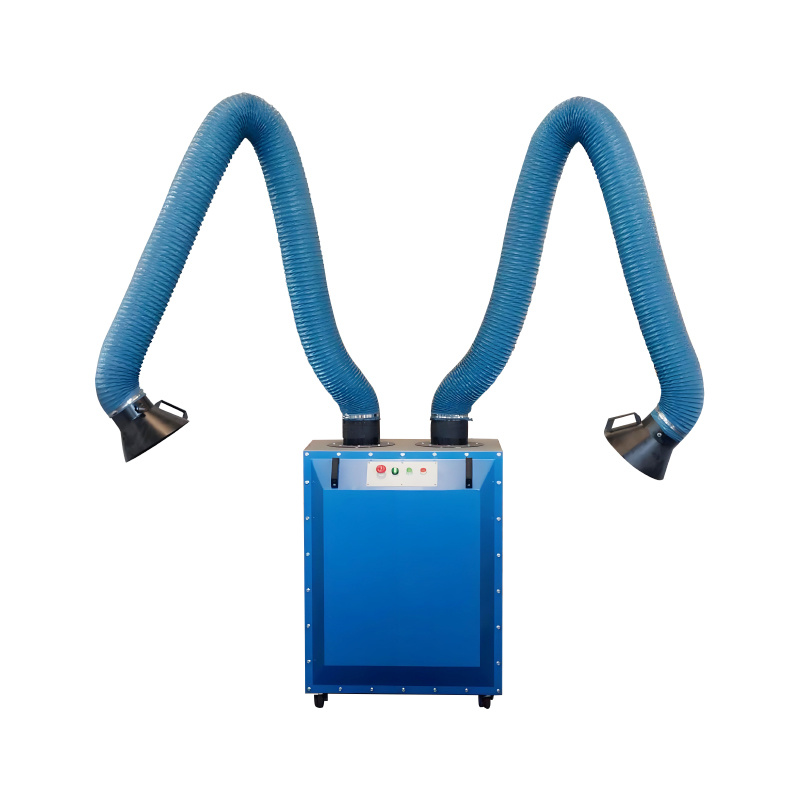
The dust generated in circuit board assembly and electronic component packaging workshops is mainly composed of solder dust, resin dust, and solder paste volatiles. The amount of dust is small but the composition is complex. If it adheres to the surface of electronic components, it can easily affect the conductivity. A small bag filter can be paired with a small fan to implement local dust collection for soldering and dispensing stations. Its filter bag can efficiently capture fine dust particles with a particle size of 0.3 μ m or more, ensuring the accuracy of component production. At the same time, the operating noise of the equipment is usually ≤ 75dB, which meets the requirements of the electronic workshop for a quiet environment and will not interfere with the production and debugging work of precision electronic equipment.
5. Chemical laboratory and small-scale chemical workshop
Small scale chemical raw material mixing, pigment grinding, plastic particle processing and other scenarios can generate small amounts of chemical dust such as pigment powder, plastic powder, rubber powder, etc. Some of the dust has slight corrosiveness. These types of workshops often have limited space and specific requirements for equipment corrosion resistance. Small bag filters can be customized with corrosion-resistant filter materials such as Flumes filter bags and stainless steel shells to adapt to the characteristics of chemical dust. A single device can meet the dust control needs of small-scale production and is easy to connect with the existing ventilation system in the workshop, without the need for large-scale workshop renovation.
6. Small scale production workshop for building materials (tile edging, putty powder mixing)
Small grinding workshops for tiles and stone, as well as small-scale mixing workshops for building materials such as putty powder and gypsum powder, have moderate dust concentration and high particle hardness. The filter bag of a small bag filter has excellent wear resistance and can withstand the impact of hard dust. Its compact structure can adapt to the characteristics of "dense equipment and limited space" in building materials workshops. It is directly installed above the edge grinder or mixing tank, and collects dust through negative pressure, effectively avoiding dust diffusion and pollution of the raw material storage area.
Practical reference: To determine whether a workshop is suitable for using a small bag filter, two core indicators can be focused on - dust production and spatial conditions. If the dust generated in the workshop has high viscosity or is in a high humidity environment, corresponding pre-treatment devices should be equipped to prevent filter bag blockage from affecting the use effect.
The core advantage of small bag filter lies in its adaptability to the needs of small and medium-sized workshops, which can achieve local dust control and environmental compliance without the cost of investing in large-scale dust removal systems. When selecting dust removal equipment in the workshop, it is only necessary to consider the number of dust production points, dust types, and spatial dimensions to screen out suitable solutions that meet the requirements.
Hot Tags:


Contact Us
Tel:
WeChat:
WhatsApp:
E-mail:
Address:
338 National Road South, Longfengdian Village, Botou City, Hebei Province, China
JiuznTomine is expertly delivering technically complicated projects in markets & provides custom solutions for their customized need.


CONTACT INFO
Tel: +86 18531710311
WeChat: +86-18531710311
338 National Road South, Longfengdian Village, Botou City, Hebei Province, China