












Stable operation of cyclone dust collector under high temperature conditions: technical points and operation and maintenance strategies
Dec 09,2025

Dust removal treatment of high-temperature flue gas is an important part of the production process in overseas industrial fields such as metallurgy, casting, and chemical engineering. The cyclone dust collector has become the preferred equipment for high-temperature coarse dust pretreatment due to its advantages of simple structure, large processing air volume, and strong impact resistance. However, high temperature environments can easily lead to thermal deformation of equipment materials, increased wear on inner walls, and turbulent airflow fields, which in turn can cause a decrease in dust removal efficiency and frequent equipment failures.
1、 Breaking before standing: the core challenge of high-temperature working conditions for cyclone dust collectors
The high temperature environment is not simply about raising the temperature. The triple problems of "uneven thermal expansion", "material performance degradation", and "changes in dust characteristics" it brings together constitute a test of the cyclone dust collector and are also the main root cause of failure.
1. Impact on structural stability: The strength of steel will significantly decrease at high temperatures, such as the tensile strength of ordinary Q235 steel decreasing by 30% at 400 ℃ and 60% at 600 ℃. If the cylinder, cone, air inlet and other components of the cyclone dust collector are unevenly heated, local bulges and deformations are prone to occur, causing the rotation trajectory of the airflow inside the equipment to be disrupted, damaging the centrifugal separation effect, and the dust removal efficiency may drop sharply from over 90% to below 60%.
2. The risk of dust abrasion and adhesion superposition: Dust in high-temperature flue gas is mostly in a molten or semi molten state, with high hardness and strong fluidity, and the erosion and wear rate on the inner wall of equipment is 2-3 times faster than that under normal temperature conditions; At the same time, some dust particles are prone to phase transition during temperature fluctuations, and after cooling, they adhere to the bottom of the cone or the ash discharge port, forming a "dust accumulation bridge" that blocks the ash discharge channel.
3. Chain reaction of sealing and insulation failure: If high-temperature flue gas leaks through the sealing gap of the equipment, it will not only cause energy waste, but also lead to an increase in external temperature of the equipment, causing faults in surrounding pipelines and electrical components; On the contrary, if the insulation measures are not in place and the temperature difference between the inner and outer walls of the equipment is too large, thermal stress will be formed, accelerating weld cracking and aging of flange gaskets.
2、 Selection and Transformation: Tailored Equipment Foundation for High Temperature Working Conditions
The stable operation of cyclone dust collectors under high temperature conditions begins with scientific selection and targeted structural transformation, with the core being to solve the three major problems of "material temperature resistance", "structural deformation resistance", and "easy dust discharge".
1. Material selection: Reject the "one size fits all" approach and adapt to temperature and dust characteristics
Material is the foundation for equipment to withstand high temperatures, and it needs to be accurately selected based on parameters such as flue gas temperature, dust corrosiveness, hardness, etc., to avoid early failure caused by material mismatch.
1. Medium temperature working conditions (200-400 ℃): For example, for casting sand treatment and drying equipment exhaust, Q345R low-alloy steel plate can be used, which has stable strength below 400 ℃ and moderate cost; The inner wall of the equipment can be coated with wear-resistant ceramic coating to enhance its ability to resist dust erosion.
2. High temperature conditions (400-800 ℃): such as converter flue gas from steel plants and tail gas from chemical roasting furnaces, heat-resistant steel materials should be selected; For corrosive flue gases containing sulfur and chlorine, 316L stainless steel is a better choice as it can effectively resist high-temperature corrosion.
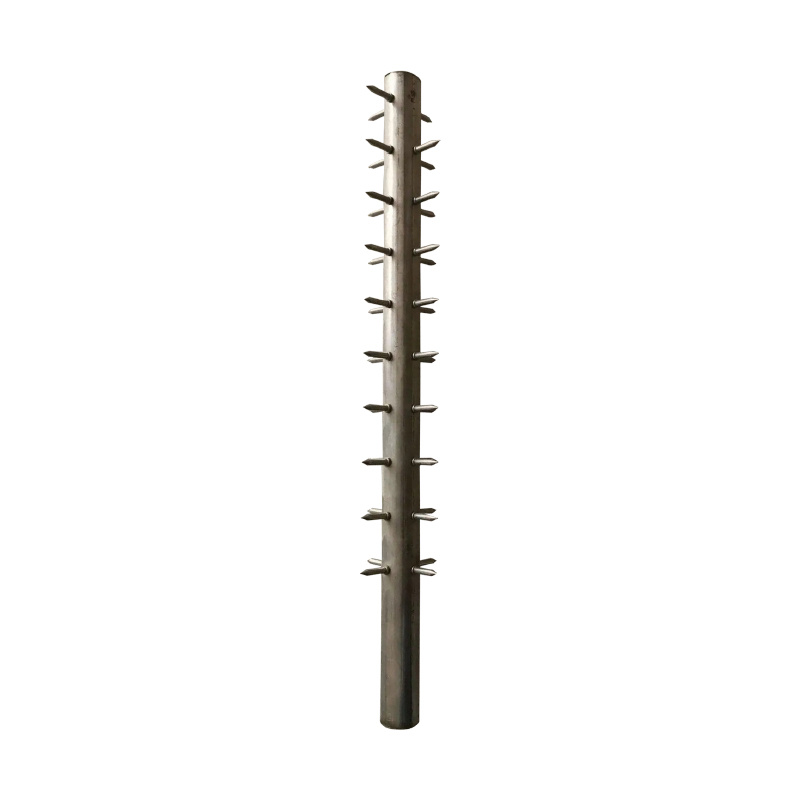
3. Ultra high temperature conditions (above 800 ℃): In special scenarios such as garbage incineration and volcanic ash treatment, pure steel is no longer sufficient to meet the demand. A composite structure of "heat-resistant steel+refractory castables" needs to be used. A refractory material with an Al ₂ O3 content of ≥ 60% should be poured on the inner wall of the equipment, with a thickness of 50-100mm. Anchors should also be installed to enhance the bonding force and prevent the castables from falling off.
2. Structural optimization: Full dimensional upgrade from airflow field to ash discharge outlet
Reasonable structural design can alleviate the problems of airflow turbulence and ash accumulation caused by high temperatures, with a focus on optimizing the four key parts of the air inlet, cylinder, cone, and ash discharge system.
1. Air inlet: reduces airflow impact and improves stability: uses a "spiral tangent" air inlet instead of a traditional right angle air inlet, allowing high-temperature flue gas to enter smoothly along the tangent direction of the cylinder, reducing the impact and wear of airflow on the cylinder wall; The ratio of the cross-sectional area of the air inlet to the cross-sectional area of the cylinder is controlled between 0.08-0.12, ensuring a stable airflow velocity of 12-20m/s, which not only guarantees centrifugal force but also avoids excessive wind speed from exacerbating wear.
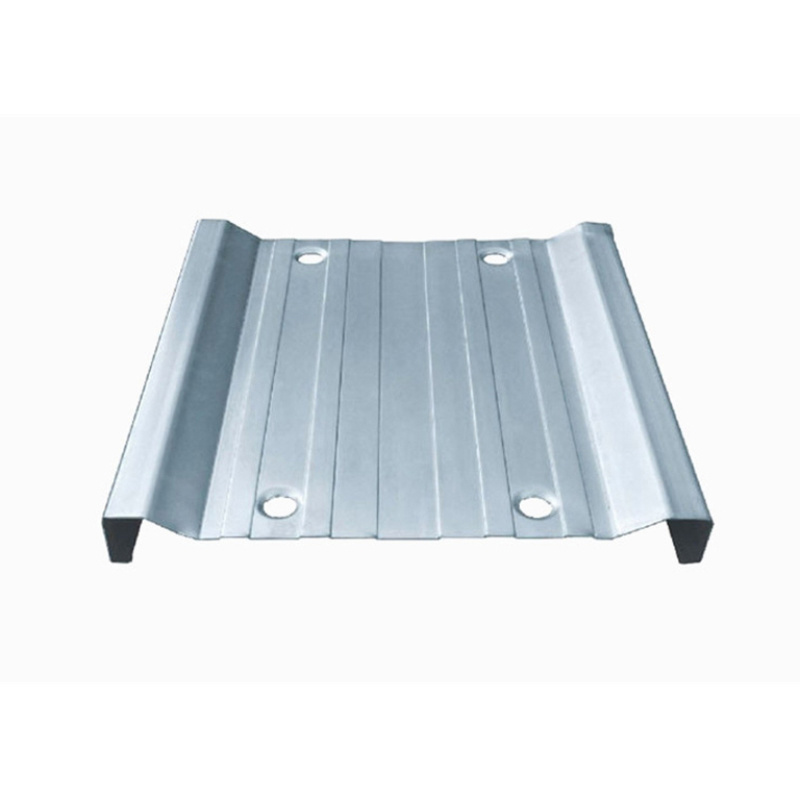
2. Cylinder and cone: Dual design of anti deformation and anti dust accumulation: The cylinder adopts a "variable diameter transition" structure to avoid thermal stress concentration caused by temperature differences between the upper and lower parts; The half apex angle of the cone is designed to be 15 ° -20 °. If the angle is too small, it is prone to dust accumulation, and if it is too large, the centrifugal force will be insufficient. At the same time, a wear-resistant lining plate is installed at the bottom 1/3 of the cone to cope with the concentrated erosion of dust.
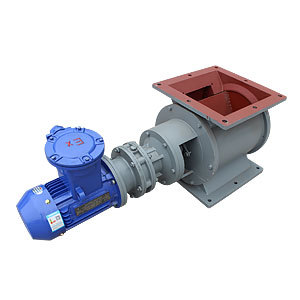
3. Ash discharge system: eliminate "bridging" and air leakage: select high-temperature resistant star shaped ash discharge valve, with valve body material made of 304 stainless steel and bearings made of high-temperature resistant lubricating grease; Install an "anti bridging device" between the ash discharge valve and the cone, such as a high-frequency vibrator, or use a "nitrogen blowing" system to regularly blow away accumulated dust using high-temperature nitrogen gas to avoid dust adhesion.
3. Insulation and sealing: Building a high-temperature "protective barrier"
Good insulation and sealing are the guarantee for stable operation of equipment, which can effectively reduce heat loss and avoid thermal stress damage.
1. Insulation layer design: The outer wall of the equipment adopts a composite insulation structure of "rock wool+color steel plate", and the thickness of the rock wool is adjusted according to the flue gas temperature -50mm thick rock wool is selected for working conditions of 200-400 ℃, and 80-100mm thick high-temperature resistant rock wool is selected for working conditions above 400 ℃; Reserve a 50mm air layer between the insulation layer and the equipment casing to enhance the insulation effect and prevent the accumulation of condensed water.
2. Sealing structure upgrade: The flange connection part adopts high-temperature resistant graphite sealing gasket, replacing traditional rubber gasket; The maintenance door adopts a "double seal+compression bolt" structure to ensure a tight seal; For the welded area, non-destructive testing should be carried out after welding to avoid high-temperature smoke leakage caused by welding defects.
3、 Operation and maintenance: dynamic regulation to ensure long-term stability
Even if the equipment selection and modification are in place, dynamic operation control and refined operation and maintenance under high temperature conditions are still the key to avoiding failures. Key attention should be paid to parameter monitoring, dust cleaning, and spare parts management.
1. Operating parameters: real-time monitoring, precise regulation
Under high temperature conditions, fluctuations in parameters such as flue gas temperature, flow rate, and dust concentration can directly affect the operating status of equipment. It is necessary to establish a real-time monitoring system and adjust operating parameters in a timely manner.
1. Temperature monitoring: Install high-temperature thermocouples at the inlet, middle of the cylinder, and outlet of the dust collector. When the inlet temperature exceeds the design temperature of the equipment by ± 50 ℃, immediately initiate cooling measures, such as opening the cold air valve to introduce normal temperature air or starting the spray cooling system, to avoid equipment overheating operation.
2. Pressure and flow rate monitoring: Install differential pressure transmitters at the inlet and outlet to monitor the equipment's operating resistance in real time. If the resistance suddenly increases, it may be due to blockage of the ash discharge outlet or accumulation of ash on the inner wall, which needs to be checked and cleaned immediately; At the same time, the inlet airflow velocity is monitored by a flow velocity sensor to ensure its stability within the optimal range of 15-18m/s. When the flow velocity is too high, the outlet valve can be adjusted to reduce the wind speed.
2. Daily operation and maintenance: high-frequency inspection, targeted cleaning
The operation and maintenance under high temperature conditions require "frequent inspection and early handling" to avoid small problems turning into major failures. The focus is on cleaning up accumulated dust, detecting wear, and performing lubrication maintenance.
1. Dust cleaning: timed and quantified to avoid clumping: set the dust discharge frequency according to the characteristics of the dust, with low to medium concentration dust discharged once per hour and high concentration dust discharged once every 30 minutes; Check the ash accumulation in the cone and ash discharge port through the equipment maintenance hole daily. If local ash accumulation is found, compressed air can be used for directional blowing or a vibrator can be started for cleaning. It is strictly prohibited to use a hammer to strike the equipment shell to avoid damaging the insulation layer and lining plate.
2. Wear detection: Key areas, regular inspection: Use an ultrasonic thickness gauge to detect the wall thickness of easily worn parts such as the air inlet and the bottom of the cone every week. When the wall thickness is reduced to 60% of the design thickness, the lining plate should be replaced or wear-resistant materials should be welded in a timely manner; Check the weld seam for cracks every month. If cracks are found, heat-resistant welding rods should be used for repair welding and retesting.
3. Lubrication maintenance: High temperature adaptation, regular replacement: For rotating parts such as star shaped ash discharge valves and fan bearings, add high-temperature resistant grease once a month, thoroughly clean the bearings every quarter and replace them with new grease to avoid component jamming and burning due to lubrication failure.
3. Spare parts management: adapt to high temperatures, emergency reserves
Overseas factories are facing the problems of long spare parts procurement cycles and high logistics costs. They need to reserve key spare parts that are suitable for high temperature conditions in advance to ensure quick response in case of faults.
1. Core spare parts reserve: Reserve high-temperature resistant lining plates, graphite gaskets, high-temperature thermocouples, star shaped ash discharge valve blades and other vulnerable parts according to the equipment model, with a reserve amount not less than 20% of the total equipment usage; For large components such as heat-resistant steel cylinders and cones, an emergency supply cycle can be agreed upon with the supplier to ensure delivery within 48 hours.
2. Requirements for spare parts storage: Spare parts should be stored in a dry and ventilated warehouse to avoid corrosion caused by humid environments; Heat resistant steel components should be stored separately from ordinary steel, with proper labeling to prevent misuse; Sealing gaskets, lubricating grease and other easily aging spare parts should be labeled with shelf life and regularly inspected and replaced.
4、 Overseas scene adaptation: special adjustments based on regional characteristics
There are differences in high-temperature conditions in different regions overseas, and targeted adjustments need to be made based on local climate, raw material characteristics, and environmental requirements to ensure equipment compatibility.
1. Dry and hot regions in the Middle East and North Africa (high temperature+low humidity): In these areas, the moisture content of the flue gas is low, and the dust is dry and easy to fly. It is necessary to strengthen equipment sealing to avoid dust leakage; Meanwhile, due to the high ambient temperature, the insulation layer of the equipment needs to be thickened to at least 100mm to prevent safety hazards caused by excessive outer wall temperature.
2. High humidity and high temperature regions in Europe and North America (high temperature+high humidity): The flue gas has a high moisture content, and dust is prone to adhere to the inner walls of the equipment. Therefore, it is necessary to shorten the ash discharge cycle and dust cleaning interval. At the same time, a humidity sensor should be installed at the equipment outlet. When the humidity exceeds 60%, the heating device should be started to avoid low-temperature condensation and corrosion of the equipment.
3. Tropical Southeast Asia (high temperature+corrosive flue gas): The flue gas from industries such as chemical and electroplating has high sulfur and chlorine content. Therefore, equipment bodies made of 316L stainless steel should be selected, and acid and alkali resistant high-temperature coatings should be applied to the inner walls. The corrosion of the equipment should be regularly tested to ensure compliance with local environmental emission standards.
Conclusion: The core of stable operation at high temperatures is "precise adaptation+fine operation and maintenance"
The stable operation of cyclone dust collectors under high temperature conditions does not rely on a single technological upgrade, but on the full chain collaboration of "material selection structure optimization operation regulation daily operation and maintenance". For overseas factories, it is necessary to fully consider their own smoke characteristics, regional environment, and environmental protection requirements, and develop targeted plans to avoid production interruptions caused by equipment failure and ensure compliance with strict local environmental regulations. Through scientific management and technological means, cyclone dust collectors can achieve long-term, efficient, and stable operation under high temperature conditions, providing reliable support for environmental protection standards in industrial production.
Hot Tags:
PREVIOUS:


Contact Us
Tel:
WeChat:
WhatsApp:
E-mail:
Address:
338 National Road South, Longfengdian Village, Botou City, Hebei Province, China
JiuznTomine is expertly delivering technically complicated projects in markets & provides custom solutions for their customized need.


CONTACT INFO
Tel: +86 18531710311
WeChat: +86-18531710311
338 National Road South, Longfengdian Village, Botou City, Hebei Province, China