












Complete Guide to Maintenance of Bag Dust Collector: Practical Techniques for Extending Life and Stable Operation
Dec 09,2025

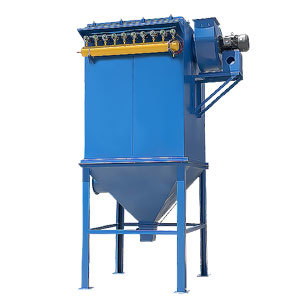
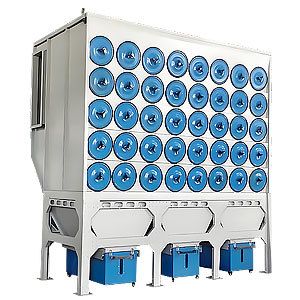
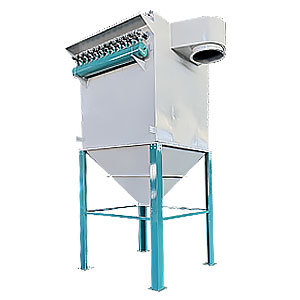
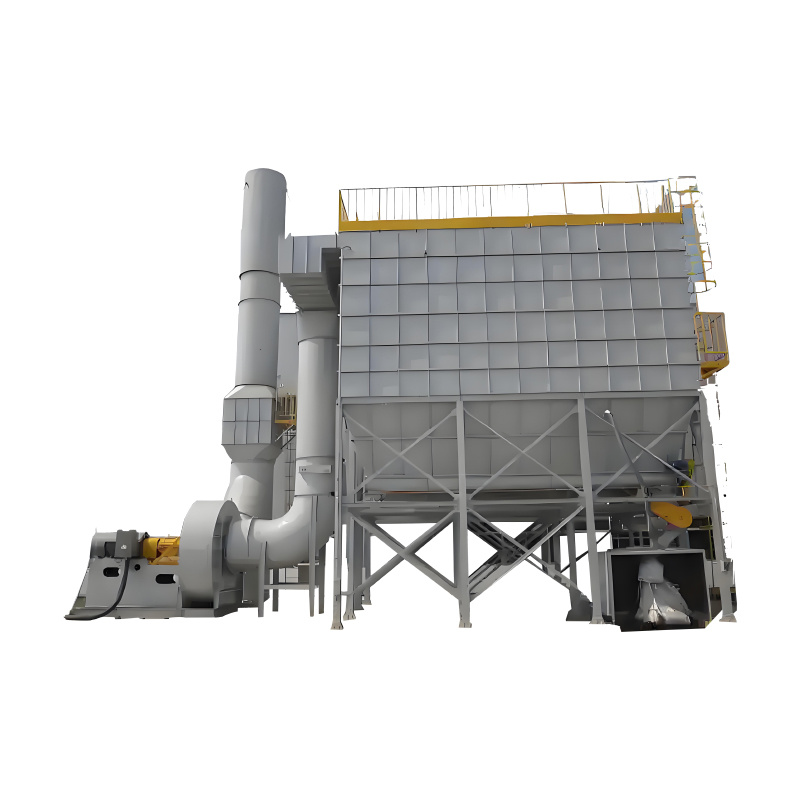
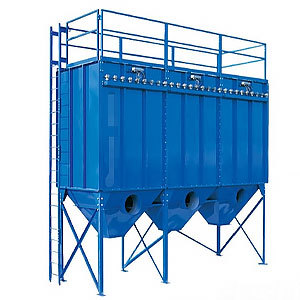
As the "core barrier" of industrial dust removal, the operational stability of bag filters directly affects the environmental compliance and production efficiency of factories. In overseas factories, many companies neglect daily maintenance, resulting in frequent damage to filter bags and ineffective dust cleaning, which not only increases spare parts costs but may also face penalties for excessive emissions. In fact, the malfunctions of bag filters can be avoided through scientific maintenance.
1、 The core of the core: filter bag maintenance determines the "vitality" of the equipment
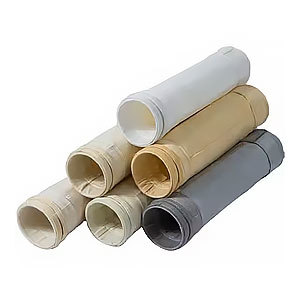
The filter bag is the filtering core of the bag filter, and its lifespan is usually between 6 months to 2 years. Proper maintenance can extend it by more than 50%. Filter bag failures are often caused by improper selection, installation omissions, or lack of operation and maintenance. It is necessary to control the entire process of "selection, installation, use, and replacement".
1. Selection and adaptation: Reduce losses from the source
The primary cause of filter bag loss is the mismatch between material and operating conditions. The first step in maintenance is to ensure that the filter bag is "selected correctly":
1. High temperature working conditions (such as casting, metallurgy, flue gas temperature of 120-200 ℃): PPS, aramid and other high-temperature resistant filter materials should be selected to avoid softening and damage caused by the use of ordinary polyester filter bags; If the flue gas contains acidic components, an additional membrane filter material should be selected to enhance its corrosion resistance.
2. High humidity conditions (such as food drying, wet processing, moisture content>60%): Priority should be given to selecting waterproof and oil resistant coated filter bags, while avoiding condensation on the surface of the filter bags - insulation layers should be added to the dust collector housing during low temperature seasons to ensure that the flue gas temperature is at least 15 ℃ higher than the dew point temperature.
3. Fine dust conditions (such as electronic welding, pharmaceutical powder, dust particle size<5 μ m): Use high-density needle punched felt filter material to avoid dust penetrating the filter material and causing excessive emissions. At the same time, shorten the cleaning cycle to prevent dust from accumulating and clumping on the surface of the filter bag.
2. Installation specifications: Details determine sealing and stability
Improper installation of filter bags can easily lead to air leakage, deviation, and accelerated local wear. Attention should be paid during installation and replacement:
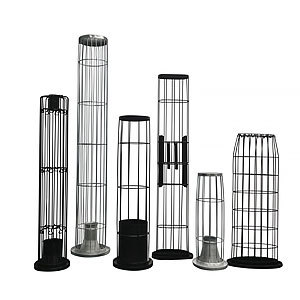
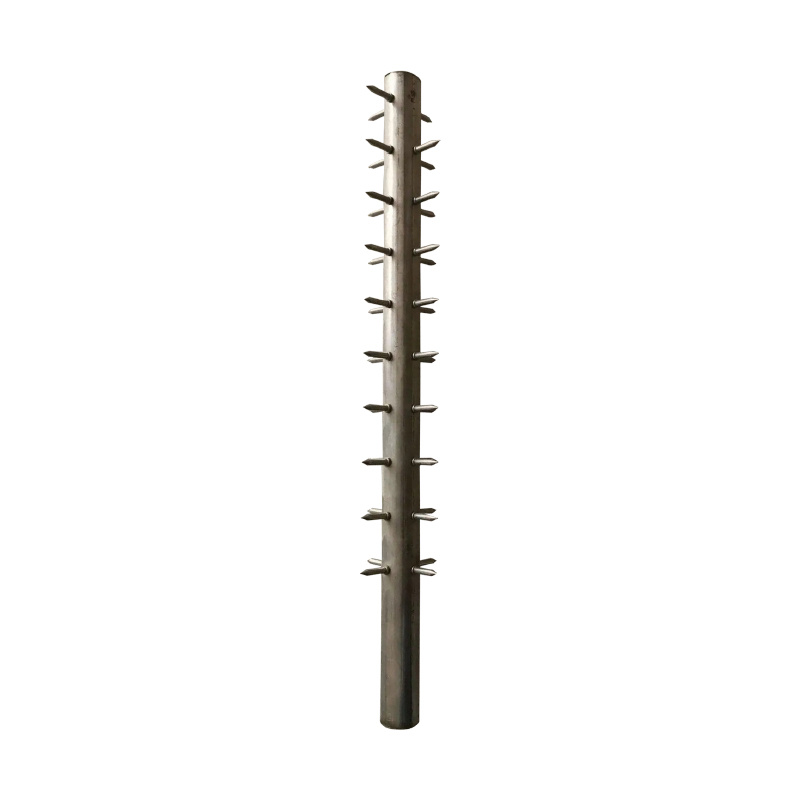
1. Before installation, check whether the filter bag is damaged or has burrs, whether the skeleton is deformed or corroded - if there are burrs on the skeleton, it needs to be polished smooth with sandpaper to avoid scratching the inner wall of the filter bag.
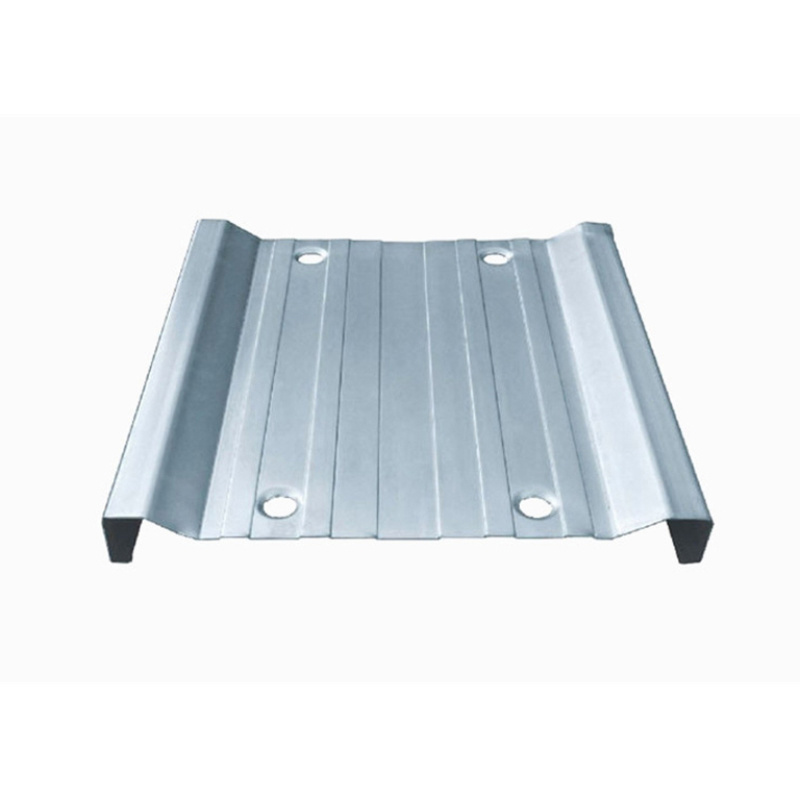
2. After the filter bag is inserted into the skeleton, it is necessary to ensure that the bag opening is tightly sealed with the flower board. When using clamps for fixation, the clamping force should be uniform to avoid excessive looseness, air leakage, or tight fracturing of the bag opening; If there is dust accumulation in the flower board hole, it needs to be cleaned before installation.
When replacing filter bags in a multi chamber dust collector, it is necessary to divide the process into separate chambers to prevent dust from entering the replaced area and contaminating the new filter bags.
3. Operation and maintenance: avoid "exceeding the standard" operation and excessive dust cleaning
In daily operation, the loss of filter bags is often caused by "improper operation", and three key indicators need to be focused on:
1. Control operating resistance: The normal operating resistance should be stable at 800-1500Pa. If it exceeds 2000Pa, it is necessary to check whether the dust cleaning system is normal in a timely manner to avoid the filter bag being crushed due to excessive resistance; If the resistance drops sharply, it may be due to damage to the filter bag, and the machine needs to be stopped immediately for inspection.
2. Optimize the cleaning parameters: Adjust the cleaning cycle and pulse width according to the characteristics of the dust - fine dust is easy to adhere, and the cleaning cycle can be shortened to 3-5 minutes, with a pulse width set to 0.15-0.2 seconds; The cleaning cycle for coarse dust can be extended to 8-10 minutes, with a pulse width of 0.1-0.15 seconds, to avoid excessive cleaning damaging the "initial layer of dust" on the surface of the filter bag.
3. Avoid sudden damage: It is strictly prohibited to directly turn on the fan when the dust collector is stopped. The pre heater should be turned on first, and the fan should be started after the internal temperature of the equipment stabilizes to prevent the filter bag from being brittle due to cold air blowing; If dealing with smoke containing Mars, it is necessary to ensure the normal operation of the Mars capture device to avoid Mars burning through the filter bag.
2、 Cleaning system maintenance: ensuring smooth breathing of filter bags
The dust cleaning system is the "cleaning assistant" of the filter bag. Malfunctions in the pulse valve, spray pipe, and compressed air system can directly cause dust cleaning failure, leading to filter bag blockage. The maintenance of the ash cleaning system should focus on "precise spraying" and "stable gas supply".
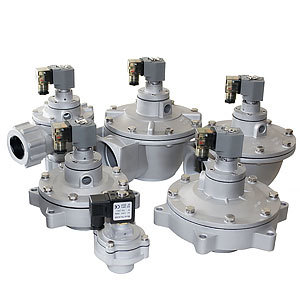
1. Pulse valve: Regular inspection to prevent jamming and air leakage
The pulse valve is the core component of the dust cleaning system, with a high failure rate. It is recommended to inspect it once a week:
1. Listen to the sound: During normal spraying, the pulse valve has a clear "pu" sound. If the sound is weak or no sound, it may be due to a malfunction of the solenoid valve or a damaged diaphragm, which needs to be disassembled and inspected. If the diaphragm shows aging or cracks, it needs to be replaced in a timely manner.
2. Check for air leakage: After closing the compressed air main valve, if there is a continuous air leakage sound at the connection between the pulse valve and the air pipe, the joint needs to be tightened or the sealing gasket needs to be replaced; If there is air leakage inside the valve body, it may be due to impurities jamming the valve core. Compressed air can be used to blow and clean it in reverse.
3. Winter protection: In areas below -10 ℃, insulation sleeves should be installed on pulse valves to prevent water vapor from freezing inside the valve body and causing jamming; Compressed air pipelines need to be equipped with drainage valves to drain accumulated water from the pipelines daily.
2. Spray tube and Venturi tube: precise alignment, no blockage or wear
If the nozzle of the spray pipe deviates from the center of the filter bag, it will cause local wear of the filter bag; If the Venturi tube is blocked, it will reduce the efficiency of dust cleaning, and it needs to be checked once a month:
1. Check whether the spray pipe is deformed or displaced. The coaxiality error between the spray nozzle and the filter bag should be controlled within 5mm. If there is any deviation, adjust the fixed bracket.
2. Dismantle the Venturi tube and clean up the accumulated dust inside. If there is wear or cracks on the inner wall of the Venturi tube, it should be replaced in a timely manner to avoid affecting the airflow distribution.
3. Compressed air system: dry and clean, stable pressure
The high water and oil content of compressed air can contaminate the filter bag and cause dust agglomeration, requiring proper system maintenance:
1. Regularly discharge the accumulated water from the air dryer and air storage tank, and check whether the adsorbent of the dryer is ineffective.
2. Install a precision filter at the end of the compressed air pipeline to intercept oil stains and impurities; Check the filter element monthly and replace it promptly if it is clogged.
3. Ensure that the cleaning pressure is stable at 0.4-0.6MPa. If the pressure is too high, the filter bag may be washed away, and if it is too low, the cleaning may not be thorough. Real time monitoring can be achieved through a pressure regulating valve.
3、 Ash hopper and shell: the basic guarantee for preventing dust accumulation and air leakage
The problems of ash accumulation and freezing in the ash hopper, as well as air leakage in the shell, are easily overlooked, but they can indirectly affect the service life and dust removal efficiency of the filter bag, and daily protection measures need to be taken.
1. Ash hopper: prevent ash accumulation and freezing
If the ash accumulation in the ash hopper exceeds 1/3, it will cause turbulence in the airflow and the dust will wash the filter bag in the opposite direction; Frozen ash accumulation in winter can also clog the ash discharge valve, requiring special maintenance:
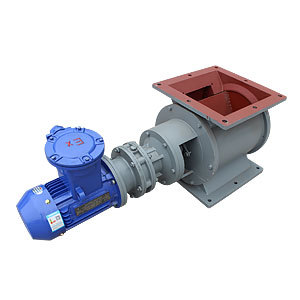
1. Check the ash level gauge daily to see if it displays normally. If the ash level rises abnormally, check if the ash discharge valve is stuck - if the ash discharge valve makes a strange noise, it may be due to foreign objects inside or bearing wear, and the machine needs to be stopped, disassembled, cleaned, and lubricated.
2. Under high humidity and low temperature conditions, it is necessary to install an electric heat tracing device on the ash hopper to maintain the temperature of the inner wall of the ash hopper at 15-20 ℃ and avoid dust condensation and freezing; Regularly tap the side wall of the ash hopper with a small hammer. If the sound is dull, it indicates that there is dust accumulation inside and the vibrator needs to be turned on for cleaning.
3. Thoroughly clean the ash hopper once a quarter, remove the manhole door, and use compressed air or vacuum cleaner to clean the dead corners and prevent dust from forming.
2. Shell and seal: prevent air leakage and corrosion
Leakage of the shell can cause external cold air to enter, reducing the internal temperature of the equipment and causing condensation on the filter bag; Corrosive smoke can damage the shell, and sealing and anti-corrosion measures should be taken:
1. Check the sealing gasket of the shell flange and maintenance door every week for aging or damage, and replace it in a timely manner if necessary; After the maintenance door is closed, it is necessary to ensure that the pressure strip is evenly fastened to avoid air leakage.
2. For dust collectors that handle corrosive flue gas, the anti-corrosion coating on the inner wall of the shell should be checked every six months. If the coating falls off, it needs to be repainted with anti-corrosion coating; In coastal areas, it is also necessary to do a good job of rust prevention treatment on the outside of the shell to avoid sea wind erosion.
3. Regularly clean the dust inside the shell to avoid dust accumulation on the filter bag frame and support structure, which may cause structural corrosion or deformation.
4、 Specialized maintenance techniques for different working conditions: precise adaptation, more worry free
The working conditions of overseas factories vary greatly, and the maintenance focus for different scenarios is also different. The following are adaptation techniques for three typical working conditions:
1. Welding smoke and dust conditions (automotive manufacturing, mechanical processing)
Dust particles are fine in size and contain oil, which can easily clog filter bags. Maintenance focus: ① Choose waterproof and oil proof filter bags, and use compressed air to blow the surface of the filter bags in reverse every month; ② Shorten the cleaning cycle to 2-3 minutes, with a pulse width of 0.1 seconds; ③ Clean the ash hopper once a week to avoid oil stains, dust, and clumping.
2. High temperature flue gas conditions (steel, coking)
The fluctuation of flue gas temperature can easily lead to the aging of filter bags. Maintenance focus: ① Real time monitoring of flue gas temperature. If it exceeds the upper temperature limit of the filter bag, immediately turn on the cooling device; ② Check the surface of the filter bag quarterly for signs of carbonization, and replace it locally if necessary; ③ Reduce the cleaning pressure to 0.4MPa to minimize the scouring of the filter bag.
3. High humidity dust conditions (papermaking, food processing)
Dust has a high moisture content and is prone to condensation and clumping. Maintenance focus: ① Install insulation layer on the dust collector shell and filter bag chamber to ensure that the internal temperature is 15 ℃ higher than the dew point; ② Shorten the cleaning cycle to 3-4 minutes and adopt the "dual pulse" cleaning mode; ③ Daily discharge of accumulated water in the compressed air system and replacement of precision filter cartridges.
5、 Daily inspection checklist and emergency response
Establishing a regular inspection system is the key to maintenance. The following is a daily/weekly/monthly inspection checklist, along with emergency response methods for common faults:
1. Inspection checklist
1. Daily inspections should follow a fixed cycle, clarify the key points of each stage, and ensure no omissions. The daily inspection focuses on the filter bag, ash cleaning system, and ash hopper, with a particular emphasis on whether the operating resistance of the equipment is stable within the normal range, whether the pulse valve jet sound is clear and normal during ash cleaning, whether the ash level gauge display is accurate, and whether there is any abnormal noise or jamming during the operation of the ash discharge valve.
2. Weekly inspections should be carried out on the pulse valve, sealing parts, and compressed air system, carefully checking whether there is any air leakage at the connection between the pulse valve and the air pipe, whether the sealing gasket of the shell flange and maintenance door is aging or damaged, and at the same time, completing the drainage of accumulated water from the air dryer and storage tank to ensure the dryness of the compressed air system.
3. The focus of monthly inspections is on the appearance of the spray tube, Venturi tube, and filter bag. Check whether the alignment between the spray nozzle of the spray tube and the filter bag meets the requirements, whether there is dust accumulation or blockage inside the Venturi tube, and whether there are damage, aging, or carbonization marks on the surface of the filter bag.
4. A comprehensive inspection should be conducted every quarter, covering the shell, anti-corrosion coating, and filter bag skeleton, to check for any deformation of the shell and whether the anti-corrosion coating on the inner wall of the shell has fallen off. At the same time, the filter bag skeleton should be checked for rust or deformation, and potential problems should be dealt with in a timely manner.
2. Emergency response
1. Damaged filter bag: If dust is emitted from the discharge outlet, immediately close the valve of the corresponding filter chamber and replace the damaged filter bag; If there are no spare parts available, temporary sealant can be used to repair minor damages.
2. Failure of dust cleaning system: If the resistance suddenly increases, first check the compressed air pressure. If the pressure is normal, disassemble the pulse valve and clean the valve core; If multiple pulse valves fail, manual dust cleaning can be carried out in different rooms to avoid equipment shutdown.
3. Ash hopper blockage: Turn off the power supply of the ash discharge valve, turn on the vibrator and heat tracing device, and gently poke open the accumulated ash with a wooden stick; If the blockage is severe, the ash hopper manhole door needs to be removed and manually cleaned to avoid forcibly starting the ash discharge valve and burning the motor.
6、 The core of maintenance is "prevention first"
The maintenance of bag filters is not a complex task, the key lies in "daily meticulous and precise adaptation". Overseas factories can integrate the above techniques into daily operation and maintenance based on their own working conditions. Through standardized filter bag management, ash cleaning system maintenance, and ash hopper protection, they can not only extend equipment life and reduce operation and maintenance costs, but also ensure stable and compliant dust removal efficiency, providing support for production. Remember, every meticulous inspection and maintenance is a powerful guarantee for the stable operation of the equipment.
Hot Tags:


Contact Us
Tel:
WeChat:
WhatsApp:
E-mail:
Address:
338 National Road South, Longfengdian Village, Botou City, Hebei Province, China
JiuznTomine is expertly delivering technically complicated projects in markets & provides custom solutions for their customized need.


CONTACT INFO
Tel: +86 18531710311
WeChat: +86-18531710311
338 National Road South, Longfengdian Village, Botou City, Hebei Province, China