











Extended lifespan of dust removal equipment: daily maintenance and upkeep guidelines
Oct 22,2025

For overseas industrial enterprises, the service life of dust removal equipment is directly related to operation and maintenance costs and compliance stability. An equipment that has not been properly maintained may have its service life shortened from 8-10 years to 3-5 years. This not only requires early investment in replacement costs, but may also result in downtime and excessive emissions due to sudden failures. Mastering scientific daily maintenance and upkeep methods can enable dust removal equipment to operate stably for a long time, adapt to the foreign trade production needs of multiple industries such as chemical, metallurgical, and food, and truly achieve "one-time investment, long-term worry free".
1、 Daily maintenance: Level 3 frequency management to prevent minor problems from escalating into major malfunctions
The core of daily maintenance is "high-frequency inspection and timely handling", implemented in stages of "daily weekly monthly", which can avoid 80% of equipment loss:
1. Daily mandatory: Basic status check (10 minutes/time)
Key parameter monitoring: Record equipment resistance (normal range 800-1500Pa), fan current, and emission concentration. If the resistance suddenly rises (exceeds 1800Pa) or the concentration exceeds the standard (exceeds local standards), immediately stop the machine for troubleshooting;
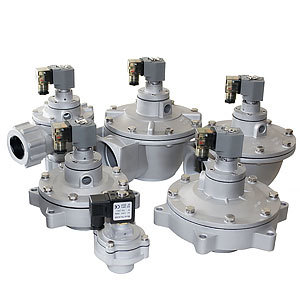
Visual inspection of vulnerable parts: Check whether the pulse valve diaphragm is leaking, whether the filter bag/cylinder is damaged, whether the ash hopper unloading valve is blocked, and especially in high humidity areas, focus on checking whether there is water accumulation in the ash hopper (to prevent dust agglomeration);
Safety protection confirmation: Ensure that the equipment is properly grounded and the explosion-proof valve is not corroded (in chemical scenarios) to avoid safety hazards.
2. Weekly mandatory: Core component maintenance (30 minutes/time)
Cleaning system maintenance: Clean the pulse valve body, check the compressed air pressure (maintain 0.4-0.6MPa), and if the pressure is insufficient, check for air pipe leaks; For electrostatic precipitators, it is necessary to wipe off the oil stains on the electrode surface to prevent a decrease in adsorption efficiency;
Lubrication and maintenance: Fill the fan bearings and ash discharge valve gears with special lubricating oil (choose models that can withstand 200 ℃ or above under high temperature conditions, such as 320 extreme pressure gear oil) to avoid dry wear of components;
Dust cleaning: Clear the accumulated dust in the ash hopper and blow the dead corners inside the equipment with compressed air (such as the folds and gaps of the filter cartridge dust collector) to prevent long-term accumulation of dust and corrosion of the shell.
3. Monthly mandatory: Deep state assessment (1-2 hours/time)
Filter material performance testing: Use a portable detector to measure the air permeability of the filter bag/cylinder. If the air permeability decreases by more than 30%, it needs to be replaced in advance (to avoid sudden damage);
Structural integrity inspection: Check whether the shell welds and sealing gaskets are aging and leaking air (soap water can be applied to detect bubbles), and check whether the ceramic lining of the cyclone dust collector is cracked;
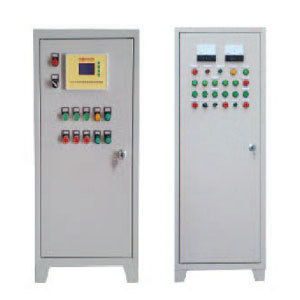
Electrical system troubleshooting: Test the accuracy of PLC control systems and sensors (such as dust concentration meters and differential pressure gauges) to ensure normal data transmission (compatible with ESG data traceability requirements in European and American factories).
2、 Equipment maintenance skills: adapt to the characteristics of different types of dust removal equipment
The core components and loss logic of different dust removal equipment are different, and targeted maintenance plans need to be developed to avoid ineffective maintenance caused by a one size fits all approach
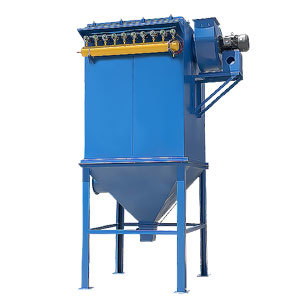
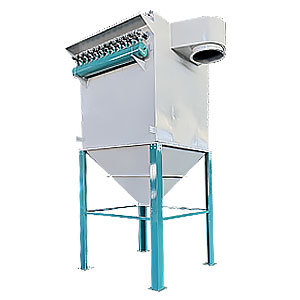
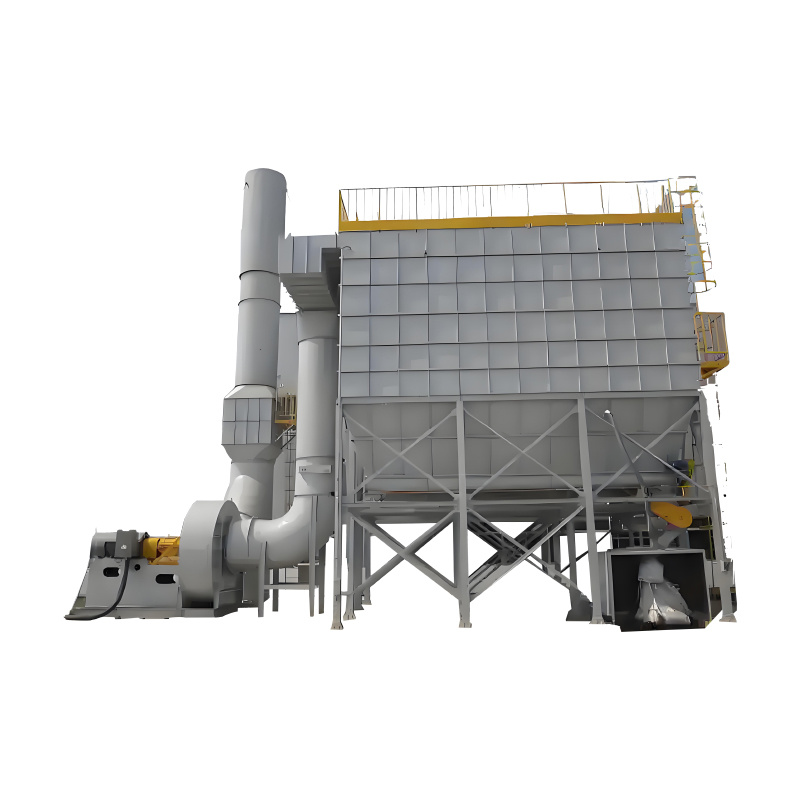
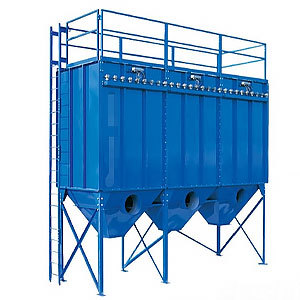
1. Bag filter: Focus on protecting the filter bag to prevent clogging and wear
To prevent the filter bag from getting damp: In high humidity areas (such as Southeast Asia), heating devices should be installed in the ash hopper, and the temperature should be controlled at 5-10 ℃ above the dew point;
Adaptation of cleaning rhythm: When the dust concentration is high (such as in mines), shorten the cleaning interval (5-8 minutes/time), and when the concentration is low, extend it (15-20 minutes/time) to prevent excessive cleaning and wear on the filter bag;
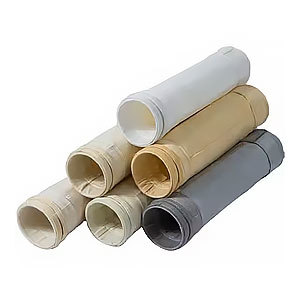
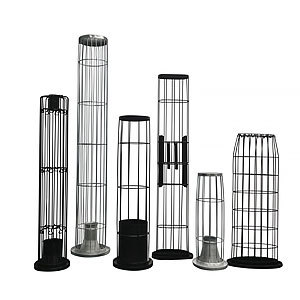
Precautions for bag replacement: Handle with care during replacement to avoid friction between the filter bag and the skeleton burrs. After installation, check if the seal fits snugly (gap ≤ 0.5mm).
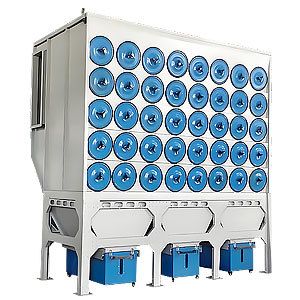
2. Filter cartridge dust collector: prevents dust accumulation and clumping, maintains air permeability
Regular reverse blowing: Use 0.3MPa compressed air to blow outwards from the inside of the filter cartridge every month (to avoid high-pressure damage to the film), and remove residual dust inside the folds;
Avoid high temperature damage: In high temperature conditions (such as plastic factories), it is necessary to regularly check the temperature resistance of the filter cartridge. If the coating falls off, immediately replace it with a high temperature resistant model (such as PTFE coated filter cartridge).
3. Electrostatic precipitator: electrode protection and insulation components, anti short circuit
Electrode cleaning: Clean the dust nodules on the electrodes with a soft bristled brush every month (to avoid uneven electric fields), and check whether the electrode coating has peeled off under corrosive conditions (such as chemical engineering);
Maintenance of Insulated Porcelain Bottles: Wipe off oil stains on the surface of the porcelain bottle, install heating sleeves (in low-temperature regions such as Northern Europe), and prevent insulation failure caused by condensation.
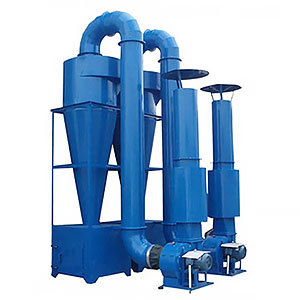
4. Cyclone dust collector: prevents inner lining wear and ensures structural stability
Inner lining inspection: Check the wear degree of ceramic/wear-resistant steel inner lining every month. If the local wear exceeds 3mm, repair it in a timely manner (wear-resistant ceramic adhesive can be used);
Airflow optimization: Check if there is any deformation at the air inlet. If there is a deviation in airflow, adjust the angle of the guide plate (to ensure dust removal efficiency while reducing inner lining impact).
3、 Regional working condition adaptation: to cope with special environmental losses overseas
The differences in operating conditions in different regions overseas will accelerate equipment wear and tear, and targeted adjustments need to be made during maintenance:
1. High temperature areas in the Middle East: Clean the fan cooling fins weekly and install cooling fans in the electrical cabinet to avoid motor burnout and aging of seals caused by high temperatures;
2. High humidity areas in Southeast Asia: monthly anti rust treatment (such as spraying anti rust paint) should be carried out on equipment shells and skeletons, and hydrophobic models (such as waterproof membrane filter bags) should be selected when replacing filter materials;
3. European and American compliance zone: Maintain and save records (such as filter material replacement dates and testing data), connect with the factory MES system, and meet the traceability requirements of EPA/CE audits.
4、 Common maintenance misconceptions: avoid the pitfall of "the more you maintain, the more damaging the equipment"
1. Misconception: Using non compatible accessories (such as ordinary gaskets instead of high-temperature resistant ones) to save costs → Consequences: seal failure, equipment corrosion. Correct approach: Choose compliant accessories (such as 316L stainless steel parts, food grade gaskets) according to working conditions;
2. Misconception: Excessive cleaning (such as frequent spraying of pulse valves) → Consequences: Accelerated wear of filter bags/cartridges. Correct approach: Adjust the cleaning interval according to the resistance data;
3. Misconception: Neglecting electrical system maintenance (such as sensors not calibrated for a long time) → Consequences: Data distortion leading to misjudgment. Correct approach: Calibrate sensors once a month to ensure accuracy.
Summary: Maintaining a Win Win Operation of "Saving Money+Extending Life"
For overseas factories, the daily maintenance of dust removal equipment is not an "extra burden", but a "cost reduction investment". Through 10-30 minutes/day of basic inspection, the equipment life can be extended by more than 50%, the cost of parts replacement can be reduced by 30%, and downtime losses and environmental fines caused by failures can be avoided. Under the trend of global industrial cost reduction and efficiency improvement, scientific maintenance can keep dust removal equipment in the best condition and become a stable support for foreign trade production.
Hot Tags:


Contact Us
Tel:
WeChat:
WhatsApp:
E-mail:
Address:
338 National Road South, Longfengdian Village, Botou City, Hebei Province, China
JiuznTomine is expertly delivering technically complicated projects in markets & provides custom solutions for their customized need.


CONTACT INFO
Tel: +86 18531710311
WeChat: +86-18531710311
338 National Road South, Longfengdian Village, Botou City, Hebei Province, China