












Industrial dust removal operation and maintenance: 5 key points to reduce failure rate
Oct 23,2025

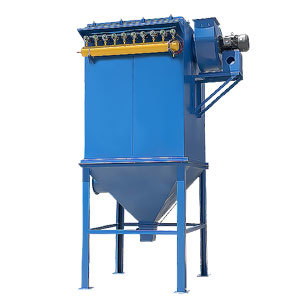
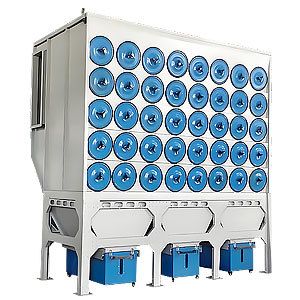
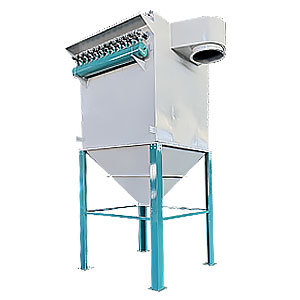
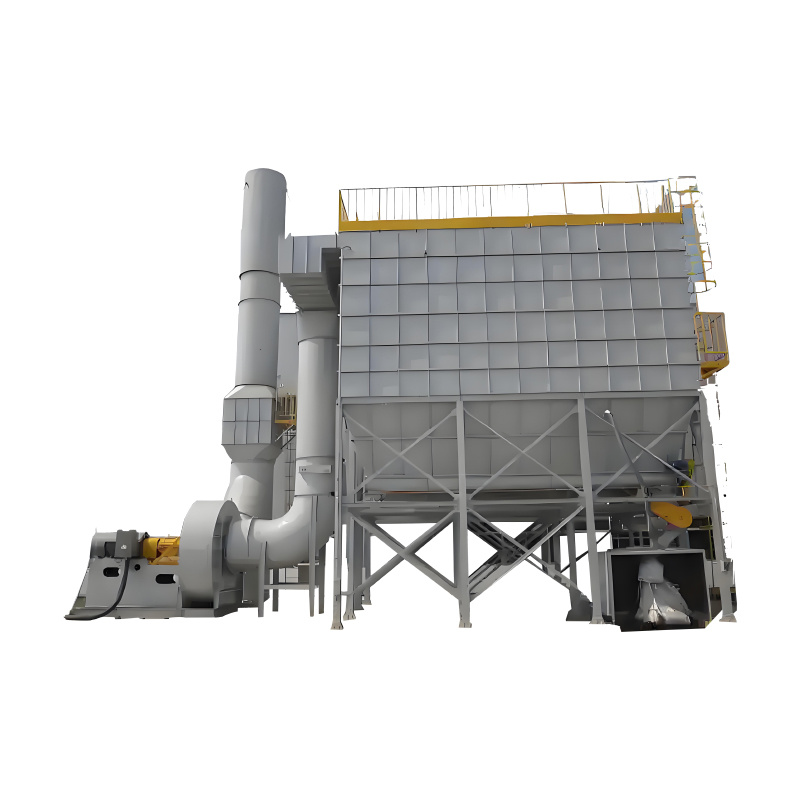
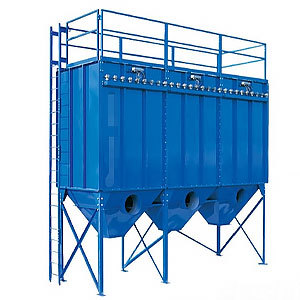
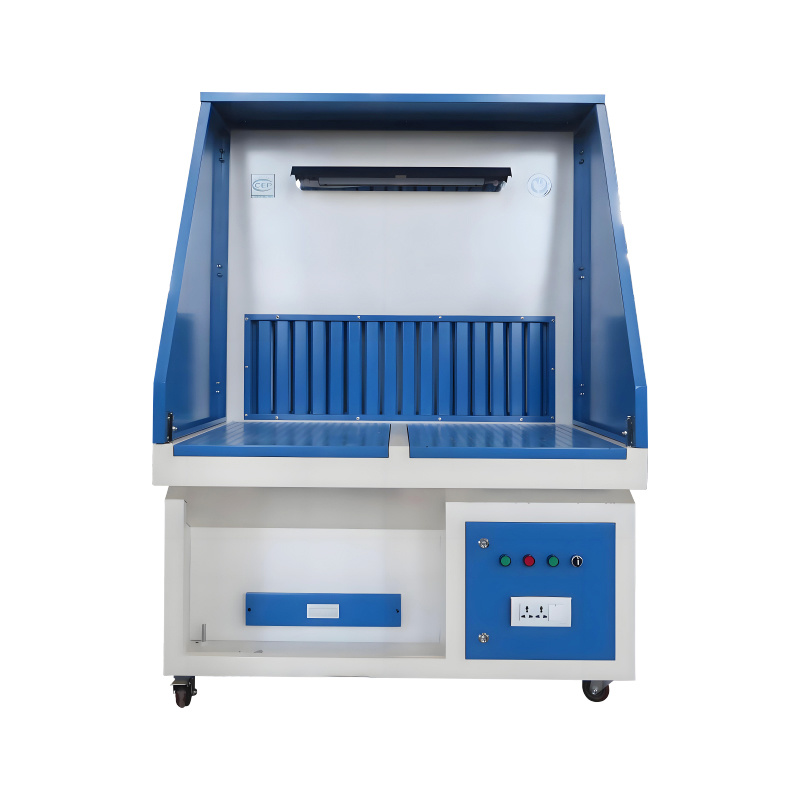
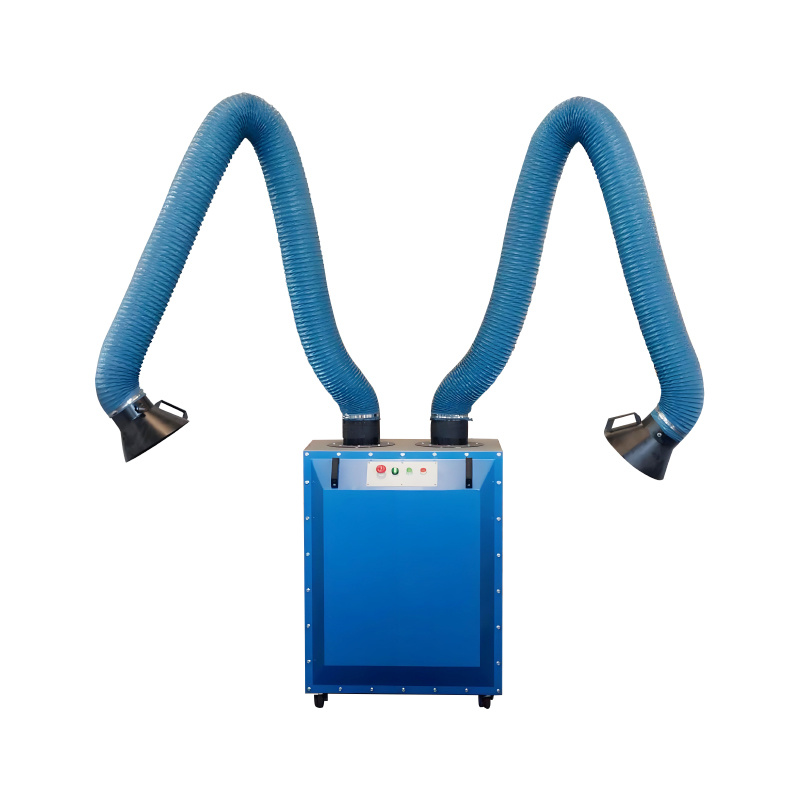
For overseas industrial factories, dust removal equipment failures not only lead to excessive workshop dust and trigger environmental fines, but may also result in production losses of tens of thousands of dollars per hour due to downtime. To ensure the long-term stable operation of various dust removal equipment such as bags, filter cartridges, and electrostatic precipitators, the key is to master scientific operation and maintenance methods. The following 5 core points can help overseas factories reduce the failure rate of dust removal equipment by more than 60%, and adapt to the foreign trade production needs of multiple industries such as chemical, metallurgical, and food.
1、 Key point 1: High frequency targeted inspections to detect "hidden faults" in advance
Faults often stem from the accumulation of "small problems", and high-frequency inspections can solve problems during the hidden danger stage, avoiding sudden shutdowns:
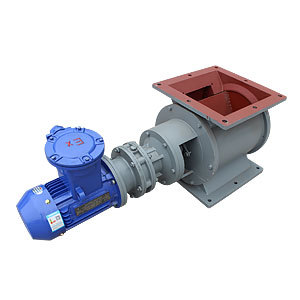
Daily focus on checking "parameters+vulnerable parts": record equipment resistance, fan current, and emission concentration. If the data is abnormal, immediately investigate; Check whether the pulse valve diaphragm, filter bag interface, and ash discharge valve are leaking or blocked. In high humidity areas, it is necessary to additionally check whether there is water accumulation in the ash hopper.
Weekly focus on "cleaning dust+lubrication": clean the pulse valve body to ensure stable compressed air pressure at 0.4-0.6MPa; Add lubricating oil suitable for the working conditions to the fan bearings and ash discharge valve gears to avoid dry wear of the components.
Monthly in-depth inspection of "structure+electrical": check whether the shell welds and sealing gaskets are aging, and clean the electrode nodules of the electrostatic precipitator; Calibrate dust concentration sensors and differential pressure gauges to ensure accurate data.
2、 Key point 2: "Adaptation and selection" of core components to avoid "mismatch" causing malfunctions
Using the wrong components is one of the main reasons for high failure rates, and component selection must be tailored to the working conditions:
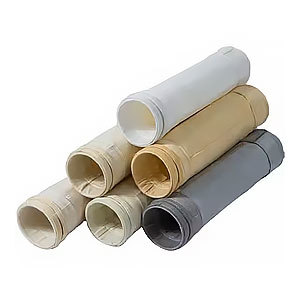
Filter material adaptation: FDA grade laminated filter bags/cartridges are selected for food factories, PTFE filter materials are used for chemical corrosion scenarios, PPS heat-resistant filter bags are selected for high temperature flue gas in power plants to avoid premature damage of filter materials;
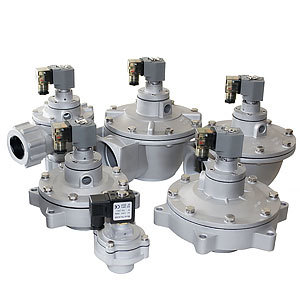
Compliance of vulnerable parts: Industrial grade products with a spray life of 1 million times are selected for pulse valves, and high and low temperature resistant silicone gaskets are used for sealing. ATEX certified components are required for explosion-proof scenarios;
Regional adaptation: High temperature resistant motors are selected for high-temperature areas in the Middle East, and insulation layers are added to electrical cabinets in low-temperature areas in Northern Europe to prevent component failure due to environmental discomfort.
3、 Key point 3: The ash cleaning system should be adjusted as needed to balance efficiency and loss
Improper dust cleaning can cause clogging or excessive wear of the filter material, which needs to be dynamically adjusted according to the working conditions:
Bag/filter cartridge dust collector: When the dust concentration is high, shorten the cleaning interval to 5-8 minutes/time, and use low-pressure pulses to avoid filter material damage; When the concentration is low, extend it to 15-20 minutes/time to reduce compressed air waste;
Electrostatic precipitator: In high humidity scenarios, it is necessary to increase the frequency of dust cleaning to avoid dust adhesion affecting the electric field; Low dust scenes can be cleaned once a week to reduce electrode wear;
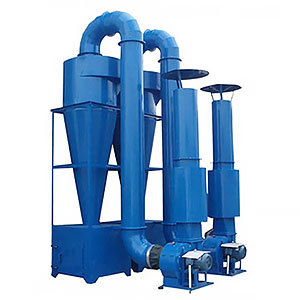
Cyclone dust collector: When the dust accumulation in the ash hopper reaches 1/3, it should be immediately emptied to avoid "secondary dust" causing increased wear on the cylinder wall. The wear level of the ceramic lining should be checked monthly.
4、 Key point 4: "Dual protection" of the electrical system to eliminate the risk of short circuit/leakage
Electrical faults account for 35% of total dust removal equipment failures, and protection needs to balance safety and stability:
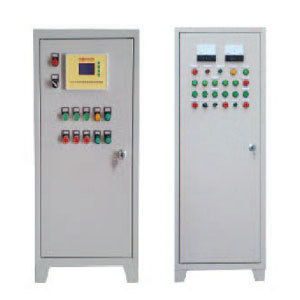
Basic protection: The grounding resistance of the equipment should be ≤ 4 Ω, the electrical cabinet should be treated with IP54 waterproof and dustproof, and dehumidifiers should be installed in high humidity areas to avoid short circuits caused by moisture in the circuit;
Intelligent monitoring: Install a fault alarm module, which automatically shuts down and pushes an alarm to the management personnel's mobile phone when the fan is overloaded or the dust cleaning system is abnormal, adapting to the remote operation and maintenance needs of overseas factories;
Regular calibration: Calibrate the PLC control system and sensors monthly to ensure accurate dust cleaning timing and concentration monitoring, and avoid misoperation caused by data distortion.
5、 Key point 5: Professional operation and maintenance "team training" to avoid human operational errors
The proportion of faults caused by human error exceeds 25%, and system training is the key:
Customized training: Provide multilingual operation manuals for different types of equipment (such as cloth bags and static electricity), with a focus on practical content such as "pre startup inspection and emergency handling of faults";
Remote technical support: Establish a 24-hour remote guidance channel with domestic manufacturers. When overseas teams encounter problems, they can quickly locate the fault (such as filter bag blockage or pulse valve failure) through video connection;
Emergency plan reserve: Develop equipment failure emergency plans (such as spare filter bags/pulse valves inventory, temporary dust removal plans) to avoid long-term downtime due to component shortages, especially suitable for regions with long component transportation cycles such as Africa and South America.
6、 Special Reminder for Foreign Trade Scenarios: Key Points for Regional Operation and Maintenance
High temperature and high dust areas in the Middle East: The core operational risks are motor overheating and filter blockage. The key adjustment measure is to clean the fan cooling fins weekly and shorten the cleaning interval.
High humidity areas in Southeast Asia: facing the risk of equipment corrosion and filter material agglomeration, it is necessary to perform monthly shell rust prevention treatment and install heating devices in the ash hopper.
European and American compliance zone: There are requirements for data traceability and component certification, and records should be kept after maintenance, using CE/FDA certified accessories.
Remote areas in Africa: The main problem is a shortage of accessories and insufficient technology. We can reserve vulnerable parts for 3 months and regularly conduct local team training.
For overseas factories, the core of industrial dust removal operation and maintenance is not "repair after failure", but "prevention in advance and scientific adjustment". Mastering these 5 key points can not only minimize equipment failure rates, reduce downtime losses and compliance risks, but also extend equipment lifespan by more than 30%, truly achieving a win-win situation of "operation and maintenance cost reduction, production efficiency improvement".
Hot Tags:


Contact Us
Tel:
WeChat:
WhatsApp:
E-mail:
Address:
338 National Road South, Longfengdian Village, Botou City, Hebei Province, China
JiuznTomine is expertly delivering technically complicated projects in markets & provides custom solutions for their customized need.


CONTACT INFO
Tel: +86 18531710311
WeChat: +86-18531710311
338 National Road South, Longfengdian Village, Botou City, Hebei Province, China