











Comparison of Dust Removal Bag Materials: List of Applicable Scenarios for PTFE, Fiberglass, and Polyester
Oct 21,2025

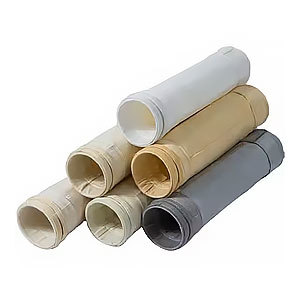
Overseas factories often choose dust removal bags due to "wrong material selection", resulting in frequent replacement. High temperature fiberglass bags are used in normal temperature scenarios, wasting costs. Ordinary polyester bags are used in corrosive conditions and break after 3 months. In fact, there are three types of core materials: polyester, fiberglass PTFE, Their temperature resistance, corrosion resistance, and cost differences are significant, and they are matched according to the "working condition characteristics+regional demand". They can not only meet the EU CE and US EPA standards, but also save filter material expenses, and are suitable for foreign trade scenarios in multiple industries such as food, chemical, and metallurgy.
1、 3D comparison of core materials
First, compare the key parameters to quickly locate the "adaptation boundaries" of each material, avoiding blind selection:
Polyester (PET) cloth bag:
Temperature resistance range: -20 ℃~130 ℃ (mainly at room temperature)
Corrosion resistance: Resistant to weak acids and bases (pH 4-9)
Core advantages: low cost, good flexibility, easy cleaning
Applicable dust: dry powder dust (electronic dust, sawdust, flour)
Average lifespan: 6-8 months
Compliance certification: FDA (food grade) RoHS
Glass Fiber cloth bag:
Temperature resistance range: 200 ℃~300 ℃ (special for high temperature)
Corrosion resistance: Resistant to moderate corrosion (pH 3-11)
Core advantages: high temperature resistance, high strength, and tensile resistance
Applicable dust: High temperature dust (power plant ash, metallurgical smoke, kiln dust)
Average lifespan: 12-18 months
Compliance certification: CE (High Temperature Safety) SGS
PTFE (polytetrafluoroethylene) bag:
Temperature resistance range: -200 ℃~260 ℃ (wide temperature range)
Corrosion resistance: resistant to strong acids and bases (pH 1-14, resistant to organic solvents)
Core advantages: corrosion and moisture resistance, long lifespan, no migration
Applicable dust: corrosive/high humidity dust (chemical acid dust, rubber dust)
Average lifespan: 24-36 months
Compliance certification: FDA, REACH, FDA 21 CFR § 177.2600
2、 Material analysis: which overseas working conditions are suitable?
1. Polyester bag: preferred for room temperature dry dust, low-cost adaptation to basic scenarios
Core positioning: The king of cost-effectiveness, suitable for "mild working conditions" without high temperature and strong corrosion, and is a common choice for overseas electronics factories, furniture factories, and food factories.
Adaptation scene details:
Industry: Plastic dust from electronics factories, sawdust from furniture factories, flour/sugar powder from food factories (food grade polyester should be selected);
Region: North America, European room temperature workshops (humidity<40%), Southeast Asian low humidity areas (such as Thai electronics factories);
Advantages: High dust cleaning efficiency (low dust adhesion), compatible with pulse dust cleaning system, no need for frequent disassembly and replacement;
Attention: Avoid using in environments with humidity>60% or temperature>130 ℃, as it is prone to softening and clumping.
Foreign trade compliance points: Food grade polyester needs to provide FDA certification, electronic factory bags need to pass RoHS, and customs clearance is unobstructed.
2. Fiberglass cloth bag: exclusive for high temperature scenarios, capable of withstanding extreme temperatures
Core positioning: "Essential material" for high-temperature conditions, capable of withstanding temperatures below 300 ℃, making it the core choice for overseas power plants, steel plants, and cement plants.
Adaptation scene details:
Industry: Power plant fly ash, steel plant blast furnace flue gas, cement plant kiln tail high-temperature dust;
Region: High temperature chemical workshop in the Middle East (equipment temperature reaches 220 ℃ in summer), metallurgical plant in India (continuous production of high-temperature dust);
Advantages: High temperature resistance without deformation, tensile strength twice that of polyester, suitable for long-term continuous operation;
Attention: "Surface coating treatment" (such as PTFE coating) is required, otherwise dust can easily penetrate into the glass fiber gaps, making dust removal difficult.
Foreign trade compliance point: SGS high-temperature performance testing report is required, and the EU market must comply with EN 13285 high-temperature dust removal standards.
3. PTFE bag: corrosion and moisture resistant "all rounder", preferred for durability in complex working conditions
Core positioning: Durable and responsible for extreme working conditions, resistant to strong corrosion and high humidity, suitable for factories in overseas chemical, electroplating, and high humidity areas, with long-term worry free investment.
Adaptation scene details:
Industry: Fluorine/chlorine containing dust in chemical plants, chloride dust in electroplating plants, high humidity rubber powder in Southeast Asian rubber factories;
Region: Nordic high humidity paper mills (humidity>70%), Southeast Asian rainy season workshops (such as chemical plants in Malaysia), and high demand chemical parks in Europe and America;
Advantages: Resistant to pH 1-14 acidity and alkalinity, does not absorb moisture or clump in high humidity environments, and has a lifespan 3-4 times longer than polyester;
Attention: High cost, suitable for scenarios with high replacement costs (such as large bag filters installed at high altitudes), and more cost-effective in the long run.
Foreign trade compliance point: The material complies with EU REACH and US FDA 21 CFR § 177.2600, and can be used for dust removal at food contact level (such as high humidity food processing dust).
3、 Avoiding pitfalls in foreign trade selection: 3 key reminders
1. Don't blindly pursue "expensive": Choose polyester for dry dust scenes at room temperature, there is no need to use PTFE; High temperature scenarios prioritize fiberglass (50% cheaper than PTFE), and only choose PTFE for strong corrosion and high temperatures;
2. Priority for regional customization: Choose "hydrophobic coating polyester/PTFE" for high humidity areas in Southeast Asia, "fiberglass+thermal insulation film" for high temperature areas in the Middle East, and "food grade polyester/PTFE" for sanitary scenes in Europe and America;
3. Prepare compliance documents: Request material testing reports (SGS/FDA) and certification certificates (CE/UL) from suppliers to avoid delays in customs clearance due to "missing material certificates".
4、 Selection summary: Quickly match according to "working condition priority"
1. First priority "temperature": For temperatures above 130 ℃, choose fiberglass/PTFE; for temperatures below 130 ℃, choose polyester;
2. Second priority "corrosion/humidity": PTFE is required for strong corrosion/high humidity (>60%), fiberglass is selected for moderate corrosion, and polyester is selected for non corrosion;
3. The third priority is "cost": due to limited budget, choose polyester; for long-term durability, choose PTFE; for high-temperature rigid needs, choose fiberglass.
For overseas factories, choosing the right material for dust removal bags can not only avoid the trouble of "changing every three months", but also easily pass environmental audits. By following this list of scenarios, you can find the optimal solution of "adaptation+cost-effectiveness".
Hot Tags:


Contact Us
Tel:
WeChat:
WhatsApp:
E-mail:
Address:
338 National Road South, Longfengdian Village, Botou City, Hebei Province, China
JiuznTomine is expertly delivering technically complicated projects in markets & provides custom solutions for their customized need.


CONTACT INFO
Tel: +86 18531710311
WeChat: +86-18531710311
338 National Road South, Longfengdian Village, Botou City, Hebei Province, China