











Replacing the bag filter: Do not ignore these precautions
Sep 29,2025
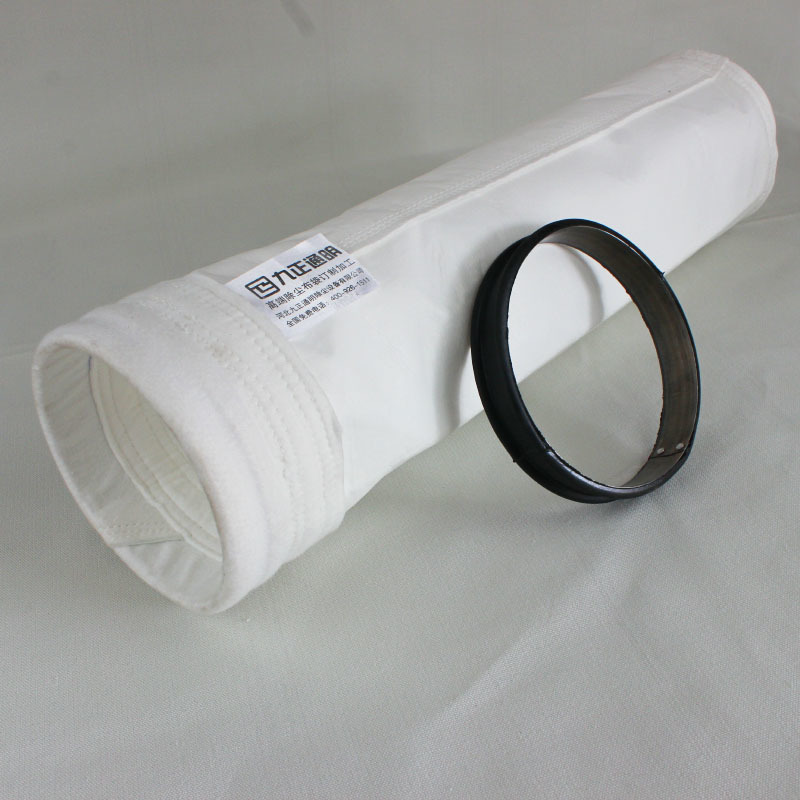
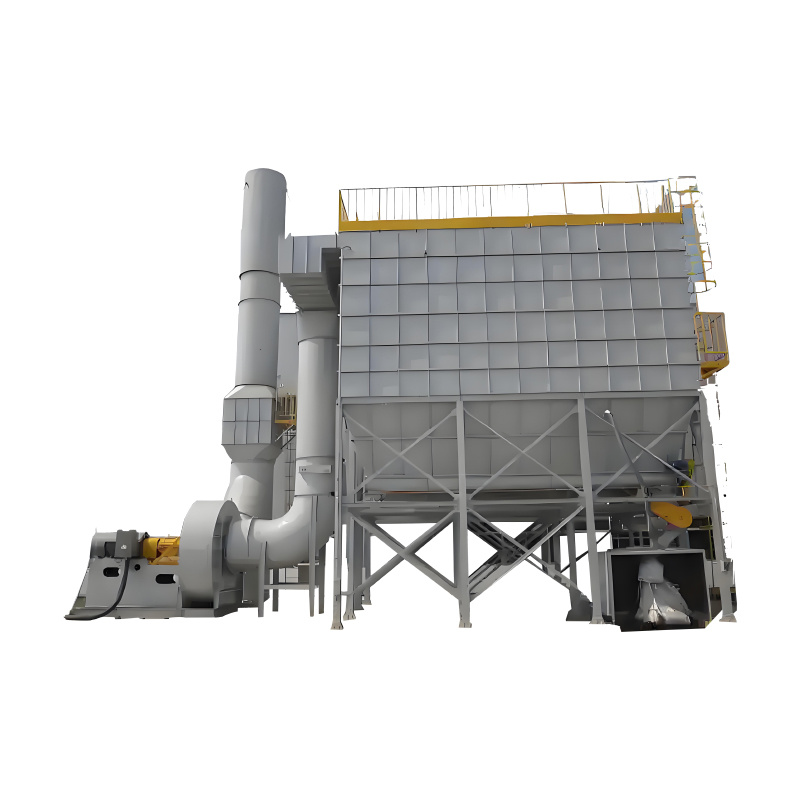
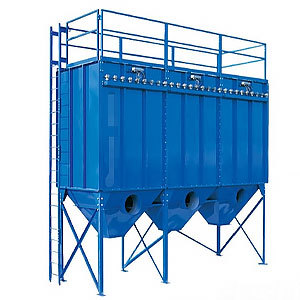
For overseas industrial factories, whether the replacement of bag filter bags is standardized directly affects the dust removal efficiency, equipment life, and environmental compliance. Improper replacement can easily lead to excessive dust leakage and premature damage of new filter bags, which not only increases operation and maintenance costs but may also trigger fines from EU CE, US EPA and other agencies. Mastering the correct replacement points is essential for the equipment to quickly restore stable operation and adapt to the production needs of multiple industries such as chemical, metallurgical, and food.
1、 Before replacement: Make three preparations to avoid safety and compliance risks
1. Safety and working condition preparation: risk control before operation
Power off and gas cut: Turn off the power supply and compressed air valve of the dust collector, release the dust in the ash hopper and empty it. In high temperature conditions, wait for the equipment to cool down to below 50 ℃ to avoid burns; In high humidity conditions, the ash hopper heating device needs to be turned on to prevent the filter bag from getting damp and sticking.
Protective equipment: Operators should wear dust masks, acid and alkali resistant gloves, and non slip shoes. If handling toxic dust, protective clothing should be worn in accordance with OSHA protection standards.
2. Filter bag selection: Accurate matching is the foundation
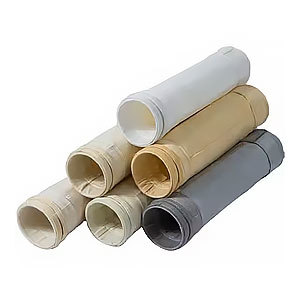
Size adaptation: The diameter and length of the new filter bag should be exactly the same as the original filter bag to avoid the filter bag being too long and causing it to sag and accumulate dust due to being too short. It should be compatible with different models of bag filters.
Material adaptation: Select the corresponding material according to the working conditions, and choose polyester filter bags for room temperature drying scenarios; Choose PPS filter bag for high temperature scenarios; Choose PTFE filter bags for corrosion scenarios, and the filter bags must pass SGS testing to meet compliance requirements such as EU REACH and US FDA, in order to avoid customs clearance or production being affected by non compliant materials.
3. Accessory inspection: Complete in advance without rework
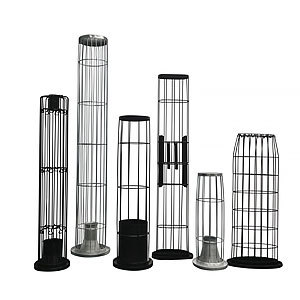
Prepare new sealing gaskets, clamps, and other accessories, and check if there are any deformations or burrs in the slot and support frame of the old filter bag installation position. If there are any, repair or replace the frame first to prevent scratching the new filter bag.
2、 During replacement: Remember 4 key points to ensure installation specifications
1. Retrieve old bags: Handle with care to prevent contamination
When dismantling old filter bags, move slowly to avoid dust scattering and polluting the workshop or inhaling into the body; If the old filter bag adsorbs toxic and harmful dust, it should be placed in a sealed bag and disposed of according to local hazardous waste disposal regulations. It cannot be discarded at will.
2. Put in a new bag: avoid damage and ensure sealing
When unfolding the new filter bag, avoid pulling hard to prevent the stitching from breaking; When bagging, align with the skeleton slot to ensure that the filter bag is tightly attached to the skeleton without wrinkles. If the filter bag is coated with film, pay attention to the orientation of the coating surface to avoid reverse installation and affecting dust removal efficiency.
After installation, gently press the top of the filter bag with your hand to check if the sealing gasket fits seamlessly with the flower board, and then fix it with a clamp to prevent air leakage.
3. Batch replacement: does not affect device restart
If there are a large number of filter bags in the dust collector, it is recommended to replace them in 2-3 batches. After each replacement, the maintenance door should be temporarily closed to avoid the spread of dust in the unrepaired area. After the replacement is completed, the equipment can be quickly restarted to reduce downtime.
3、 After replacement: Conduct 2 checks to ensure stability and compliance with standards
1. Sealing and resistance testing
Before power on trial operation, close all maintenance doors, start the fan, and use a pressure gauge to detect the negative pressure inside the equipment. If the pressure is stable and does not decrease, it indicates good sealing; After running for 10 minutes, observe the resistance gauge. If the resistance remains between 800-1200Pa, replace it with a qualified one.
Use a portable dust detector to detect the concentration at the emission outlet to ensure compliance with local standards.
2. Record retention: in response to compliance audits
Record the replacement date, filter bag model, quantity, and testing data, and save the filter bag material certification file for easy certification during subsequent EU EcoVadis audits and US EPA spot checks to avoid compliance risks.
For overseas factories, standardized replacement of bags is not a "simple consumable replacement", but a "key link to ensure compliance and reduce costs". It can not only avoid equipment failures and fines caused by improper operation, but also extend the life of new filter bags, making bag dust collectors adapt to the "high efficiency+compliance" needs of foreign trade production in the long run.
Hot Tags:


Contact Us
Tel:
WeChat:
WhatsApp:
E-mail:
Address:
338 National Road South, Longfengdian Village, Botou City, Hebei Province, China
JiuznTomine is expertly delivering technically complicated projects in markets & provides custom solutions for their customized need.


CONTACT INFO
Tel: +86 18531710311
WeChat: +86-18531710311
338 National Road South, Longfengdian Village, Botou City, Hebei Province, China