












How to deal with the dust in the dust bag? Compliance and efficient solutions can be found here
Sep 29,2025

If the dust intercepted by the dust removal bag is not handled properly, it will not only cause secondary pollution, but may also face fines from overseas environmental protection departments for illegal disposal, especially for foreign trade factories such as chemical, food, metallurgy, etc. The nature of the dust is different, and the treatment methods vary greatly. Choosing the right dust treatment solution can not only comply with EU REACH, US RCRA and other standards, but also turn waste into treasure to reduce costs and adapt to the overseas production needs of multiple industries.
1、 First classification: Determine treatment direction based on dust properties
Different types of dust have different hazards and values. Classify them before processing to avoid resource waste or compliance risks
1. Recyclable dust: fine flour/milk powder from food factories, solder powder from electronic factories, metal powder from metallurgical factories. These types of dust are harmless and have economic value, and should be prioritized for recycling;
2. Harmful dust: Heavy metal dust in the chemical industry and residual pesticide dust in pharmaceutical factories require harmless treatment and are strictly prohibited from being discarded at will;
3. Ordinary harmless dust: cement dust from building materials factories and sawdust dust from furniture factories, which are harmless but have no recycling value, need to be disposed of in compliance with regulations.
2、 Scenario: 3 efficient processing solutions adapted to overseas working conditions
1. Recyclable dust: Recycling and reusing, reducing costs and environmental protection
For dust with recycling value, combine the "cleaning+collection+reuse" process to achieve resource recycling:
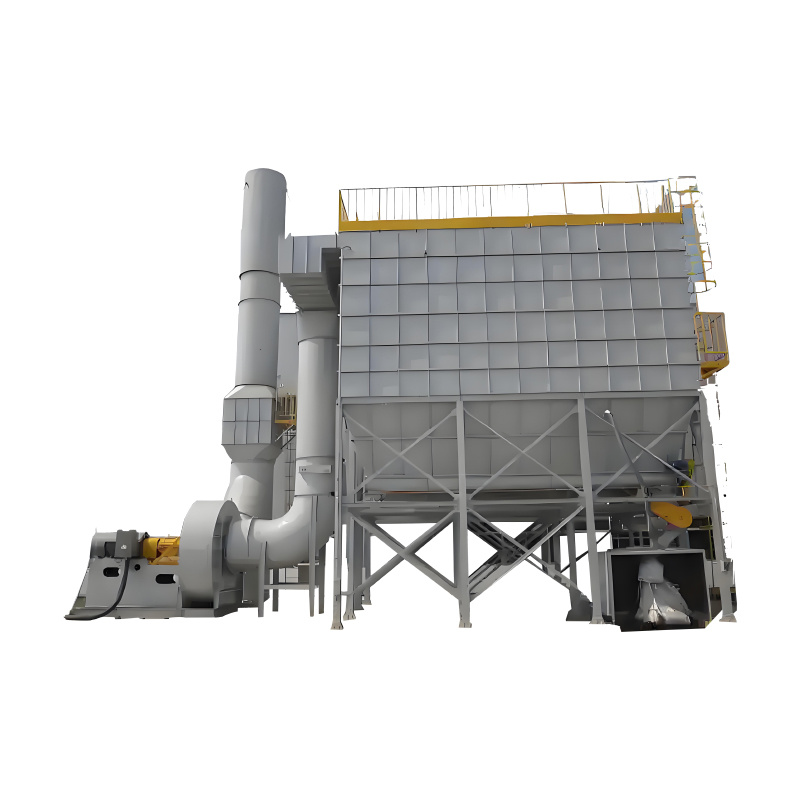
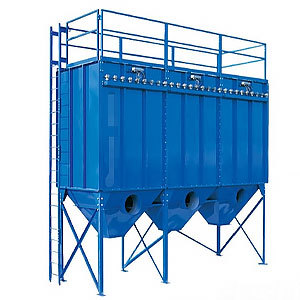
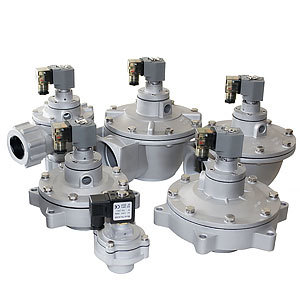
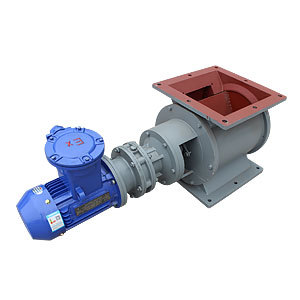
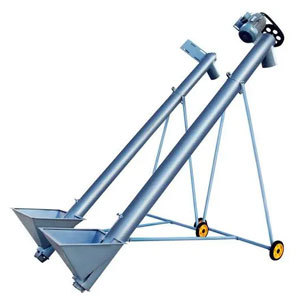
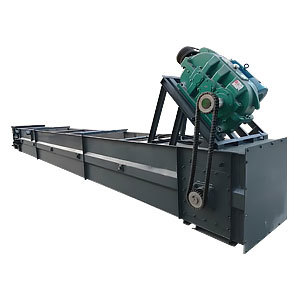
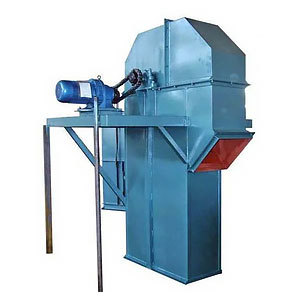
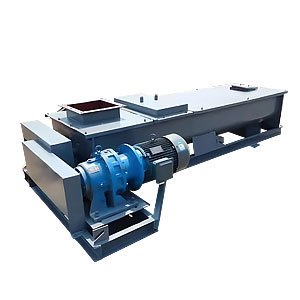
Dust collection: Through a pulse dust cleaning system, the dust on the surface of the dust removal bag is shaken and dropped into a closed ash hopper. The ash hopper is equipped with a screw conveyor or star shaped discharge valve to prevent dust leakage;
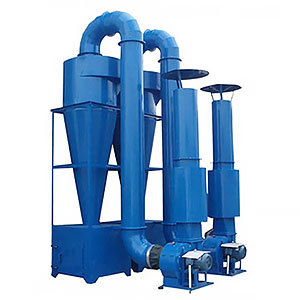
Purification treatment: Food factory dust needs to undergo secondary screening using a cyclone separator to remove impurities before being directly reused, in compliance with the US FDA and EU 10/2011 standards.
2. Harmful dust: Harmless treatment+compliant disposal, risk avoidance
Harmful dust should be treated according to the steps of "reduction → harmlessness → compliant transfer", in line with overseas environmental protection requirements:
Pre processing and volume reduction: Dust is compressed into blocks through a filter press to reduce volume and lower transportation costs;
Harmless treatment: High temperature incineration (for organic harmful dust, exhaust gas treatment device must be equipped, in compliance with EU EN 12952 standard) or chemical stabilization (for heavy metal dust, chelating agents are added to fix harmful substances);
Compliance transfer: Hand over to a qualified local solid waste treatment agency, keep transfer records for future reference, and avoid environmental audit accountability.
3. Ordinary dust: resourceful or compliant landfill, simple and efficient
There are two ways to choose non hazardous dust according to local policies:
Resource utilization: Cement dust from building materials factories can be reused for concrete mixing, and sawdust dust from furniture factories can be used as biomass fuel. Local renewable resource policies need to be confirmed;
Compliant landfill: If it cannot be reused, it must be handed over to a site with industrial solid waste landfill qualifications. Before landfill, anti-seepage treatment must be carried out to avoid soil pollution and comply with overseas site environmental standards.
For overseas factories, the dust treatment of dust removal bags is not a "trivial matter at the end", but a key link in "compliance+cost reduction" - choosing the right solution can not only avoid environmental fines, but also create revenue through dust recycling, and also conform to global environmental trends. Mastering scientific processing methods to transform dust from a "pollutant" into a "usable resource" and assist in the green operation of foreign trade factories.
Hot Tags:


Contact Us
Tel:
WeChat:
WhatsApp:
E-mail:
Address:
338 National Road South, Longfengdian Village, Botou City, Hebei Province, China
JiuznTomine is expertly delivering technically complicated projects in markets & provides custom solutions for their customized need.


CONTACT INFO
Tel: +86 18531710311
WeChat: +86-18531710311
338 National Road South, Longfengdian Village, Botou City, Hebei Province, China