

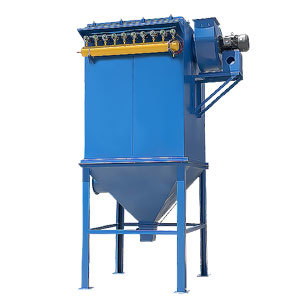
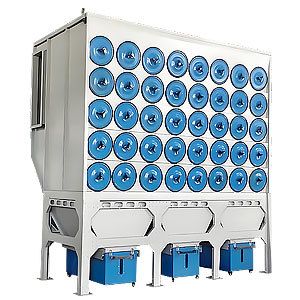
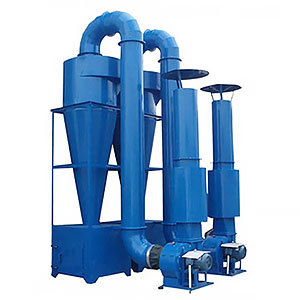

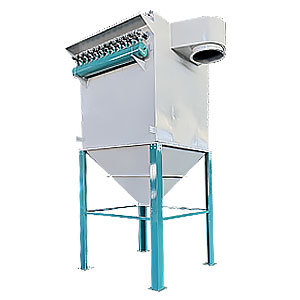










Why do bag filters need to be cleaned regularly? The correct steps can be found here
Sep 27,2025

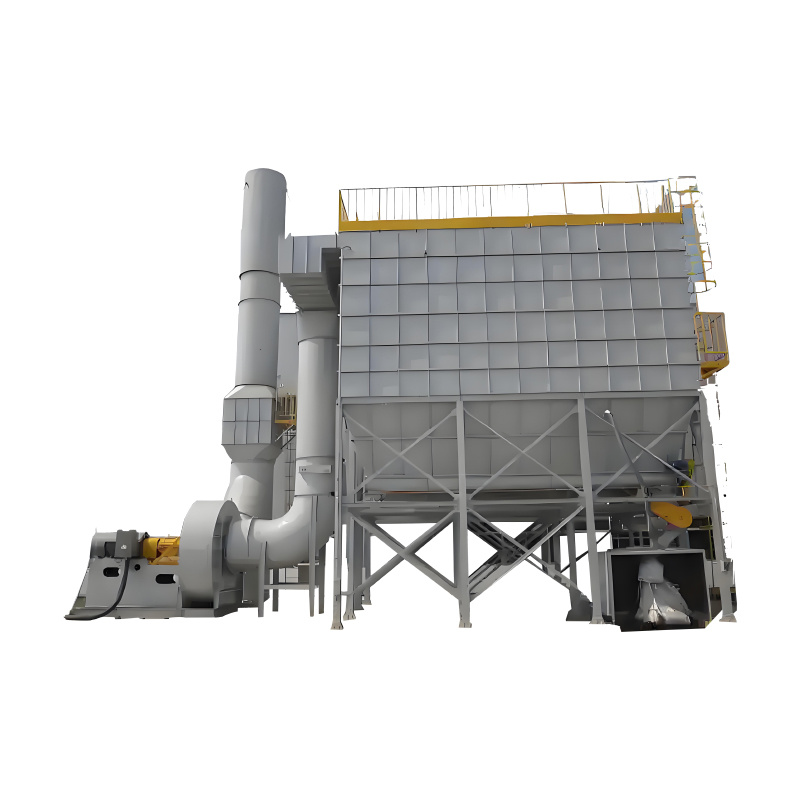
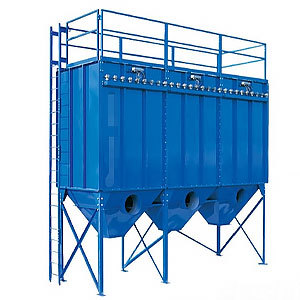
For overseas industrial factories, bag filters are the "core equipment" for dust control, but if regular cleaning is ignored, it will not only trigger environmental fines, but also increase operation and maintenance costs. Understanding "why to clean" and "how to clean correctly" is necessary to ensure that the equipment meets long-term stable standards and adapts to the foreign trade production needs of various industries such as chemical, metallurgical, and building materials.
1、 Regular cleaning: maintaining the "dual bottom line" of compliance and cost reduction
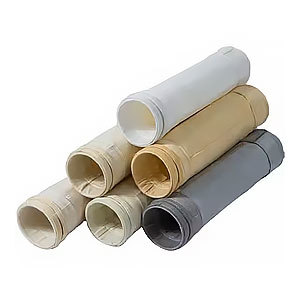
The filter bag of the bag filter will absorb dust as it is used. If not cleaned in time, it can cause three major problems, directly affecting the operation of overseas factories:
1. Avoid excessive emissions and mitigate compliance risks
After dust clogs the filter bag, the dust removal efficiency drops sharply from 98% to below 80%, and the emission concentration easily exceeds standards such as EU EN 13285 (≤ 10mg/m ³) and US EPA Title V (≤ 5mg/m ³).
2. Reduce energy consumption and minimize electricity costs
Blockage of filter bags can cause equipment resistance to rise from 800Pa to over 1500Pa, causing the fan to operate at overload and resulting in a 25% -30% increase in electricity costs compared to the same period last year.
3. Extend the lifespan of filter bags and reduce replacement costs
Long term adhesion of dust to filter bags can accelerate their aging and damage, reducing the replacement cycle from 12 months to 6 months.
2、 3 steps for proper cleaning: safe and efficient, suitable for multiple working conditions
Considering the convenience of operation for the overseas factory technical team, the cleaning steps have been simplified as "safety preparation → cleaning operation → inspection and testing", which can be completed in 1-2 hours:
1. Safety preparation: Avoiding risks is a prerequisite
Power outage and gas interruption: Turn off the power supply and compressed air valve of the dust collector to release internal pressure and prevent electric shock or air splashing during cleaning;
Protective equipment: Operators should wear dust masks, acid and alkali resistant gloves, and anti slip shoes in high humidity areas;
Adaptation to working conditions: For high temperature working conditions, wait for the equipment to cool down to below 50 ℃. For high humidity working conditions, turn on the ash hopper heating device in advance to avoid dust agglomeration.
2. Cleaning operation: Choose the right method for each scene
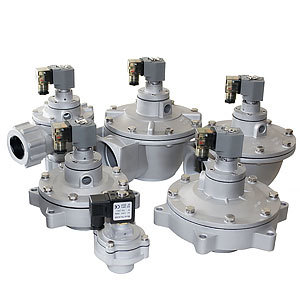
Conventional dust cleaning (most scenarios): Start the pulse dust cleaning system that comes with the device, set it to "strong cleaning mode", and spray at the rhythm of "1 set of filter bags/30 seconds" to make the dust on the surface of the filter bags fall off to the ash hopper. Finally, open the ash hopper unloading valve to empty the dust;
Deep cleaning (when blockage is severe): If pulse cleaning is ineffective, the filter bag needs to be manually removed and blown outward with compressed air from the inside of the filter bag, or rinsed with clean water, dried, and then reinstalled.
3. Inspection and testing: Ensure effective cleaning
Resistance detection: After cleaning, power on for trial operation, observe the pressure gauge, and if the resistance drops to 800-1200Pa, it is normal;
Compliance verification: Use a portable dust detector to measure the concentration at the emission outlet to ensure compliance with local standards;
Filter bag inspection: Check if the filter bag is damaged or if the stitching has fallen off. If so, replace it promptly to avoid dust leakage.
3、 Foreign trade adaptation: easier to meet global needs after cleaning
For different working conditions in overseas regions, two points should be noted after cleaning to ensure that the equipment is suitable for local operation:
1. Compliance records: Save resistance data and emission testing reports after cleaning, which can respond to EU EcoVadis audits and periodic inspections by the US EPA;
2. Regional adaptation: After cleaning in high humidity areas of Southeast Asia, a hydrophobic coating should be applied on the outside of the filter bag; The sealing components of the dust cleaning system need to be inspected in the high-temperature areas of the Middle East.
For overseas factories, regular cleaning of bag filters is not an "extra job", but a "necessary operation to save money and ensure compliance" - it not only avoids fines, but also extends the life of filter bags by 50% and saves electricity costs by 25%. Only by mastering the correct cleaning methods can the equipment be adapted to the "efficient+compliant" requirements of foreign trade production in the long term.
Hot Tags:
PREVIOUS:


Contact Us
Tel:
WeChat:
WhatsApp:
E-mail:
Address:
338 National Road South, Longfengdian Village, Botou City, Hebei Province, China
JiuznTomine is expertly delivering technically complicated projects in markets & provides custom solutions for their customized need.


CONTACT INFO
Tel: +86 18531710311
WeChat: +86-18531710311
338 National Road South, Longfengdian Village, Botou City, Hebei Province, China