











Industrial dust removal equipment selection: Select according to dust characteristics, without wasting money
Sep 30,2025

Overseas industrial factories often fall into the misconception of "following the trend and buying expensive" and "choosing based on experience" when selecting dust removal equipment - they buy expensive filter cartridges for coarse dust, and ordinary bag type equipment for high humidity dust, resulting in either difficult compliance or frequent maintenance and wasted money. In fact, as long as the four characteristics of dust particle size, humidity, temperature, and corrosiveness are accurately selected, it can not only meet the standards of EU CE, US EPA, etc., but also save more than 30% of operation and maintenance costs, and adapt to the needs of multiple industries such as chemical, metallurgical, and food.
1、 First, let's take a look at the particle size of the dust: selecting the right equipment ensures efficiency without waste
The particle size of dust directly determines the core selection direction of dust removal equipment. Choosing a smaller particle size cannot capture it, while choosing a larger particle size may result in excess functionality
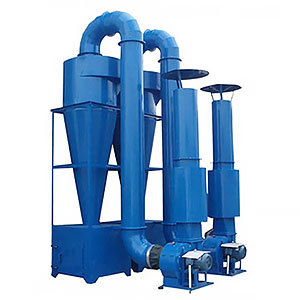
Coarse dust (particle size>10 μ m): such as mining crushed stone powder and building materials cement slag, cyclone dust collectors are preferred. Separation of coarse dust by centrifugal force, no need for filter materials, low equipment cost, and regular dust cleaning for operation and maintenance, suitable for the low-cost needs of mines in the Middle East and Africa;
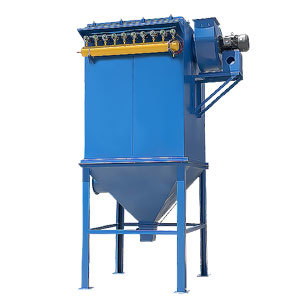
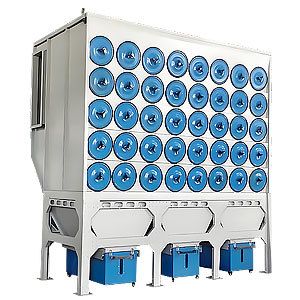
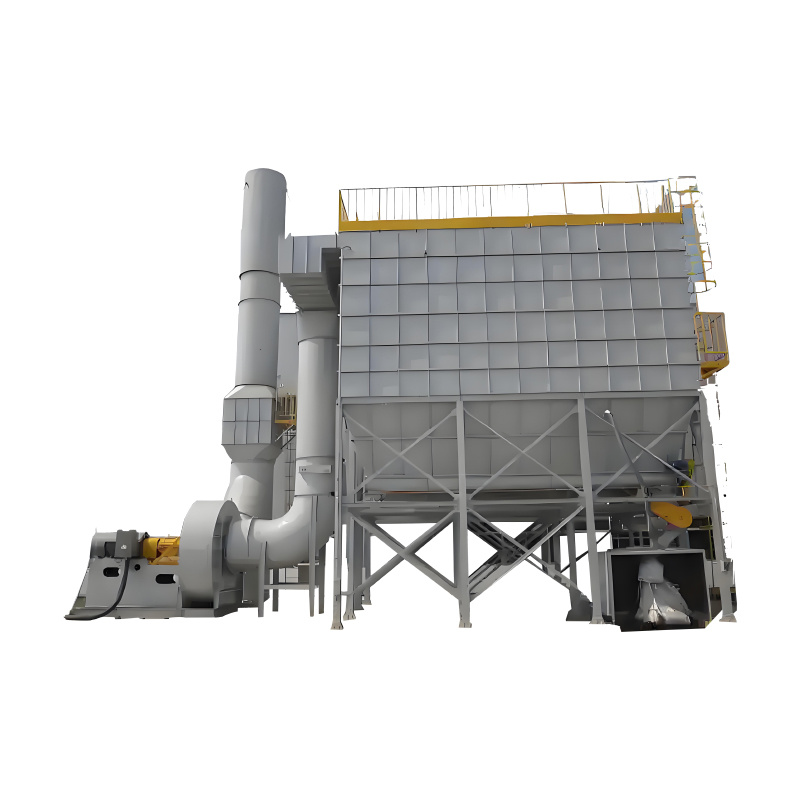
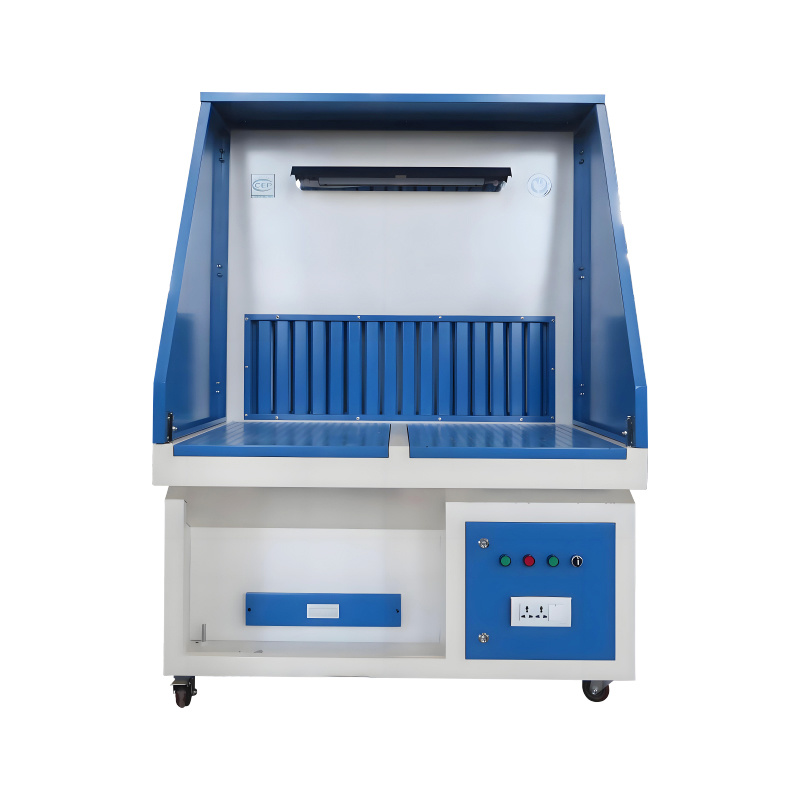
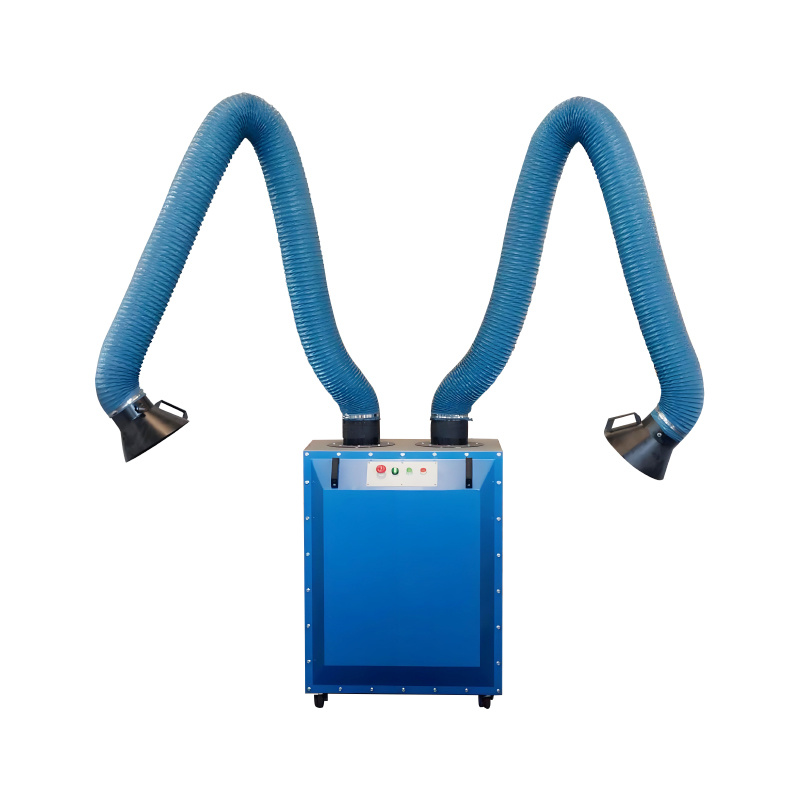
Medium fine dust (0.5-10 μ m): such as electronic factory welding fumes and furniture factory sawdust, using a filter cartridge dust collector. The membrane filter material has a capture rate of 99.9%, fine powder does not clog, and the cleaning cycle is long, which is suitable for the high-precision dust removal needs of European and American electronic factories;
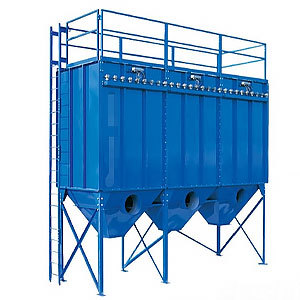
Sub micron dust (<0.5 μ m): such as pharmaceutical powder and food mill flour, choose a bag filter (PTFE coated filter bag) or electrostatic precipitator. The former relies on filter materials for interception, while the latter relies on electric field adsorption, both of which can meet the low emission requirements of FDA food grade and GMP pharmaceutical grade.
2、 Looking at dust humidity again: anti blocking and anti-corrosion, equipment life is not short
High humidity dust (humidity>60%) is prone to adhere to the inner walls of equipment, causing blockage or corrosion. When selecting, targeted protection must be taken:
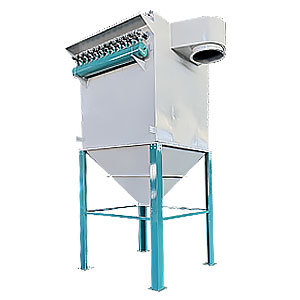
Medium to low humidity dust (humidity<40%): such as dry mineral powder from metallurgical plants and particulate dust from plastic plants, ordinary bag filters are sufficient;
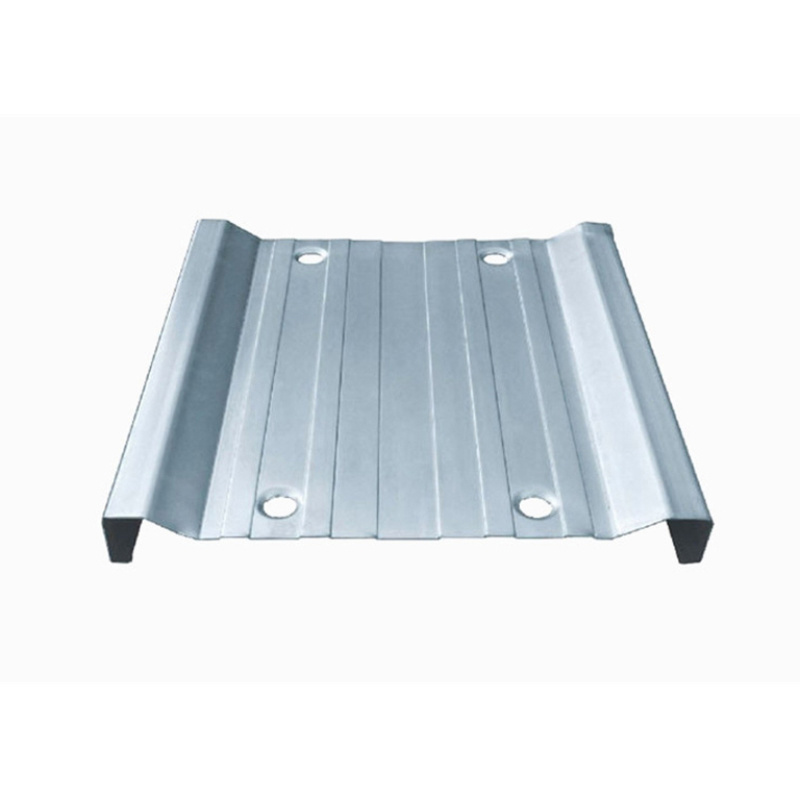
High humidity dust: such as rubber powder from Southeast Asian rubber factories and paper dust from Nordic paper mills, plastic fired board dust collectors or high humidity resistant electrostatic dust collectors are preferred. The plastic fired board is hydrophobic and non stick to dust, and the electrostatic precipitator is equipped with heat tracing to prevent condensation and prevent equipment from being scrapped due to blockage within 3-6 months.
3、 Pay attention to dust temperature: if the temperature resistance does not meet the standard, the equipment is prone to failure
If high-temperature dust is treated with room temperature equipment, the filter material will melt and the shell will deform easily. Therefore, it is necessary to choose a temperature resistant type according to the temperature:
Room temperature dust (<80 ℃): such as sugar powder from food factories and plastic dust from electronics factories, using ordinary filter cartridges/bag filters is cost-effective and easy to maintain;
Medium temperature dust (80-200 ℃): such as chemical reaction kettle dust, fiber dust from printing and dyeing factories, choose high-temperature bag filter, temperature resistant and stable, suitable for chemical workshops in India and Southeast Asia;
High temperature dust (>200 ℃): such as blast furnace flue gas from steel plants and fly ash from power plants, choose electrostatic precipitators or ceramic tube cyclone dust collectors. The former can withstand high temperatures of 300 ℃, while the latter relies on ceramic lining to resist thermal shock, which meets the continuous production needs of European and American steel plants.
4、 Finally, corrosion resistance: rust prevention, equipment lifespan extended by 3 times
The key to selecting corrosive dust containing acid and alkali lies in "material protection":
Mild corrosion: For acidic fruit juice powder in food factories, choose a 304 stainless steel filter cartridge dust collector. The shell is resistant to weak acids and meets FDA standards;
Moderate corrosion: such as chloride dust in electroplating plants, choose 316L stainless steel bag filter. The filter bag is made of PTFE material, and the shell is coated with anti-corrosion coating, which is resistant to pH 2-12 acidic and alkaline environments;
Severe corrosion: such as fluoride dust in chemical factories, choose perfluoroplastic (F46) electrostatic precipitator. The electrodes and casing are made of corrosion-resistant materials with a lifespan of 5-8 years, avoiding the waste of annual equipment replacement.
Summary: Selecting based on characteristics is the key to "saving money+meeting standards"
For overseas factories, dust removal equipment is not "the more expensive, the better", but "the more suitable, the better" - cyclone for coarse dust, filter cartridge for fine dust, plastic fired plate for high humidity, and stainless steel for corrosion. Accurately selecting based on dust characteristics can not only avoid the waste of "buying the wrong equipment and replacing it", but also extend the lifespan of the equipment by three times and greatly reduce operation and maintenance costs. By mastering this selection method, one can easily meet global environmental compliance requirements without wasting money.
Hot Tags:


Contact Us
Tel:
WeChat:
WhatsApp:
E-mail:
Address:
338 National Road South, Longfengdian Village, Botou City, Hebei Province, China
JiuznTomine is expertly delivering technically complicated projects in markets & provides custom solutions for their customized need.


CONTACT INFO
Tel: +86 18531710311
WeChat: +86-18531710311
338 National Road South, Longfengdian Village, Botou City, Hebei Province, China