











Understanding ESP Discharge Electrodes: Key Components for Effective Air Pollution Control
Nov 12,2025
Electrostatic precipitators (ESPs) are vital components in industrial air purification systems, designed to remove particulate pollutants from gas streams. A key element of these systems is the ESP discharge electrode, which plays a crucial role in the dust collection process. Understanding the functionality and maintenance of these electrodes can greatly enhance the efficiency of your air polluti

Electrostatic precipitators (ESPs) are vital components in industrial air purification systems, designed to remove particulate pollutants from gas streams. A key element of these systems is the ESP discharge electrode, which plays a crucial role in the dust collection process. Understanding the functionality and maintenance of these electrodes can greatly enhance the efficiency of your air pollution control systems.
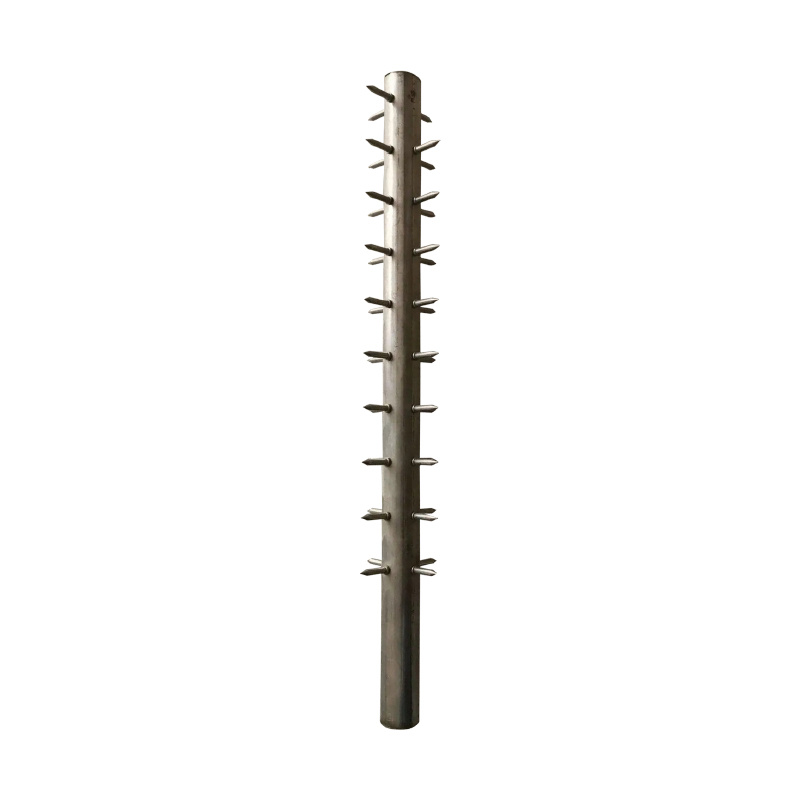
ESP discharge electrodes serve as the charged surfaces that emit ions into the gas stream. This ionization process creates an electric field that polarizes incoming dust particles, allowing them to be attracted to oppositely charged collection plates within the ESP. The effectiveness of this process is heavily influenced by the condition and design of the discharge electrodes.
One critical aspect to consider is the material composition of discharge electrodes. They are typically made from high-quality materials that can withstand the harsh operating conditions found in industrial environments, including high temperatures and corrosive substances. Regular inspection and maintenance of the electrodes are essential to ensure they function correctly. Accumulation of dust and other contaminants can lead to degradation, reducing their efficiency and the overall performance of the ESP.
Furthermore, the configuration of the discharge electrodes can impact the ionization process. The spacing and arrangement need to be optimized to maximize ion flow and dust particle attraction. Professionals often use computational fluid dynamics (CFD) simulations to analyze and improve the geometry of the electrode arrangement, ensuring optimal performance.
Maintenance is another vital factor in ensuring the efficiency of ESP discharge electrodes. Regular cleaning is recommended to remove accumulated dust and prevent short-circuiting, which can occur when particles build up on the electrodes. This maintenance not only prolongs the life of the electrodes but also enhances the overall efficiency of the dust collection system.
In addition to maintenance, monitoring the performance of ESP discharge electrodes through appropriate diagnostic tools is crucial. These tools can help identify any malfunctions or inefficiencies in the system, allowing for timely repairs and adjustments.
In conclusion, ESP discharge electrodes are integral to the effectiveness of air pollution control systems in industrial settings. By ensuring their proper maintenance, understanding their design implications, and utilizing advanced diagnostics, businesses can significantly enhance their dust collection capabilities, leading to improved air quality and compliance with environmental regulations. Investing time and resources into optimizing these components can yield substantial benefits in operational efficiency and environmental responsibility.
ESP discharge electrodes serve as the charged surfaces that emit ions into the gas stream. This ionization process creates an electric field that polarizes incoming dust particles, allowing them to be attracted to oppositely charged collection plates within the ESP. The effectiveness of this process is heavily influenced by the condition and design of the discharge electrodes.
One critical aspect to consider is the material composition of discharge electrodes. They are typically made from high-quality materials that can withstand the harsh operating conditions found in industrial environments, including high temperatures and corrosive substances. Regular inspection and maintenance of the electrodes are essential to ensure they function correctly. Accumulation of dust and other contaminants can lead to degradation, reducing their efficiency and the overall performance of the ESP.
Furthermore, the configuration of the discharge electrodes can impact the ionization process. The spacing and arrangement need to be optimized to maximize ion flow and dust particle attraction. Professionals often use computational fluid dynamics (CFD) simulations to analyze and improve the geometry of the electrode arrangement, ensuring optimal performance.
Maintenance is another vital factor in ensuring the efficiency of ESP discharge electrodes. Regular cleaning is recommended to remove accumulated dust and prevent short-circuiting, which can occur when particles build up on the electrodes. This maintenance not only prolongs the life of the electrodes but also enhances the overall efficiency of the dust collection system.
In addition to maintenance, monitoring the performance of ESP discharge electrodes through appropriate diagnostic tools is crucial. These tools can help identify any malfunctions or inefficiencies in the system, allowing for timely repairs and adjustments.
In conclusion, ESP discharge electrodes are integral to the effectiveness of air pollution control systems in industrial settings. By ensuring their proper maintenance, understanding their design implications, and utilizing advanced diagnostics, businesses can significantly enhance their dust collection capabilities, leading to improved air quality and compliance with environmental regulations. Investing time and resources into optimizing these components can yield substantial benefits in operational efficiency and environmental responsibility.
Hot Tags:


Contact Us
Tel:
WeChat:
WhatsApp:
E-mail:
Address:
338 National Road South, Longfengdian Village, Botou City, Hebei Province, China
JiuznTomine is expertly delivering technically complicated projects in markets & provides custom solutions for their customized need.


CONTACT INFO
Tel: +86 18531710311
WeChat: +86-18531710311
338 National Road South, Longfengdian Village, Botou City, Hebei Province, China