











Why Your Air Pollution Control System Needs an ESP Collecting Plate: A Comprehensive Guide
Nov 10,2025
Why Your Air Pollution Control System Needs an ESP Collecting Plate
Air pollution control is no longer just a regulatory requirement; it is a responsibility that industries must prioritize. In this guide, we will explore why your air pollution control system needs an Electrostatic Precipitator (ESP) collecting plate and how it contributes to reducing airborne pollutants effectively.
Understanding
Why Your Air Pollution Control System Needs an ESP Collecting Plate
Air pollution control is no longer just a regulatory requirement; it is a responsibility that industries must prioritize. In this guide, we will explore why your air pollution control system needs an Electrostatic Precipitator (ESP) collecting plate and how it contributes to reducing airborne pollutants effectively.
Understanding Electrostatic Precipitators (ESPs)
Electrostatic Precipitators are advanced devices designed to remove particulate matter from exhaust gases. They utilize electrical forces to attract and capture dust particles, smoke, and other pollutants, ensuring cleaner emissions. The heart of this mechanism lies in the collecting plates.
What Are ESP Collecting Plates?
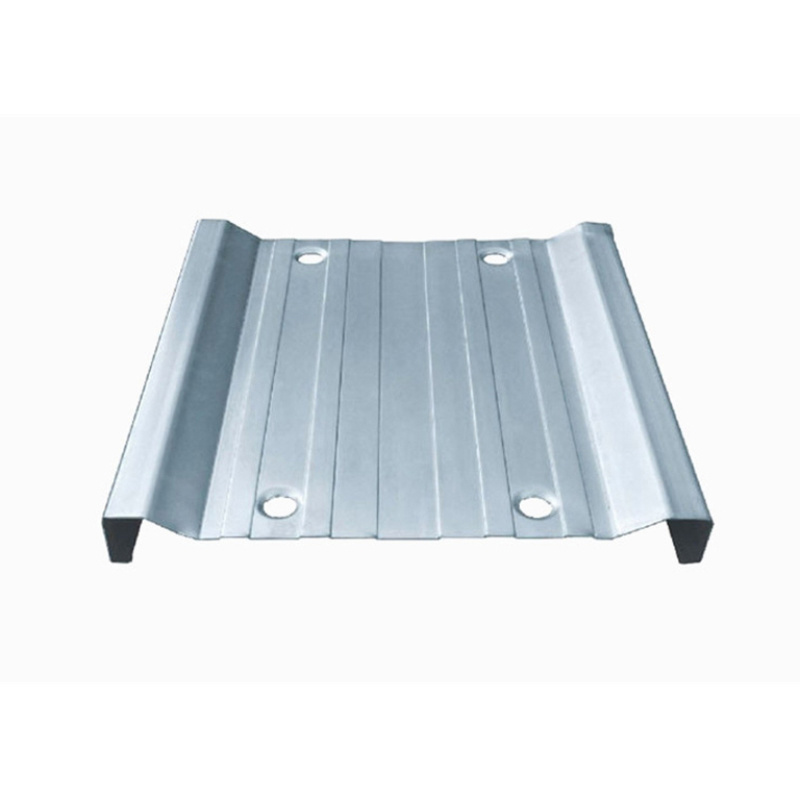
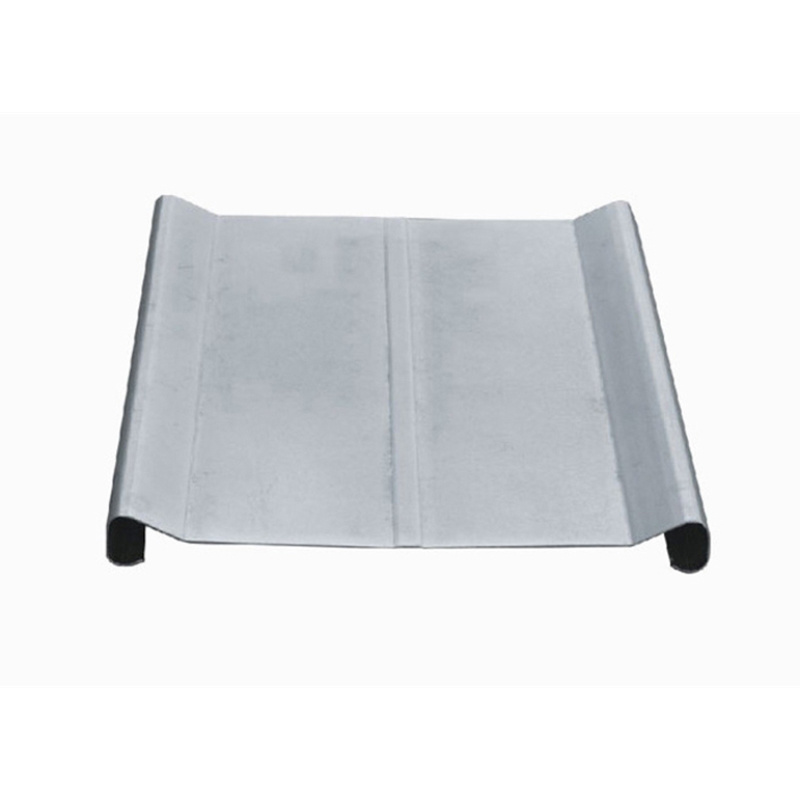
ESP collecting plates are critical components of an electrostatic precipitator. These plates have a high surface area and are designed to maximize the collection efficiency of airborne particles. By providing an electrically charged surface, they attract and hold particulate matter, facilitating its removal from the gas stream.
How ESP Collecting Plates Function
The operation of ESP collecting plates can be broken down into several key steps:
1. **Ionization:** The gas stream passes through an ionization chamber where electrodes create an electric field that charges the particles in the gas.
2. **Collection:** Charged particles migrate towards the collecting plates due to the electric field, adhering to the plates' surface.
3. **Removal:** Once accumulated, the collected particulate matter can be removed periodically through mechanical or manual cleaning methods.
The Importance of ESP Collecting Plates in Pollution Control
Integrating ESP collecting plates in your air pollution control system offers numerous advantages.
1. Enhanced Particulate Matter Removal
The primary benefit of ESP collecting plates is their ability to capture a high percentage of particulate matter from industrial emissions. By maintaining a high collection efficiency, these plates help industries comply with stringent air quality regulations.
2. Improved Operational Efficiency
When your ESP collecting plates are functioning optimally, the entire air pollution control system operates more efficiently. Lower pressure drops across the ESP lead to reduced energy consumption and lower operational costs, which is essential for long-term sustainability.
3. Reduced Environmental Impact
Using ESP collecting plates significantly decreases the amount of harmful pollutants released into the atmosphere. This contribution is vital not only for regulatory compliance but also for demonstrating corporate responsibility towards environmental stewardship.
Factors to Consider When Selecting ESP Collecting Plates
Choosing the right ESP collecting plates requires a thorough understanding of several factors that can impact their performance.
1. Material Composition
ESP collecting plates can be made from various materials, including stainless steel, aluminum, and specialized coatings. Selecting the appropriate material based on your specific application is crucial for durability and effectiveness.
2. Plate Design
The design of the collecting plates can significantly influence their collection efficiency. Features such as plate spacing, surface area, and coating can enhance particle adherence and facilitate easier cleaning.
3. Maintenance Needs
Maintenance is an essential aspect of ensuring the longevity of ESP collecting plates. Understanding the frequency and methods required for cleaning can help you select plates that align with your operational capabilities.
Maintenance Tips for ESP Collecting Plates
Proper maintenance of ESP collecting plates is vital for optimal performance. Here are some essential maintenance tips:
1. Regular Inspections
Frequent inspections are essential to identify any wear and tear on the collecting plates. Look for signs of corrosion, buildup of particulate matter, or damage that could impede performance.
2. Cleaning Procedures
Establishing a cleaning schedule helps maintain the efficiency of the collecting plates. Depending on the operational environment, cleaning may be required weekly, monthly, or quarterly. Use appropriate cleaning methods to avoid damaging the plates.
3. Monitoring Performance
Implement monitoring systems to track the performance of your ESP collecting plates. Data on collection efficiency, pressure drop, and energy consumption can provide critical insights for timely interventions.
Common Issues with ESP Collecting Plates
Despite their effectiveness, ESP collecting plates can encounter several problems over time.
1. Buildup of Particulate Matter
Excessive buildup can lead to reduced efficiency and increased pressure drops. Regular cleaning is essential to prevent this issue.
2. Corrosion and Wear
Depending on the gas composition and operating conditions, collecting plates may suffer from corrosion. Selecting the right material can mitigate this issue.
3. Electrical Failures
Issues with electrical components can affect the charging efficiency of the plates. Regular maintenance and inspections can help identify and rectify these problems before they escalate.
Cost-Benefit Analysis of ESP Collecting Plates
Investing in high-quality ESP collecting plates provides long-term financial benefits that often outweigh initial costs.
1. Lower Operational Costs
With improved collection efficiency, industries can experience significant savings in energy consumption and waste disposal costs.
2. Compliance Fines Avoidance
By maintaining compliance with air quality regulations, companies can avoid hefty fines and legal repercussions associated with non-compliance.
3. Enhanced Brand Reputation
Investing in effective air pollution control systems enhances a company's reputation as an environmentally responsible entity, attracting customers who prioritize sustainability.
Future Trends in ESP Collecting Plate Technology
As industries evolve, so does the technology surrounding ESP collecting plates.
1. Advanced Coatings
Developments in coating technologies promise to enhance the performance and durability of collecting plates, leading to longer service life and lower maintenance needs.
2. Smart Monitoring Systems
The integration of IoT technologies into ESP systems enables real-time monitoring and data analytics. This advancement allows for proactive maintenance and optimization, enhancing overall efficiency.
3. Environmental Policies and Regulations
As global awareness of environmental issues grows, stricter air quality regulations will drive advancements in ESP technology, pushing industries to adopt more effective pollution control measures.
FAQs about ESP Collecting Plates
1. What is the primary function of an ESP collecting plate?
The primary function of an ESP collecting plate is to capture charged particulate matter from the gas stream, thereby reducing emissions and improving air quality.
2. How often should ESP collecting plates be cleaned?
The cleaning frequency depends on your specific operations but generally ranges from weekly to quarterly, based on the amount of particulate matter generated.
3. What materials are ESP collecting plates made from?
Common materials include stainless steel, aluminum, and specialized coatings designed to enhance durability and performance.
4. Can I retrofit my existing air pollution control system with ESP collecting plates?
Yes, retrofitting with ESP collecting plates can improve your system's efficiency and compliance with air quality regulations.
5. What are the signs that my ESP collecting plates need replacement?
Indications include severe corrosion, diminished collection efficiency, and excessive buildup of particulate matter that cannot be cleaned effectively.
Conclusion
Incorporating ESP collecting plates into your air pollution control system is not just a technical requirement; it is a commitment to environmental stewardship and operational efficiency. By understanding the importance, functionality, and maintenance of these plates, you can significantly improve air quality while ensuring compliance with relevant regulations. In a world increasingly focused on sustainability, investing in high-quality ESP collecting plates is a strategic move that benefits both your organization and the planet.
Hot Tags:
PREVIOUS:


Contact Us
Tel:
WeChat:
WhatsApp:
E-mail:
Address:
338 National Road South, Longfengdian Village, Botou City, Hebei Province, China
JiuznTomine is expertly delivering technically complicated projects in markets & provides custom solutions for their customized need.


CONTACT INFO
Tel: +86 18531710311
WeChat: +86-18531710311
338 National Road South, Longfengdian Village, Botou City, Hebei Province, China