













Understanding Baghouse Dust Collectors: Essential Insights for Industrial Professionals
Nov 08,2025
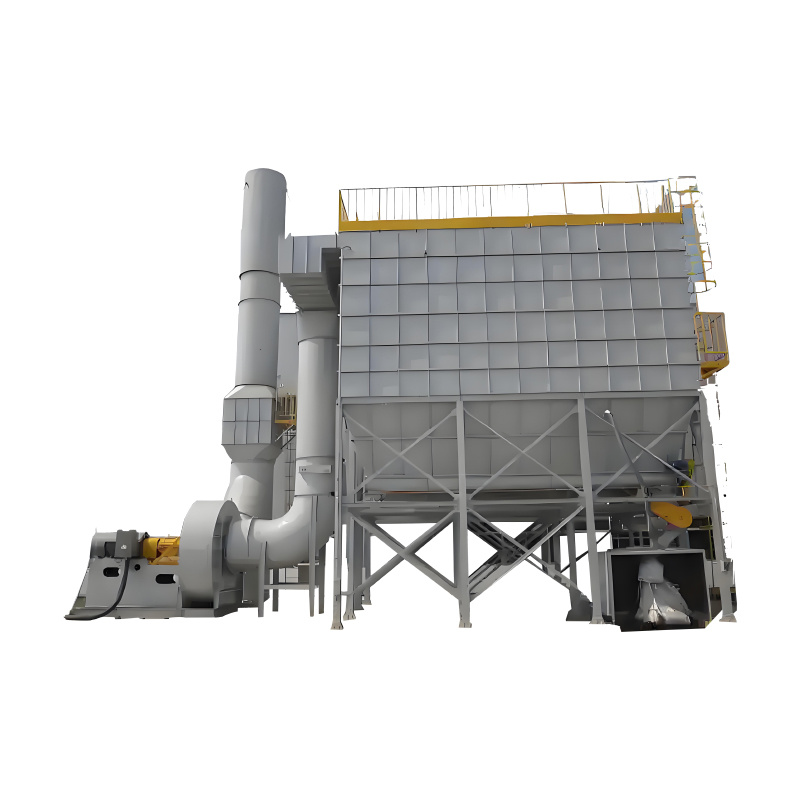
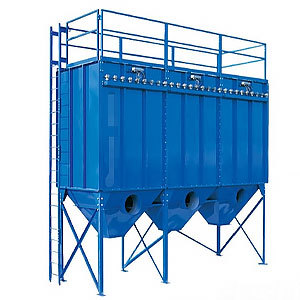
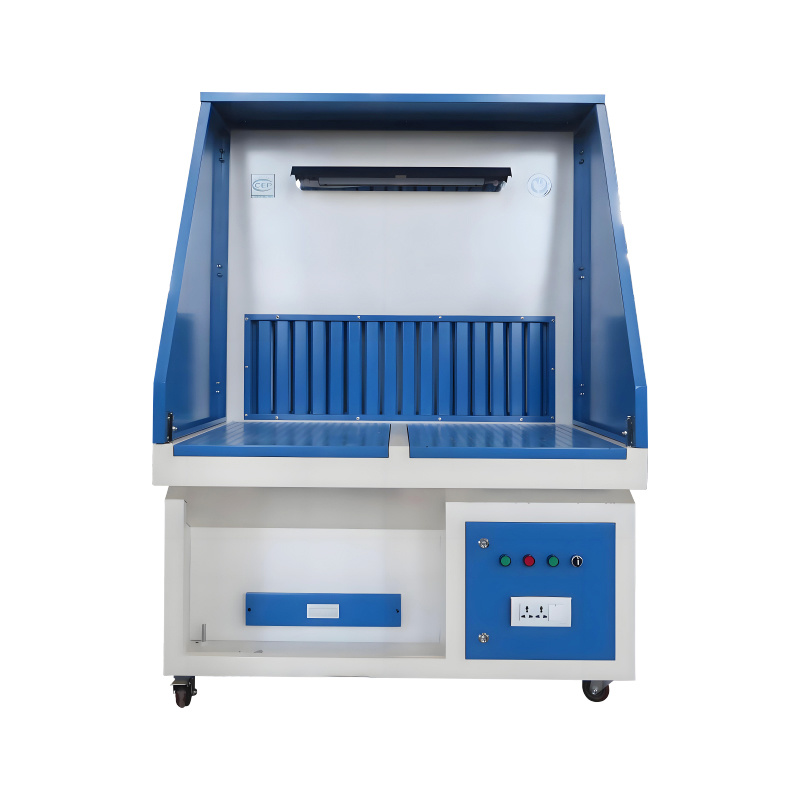
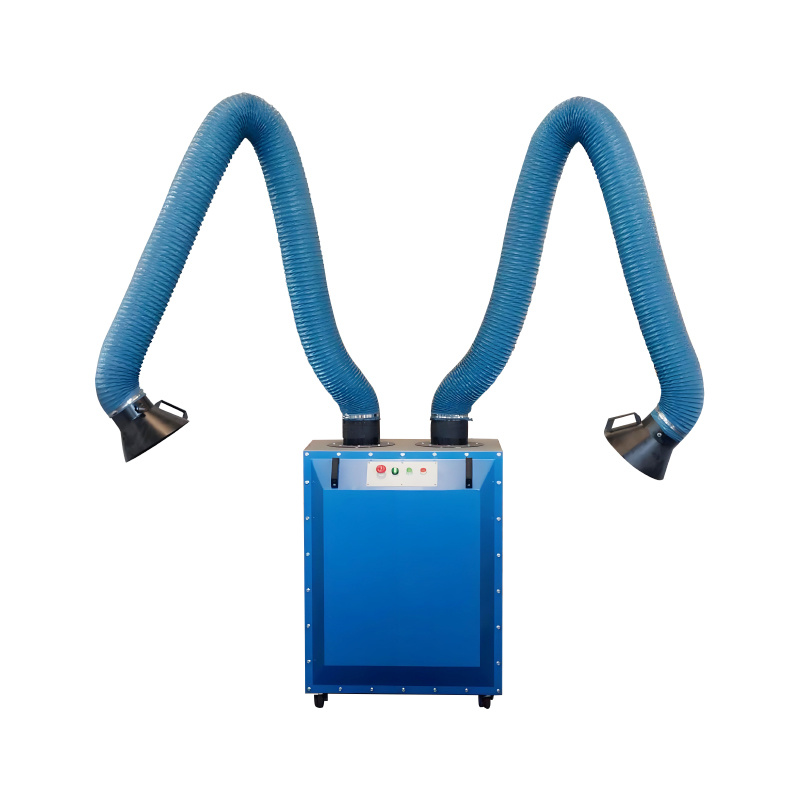
Baghouse Dust Collectors are essential components in industrial air purification systems, designed to capture and filter particulate matter from the air in various manufacturing and processing environments. Understanding their functionality and advantages is crucial for professionals looking to maintain compliance with environmental regulations and improve workplace safety.
At their core, a Baghou
Baghouse Dust Collectors are essential components in industrial air purification systems, designed to capture and filter particulate matter from the air in various manufacturing and processing environments. Understanding their functionality and advantages is crucial for professionals looking to maintain compliance with environmental regulations and improve workplace safety.
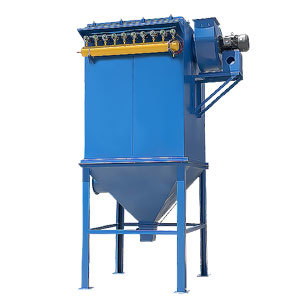
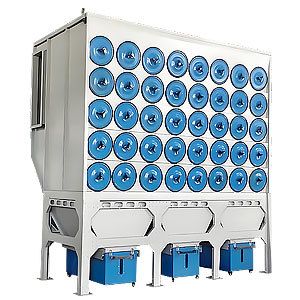
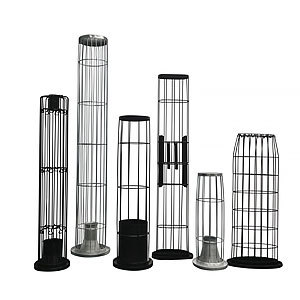
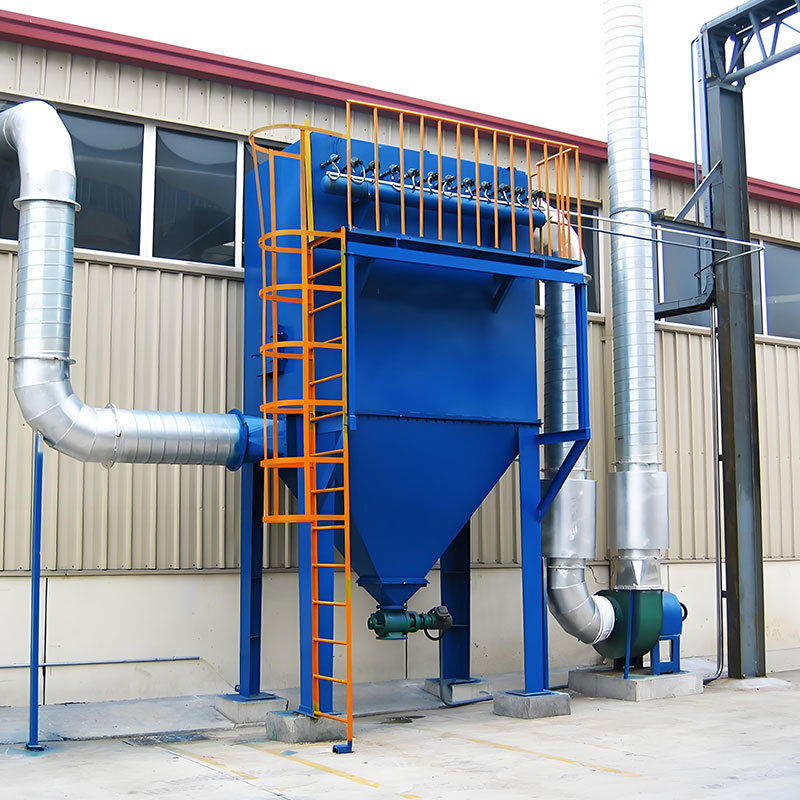
At their core, a Baghouse Dust Collector operates by drawing contaminated air through a series of filter bags. These bags are made from specialized materials that trap dust and other particulates while allowing clean air to pass through. The collected dust is then periodically removed from the bags, often through mechanical shaking or reverse air flow, ensuring consistent performance and minimal maintenance.
One of the primary advantages of Baghouse Dust Collectors is their efficiency in removing fine particles, which can be critical in industries such as pharmaceuticals, food processing, and metalworking. By effectively reducing airborne contaminants, these systems help to create a safer work environment, enhancing employee health and productivity. Furthermore, stringent air quality regulations necessitate the use of effective dust collection systems, making Baghouse collectors an indispensable asset for compliance.
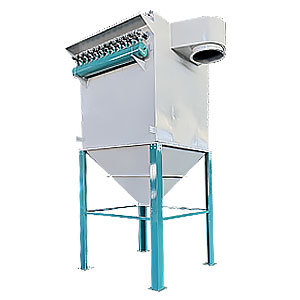
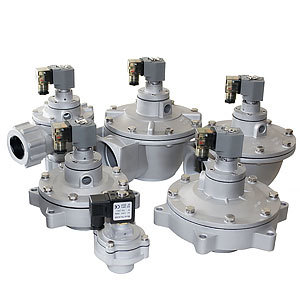
In terms of design, Baghouse Dust Collectors come in various configurations, including pulse-jet and shaker designs, each tailored to different operational needs. Pulse-jet systems are particularly effective for high dust loading applications, as they utilize bursts of compressed air to clean the filter bags, while shaker systems rely on mechanical action to dislodge dust. Understanding the specific requirements of your operation is key to selecting the right type of Baghouse Dust Collector.
When implementing a Baghouse Dust Collector, professionals should consider factors such as airflow rates, dust characteristics, and the physical space available for installation. Regular maintenance is also critical; scheduled inspections and cleaning of filter bags can prevent issues that lead to reduced efficiency or system downtime. Investing in high-quality filters and monitoring the collector’s performance can further enhance reliability and longevity.
In summary, Baghouse Dust Collectors play a pivotal role in industrial air quality management. Their efficient filtration capabilities not only help businesses comply with environmental regulations but also contribute to a healthier workplace for employees. By understanding the mechanisms, benefits, and maintenance practices associated with Baghouse systems, professionals can ensure optimal performance and a cleaner working environment.
At their core, a Baghouse Dust Collector operates by drawing contaminated air through a series of filter bags. These bags are made from specialized materials that trap dust and other particulates while allowing clean air to pass through. The collected dust is then periodically removed from the bags, often through mechanical shaking or reverse air flow, ensuring consistent performance and minimal maintenance.
One of the primary advantages of Baghouse Dust Collectors is their efficiency in removing fine particles, which can be critical in industries such as pharmaceuticals, food processing, and metalworking. By effectively reducing airborne contaminants, these systems help to create a safer work environment, enhancing employee health and productivity. Furthermore, stringent air quality regulations necessitate the use of effective dust collection systems, making Baghouse collectors an indispensable asset for compliance.
In terms of design, Baghouse Dust Collectors come in various configurations, including pulse-jet and shaker designs, each tailored to different operational needs. Pulse-jet systems are particularly effective for high dust loading applications, as they utilize bursts of compressed air to clean the filter bags, while shaker systems rely on mechanical action to dislodge dust. Understanding the specific requirements of your operation is key to selecting the right type of Baghouse Dust Collector.
When implementing a Baghouse Dust Collector, professionals should consider factors such as airflow rates, dust characteristics, and the physical space available for installation. Regular maintenance is also critical; scheduled inspections and cleaning of filter bags can prevent issues that lead to reduced efficiency or system downtime. Investing in high-quality filters and monitoring the collector’s performance can further enhance reliability and longevity.
In summary, Baghouse Dust Collectors play a pivotal role in industrial air quality management. Their efficient filtration capabilities not only help businesses comply with environmental regulations but also contribute to a healthier workplace for employees. By understanding the mechanisms, benefits, and maintenance practices associated with Baghouse systems, professionals can ensure optimal performance and a cleaner working environment.
Hot Tags:
PREVIOUS:


Contact Us
Tel:
WeChat:
WhatsApp:
E-mail:
Address:
338 National Road South, Longfengdian Village, Botou City, Hebei Province, China
JiuznTomine is expertly delivering technically complicated projects in markets & provides custom solutions for their customized need.


CONTACT INFO
Tel: +86 18531710311
WeChat: +86-18531710311
338 National Road South, Longfengdian Village, Botou City, Hebei Province, China