












Maximizing Air Quality: The Role of Bag Dust Collectors in Factories
Nov 06,2025
Maximizing Air Quality: The Role of Bag Dust Collectors in Factories
Table of Contents
1. Introduction to Air Quality in Industrial Environments
2. Importance of Maintaining Air Quality in Factories
3. What are Bag Dust Collectors?
4. How Bag Dust Collectors Work
5. Advantages of Using Bag Dust Collectors
6. Best Practices for Installation and Maintenance
7. Regulatory Compliance an
Maximizing Air Quality: The Role of Bag Dust Collectors in Factories
Table of Contents
- 1. Introduction to Air Quality in Industrial Environments
- 2. Importance of Maintaining Air Quality in Factories
- 3. What are Bag Dust Collectors?
- 4. How Bag Dust Collectors Work
- 5. Advantages of Using Bag Dust Collectors
- 6. Best Practices for Installation and Maintenance
- 7. Regulatory Compliance and Air Quality Standards
- 8. Future Trends in Air Purification Technologies
- 9. Frequently Asked Questions
- 10. Conclusion
1. Introduction to Air Quality in Industrial Environments
In today’s industrial landscape, ensuring optimal **air quality** is a fundamental concern for factories and manufacturing plants. Poor air quality can lead to various health problems for employees, hinder productivity, and even result in legal ramifications due to compliance violations. One of the most effective solutions for maintaining air quality is the implementation of **bag dust collectors**. These systems are designed to filter out harmful dust particles, thereby creating a safer and healthier work environment.
2. Importance of Maintaining Air Quality in Factories
Maintaining high air quality within factories is not merely a regulatory obligation; it is an essential aspect of operational efficiency. The presence of airborne contaminants such as dust, fumes, and chemicals can lead to several adverse effects, including:
2.1 Employee Health and Safety
Poor air quality can cause respiratory issues, allergies, and other health concerns. By utilizing bag dust collectors, factories can significantly reduce the risk of occupational diseases, ensuring employee well-being.
2.2 Compliance with Regulations
Regulatory bodies mandate strict air quality standards to protect workers and the environment. Non-compliance can lead to hefty fines and damage to the company's reputation.
2.3 Enhanced Productivity
A clean work environment fosters increased productivity. Employees can perform better in settings where air quality is prioritized, leading to improved output and reduced absenteeism.
3. What are Bag Dust Collectors?
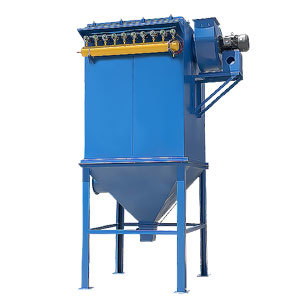
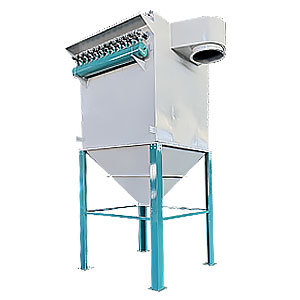
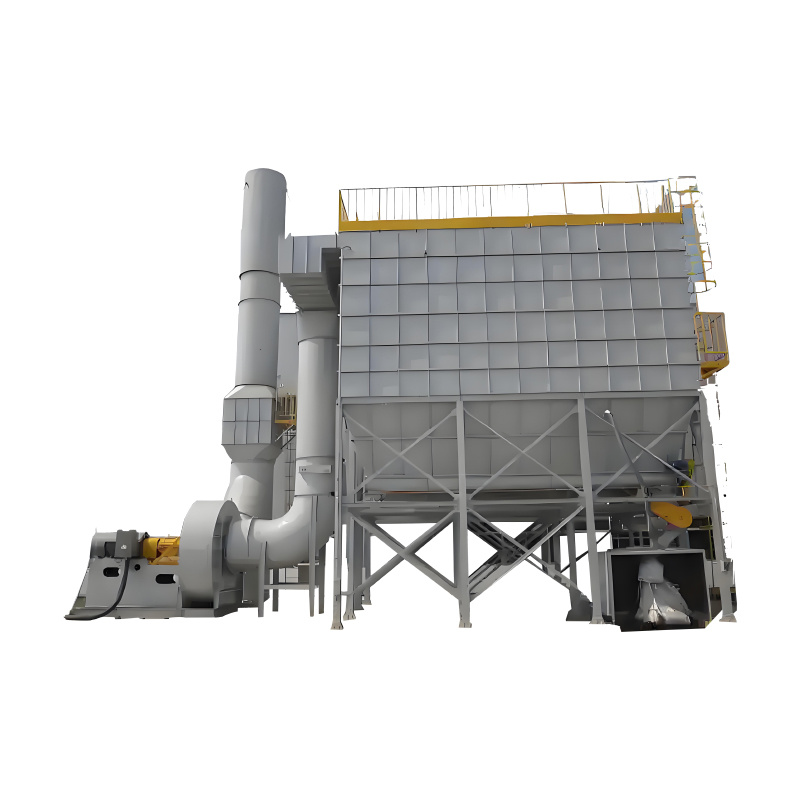
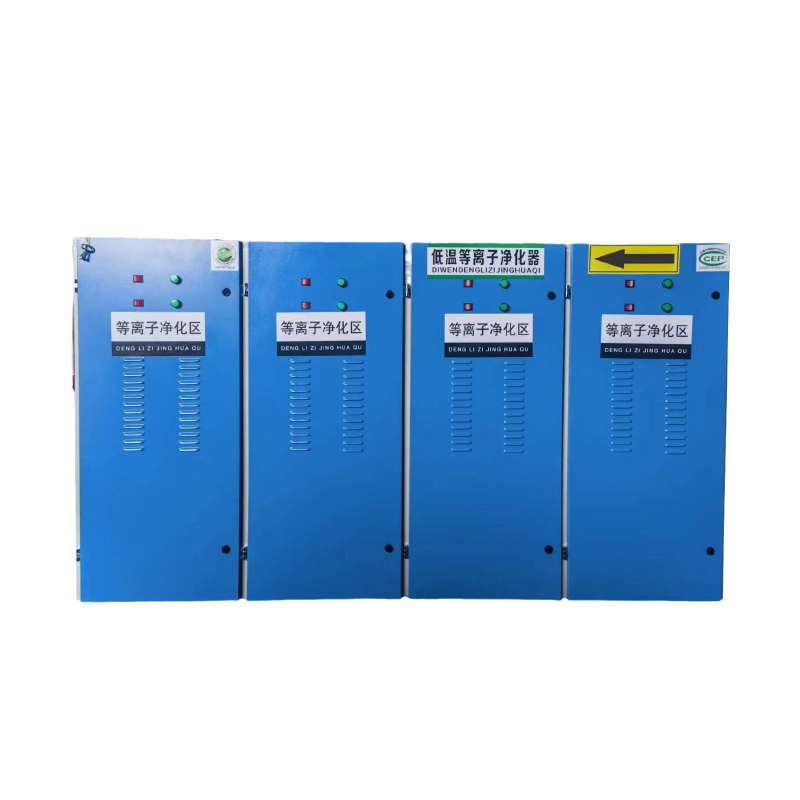
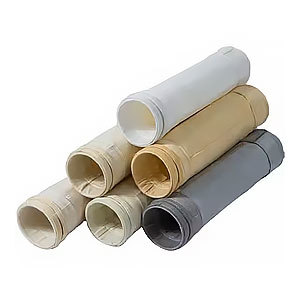
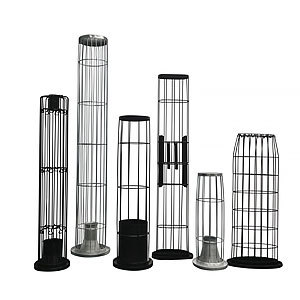
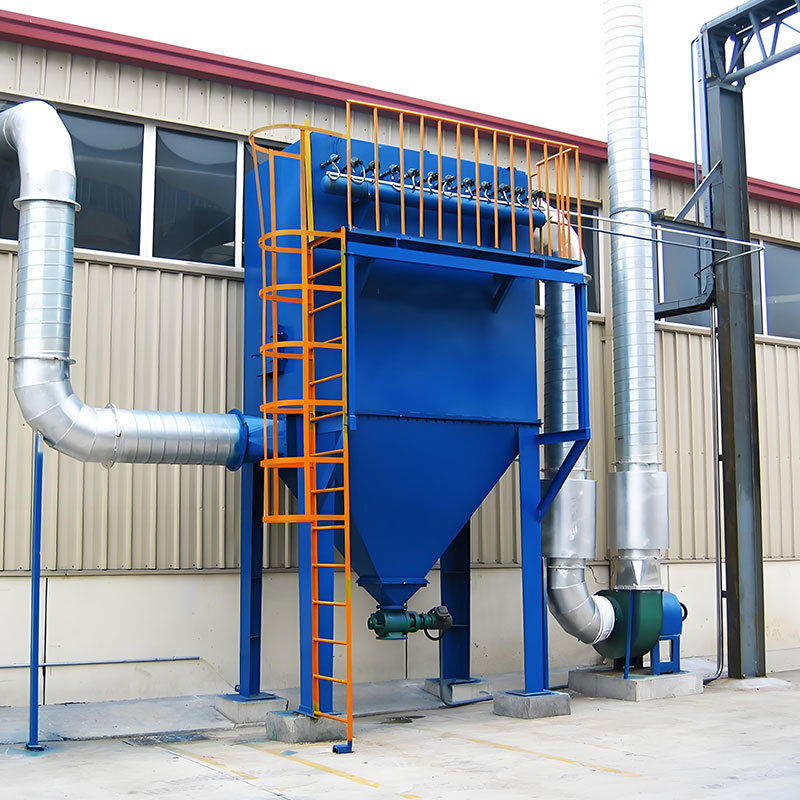
Bag dust collectors are specialized systems designed to capture and filter dust, smoke, and other particulate matter generated during various industrial processes. These systems utilize fabric filter bags to trap pollutants, ensuring that clean air is returned to the atmosphere.
3.1 Types of Bag Dust Collectors
There are several types of bag dust collectors available, including:
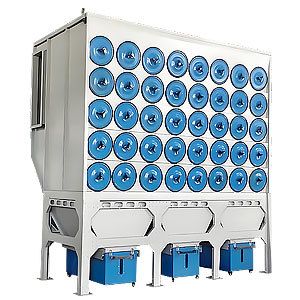
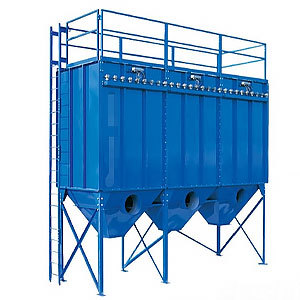
- **Modular Baghouse Collectors:** Flexible systems that can be expanded as needed.
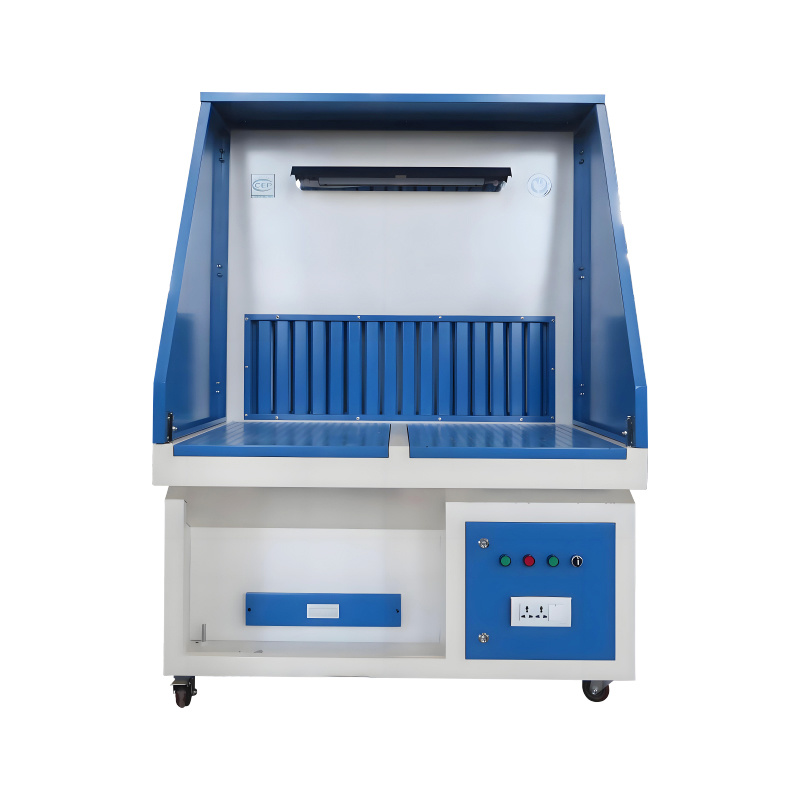
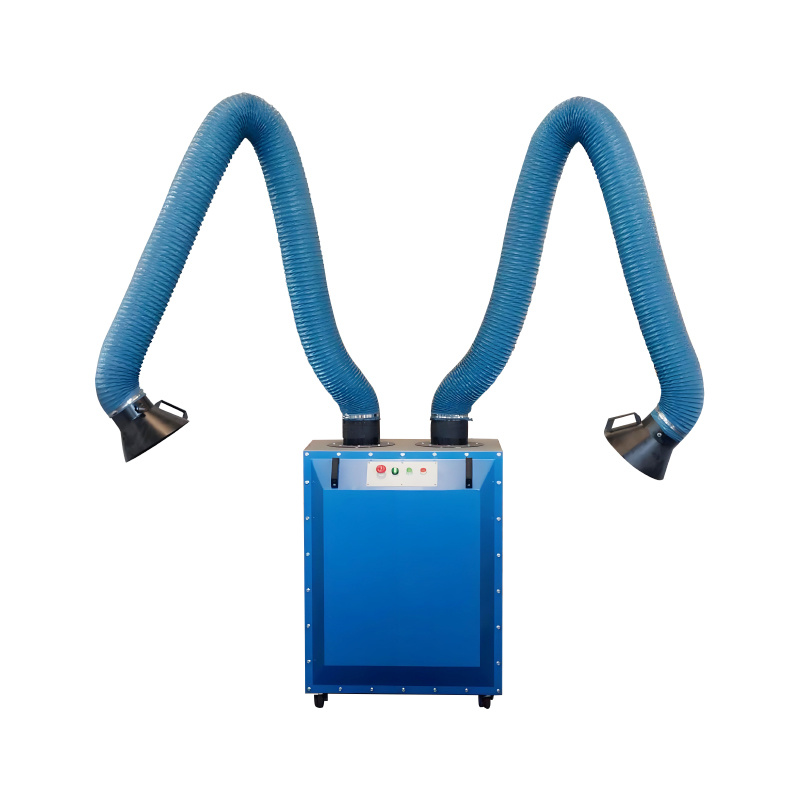
- **Portable Bag Dust Collectors:** Compact units suitable for smaller operations or specific workstations.
- **Centralized Bag Dust Collectors:** Large systems that serve an entire facility.
4. How Bag Dust Collectors Work
Understanding how bag dust collectors operate is crucial for appreciating their role in enhancing air quality. The process involves several key steps:
4.1 Dust Collection
As airborne particles flow into the collector, they enter a chamber where the airflow is controlled. This allows larger particles to fall into a hopper, while smaller dust particles are filtered through the fabric bags.
4.2 Filtration and Cleaning
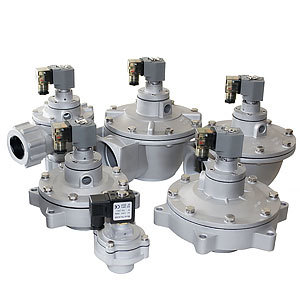
The fabric bags trap the dust particles while allowing clean air to pass through. Periodically, a cleaning mechanism such as reverse air or pulse jet is employed to dislodge the collected dust from the bags.
4.3 Discharge and Disposal
The collected dust is then directed to a storage container, where it can be safely disposed of or recycled, depending on the material.
5. Advantages of Using Bag Dust Collectors
Investing in bag dust collectors offers numerous advantages for factories:
5.1 Cost-Effectiveness
Bag dust collectors are relatively low-maintenance and offer longer service life, resulting in lower operational costs.
5.2 High Efficiency
These systems can capture up to 99% of dust particles, ensuring a cleaner workspace and compliance with air quality regulations.
5.3 Versatility
Bag dust collectors can be used in various industries, including woodworking, metal fabrication, and food processing, making them highly adaptable.
5.4 Improved Equipment Longevity
By reducing dust accumulation on machinery, bag dust collectors help extend the lifespan of equipment, reducing replacement costs.
6. Best Practices for Installation and Maintenance
To maximize the effectiveness of bag dust collectors, proper installation and maintenance practices must be followed:
6.1 Professional Installation
Engaging professionals for installation ensures that systems are set up correctly and efficiently.
6.2 Regular Maintenance Schedule
Establishing a routine maintenance schedule will keep the systems running optimally and prevent unexpected breakdowns.
6.3 Monitoring Performance
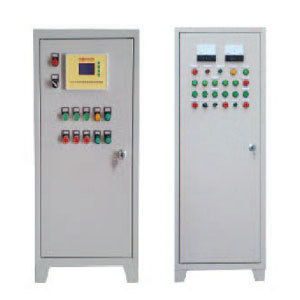
Utilizing monitoring systems can help track the performance of dust collectors, allowing for timely interventions.
6.4 Training Staff
Educating employees on the importance of air quality and the functioning of dust collectors can foster a culture of safety and compliance.
7. Regulatory Compliance and Air Quality Standards
Compliance with local and international air quality regulations is essential for any factory. Organizations such as OSHA and the EPA provide guidelines that dictate acceptable levels of airborne pollutants.
7.1 Understanding Standards
Familiarizing oneself with these regulations can help factories implement the necessary measures to ensure compliance and avoid penalties.
7.2 Documentation and Reporting
Maintaining accurate records of air quality monitoring, maintenance logs, and compliance reports is crucial for regulatory audits.
8. Future Trends in Air Purification Technologies
As technology evolves, so do techniques for improving air quality. Some future trends in air purification and dust collection include:
8.1 Smart Dust Collectors
Integrating IoT technology into dust collectors allows for real-time monitoring and data analytics, optimizing performance and maintenance schedules.
8.2 Eco-Friendly Materials
Developing more sustainable filter materials can reduce the environmental impact of dust collection systems.
8.3 Enhanced Filtration Technologies
Research into advanced filtration technologies promises to increase the efficiency and effectiveness of bag dust collectors.
9. Frequently Asked Questions
9.1 What is the lifespan of a bag dust collector?
Typically, a bag dust collector can last between 5 to 15 years, depending on the usage, maintenance, and environmental conditions.
9.2 How often should I replace the filter bags?
Filter bags should be inspected regularly, and replacement is typically required every 6 to 12 months, depending on the level of dust and usage.
9.3 Are bag dust collectors noisy?
Modern bag dust collectors are designed to operate quietly, but the noise level can vary based on the size and configuration of the system.
9.4 Can bag dust collectors handle wet materials?
Most bag dust collectors are designed for dry dust collection, and using them for wet materials can damage the filter bags and affect efficiency.
9.5 How do I choose the right bag dust collector for my factory?
Consider factors such as the type of dust generated, the volume of air flow required, and the space available for installation when selecting a dust collector.
10. Conclusion
Bag dust collectors play a vital role in maximizing air quality within factories. By investing in these systems, industries can ensure a healthier and safer work environment, enhance productivity, and comply with regulatory standards. With ongoing advancements in technology, the future of air purification looks promising, offering even more efficient solutions for maintaining optimal air quality. Prioritizing air quality not only benefits employees but also contributes to the overall success and sustainability of industrial operations.
Hot Tags:


Contact Us
Tel:
WeChat:
WhatsApp:
E-mail:
Address:
338 National Road South, Longfengdian Village, Botou City, Hebei Province, China
JiuznTomine is expertly delivering technically complicated projects in markets & provides custom solutions for their customized need.


CONTACT INFO
Tel: +86 18531710311
WeChat: +86-18531710311
338 National Road South, Longfengdian Village, Botou City, Hebei Province, China