

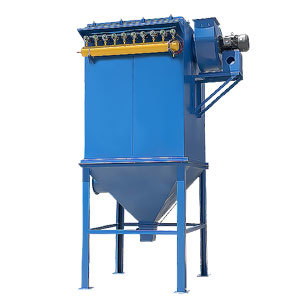
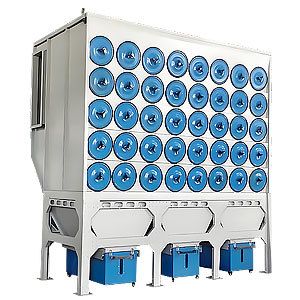
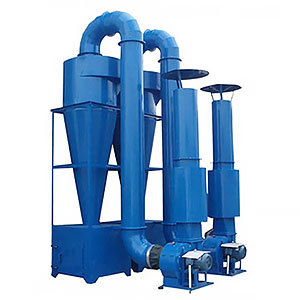

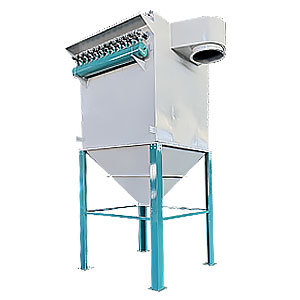









Galvanized Dust Removal Skeletons: A Sustainable Choice for Industrial Operations
Nov 14,2025
Galvanized Dust Removal Skeletons: A Sustainable Choice for Industrial Operations
Table of Contents
Introduction to Galvanized Dust Removal Skeletons
Understanding Dust Removal Systems in Industrial Settings
Advantages of Galvanized Materials in Dust Removal
Applications of Galvanized Dust Removal Skeletons in Industrial Operations
Sustainability and Environmental Impact of Ga

Galvanized Dust Removal Skeletons: A Sustainable Choice for Industrial Operations
Table of Contents
- Introduction to Galvanized Dust Removal Skeletons
- Understanding Dust Removal Systems in Industrial Settings
- Advantages of Galvanized Materials in Dust Removal
- Applications of Galvanized Dust Removal Skeletons in Industrial Operations
- Sustainability and Environmental Impact of Galvanized Dust Removal Skeletons
- Maintenance and Durability of Galvanized Dust Removal Skeletons
- Cost-Effectiveness of Using Galvanized Dust Removal Skeletons
- Frequently Asked Questions
- Conclusion
Introduction to Galvanized Dust Removal Skeletons
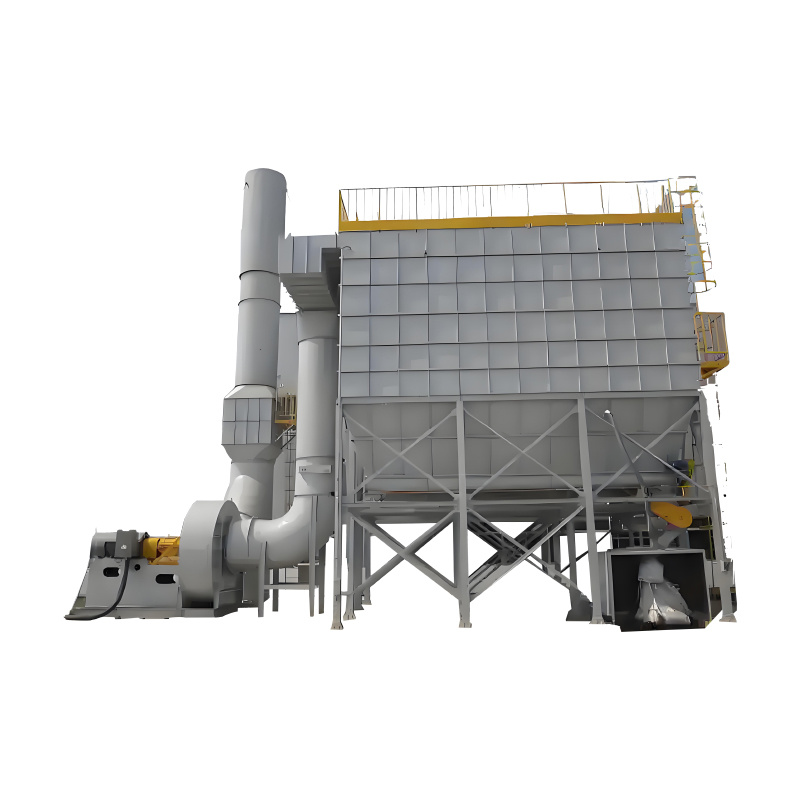
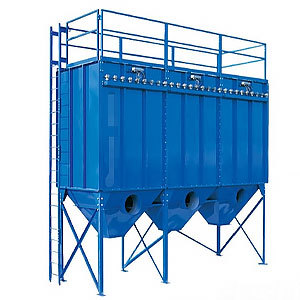
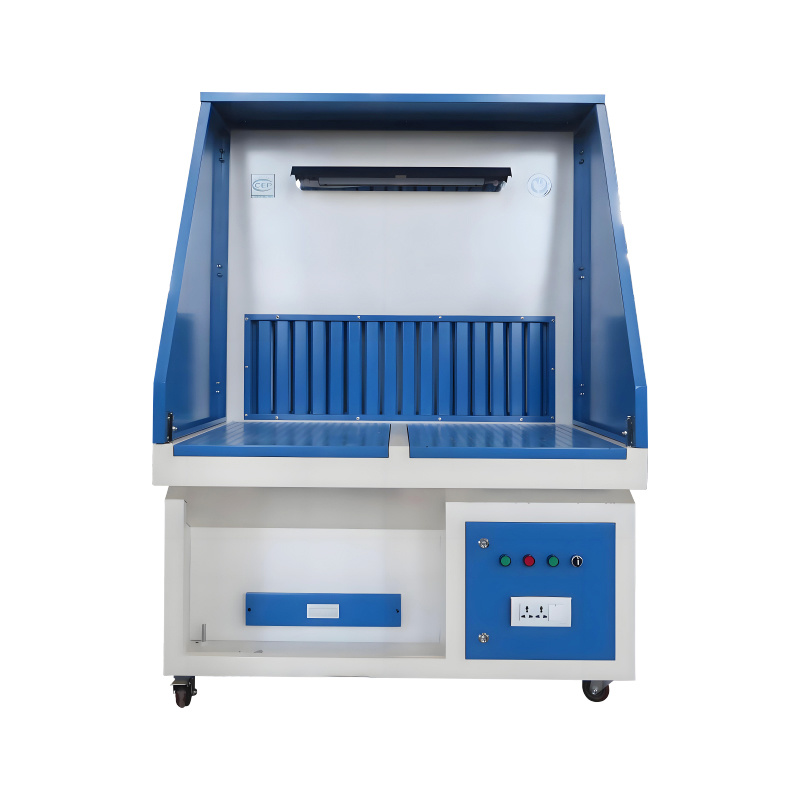
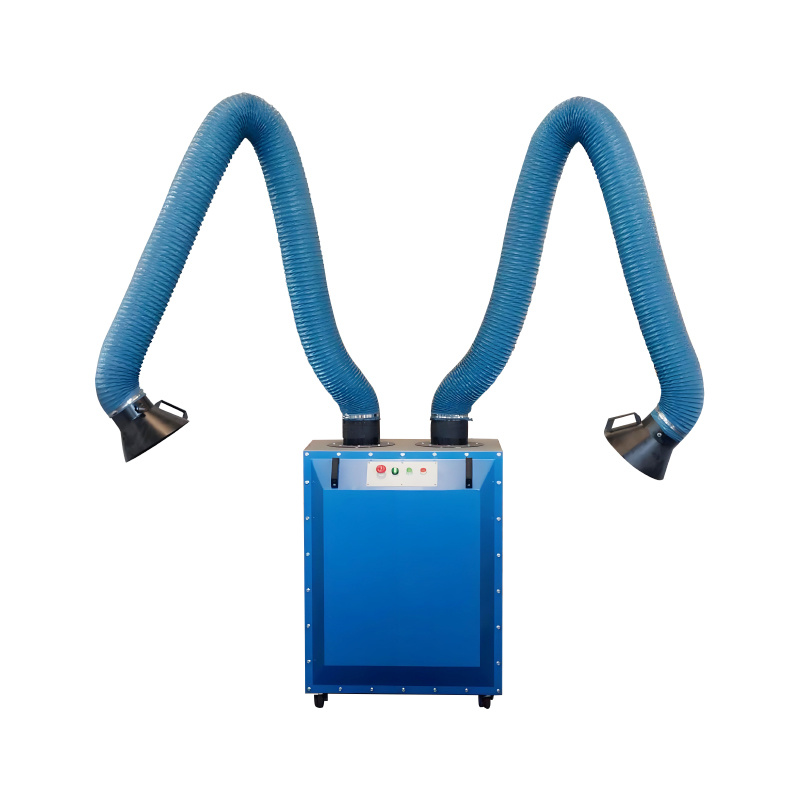
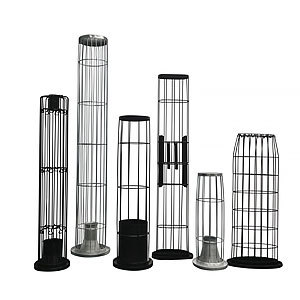
In today's industrial landscape, the need for effective dust removal systems is more critical than ever. Industrial facilities generate dust and particulate matter that can harm both employee health and the environment. One of the most effective solutions to this challenge is the implementation of **galvanized dust removal skeletons**. These structures not only enhance the efficiency of dust extraction systems but also contribute to a more sustainable industrial operation.
Understanding Dust Removal Systems in Industrial Settings
Dust removal systems play a pivotal role in maintaining air quality in industrial environments. These systems work by trapping airborne particles and preventing them from circulating back into the workspace. The fundamental components of these systems include pre-filters, main filters, and the skeleton or framework that supports the entire structure.
How Dust Removal Systems Operate
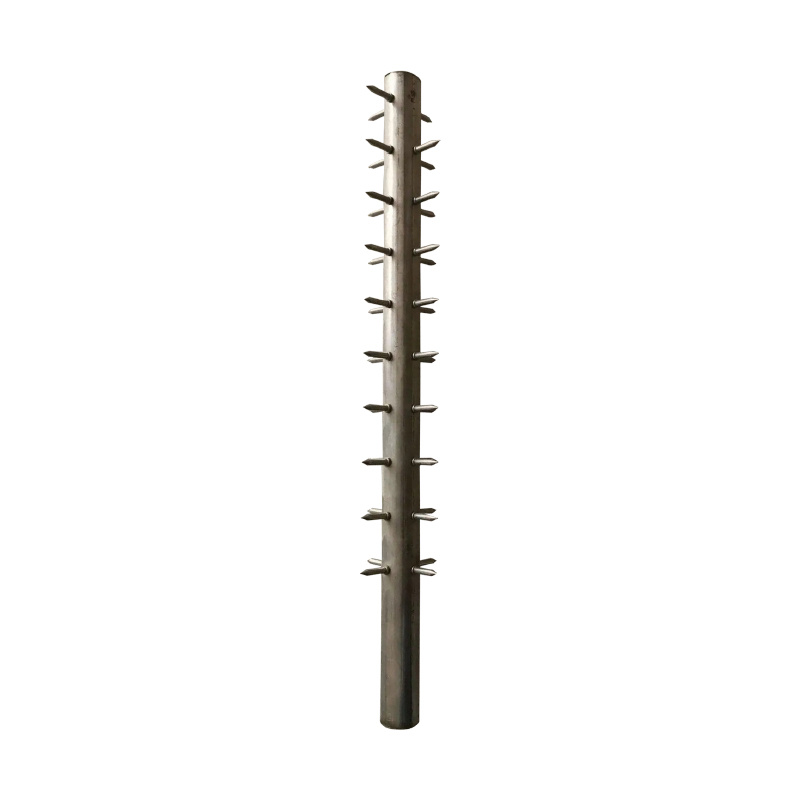
Dust removal systems typically function through a combination of mechanical and filtration processes. Air is drawn into the system, where larger particles are first captured by pre-filters. The air then passes through more refined filters designed to capture finer particles. The **dust removal skeleton** serves as the supporting structure that holds these filtration units in place, ensuring optimal airflow and efficiency.
Advantages of Galvanized Materials in Dust Removal
Choosing galvanized materials for dust removal skeletons comes with a multitude of benefits, enhancing both performance and longevity.
1. Corrosion Resistance
Galvanized steel is coated with a protective layer of zinc, making it highly resistant to corrosion. This is particularly important in industrial environments where exposure to moisture and chemicals is common. The longevity of galvanized dust removal skeletons minimizes the need for replacements, reducing waste.
2. Strength and Durability
Galvanized steel is renowned for its strength, allowing it to withstand the rigors of industrial operations. This durability translates into fewer structural failures, ensuring that dust removal systems operate effectively over extended periods.
3. Cost-Effectiveness
Although the initial investment in galvanized materials may be higher than alternatives, the long-term savings associated with reduced maintenance and replacement costs make them a more economical choice.
4. Environmental Benefits
Utilizing galvanized materials aligns with sustainable practices. The long lifespan of these components helps reduce material consumption, while their recyclability at the end of their life cycle contributes to a circular economy.
Applications of Galvanized Dust Removal Skeletons in Industrial Operations
Galvanized dust removal skeletons are versatile and can be utilized across various industrial sectors.
1. Manufacturing Facilities
In manufacturing plants, the generation of dust from raw materials and production processes necessitates effective dust removal systems. Galvanized skeletons provide reliable support for high-efficiency filtration units, ensuring a clean working environment.
2. Pharmaceutical Industry
In pharmaceutical manufacturing, maintaining strict air quality standards is essential. The use of galvanized dust removal skeletons helps meet regulatory requirements while promoting worker safety by reducing airborne contaminants.
3. Food Processing Plants
Food processing facilities face unique challenges concerning cleanliness and hygiene. Galvanized dust removal systems can be easily cleaned and sterilized, making them ideal for maintaining sanitary conditions.
4. Construction Sites
Dust generation on construction sites can lead to health hazards for workers and surrounding communities. Implementing galvanized dust removal solutions helps mitigate these risks while ensuring compliance with environmental regulations.
Sustainability and Environmental Impact of Galvanized Dust Removal Skeletons
Sustainability is a growing concern in industrial operations. The choice of materials used in dust removal systems can significantly impact a facility's overall environmental footprint.
1. Energy Efficiency
Efficient dust removal systems reduce the energy consumption associated with air filtration. By minimizing dust buildup in machinery, they help maintain optimal performance and energy efficiency.
2. Reduced Waste Generation
The durability of galvanized materials leads to fewer replacements, which in turn reduces waste generation. In an era where reducing waste is paramount, this aspect is highly beneficial.
3. Compliance with Environmental Regulations
Using environmentally friendly materials and processes aligns with the growing trend towards sustainability in industry. Many regions have strict regulations regarding air quality and waste management, and galvanized dust removal skeletons help facilities remain compliant.
Maintenance and Durability of Galvanized Dust Removal Skeletons
To maximize the longevity and performance of galvanized dust removal skeletons, proper maintenance is crucial.
1. Regular Inspections
Conducting routine inspections helps identify any potential issues before they escalate. Check for signs of wear or damage, especially in high-stress areas of the skeleton.
2. Cleaning Protocols
Implementing effective cleaning protocols ensures that dust and debris do not accumulate on the skeleton, which can impede airflow and reduce efficiency. Regular cleaning helps maintain optimal performance.
3. Component Replacement
While galvanized materials are durable, certain components, such as filters, may require periodic replacement. Keeping a schedule for these replacements is essential to maintain system efficiency.
Cost-Effectiveness of Using Galvanized Dust Removal Skeletons
The economic advantages of using galvanized dust removal skeletons extend beyond initial costs.
1. Long-Term Investment
Investing in galvanized materials may require a higher upfront cost, but their durability and low maintenance needs lead to savings over time. Fewer replacements mean reduced operational costs.
2. Enhanced Productivity
Efficient dust removal systems contribute to a healthier work environment, which can lead to increased productivity. Employee well-being is directly related to air quality, and investing in effective systems pays dividends in overall performance.
3. Reduction in Health-Related Costs
By improving air quality and reducing dust exposure, companies can potentially lower health care costs associated with respiratory illnesses and other dust-related health issues among employees.
Frequently Asked Questions
1. What are galvanized dust removal skeletons made of?
Galvanized dust removal skeletons are typically made from galvanized steel, which is coated with zinc to enhance corrosion resistance and durability.
2. How long do galvanized dust removal skeletons last?
With proper maintenance, galvanized dust removal skeletons can last for many years, often outlasting non-galvanized alternatives due to their resistance to corrosion and wear.
3. Are galvanized dust removal skeletons recyclable?
Yes, galvanized steel is recyclable, making it an environmentally friendly choice for dust removal solutions.
4. Can I use galvanized dust removal skeletons in food processing environments?
Absolutely! Their ease of cleaning and ability to maintain hygiene standards makes galvanized dust removal skeletons suitable for food processing facilities.
5. How do I maintain my galvanized dust removal system?
Regular inspections, cleaning protocols, and timely replacement of worn components are key to maintaining the effectiveness of your galvanized dust removal system.
Conclusion
In summary, **galvanized dust removal skeletons** represent a sustainable and efficient choice for industrial operations. Their corrosion resistance, durability, and alignment with environmental practices make them an ideal option for various industries. By investing in these systems, companies not only enhance their operational efficiency but also contribute to a safer and cleaner environment. As industries continue to prioritize sustainability, the adoption of galvanized solutions for dust removal will undoubtedly play a crucial role in shaping a more responsible future.
Hot Tags:


Contact Us
Tel:
WeChat:
WhatsApp:
E-mail:
Address:
338 National Road South, Longfengdian Village, Botou City, Hebei Province, China
JiuznTomine is expertly delivering technically complicated projects in markets & provides custom solutions for their customized need.


CONTACT INFO
Tel: +86 18531710311
WeChat: +86-18531710311
338 National Road South, Longfengdian Village, Botou City, Hebei Province, China